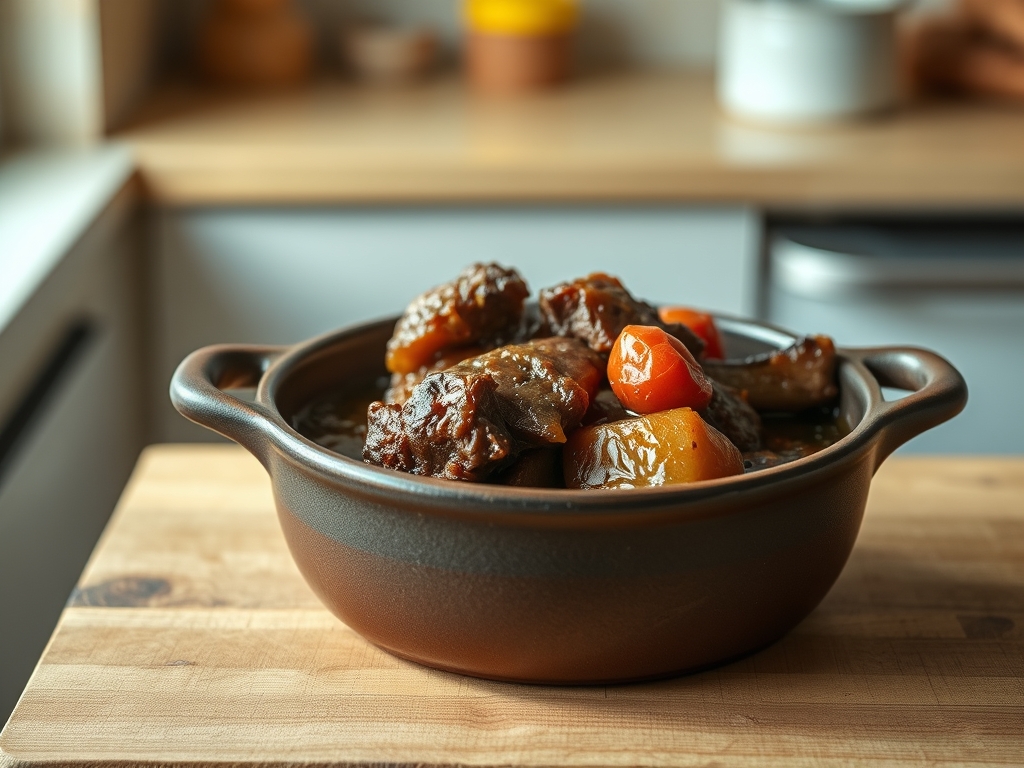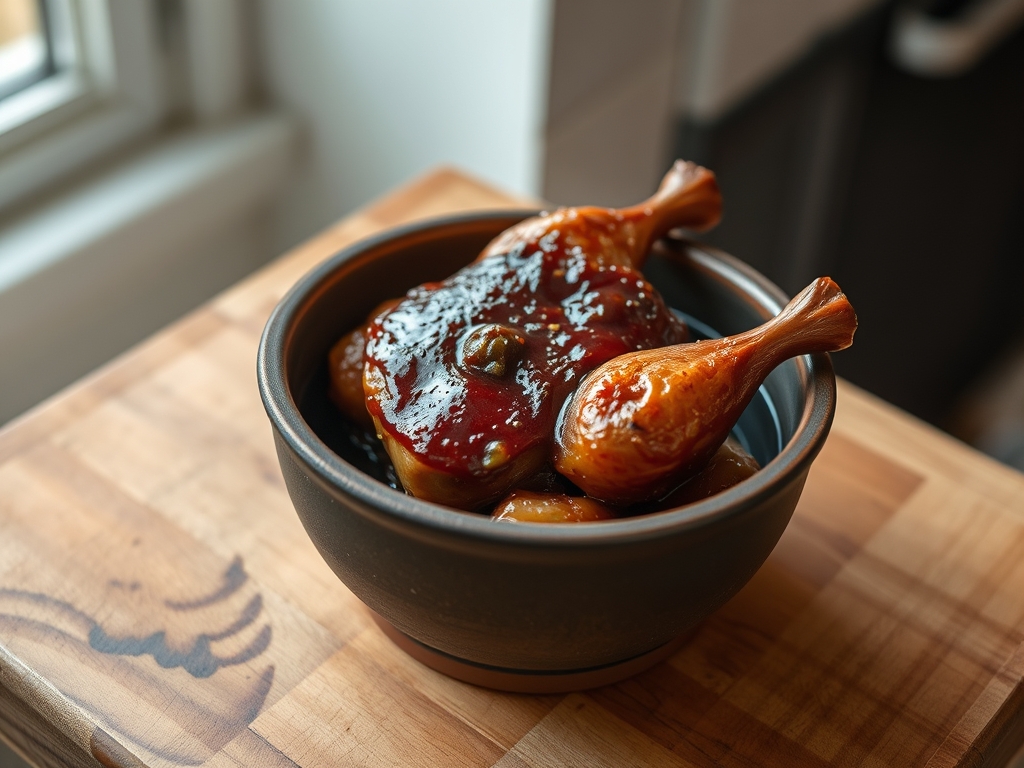
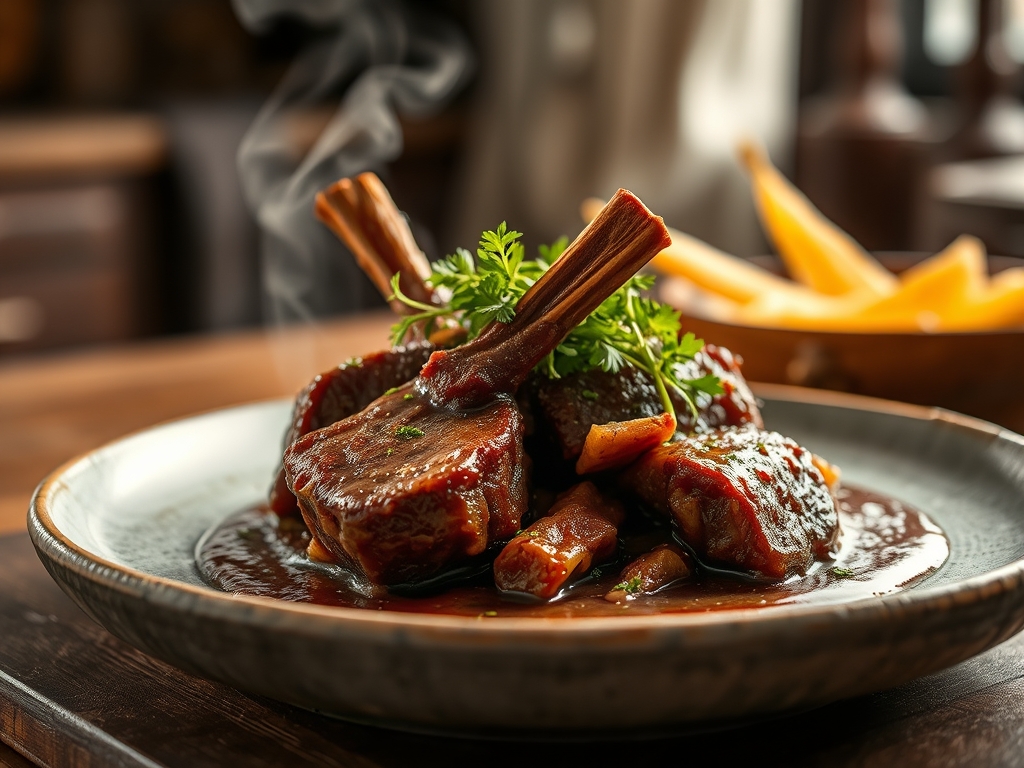
Stop treating your kitchen like a hobbyist's playground and start treating it like a high-performance laboratory. We are not just cooking dinner; we are managing a complex transition of connective tissue into liquid gold. This is the realm of Braised Oxtail Tech. When you look at a raw oxtail, you are looking at a structural masterpiece of bone, marrow, and collagen. Your mission is to dismantle that structure through controlled thermal degradation. We are aiming for a specific viscosity gradient where the sauce clings to the meat with the tenacity of a high-grade industrial lubricant but tastes like a velvet-lined dream. This requires more than a recipe; it requires an audit of your heat management and your patience. If you rush the rendering process, you end up with rubber. If you nail the Braised Oxtail Tech, you achieve a level of unctuousness that defies standard culinary physics. Prepare to engage with the Maillard reaction at a molecular level as we transform tough bovine tail into the most sophisticated protein on the planet.
THE DATA MATRIX
| Metric | Specification |
|---|---|
| Prep Time | 45 Minutes |
| Execution Time | 4.5 Hours |
| Yield | 4 Standard Servings |
| Complexity (1-10) | 7.5 |
| Estimated Cost per Serving | $12.50 – $18.00 |
THE GATHERS
Ingredient Protocol:
- 1.8kg / 4 lbs Center-cut beef oxtails (trimmed of excess exterior fat)
- 30ml / 2 tbsp High-smoke point neutral oil (Grapeseed or Avocado)
- 500ml / 2 cups High-quality beef bone broth (minimum 10g protein per serving)
- 250ml / 1 cup Dry red wine (Cabernet Sauvignon or Malbec)
- 150g / 1 large Yellow onion (brunoise)
- 100g / 2 medium Carrots (small dice)
- 75g / 2 stalks Celery (small dice)
- 30g / 6 cloves Garlic (smashed and minced)
- 45ml / 3 tbsp Tomato paste (double concentrated)
- 15ml / 1 tbsp Worcestershire sauce
- 3g / 2 sprigs Fresh thyme
- 2g / 1 leaf Dried bay leaf
- To taste Kosher salt and cracked black pepper
Section A: Ingredient Quality Audit:
Sub-par raw materials will compromise the integrity of your Braised Oxtail Tech. If your oxtails are too small (end-cuts), the bone-to-meat ratio will be skewed, leading to a sauce that is overly gelatinous but lacks protein substance. Fix: Supplement with 200g of beef chuck if the tails are thin. If your wine is "cooking wine" from a grocery store shelf, the sodium content will ruin the reduction. Fix: Only use wine you would drink; the acidity is required to break down the collagen. If your aromatics are wilted, their volatile oils have dissipated. Fix: Rehydrate aromatics in ice water for 20 minutes before dicing to restore turgor pressure.
THE MASTERCLASS
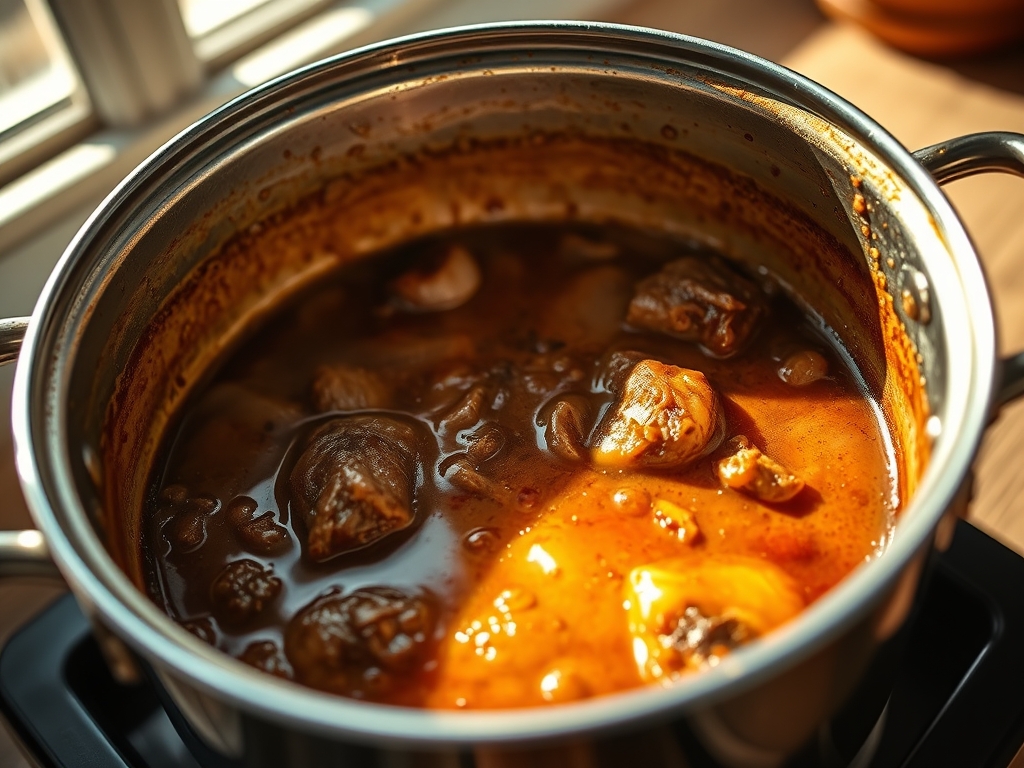
1. The Surface Dehydration and Seasoning
Pat the oxtails bone-dry using industrial-grade paper towels. Moisture is the enemy of the Maillard reaction. Season aggressively with kosher salt from a height of twelve inches to ensure even distribution. Use your digital scale to ensure you are using approximately 1.5% salt by weight of the meat.
Pro Tip: Surface moisture creates steam, which caps the temperature at 100C (212F). By dehydrating the surface, you allow the meat to hit the 140C to 165C range required for complex flavor development.
2. The Maillard Initiation
Heat your saucier or heavy-bottomed Dutch oven over medium-high heat. Add the oil and wait for it to shimmer. Sear the oxtails in batches. Do not overcrowd the vessel. You are looking for a deep, mahogany crust on all sides.
Pro Tip: The brown bits stuck to the bottom are called "fond." This is concentrated umami. Use a bench scraper or wooden spatula to ensure you do not burn this layer during the sear; if it turns black, the bitterness will permeate the entire batch.
3. Aromatic Sweat and Tomato Catalysis
Remove the meat and discard all but two tablespoons of fat. Add onions, carrots, and celery. Sauté until translucent. Add the tomato paste and cook for three minutes until it turns a rusty brick color. This process, known as "pincé," removes the raw metallic taste of the paste.
Pro Tip: Caramelizing the tomato paste changes its chemical structure, increasing the sweetness and deepening the final color of your sauce. Use your saucier's rounded edges to keep the paste moving constantly.
4. The Deglaze and Submersion
Pour in the red wine to deglaze the pan, scraping the bottom vigorously. Reduce the liquid by half. Return the oxtails to the pot and add the beef broth, Worcestershire, and herbs. The liquid should cover three-quarters of the meat.
Pro Tip: Total immersion leads to boiling, which toughens the muscle fibers. Partial immersion allows for a combination of braising and steaming, which preserves the structural integrity of the meat while melting the interior connective tissue.
5. The Low-Slow Kinetic Transition
Cover with a tight-fitting lid and place in a 150C (300F) oven. Check every hour. The goal is a gentle simmer, not a rolling boil. After 3.5 to 4 hours, the meat should be "fork-tender" but not falling off the bone spontaneously.
Pro Tip: Use a probe thermometer to check the internal temperature of the largest oxtail. You are looking for 90C to 95C (195F to 205F). This is the "sweet spot" where collagen converts to gelatin.
Section B: Prep & Timing Fault-Lines:
The most common failure in Braised Oxtail Tech is "Thermal Shock." If you add ice-cold broth to a scorching hot pan of seared meat, you seize the muscle fibers. Always bring your liquids to a simmer before adding them to the pot. Another fault-line is the "Resting Phase." If you serve immediately, the juices will run thin. Allow the meat to rest in the liquid for at least 20 minutes post-cook; this allows the fibers to reabsorb the viscous sauce.
THE VISUAL SPECTRUM
Section C: Thermal & Visual Troubleshooting:
Examine the Masterclass photo above. Note the deep, glossy sheen of the sauce; this indicates a successful emulsification of fats and gelatin. If your sauce looks "broken" or oily, the temperature was too high, causing the fat to separate. Fix: Whisk in a tablespoon of cold water or a small pat of butter to re-emulsify. If the meat looks grey rather than brown, your initial sear was insufficient. Fix: You cannot fix a bad sear post-braise, but you can intensify the color by reducing the sauce further after removing the meat. If the vegetables are mushy, they served their purpose as a flavor base; for better aesthetics, strain the sauce and add freshly glazed vegetables for service.
THE DEEP DIVE
Macro Nutrition Profile (Per Serving):
- Calories: 580 kcal
- Protein: 42g
- Fat: 38g
- Net Carbs: 6g
- Fiber: 2g
Dietary Swaps:
- Vegan: Replace oxtail with large chunks of Lion's Mane mushroom or King Oyster mushroom stems. Use mushroom broth and a dash of liquid smoke.
- Keto: The base recipe is largely keto-compliant. Ensure the tomato paste has no added sugar and swap the wine for extra broth with a tablespoon of apple cider vinegar.
- GF: Ensure your Worcestershire sauce is a certified gluten-free brand.
Meal Prep & Reheating Science:
Oxtail is a rare dish that improves with age. As it cools, the gelatin sets into a semi-solid matrix, further infusing the meat with flavor. To reheat, avoid the microwave, which causes "localized overheating" and toughens the protein. Instead, reheat on the stovetop over low heat, adding a splash of water to loosen the viscous sauce without breaking the emulsion.
THE KITCHEN TABLE
Why is my oxtail still tough after three hours?
You likely haven't reached the "collagen climax." Connective tissue requires sustained heat at specific temperatures to melt. If it is tough, keep going. Check your oven calibration; it might be running cold.
Can I do this in a pressure cooker?
Yes, but you sacrifice the reduction quality. Pressure cookers prevent evaporation, meaning your sauce will be thinner. You must reduce the sauce manually on the stovetop after the pressure cycle completes to achieve proper viscosity.
What is the best way to remove excess fat?
Cool the entire pot overnight in the refrigerator. The fat will solidify into a hard white cap on the surface. You can then lift it off in one piece, leaving only the nutrient-dense gelatin behind.
How do I get that professional glossy finish?
The secret is "Monter au Beurre." Right before serving, whisk in two tablespoons of cold, cubed butter into the hot, reduced sauce. This creates a temporary emulsion that adds a mirror-like shine and rich mouthfeel.