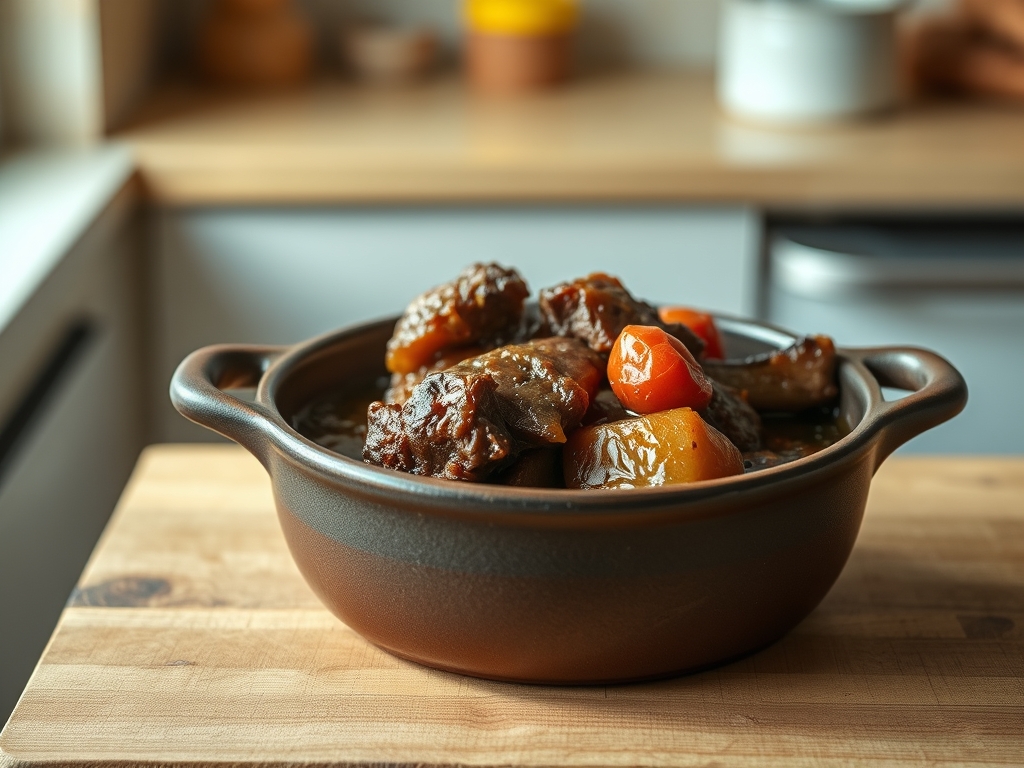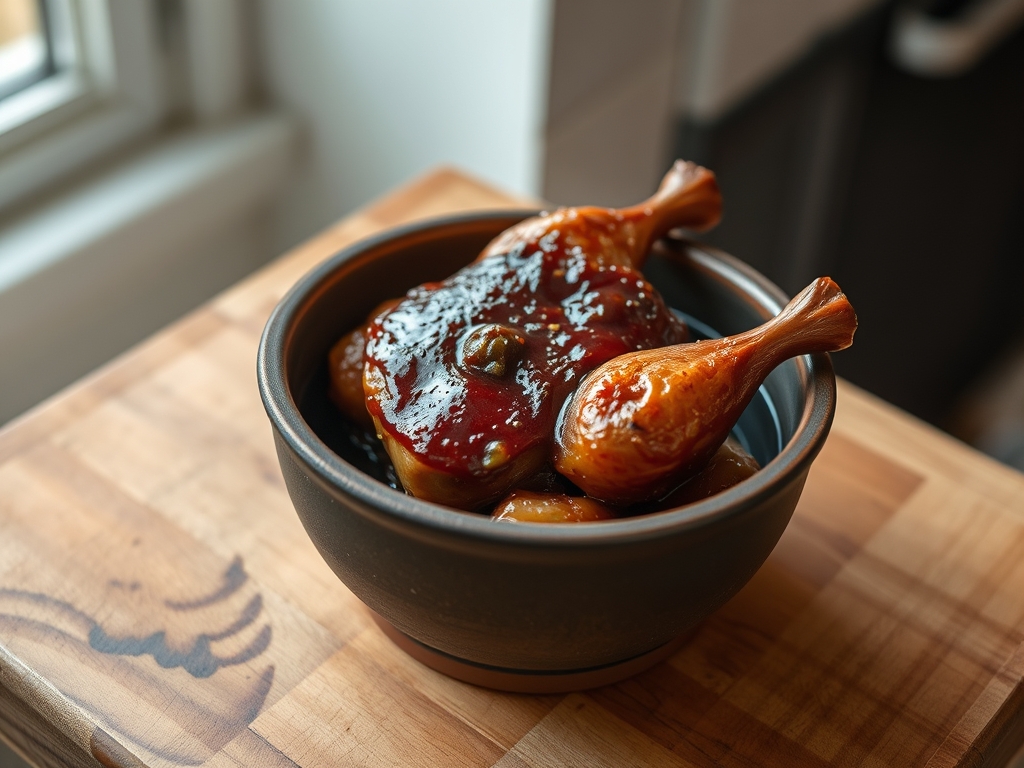
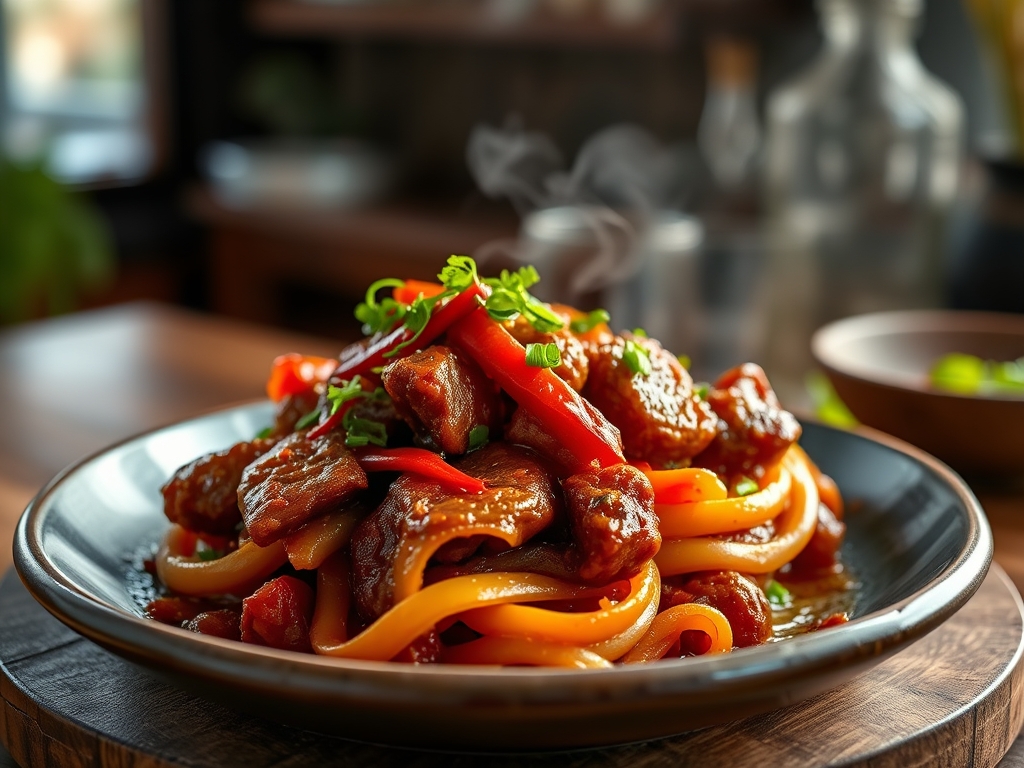
Stop treating your pantry like a storage unit and start treating it like a high-performance laboratory. We are not just making dinner; we are engineering a masterpiece of Korean Gochujang Beef. This dish is the definitive intersection of fermented funk and high-velocity heat. Imagine the smell of bovine fat rendering into a crimson pool of capsicum-infused oil. The gochujang, a fermented chili paste, provides a structural backbone of umami that a standard BBQ sauce could only dream of achieving. We are looking for a result that is viscous, glossy, and aggressively piquant.
The beef must be seared until the Maillard reaction creates a crust so definitive it could withstand a structural audit. When that deep, caramelized protein meets the sugar-dense gochujang, the kitchen transforms into a cathedral of scent. You are looking for that specific shimmer, a sign that the sugars have stabilized and the fats have emulsified into a velvet coating. This is the infrastructure of flavor. If you are ready to stop "cooking" and start executing, grab your digital scale. We have work to do.
THE DATA MATRIX
| Metric | Specification |
|---|---|
| Prep Time | 20 Minutes |
| Execution Time | 15 Minutes |
| Yield | 4 Servings |
| Complexity | 6 / 10 |
| Estimated Cost per Serving | $6.50 USD |
THE GATHERS
Ingredient Protocol:
- 680g / 1.5 lbs Flank Steak or Top Sirloin, sliced against the grain.
- 60ml / 4 tbsp Gochujang (Korean fermented chili paste).
- 30ml / 2 tbsp Low-sodium Soy Sauce.
- 15ml / 1 tbsp Toasted Sesame Oil.
- 20g / 1.5 tbsp Brown Sugar or Honey.
- 15g / 3 cloves Garlic, microplaned.
- 10g / 1 inch Fresh Ginger, grated.
- 30ml / 2 tbsp Neutral Oil (Grapeseed or Avocado).
- 4 units Green Onions, bias-cut.
- 5g / 1 tsp Toasted Sesame Seeds.
Section A: Ingredient Quality Audit:
Sub-par materials will collapse your flavor profile. If your Gochujang is dry or crumbly, it has oxidized; whisk it with a splash of rice wine or mirin to rehydrate the paste into a viscous slurry before it hits the pan. If your beef has excessive surface moisture, it will steam rather than sear. Use a paper towel to aggressively desiccate the exterior. For those using older ginger that has become fibrous, do not chop it; use a microplane to extract the juice and fine pulp, leaving the woody "skeleton" behind.
THE MASTERCLASS
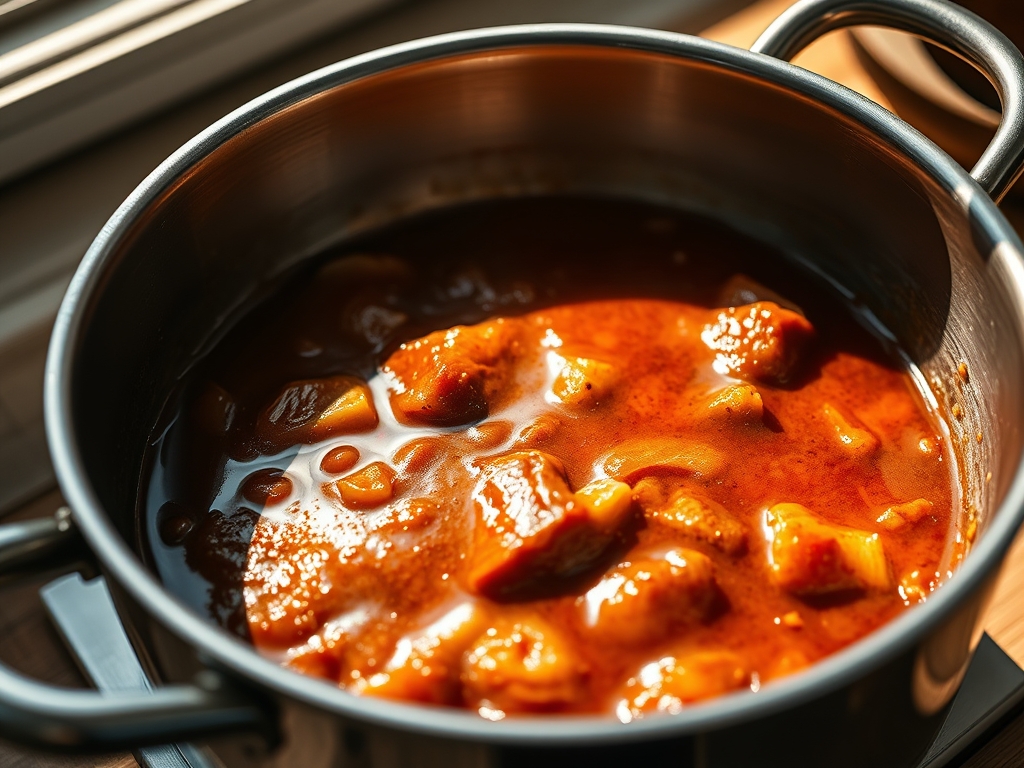
1. The Protein Preparation
Slice your beef into thin, uniform strips. Precision is non-negotiable here. Use a sharp chef knife or a slicer to ensure every piece is exactly 5mm thick. This ensures a simultaneous cook time across the entire batch.
Pro Tip: Place the beef in the freezer for 20 minutes before slicing. This firms the lipid structure, allowing for cleaner cuts. Use a digital scale to divide your portions if you are meal prepping to ensure nutritional consistency.
2. The Aromatics Infusion
Heat your saucier or heavy-bottomed wok over medium-high heat. Add the neutral oil and wait for the first sign of wispy smoke. Toss in the garlic and ginger, stirring constantly for exactly 30 seconds.
Pro Tip: Use a silicone spatula to keep the aromatics moving. Garlic has a high sugar content and will scorch at 350 degrees Fahrenheit. You are looking to infuse the oil, not carbonize the solids.
3. The High-Velocity Sear
Increase the heat to maximum. Add the beef in a single layer. Do not crowd the pan. Let it sit undisturbed for 90 seconds to develop a deep mahogany crust. Flip and repeat for 60 seconds.
Pro Tip: Crowding the pan drops the surface temperature of the metal. If the temperature falls below 212 degrees Fahrenheit, the cellular moisture in the meat will escape, and you will boil your beef. Work in batches if necessary.
4. The Glaze Integration
Reduce heat to medium. Pour in the pre-mixed gochujang, soy sauce, and sugar. Stir vigorously to deglaze the pan, lifting all the caramelized beef bits (the fond) into the sauce.
Pro Tip: The gochujang contains starch and sugar that will thicken almost instantly. If the sauce becomes too thick, add 15ml of water to aerate the mixture and maintain a glossy, pourable consistency.
5. The Final Emulsification
Remove from heat and drizzle with toasted sesame oil. Toss the beef one final time to ensure every fiber is coated in the viscous red glaze. Top with green onions and sesame seeds.
Pro Tip: Never cook toasted sesame oil over high heat. Its smoke point is low, and its volatile flavor compounds will evaporate. Adding it at the end preserves the nutty aroma.
Section B: Prep & Timing Fault-Lines:
The most common failure in Korean Gochujang Beef is "sauce breakage." This happens when the pan is too hot when the sauce is added, causing the oils to separate from the solids. If you see pools of clear oil, remove the pan from the heat immediately and whisk in a teaspoon of water to re-emulsify the sauce. Another fault-line is the "rubber effect," caused by overcooking the beef. Flank steak must be pulled at an internal temperature of 130 degrees Fahrenheit; residual heat will carry it to a perfect medium-rare.
THE VISUAL SPECTRUM
Section C: Thermal & Visual Troubleshooting:
Look at the Masterclass photo. Notice the "lacquered" finish on the beef. If your dish looks matte or dull, you likely lacked enough sugar or fat to create a proper emulsion. If the color is pale orange rather than deep crimson, your heat was too low to caramelize the gochujang. The green onions should provide a sharp, neon contrast; if they look olive-drab, you added them too early and destroyed their chlorophyll structure. Use a bench scraper to clean your board between prep steps to avoid color contamination.
THE DEEP DIVE
Macro Nutrition Profile:
A standard serving contains approximately 340 calories, 32g of protein, 12g of fat, and 18g of carbohydrates. The gochujang adds a significant amount of sodium, so monitor your soy sauce intake accordingly.
Dietary Swaps:
- Vegan: Swap the beef for pressed, extra-firm tofu or seitan strips. Ensure the tofu is seared until the exterior is dehydrated for maximum sauce adhesion.
- Keto: Replace the brown sugar with a liquid monk fruit sweetener and serve over riced cauliflower.
- GF: Ensure your gochujang is labeled gluten-free, as many brands use barley malt. Swap soy sauce for liquid aminos or tamari.
Meal Prep & Reheating Science:
To maintain the molecular structure of the sauce during reheating, avoid the microwave if possible. The microwave agitates water molecules, which can cause the sauce to "split" and the beef to become tough. Instead, use a small skillet over medium heat with a tablespoon of water. This creates steam that gently rehydrates the protein without overcooking the core.
THE KITCHEN TABLE
Why is my sauce grainy?
This usually happens if the gochujang wasn't fully whisked with the liquid ingredients before hitting the pan. The fermentation solids need to be suspended in liquid to create that signature velvet texture.
Can I use Gochugaru instead?
Gochugaru is just the dried chili flakes. It lacks the fermented bean paste and glutinous rice that give Gochujang its body. You can use it for extra heat, but it will not create a thick glaze.
How do I get a better sear?
Use a cast iron skillet. The thermal mass of cast iron prevents the temperature from plummeting when the cold meat hits the surface. Also, ensure the meat is at room temperature before cooking.
Is this dish supposed to be very sweet?
It should be a balance. The sugar is there to counteract the fermentation acidity and the heat of the peppers. If it tastes like candy, increase the soy sauce or add a splash of rice vinegar.