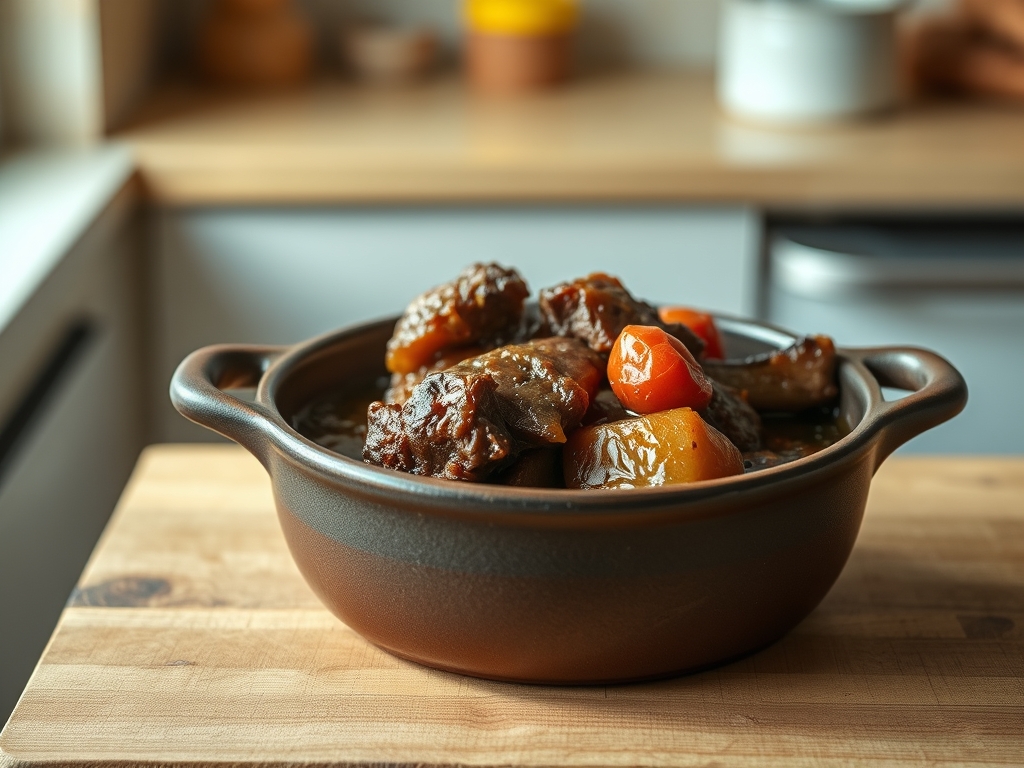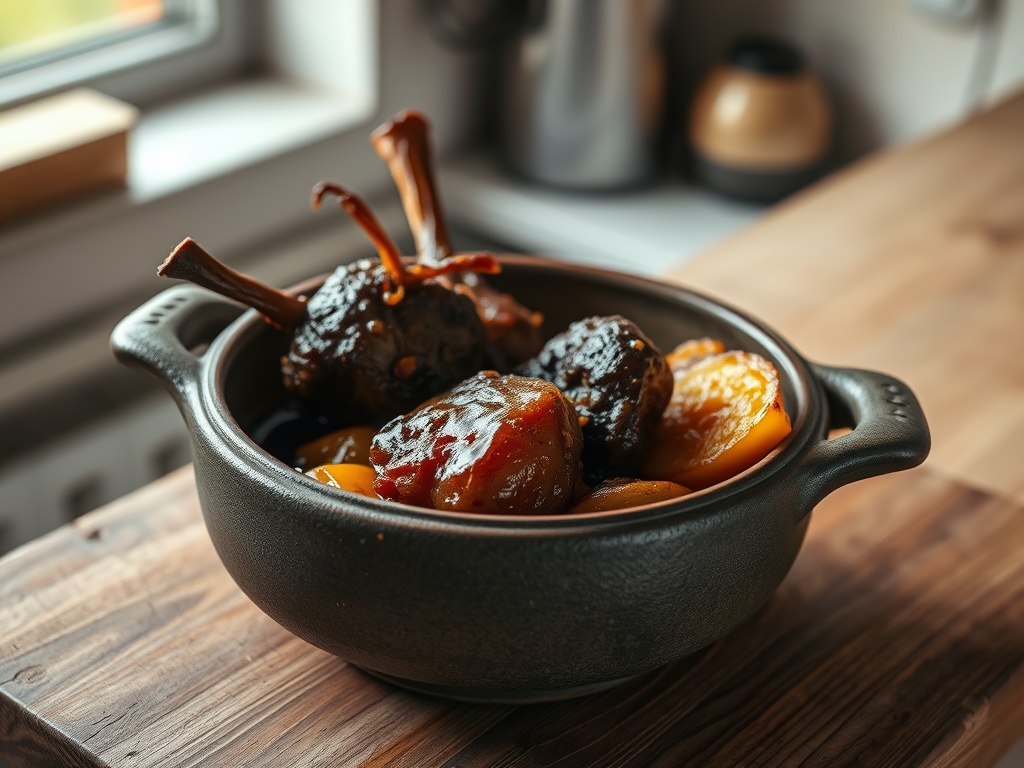
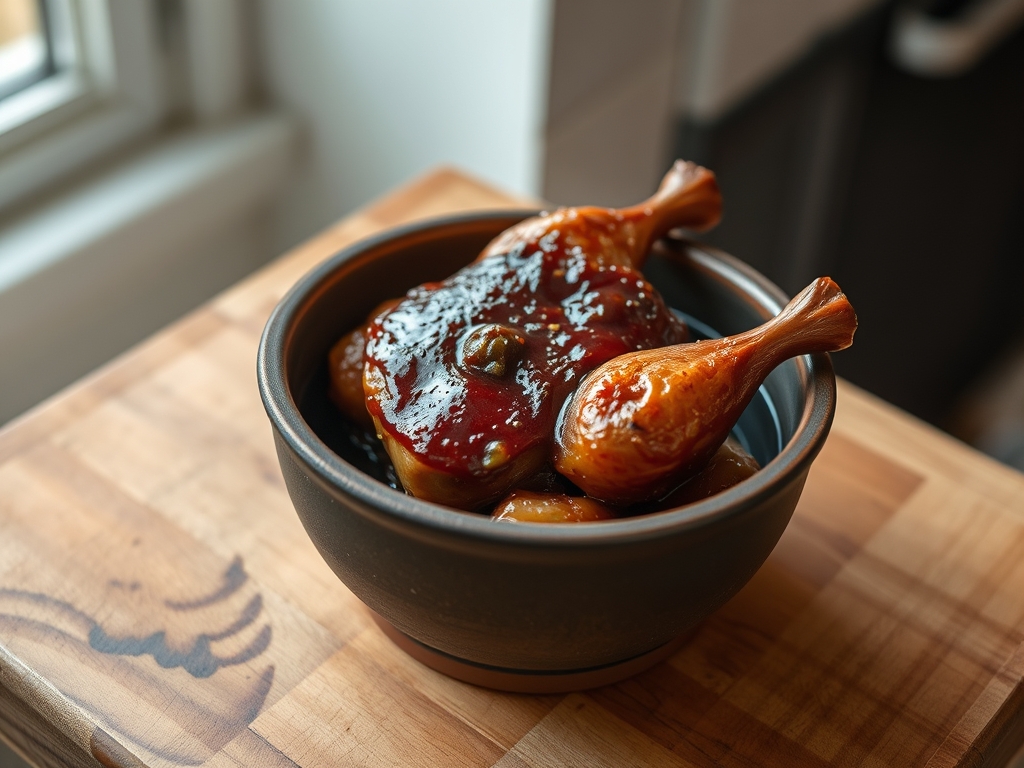
Listen closely because your kitchen is currently a crime scene of untapped potential. We are moving beyond the realm of simple "stewing" and entering the high-stakes world of ethanol-protein hybridization. This is not your grandmother's Sunday dinner; this is a technical audit of structural integrity and flavor saturation. When you enter the Coq au Vin Phase, you are managing a complex chemical reaction where collagen transforms into gelatin while tannins from a high-acid Burgundy bind with animal fats to create a viscous masterpiece. The air should be thick with the scent of rendered lardons and the sharp, piquant aroma of reducing wine. If your olfactory sensors aren't picking up that specific frequency of caramelized pearl onions and deep, purple-hued poultry, you are doing it wrong. We are here to calibrate your technique, optimize your thermal distribution, and ensure that every fiber of bird is infused with the soul of the vineyard. Prepare for a total system overhaul of your braising protocol.
THE DATA MATRIX
| Metric | Specification |
|---|---|
| Prep Time | 45 Minutes |
| Execution Time | 150 Minutes |
| Yield | 4 to 6 Servings |
| Complexity (1-10) | 7.5 |
| Estimated Cost per Serving | $8.50 to $12.00 |
THE GATHERS
Ingredient Protocol:
- 1.8 kg / 4 lbs Whole Chicken (broken down into 8 pieces)
- 225g / 8 oz Thick-cut Bacon or Ventreche (diced)
- 750ml / 1 Bottle Dry Red Wine (Pinot Noir or Burgundy)
- 500ml / 2 cups High-gelatin Chicken Stock
- 45ml / 3 tbsp Cognac or Brandy
- 50g / 3.5 tbsp Unsalted Butter (chilled and cubed)
- 30g / 2 tbsp All-purpose Flour
- 250g / 9 oz Pearl Onions (peeled)
- 250g / 9 oz Cremini Mushrooms (halved)
- 4 cloves Garlic (smashed)
- 1 Bouquet Garni (Thyme, Bay Leaf, Parsley)
Section A: Ingredient Quality Audit:
Sub-par raw materials will cause a total system failure. If your wine is "cooking wine" from a grocery store shelf, it contains excessive sodium that will concentrate during reduction; swap it for a drinkable bottle with high acidity. If your chicken is water-chilled rather than air-chilled, the excess moisture will prevent a proper sear. To fix this, pat the skin dry with paper towels and let it sit uncovered in the refrigerator for two hours to desiccate the surface. If your mushrooms are slimy, they are past their prime. Use a damp cloth to wipe firm mushrooms instead of washing them under a tap to prevent them from becoming waterlogged sponges.
THE MASTERCLASS
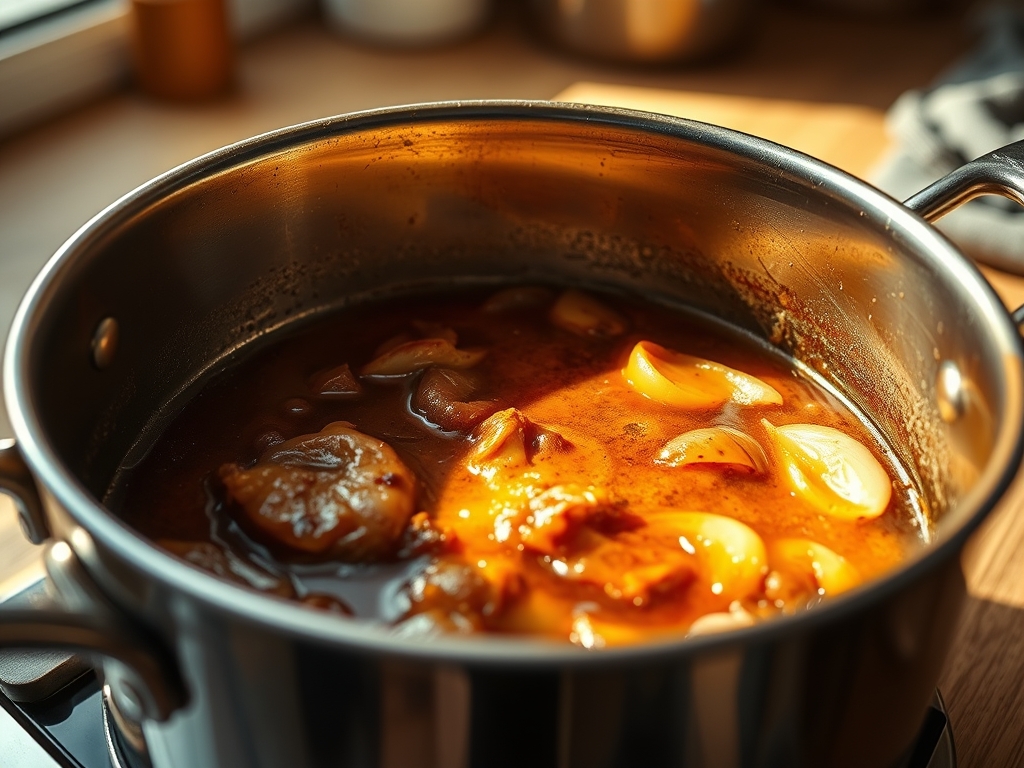
Step-by-Step Execution:
1. The Lipid Extraction
Begin by placing your diced bacon into a cold Dutch oven. Increase the heat to medium and render the fat until the lardons are crisp and golden. Use a slotted spoon to remove the solids, leaving the liquid gold behind.
Pro Tip: Starting with a cold pan allows the fat to render before the exterior of the bacon burns. Use a digital scale to ensure your fat-to-meat ratio is precise for optimal mouthfeel.
2. The Maillard Protocol
Season the chicken aggressively with kosher salt. Place the pieces skin-side down in the hot bacon fat. Sear until the skin reaches a deep, mahogany brown. Remove and set aside.
Pro Tip: Do not crowd the pan. If the temperature drops, the chicken will steam rather than sear. Use a saucier or wide-bottomed pot to maximize surface area contact for better browning.
3. The Deglaze and Flambe
Sauté the onions and mushrooms in the remaining fat until browned. Add the garlic for 60 seconds. Pour in the Cognac and use a long reach lighter to ignite the vapors. Once the flames subside, use a bench scraper or wooden spoon to deglaze the brown bits (fond) from the bottom.
Pro Tip: The flambe process burns off the harsh alcohol "bite" while leaving the concentrated fruit esters behind to infuse the sauce.
4. The Hybridization Phase
Return the chicken and bacon to the pot. Pour in the wine and stock until the chicken is three-quarters submerged. Add the bouquet garni. Cover and simmer on low heat for 60 to 90 minutes.
Pro Tip: Maintaining a gentle simmer (around 90C / 195F) ensures the proteins don't toughen. A digital probe thermometer is essential to monitor the internal temperature of the braising liquid.
5. The Molecular Emulsification
Remove the chicken. Whisk the flour and softened butter together to create a beurre manie. Whisk this into the simmering liquid and let it reduce until it is viscous enough to coat the back of a spoon.
Pro Tip: This cold-emulsion technique prevents flour clumps. The starch molecules swell and trap the wine-fat mixture, creating a glossy, professional finish.
Section B: Prep & Timing Fault-Lines:
The most common human error is rushing the reduction. If the sauce is too thin, you likely didn't reduce the wine enough before adding the stock. If the chicken is dry, you overshot the internal temperature. To rectify a broken sauce where fat is separating, aerate the liquid with a high-speed immersion blender for thirty seconds to force the lipids back into the suspension.
THE VISUAL SPECTRUM
Section C: Thermal & Visual Troubleshooting:
In the Masterclass photo, observe the deep purple hue of the sauce; this indicates a successful wine reduction. If your dish looks pale or pink, your wine lacked sufficient anthocyanins or you didn't reduce it by half. If the skin on the chicken is flabby, it was fully submerged rather than braised. To fix this, place the finished bird under a broiler for two minutes to re-crisp the skin before serving. If the mushrooms look shriveled, they were added too early; next time, sauté them separately and fold them in during the final ten minutes.
THE DEEP DIVE
- Macro Nutrition Profile: This dish is protein-dense with moderate fat levels. A standard serving contains approximately 450 calories, 35g protein, 18g fat, and 12g carbohydrates.
- Dietary Swaps: For a Keto version, omit the flour and thicken with a pinch of xanthan gum or heavy cream. For a Vegan "Coq au Vin," utilize king oyster mushrooms and seitan, substituting the bacon with smoked paprika and soy sauce.
- Meal Prep & Reheating Science: Braises actually improve after 24 hours as the flavors continue to infuse the meat. When reheating, do so gently on the stovetop. Avoid the microwave, as it vibrates water molecules too violently, which can cause the delicate protein fibers to toughen and the emulsion to break.
THE KITCHEN TABLE
Why is my sauce purple instead of brown?
The anthocyanins in red wine react with the proteins. A deep purple or burgundy color is the hallmark of an authentic Coq au Vin Phase. If it is too bright, increase the simmering time to further oxidize the pigments.
Can I use white wine instead?
Technically, that becomes "Coq au Vin Blanc." It follows the same mechanical principles but offers a lighter, more floral profile. It is excellent with more delicate herbs like tarragon instead of the traditional thyme and bay leaf.
My chicken is falling apart too much.
You have over-braised. The connective tissue has completely dissolved into gelatin. While flavorful, it loses structural integrity. Aim for "fork-tender" where the meat yields to pressure but still holds its shape on the plate for a professional presentation.
How do I get pearl onions to peel easily?
Blanch them in boiling water for 60 seconds and then shock them in an ice bath. The skins will slide off with minimal effort, saving you significant prep time and preserving the structural integrity of the onion bulbs.