Welcome to the high-stakes theater of the palate where the Mango Chili Lime trinity reigns supreme. This is not a mere snack; it is a calculated collision of biological imperatives. Your tongue is a battlefield, and we are about to deploy a strategic strike of fructose and capsaicin. The Mango Chili Lime profile works because it exploits the human sensory hardware through a process of contrastive reinforcement. The sugar in the mango buffers the heat of the chili, while the citric acid in the lime acts as a structural bridge, sharpening the edges of the sweetness and preventing the capsaicin from overwhelming the delicate fruit esters. We are looking for that specific moment of transition where the cooling fruit sugars give way to a slow, resonant burn. It is a piquant dance of acidity and fire. If you fail to balance these three pillars, you end up with a cloying syrup or a mouth-searing disaster. We are here to ensure your culinary infrastructure is robust enough to handle the thermal load of this tropical hybrid.
THE DATA MATRIX
| Metric | Specification |
|---|---|
| Prep Time | 20 Minutes |
| Execution Time | 15 Minutes |
| Yield | 4 Servings |
| Complexity | 4 / 10 |
| Estimated Cost per Serving | $3.25 USD |
THE GATHERS
Ingredient Protocol:
- 500g / 2 Large Firm-Ripe Kent Mangoes (Diced)
- 15ml / 1 tbsp Neutral Oil (Grape seed or Avocado)
- 5g / 1 tsp Tajin or Dried Aleppo Pepper Flakes
- 2g / 0.5 tsp Fine Sea Salt
- 60ml / 0.25 cup Freshly Squeezed Key Lime Juice
- 2g / 1 tsp Lime Zest (Microplaned)
- 10g / 1 Large Red Fresno Chili (Thinly Sliced)
- 5g / 0.25 cup Fresh Cilantro Leaves (Torn)
Section A: Ingredient Quality Audit:
The primary failure point in this assembly is the mango texture. If your fruit is overripe, it will deliquesce into a structural slurry when heat is applied. To fix mushy fruit, macerate the cubes in a 10% sugar solution for ten minutes to draw out excess moisture and firm the exterior. Conversely, if the mango is under-ripe and lacks the necessary browning potential, a light dusting of powdered glucose can help trigger the Maillard reaction during the searing phase. For the chili component, if the heat is too aggressive, remove the pith and seeds; the capsaicin is concentrated in the placental tissue, not the flesh. If your limes are dry and yielding little juice, microwave them for ten seconds and roll them firmly on the counter to rupture the juice vesicles before slicing.
THE MASTERCLASS
Step 1: Precision Dicing and Surface Prep
Utilize a sharp chef knife to cube the mango into uniform 2cm pieces. Consistency is not just aesthetic; it ensures that the heat distribution remains constant across all units during the sear. Place the cubes on a paper towel to remove surface moisture.
Pro Tip: Use a bench scraper to move your fruit without bruising the cellular structure. Removing surface moisture is critical because water is the enemy of the sear; excess liquid will cause the fruit to steam rather than caramelize.
Step 2: The Thermal Induction
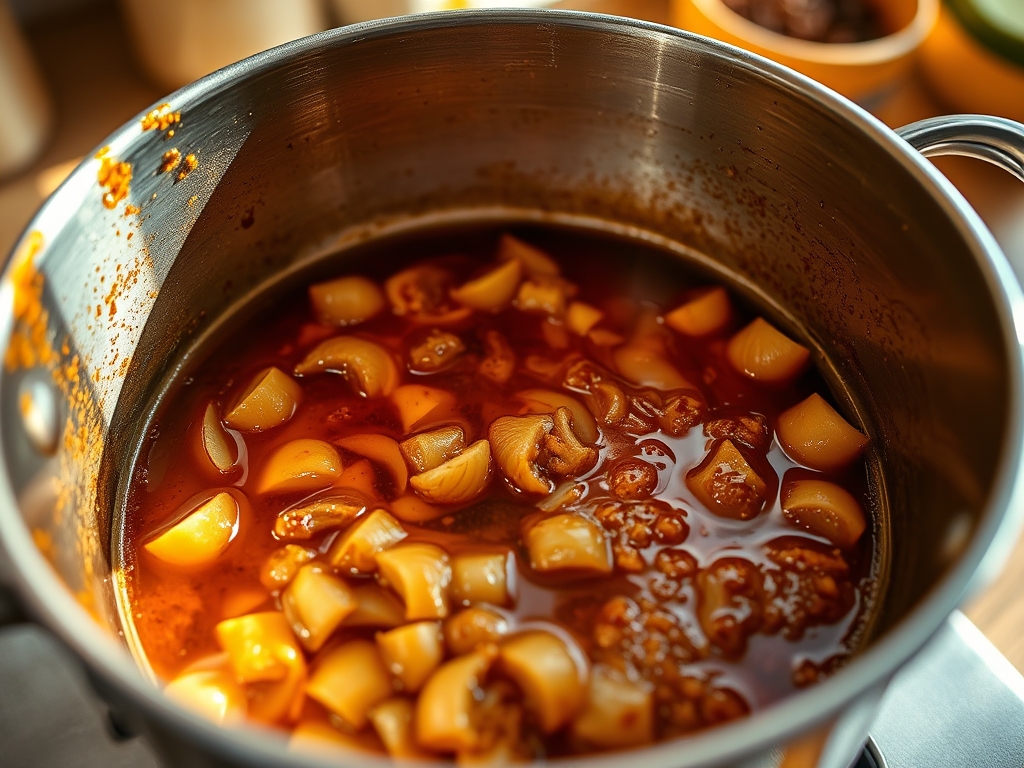
Heat a heavy-bottomed saucier or cast-iron skillet over medium-high heat. Add the neutral oil and wait for it to reach its smoke point. You should see a faint shimmer on the surface of the oil before introducing the fruit.
Pro Tip: A digital infrared thermometer is your best friend here. You are aiming for a surface temperature of 190C (375F). This temperature is high enough to flash-caramelize the sugars without scorching the delicate fruit fibers.
Step 3: Infusing the Heat Matrix
Add the mango cubes in a single layer. Do not crowd the pan. Allow them to sit undisturbed for 60 seconds to develop a golden crust. Toss in the sliced Fresno chilis and the dried chili flakes.
Pro Tip: Use a silicone spatula to gently fold the ingredients. The goal is to infuse the oil with the chili oils (capsaicin) so that every cube of mango is coated in a thin, spicy lipid layer.
Step 4: Acidic Deglazing and Finishing
Pour the lime juice directly into the hot pan. The liquid will instantly vaporize and lift any caramelized fruit sugars from the bottom of the pan. This is called to deglaze. Remove from heat immediately and toss with the lime zest and salt.
Pro Tip: Use a digital scale to measure your salt. Even a 1-gram deviation can shift the profile from "bright" to "briny." The lime zest contains essential oils that are volatile; adding them at the very end preserves their aromatic integrity.
Section B: Prep & Timing Fault-Lines:
The most common human error is the "Cold Pan Syndrome." If you add mango to a cold pan, the fruit will leak juice, and you will end up with a boiled fruit compote. Always preheat. Another timing issue involves the lime juice; if you cook the lime juice for more than 30 seconds, the citric acid will break down and become bitter. The "Deglaze and Depart" method is the only way to maintain the vibrant, high-frequency acidity required for the Mango Chili Lime profile.
THE VISUAL SPECTRUM
Section C: Thermal & Visual Troubleshooting:
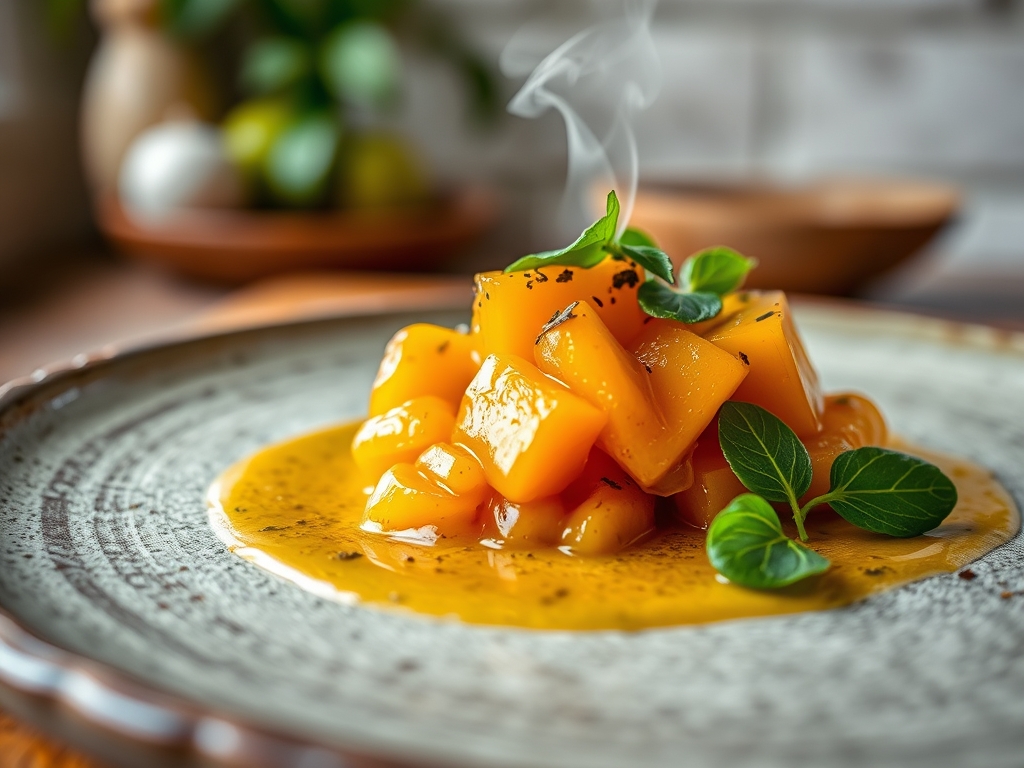
Referencing the Masterclass photo, you should see distinct, charred edges on the mango cubes while the centers remain vibrant orange. If your dish looks dull or brownish-grey, you have overcooked the fruit, causing the chlorophyll and carotenoids to degrade. If the colors are not popping, your lime juice might be oxidized; always use fresh-squeezed juice for that neon-bright finish. To fix a "wet" look where the sauce is too thin, you can aerate the mixture by tossing it vigorously in a bowl after cooking, which helps the sugars and oils form a temporary emulsion that clings to the fruit.
THE DEEP DIVE
Macro Nutrition Profile
Per serving, this hybrid contains approximately 110 calories. The breakdown is 24g Carbohydrates (primarily fructose and glucose), 1g Protein, and 3.5g Fats (from the neutral oil). It is a powerhouse of Vitamin C and Vitamin A, providing over 60% of your daily requirement. The capsaicin acts as a metabolic stimulant, slightly increasing thermogenesis.
Dietary Swaps
- Vegan: This recipe is inherently vegan. Ensure your sugar source (if using) is bone-char free.
- Keto: Replace the mango with jicama or chayote squash and use a monk fruit sweetener to mimic the fructose hit.
- GF: Naturally gluten-free. Ensure your Tajin or chili powder has no wheat-based anti-caking agents.
Meal Prep & Reheating Science
To maintain the molecular structure, do not microwave. Reheating mango in a microwave causes the cell walls to collapse, resulting in a mushy texture. Instead, flash-sear the leftovers in a hot pan for 45 seconds. If prepping ahead, store the sliced mango and the "acid-spice" dressing separately. Combine them only at the point of service to prevent the acid from "cooking" the fruit via denaturization.
THE KITCHEN TABLE
How do I stop the mango from sticking?
Ensure your pan is properly seasoned and the oil is shimmering. A high-quality non-stick or well-seasoned carbon steel pan prevents the sugars from bonding to the metal surface. Don't move the fruit too early; let the crust form.
Can I use frozen mango for this?
You can, but the texture will be compromised. Frozen mango has undergone ice crystal formation which ruptures cell walls. Thaw completely and pat extremely dry before searing to avoid a watery, mushy result. It won't be as crisp.
What is the best chili for this?
The Fresno chili is king for its moderate heat and fruity undertones. If you want more intensity, use a Habanero, but slice it paper-thin. The goal is a piquant edge, not a total sensory blackout.
Why add salt to a fruit dish?
Salt is a flavor amplifier. It suppresses bitterness and enhances the perception of sweetness. In this technical application, the salt bridges the gap between the sour lime and the spicy chili, creating a cohesive flavor profile.