Imagine a compact, emerald cylinder of high-tensile strength vine leaf, pressurized with a core of starch and aromatics that have undergone a total molecular transformation. This is not just a snack; it is a structural masterpiece of Mediterranean engineering. We are initiating a Greek Dolmades Audit to dissect the infrastructure of the perfect stuffed leaf. When you bite into a premium dolma, you should experience the immediate snap of a brined leaf followed by the creamy, citrus-infused release of short-grain rice. The internal pressure must be calibrated perfectly. Too loose, and the structural integrity collapses into a soggy mess; too tight, and the expanding rice grains will breach the leaf hull like a burst pipe. We are looking for a specific equilibrium of acidity and fat, where the viscous olive oil coats every grain of rice while the lemon juice provides a piquant counter-balance. This audit demands precision, patience, and an understanding of how moisture migrates through cellulose walls under thermal stress. Let us begin the inspection.
THE DATA MATRIX
| Metric | Specification |
|---|---|
| Prep Time | 45 Minutes |
| Execution Time | 60 Minutes |
| Yield | 40 Units |
| Complexity (1-10) | 7 |
| Estimated Cost per Serving | $0.85 |
THE GATHERS
Ingredient Protocol:
- 250g / 1 jar Grape leaves in brine (approx. 60 leaves)
- 300g / 1.5 cups Short-grain rice (Arborio or Calasparra)
- 250ml / 1 cup Extra virgin olive oil (divided)
- 2 large / 200g Yellow onions, finely minced
- 30g / 0.5 cup Fresh dill, minced
- 15g / 0.25 cup Fresh mint, minced
- 2 medium / 60ml Lemon juice, freshly squeezed
- 5g / 1 tsp Sea salt
- 2g / 0.5 tsp Cracked black pepper
- 500ml / 2 cups Vegetable stock or filtered water
Section A: Ingredient Quality Audit:
The primary failure point in a Greek Dolmades Audit is the texture of the grape leaf. If using jarred leaves, they often arrive over-processed and fragile. To fix this, perform a cold-water rinse to remove excess metallic brine notes and then a quick blanch in simmering water to restore elasticity. If the rice is too starchy, it will turn into a gummy paste. You must rinse the rice in a fine-mesh sieve until the water runs clear to remove surface amylopectin. Finally, never use bottled lemon juice. The volatile aromatic compounds in fresh lemons are essential to infuse the rice with brightness; bottled versions lack the necessary enzymatic activity to cut through the heavy olive oil.
THE MASTERCLASS
1. The Aromatics Reduction
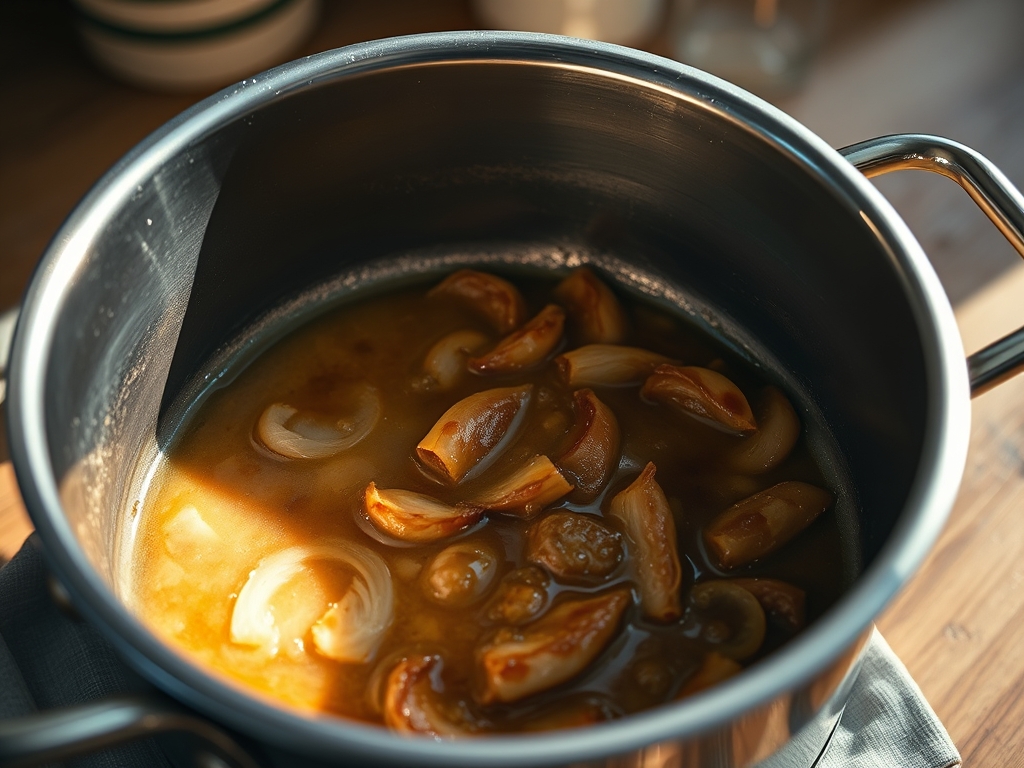
Heat 125ml / 0.5 cup of olive oil in a heavy-bottomed saucier. Add the minced onions and sauté over medium-low heat until they are translucent and have begun to render their sugars. Do not brown them. The goal is a soft, sweet base that integrates into the rice.
Pro Tip: Use a digital scale to ensure your onion-to-rice ratio is exact. Onions provide the moisture that allows the rice to steam evenly inside the leaf.
2. Starch Integration
Add the rinsed rice to the saucier. Stir constantly for three minutes to toast the grains slightly. This ensures each grain is coated in oil, which prevents the final product from becoming a monolithic block of starch. Stir in the herbs, salt, and pepper.
Pro Tip: A silicone spatula is the best tool here to ensure you are scraping the bottom of the pan, preventing any localized scorching that could introduce bitter notes.
3. The Structural Wrap
Lay a grape leaf flat on a clean work surface, vein-side up. Place 15g / 1 tablespoon of the rice mixture near the stem end. Fold the bottom up, then the sides inward, and roll tightly toward the tip.
Pro Tip: Use a bench scraper to keep your workspace clear of stray rice grains. The roll must be firm but leave 10% "expansion room" for the rice to hydrate without tearing the leaf.
4. The Compression Simmer
Line the bottom of a wide pot with torn or extra leaves to prevent sticking. Pack the dolmades in tight, concentric circles. Pour the remaining oil, lemon juice, and stock over them. Place a heavy ceramic plate directly on top of the dolmades to weigh them down.
Pro Tip: The plate acts as a mechanical stabilizer. It prevents the dolmades from unrolling as the liquid reaches a simmer and creates a pressurized environment for even cooking.
Section B: Prep & Timing Fault-Lines:
Timing is the most common variable that leads to audit failure. If you boil the dolmades too vigorously, the mechanical agitation will shred the leaves. You must maintain a gentle simmer. If the internal rice remains crunchy, you likely didn't add enough liquid or the weight on the plate was insufficient, allowing steam to escape. Always allow the dolmades to cool completely in the pot. This allows the rice to reabsorb the concentrated, viscous cooking liquid, locking in the flavor profile.
THE VISUAL SPECTRUM
Section C: Thermal & Visual Troubleshooting:
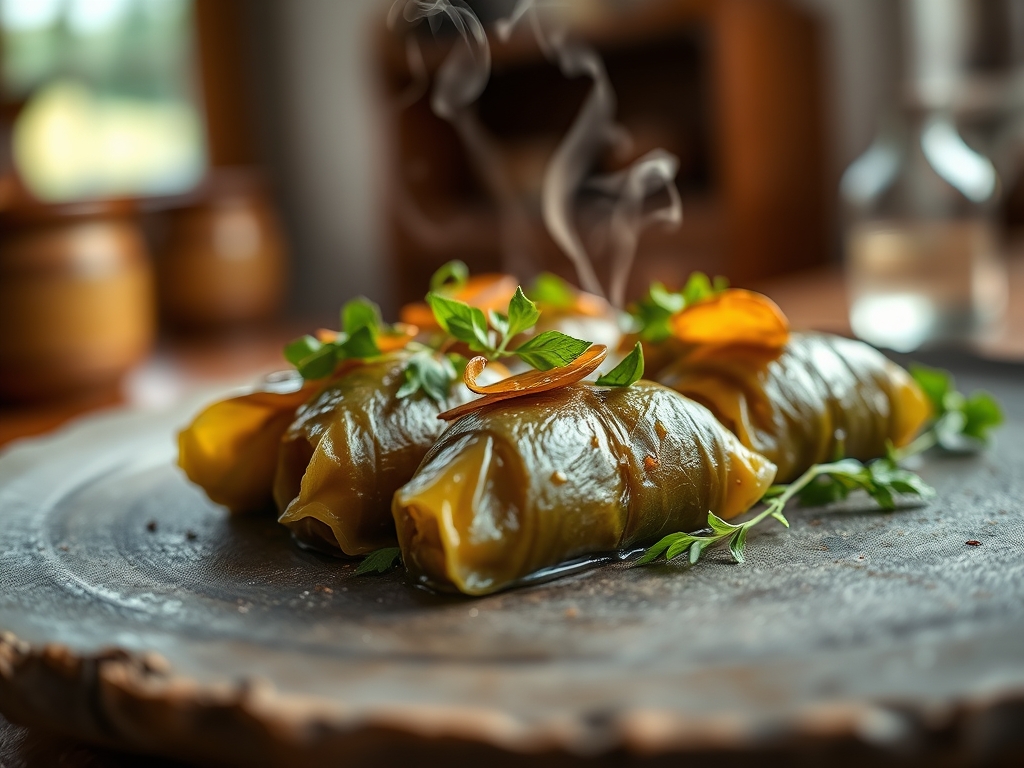
In the Masterclass photo above, observe the deep, forest-green hue of the leaves and the slight glisten from the olive oil. If your dolmades appear dull or grey, they have been overcooked or oxidized. To prevent this, ensure they are fully submerged during the cooking process. If you see "blowouts" where rice is escaping the leaf, your rolling technique was too loose or you overstuffed the envelope. A successful audit results in uniform, cigar-shaped units with a visible sheen. If the oil has separated and looks greasy rather than integrated, you failed to emulsify the lemon and oil properly during the final cooling phase.
THE DEEP DIVE
Macro Nutrition Profile
A single serving (4 dolmades) typically contains 180 calories, 12g of fat (primarily monounsaturated from olive oil), 18g of carbohydrates, and 2g of protein. They are an excellent source of fiber and vitamin K from the vine leaves.
Dietary Swaps
- Vegan: Naturally vegan as written.
- Keto: Replace rice with riced cauliflower. Reduce cooking time by 70% as cauliflower does not require the same hydration levels.
- Grain-Free: Use finely chopped pine nuts and currants for a Paleo-friendly stuffing.
Meal Prep & Reheating Science
Dolmades are structurally superior after 24 hours of refrigeration. The cold temperatures allow the starches to undergo retrogradation, creating a firmer, more satisfying bite. To reheat, steam them for 5 minutes to gently aerate the rice without drying out the leaf. Avoid the microwave, as it causes uneven heating that can rupture the leaf's cellular structure.
THE KITCHEN TABLE
How do I stop the leaves from being tough?
Ensure you blanch fresh leaves or thoroughly rinse brined ones. The simmering process must be long enough (50-60 minutes) to break down the tough cellulose fibers in the leaf.
Can I use long-grain rice instead?
Long-grain rice lacks the necessary starch to bind the filling together. It will result in a "crumbly" interior that falls apart when the leaf is bitten. Stick to short-grain varieties.
Why do my dolmades taste bitter?
Bitterness usually stems from over-chopping the herbs (bruising rather than cutting) or using low-quality olive oil that has gone rancid. Always use fresh, sharp knives for your herbs.
How long do these stay fresh?
When stored in an airtight container with a bit of their cooking liquid, dolmades will maintain their structural and flavor integrity for up to 7 days in the refrigerator.