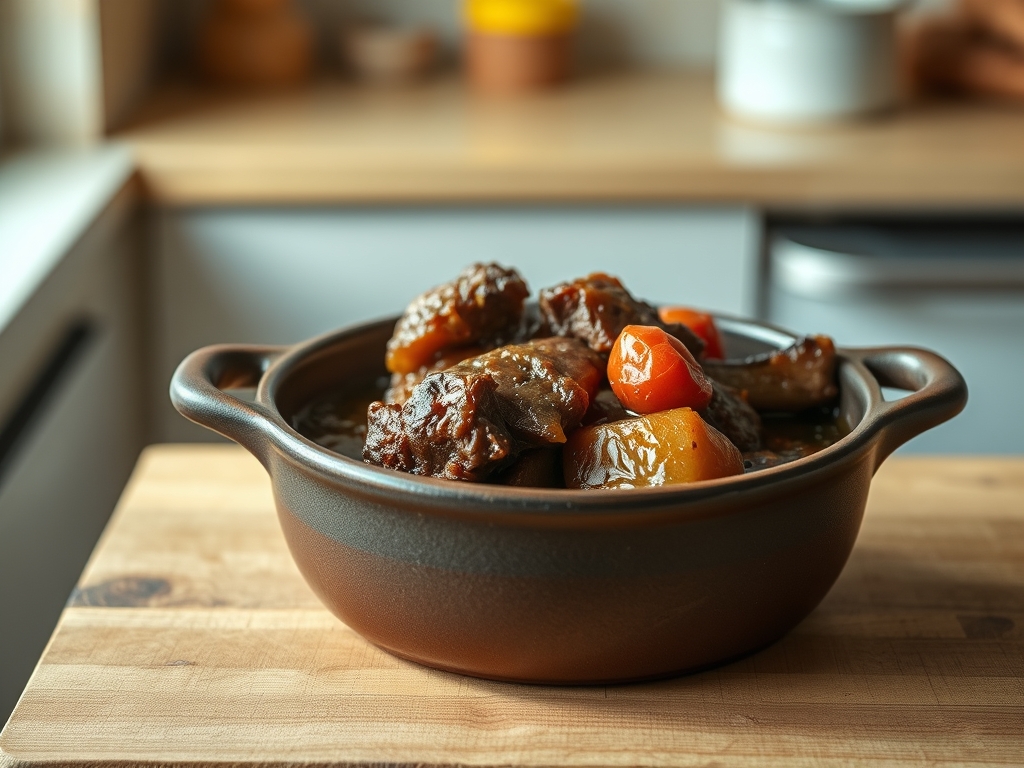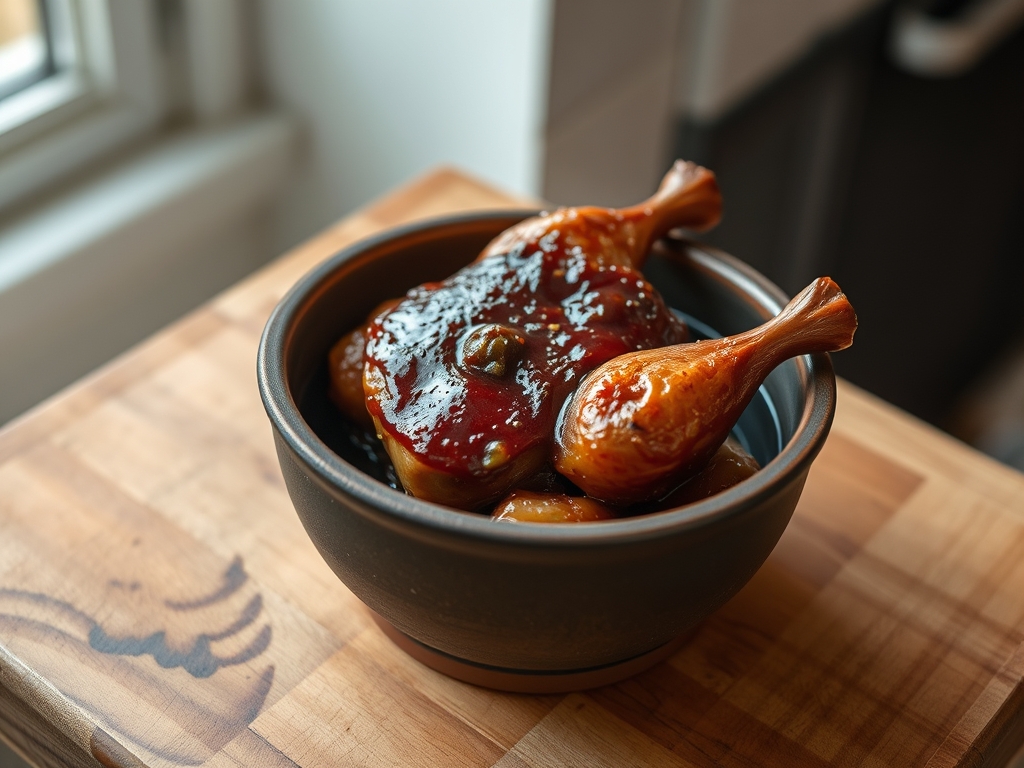
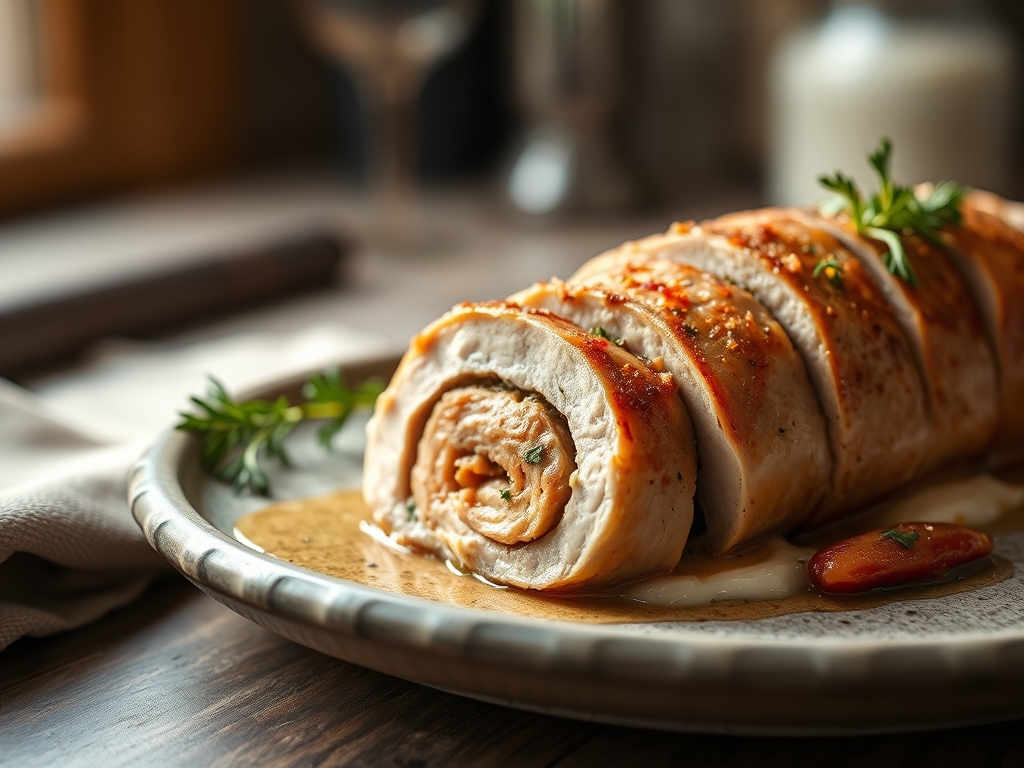
Listen closely because we are about to conduct a high-stakes structural audit on the ultimate centerpiece. We are moving beyond the realm of basic home cooking and into the high-octane world of the Stuffed Pork Loin. This is not merely a roast; it is a precision-engineered cylinder of protein designed to maximize surface area for the Maillard reaction while protecting a moist, flavorful core. When you slice into a perfectly executed Stuffed Pork Loin, you are witnessing the intersection of thermal dynamics and culinary art. The exterior should be a shimmering, lacquered mahogany, yielding to a spiral of succulent meat and vibrant filling. If your previous attempts have resulted in a dry, gray slab or a structural collapse that looks more like a crime scene than a dinner party, your internal sensors are correctly calibrated for an upgrade. We are here to talk about tension, moisture retention, and the absolute necessity of a crisp, rendered fat cap. Let us dive into the telemetry of the perfect roast.
THE DATA MATRIX
| Metric | Specification |
|---|---|
| Prep Time | 45 Minutes |
| Execution Time | 75 Minutes |
| Yield | 8 Portions |
| Complexity (1-10) | 7 |
| Estimated Cost per Serving | $4.50 – $6.00 |
THE GATHERS
Ingredient Protocol:
- 1.8kg / 4lb Center-cut boneless pork loin
- 450g / 1lb Fresh baby spinach, wilted and squeezed dry
- 200g / 7oz Prosciutto di Parma, thinly sliced
- 150g / 5.3oz Sharp provolone or Gruyere, shredded
- 60ml / 0.25 cup Extra virgin olive oil
- 45g / 3 tbsp Unsalted butter, room temperature
- 4 cloves Garlic, microplaned
- 15g / 1 tbsp Fresh rosemary, finely minced
- 10g / 2 tsp Kosher salt
- 5g / 1 tsp Cracked black pepper
- 120ml / 0.5 cup Dry white wine (for deglazing)
Section A: Ingredient Quality Audit:
The most common failure point in a Stuffed Pork Loin is "moisture migration" from the filling into the meat, which creates a soggy internal texture. If your spinach is watery, you must squeegee the cellular moisture out using a clean kitchen towel until it is a dense puck. If the pork loin lacks a significant fat cap, the exterior will dehydrate before the interior reaches the target temperature. In this case, "baste-engineering" is required; apply a thin layer of neutral oil or supplemental lard to the exterior to simulate a natural lipid barrier. If your cheese is pre-shredded, the anti-caking agents will prevent a smooth melt. Always grate from a block to ensure a viscous, cohesive bind within the spiral.
THE MASTERCLASS
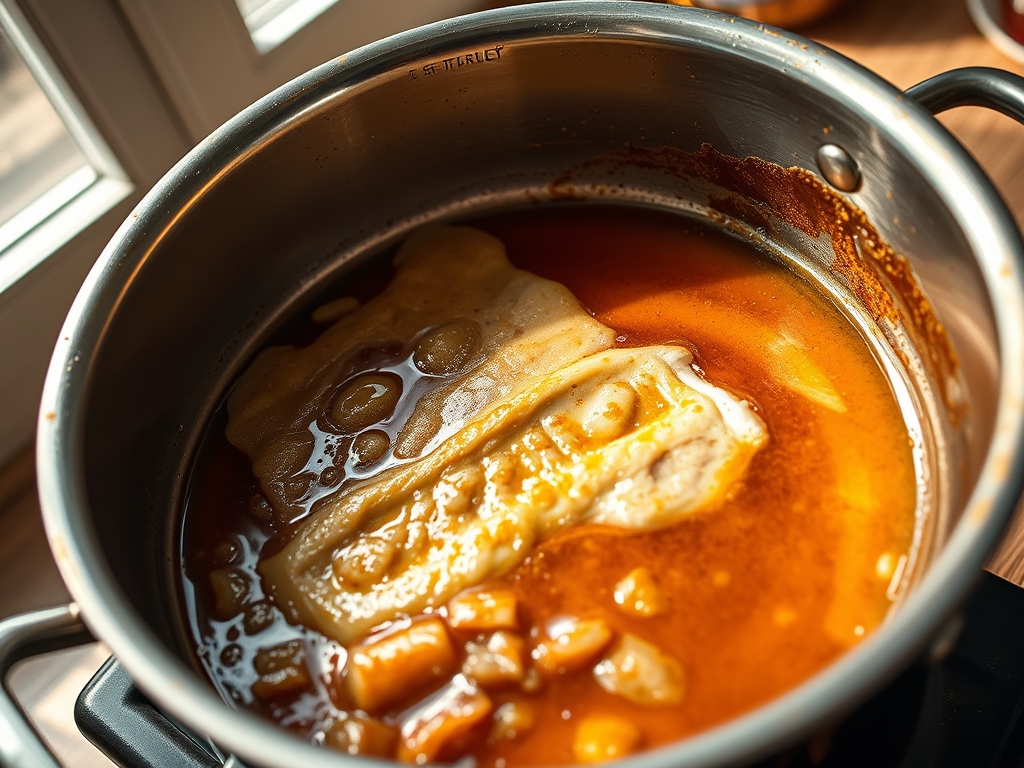
Step 1: The Butterfly Maneuver
Lay the loin flat on a heavy-duty cutting board. Using a sharp 15cm / 6-inch boning knife, make a longitudinal cut about one-third of the way up the side of the meat. Continue cutting inward, unrolling the meat like a scroll, until you have a flat, uniform rectangle of protein. Use a meat mallet to level any structural variances.
Pro Tip: Use a bench scraper to clear your station of any stray connective tissue. Maintaining a flat, even surface area ensures that heat penetrates the meat at a uniform rate, preventing "hot spots" where the meat might overcook.
Step 2: Layering the Payload
Season the interior surface aggressively with salt and pepper. Layer the prosciutto slices first to create a moisture barrier. Spread the wilted spinach and shredded cheese evenly, leaving a 2cm / 0.75-inch border at the edges to prevent "filling blowout" during the rolling phase.
Pro Tip: This is where you infuse flavor into the core. Using a digital scale to weigh your filling components ensures the roll is not so thick that the center remains cold while the exterior reaches the danger zone of over-extraction.
Step 3: Structural Integrity and Trussing
Roll the meat tightly, starting from the long edge. Secure the cylinder with butcher's twine every 2.5cm / 1 inch. The goal is even tension; if the roll is too loose, the juices will escape; if it is too tight, the meat will bulge and cook unevenly. Rub the exterior with the garlic-rosemary butter compound.
Pro Tip: A digital scale isn't just for ingredients; use it to ensure your roast is balanced. Professional chefs use a "surgeon's knot" for the first loop to maintain tension without needing a second pair of hands.
Step 4: The Thermal Launch
Place the roast in a heavy stainless steel roasting pan. Sear the exterior on the stovetop over medium-high heat to initiate the Maillard reaction. Once browned, transfer to a preheated oven at 175C / 350F. Roast until the internal temperature hits 63C / 145F.
Pro Tip: Use a saucier to prepare a pan sauce while the meat rests. By using a high-quality digital thermometer, you avoid the "guess and check" method which leads to catastrophic moisture loss.
Section B: Prep & Timing Fault-Lines:
The greatest risk to your Stuffed Pork Loin is the "carry-over cooking" effect. If you pull the meat at 65C, it will likely climb to 70C while resting, resulting in a chalky texture. You must factor in a 15-minute rest period. During this time, the muscle fibers relax and reabsorb the internal juices. If you cut too early, the viscous internal fats will leak onto the board, leaving the meat parched. Ensure your oven is calibrated with an external probe; internal dials are notoriously inaccurate and can deviate by as much as 15 degrees.
THE VISUAL SPECTRUM
Section C: Thermal & Visual Troubleshooting:
Look at the Masterclass photo above. Notice the deep, even coloration. If your roast looks "patchy" or pale, you likely skipped the stovetop sear or your oven humidity was too high. To fix a dull exterior, increase the heat for the final five minutes and deglaze the pan with white wine to create a steam-flash that tightens the skin. If the spiral looks messy when sliced, your "tensioning" was insufficient during the trussing phase. If the cheese has disappeared, you likely used a low-moisture product that evaporated; next time, opt for a high-fat cheese that maintains its structural presence under heat. The visual goal is a "bullseye" effect where each layer is distinct and vibrant.
THE DEEP DIVE
Macro Nutrition Profile:
A standard 150g serving provides approximately 35g of protein, 18g of fat, and 4g of carbohydrates. The caloric density is high, but the satiety index is exceptional due to the protein-to-fat ratio.
Dietary Swaps:
- Vegan: Replace pork with a large seitan sheet and use a cashew-based "cheese" with sun-dried tomatoes.
- Keto: This recipe is naturally keto-compliant; just ensure your prosciutto has no added sugars.
- GF: Ensure your spices and cheese are processed in a gluten-free facility.
Meal Prep & Reheating Science:
To maintain the molecular structure when reheating, avoid the microwave. The high-frequency waves cause the water molecules to vibrate violently, toughening the protein. Instead, slice the loin and reheat in a covered skillet with 30ml of chicken stock to aerate the meat with gentle steam.
THE KITCHEN TABLE
Why is my pork loin always dry?
You are likely overcooking it. Modern pork is lean and should be pulled at 63C / 145F. Anything higher destroys the delicate cell walls, causing the moisture to evacuate the protein matrix entirely.
Can I use a different cut of meat?
Pork shoulder is an alternative, but it requires a much longer "low and slow" thermal profile to render the high collagen content. For this specific rolling technique, the loin remains the gold standard for structural integrity.
What is the best way to tie the roast?
The "continuous loop" method is preferred by professionals. It creates uniform pressure along the entire longitudinal axis of the asset, ensuring the filling stays trapped and the meat cooks at a perfectly synchronized rate.
How do I get a better crust?
Pat the meat bone-dry with paper towels before applying the fat rub. Moisture is the enemy of the Maillard reaction. If the surface is wet, the meat will steam rather than sear, resulting in a gray, unappealing finish.