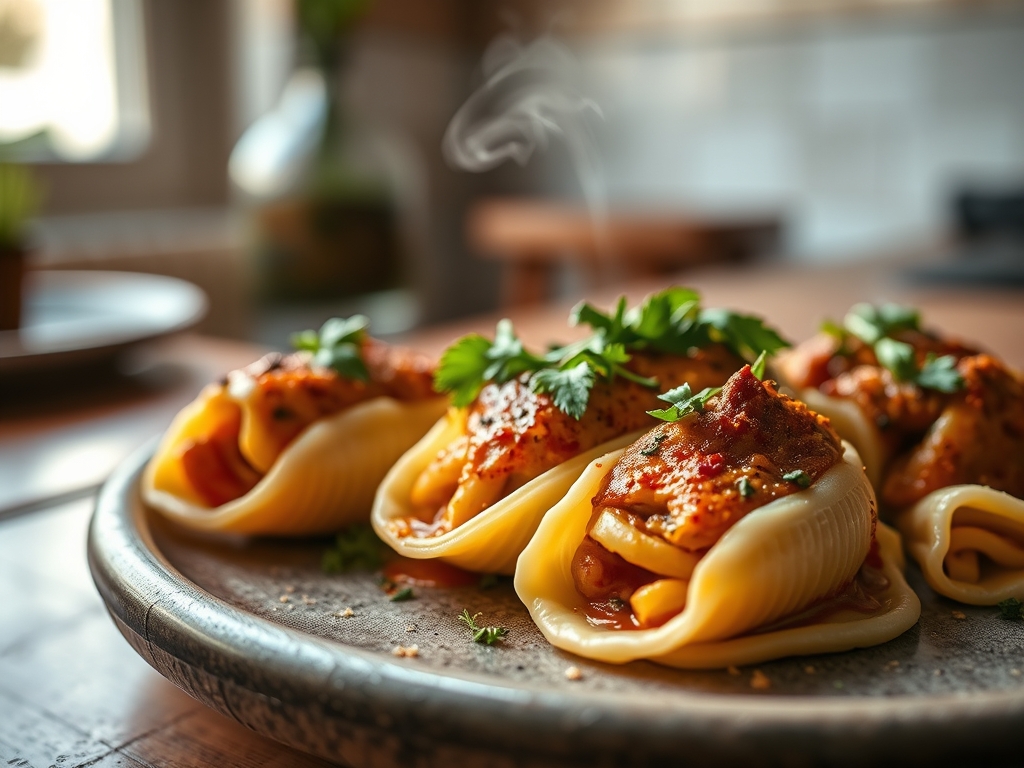
Imagine the structural integrity of a skyscraper built from semolina and ricotta. We are not merely cooking dinner; we are managing a high-stakes engineering project where the primary failure point is thermal collapse. Stuffed Pasta Shells represent the pinnacle of large-phase pasta fills. It is a dish that demands a perfect equilibrium between the structural rigidity of the pasta vessel and the molten, creamy payload within. When executed correctly, the exterior offers a piquant, caramelized bite while the interior remains a lush, aerated cloud of dairy. This is the sensory equivalent of a high-speed chase through a velvet-lined tunnel. We are looking for that specific moment where the Maillard reaction on the cheese crust meets the silky infusion of a slow-simmered marinara. If your shells are weeping water or collapsing into a sodden heap, your infrastructure has failed. It is time to audit your process, recalibrate your ratios, and master the architecture of the bake. Let us build something magnificent.
THE DATA MATRIX
| Metric | Specification |
|---|---|
| Prep Time | 35 Minutes |
| Execution Time | 45 Minutes |
| Yield | 6 Servings (approx. 24 shells) |
| Complexity (1-10) | 4 (Moderate Infrastructure) |
| Estimated Cost per Serving | $2.75 USD |
THE GATHERS
Ingredient Protocol:
- Jumbo Pasta Shells: 340g / 12 oz
- Whole Milk Ricotta Cheese: 900g / 32 oz
- Fresh Mozzarella (shredded): 450g / 16 oz
- Parmigiano-Reggiano (finely grated): 100g / 1 cup
- Large Eggs (room temperature): 2 units
- Fresh Spinach (wilted and squeezed dry): 285g / 10 oz
- Garlic (microplaned): 4 cloves
- Marinara Sauce (high-viscosity): 700ml / 3 cups
- Fresh Basil: 15g / 0.5 oz
- Kosher Salt: 10g / 2 tsp
- Freshly Cracked Black Pepper: 5g / 1 tsp
Section A: Ingredient Quality Audit:
The most common structural failure in Stuffed Pasta Shells is excessive moisture migration. If your ricotta is sitting in a pool of whey, your filling will turn into a grainy soup. Technical Fix: Strain your ricotta through a fine-mesh sieve lined with cheesecloth for at least two hours before mixing. This ensures a viscous consistency that holds its shape under thermal stress. If using frozen spinach, you must render every drop of liquid out using a clean kitchen towel; any residual water will steam the pasta from the inside out, destroying the "al dente" integrity. Finally, avoid pre-shredded cheese. The cellulose coatings used to prevent clumping inhibit a proper melt and prevent the cheese from creating that essential protective seal over the pasta.
THE MASTERCLASS
Step-by-Step Execution:
1. The Al Dente Foundation
Boil your pasta shells in heavily salted water. Aim for two minutes less than the package instructions. Use a digital scale to ensure your salt-to-water ratio is exactly 1 percent. Drain and shock the shells in an ice bath immediately to halt the residual carryover cooking.
Pro Tip: Stopping the cook early allows the pasta to absorb the sauce during the bake without losing its structural rigidity. A bench scraper is excellent for moving large quantities of shells without tearing the delicate semolina walls.
2. The Dairy Matrix Assembly
In a large stainless steel mixing bowl, combine the strained ricotta, half of the mozzarella, the Parmigiano-Reggiano, eggs, garlic, and seasonings. Use a rubber spatula to aerate the mixture. Fold in the dry spinach until evenly distributed.
Pro Tip: The eggs act as a protein binder. As they coagulate during the bake, they transform the loose cheese into a stable, sliceable solid. This prevents the filling from oozing out the moment the shell is pierced by a fork.
3. The Filling Infrastructure
Transfer the cheese mixture into a large pastry bag fitted with a wide circular tip. Pipe the mixture into each cooled shell until they are plump but not bursting.
Pro Tip: Using a piping bag is significantly faster and more hygienic than using a spoon. It ensures a consistent volume in every shell, which is critical for uniform thermal penetration during the baking phase.
4. The Saucier Layering
Spread a thin layer of marinara at the bottom of a heavy ceramic baking dish. Arrange the shells in tight, concentric rows. Top with the remaining sauce and the rest of the shredded mozzarella.
Pro Tip: A heavy ceramic dish provides superior heat retention compared to thin aluminum. This ensures the bottom of the shells infuse with the sauce flavors without scorching.
5. The Thermal Transformation
Cover with foil and bake at 190C / 375F for 20 minutes. Remove the foil and bake for an additional 15 to 20 minutes until the cheese is bubbling and golden brown.
Pro Tip: Removing the foil is essential for the Maillard reaction. This chemical reaction between amino acids and reducing sugars creates the complex, savory flavors and the desirable "crunch" on the cheese crust.
Section B: Prep & Timing Fault-Lines:
Timing is the silent killer of pasta fills. If you boil your shells too early and let them sit, they will stick together and tear. Technical Fix: Toss the cooked, cooled shells in a light coating of olive oil to create a hydrophobic barrier. Furthermore, if you put a cold ceramic dish directly from the fridge into a hot oven, you risk thermal shock and uneven cooking. Always allow the assembled dish to sit at room temperature for 20 minutes before it enters the heat cycle.
THE VISUAL SPECTRUM
Section C: Thermal & Visual Troubleshooting:
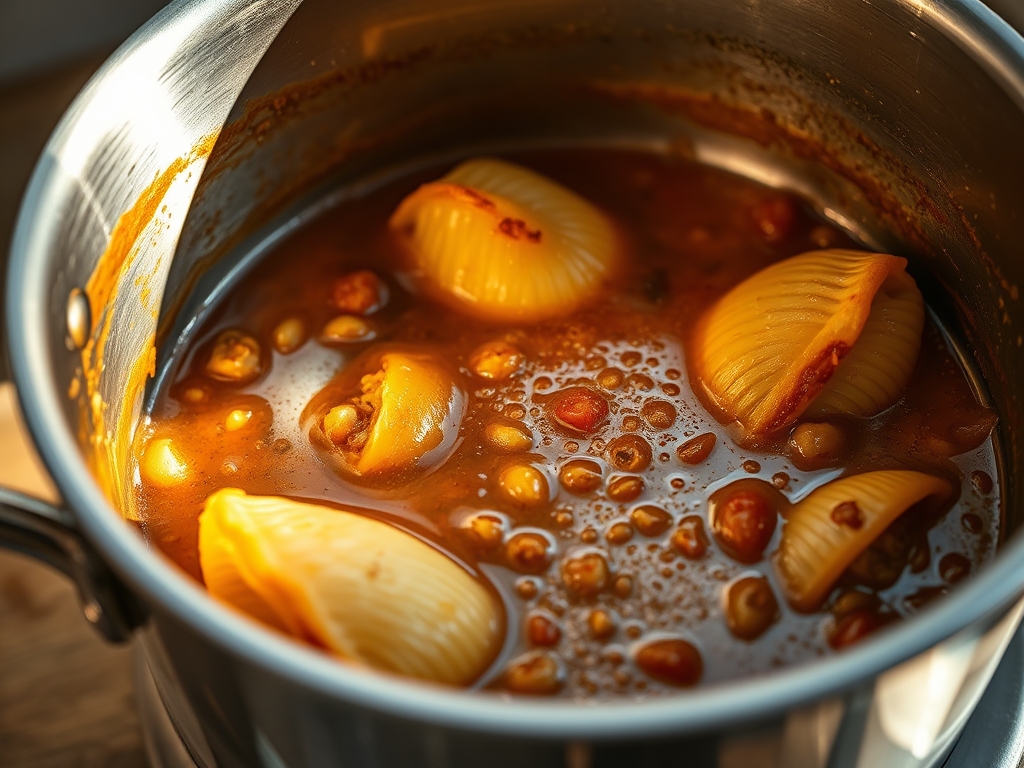
Referencing the Masterclass photo, look for the specific visual cues of success. The cheese should exhibit a mottled, leopard-spot browning pattern; this indicates the fats have properly rendered and the sugars have caramelized. If your cheese is a uniform, pale white, your oven temperature is too low or your rack position is too deep. If the sauce looks watery around the edges, your spinach was not sufficiently dried. The shells should stand upright and hold their "pocket" shape; if they are slumped or flattened, the pasta was overcooked during the initial boil. Finally, a sprinkle of fresh basil should only be added after the bake to prevent the leaves from oxidizing and turning a dull, unappealing black.
THE DEEP DIVE
Macro Nutrition Profile:
A standard serving (4 shells) provides approximately 480 calories. It is a protein-dense option due to the ricotta and mozzarella, offering roughly 25g of protein per serving. Carbohydrates sit at 45g, with fats at 22g. It is a high-energy meal designed for recovery or sustained activity.
Dietary Swaps:
- Vegan: Replace the ricotta with a firm tofu and nutritional yeast blend. Use a flax-egg as the binder and swap mozzarella for a cashew-based melt.
- Keto: Eliminate the pasta shell entirely. Use parboiled cabbage leaves or hollowed-out zucchini boats as the delivery vehicle for the cheese matrix.
- Gluten-Free: Utilize brown rice or corn-based jumbo shells. These require extra care as they are more prone to structural failure when overcooked.
Meal Prep & Reheating Science:
To maintain molecular structure when reheating, avoid the microwave. The localized agitation of water molecules in a microwave will turn the pasta rubbery. Instead, reheat in a 160C / 325F oven with a splash of water and a tight foil lid. This creates a small steam chamber that re-hydrates the starch without compromising the filling's density.
THE KITCHEN TABLE
Why are my shells watery at the bottom?
This is usually caused by "weeping" ricotta or wet spinach. Ensure you strain your cheese and squeeze your greens until they are bone-dry. The sauce should be thick enough to coat a spoon without running off.
Can I assemble this the night before?
Absolutely. In fact, an overnight rest allows the flavors to infuse more deeply. Just ensure the dish reaches room temperature before baking to avoid a cold center and overcooked exterior.
What is the best way to prevent shells from sticking?
After shocking them in cold water, lay them out individually on a baking sheet lined with parchment paper. Do not pile them in a bowl, or the starch will act like glue as they dry.
How do I get that perfect brown crust?
Switch your oven to the broiler setting for the final 2 minutes of the bake. Watch it like a hawk; the transition from golden brown to carbonized black happens in seconds.