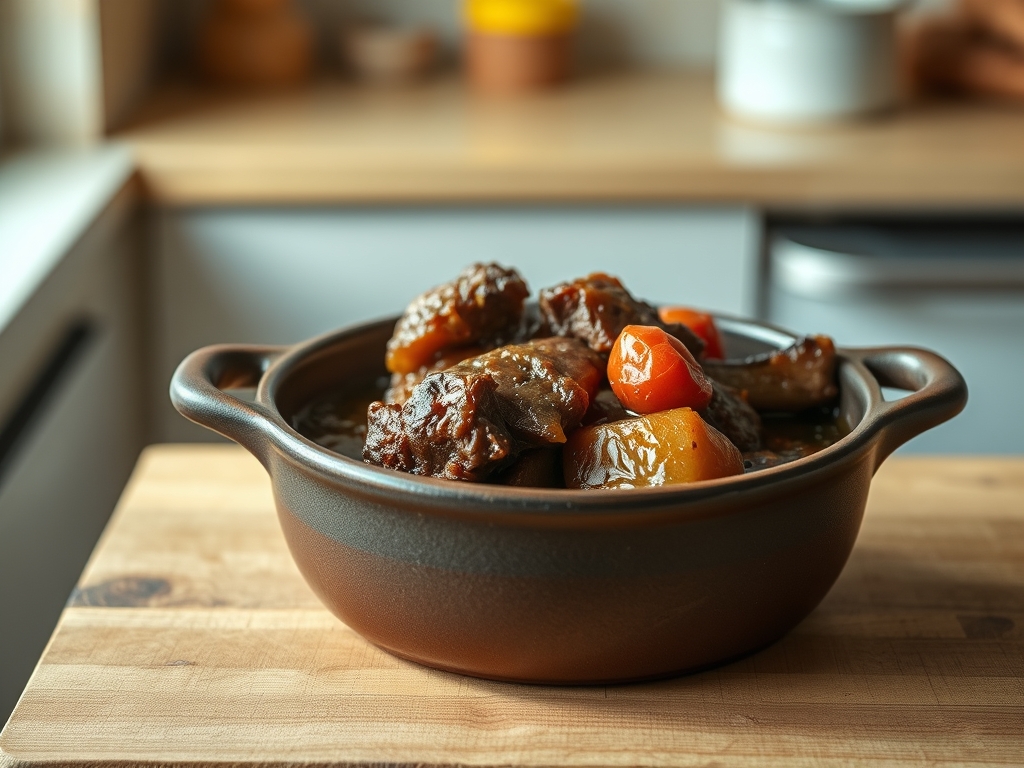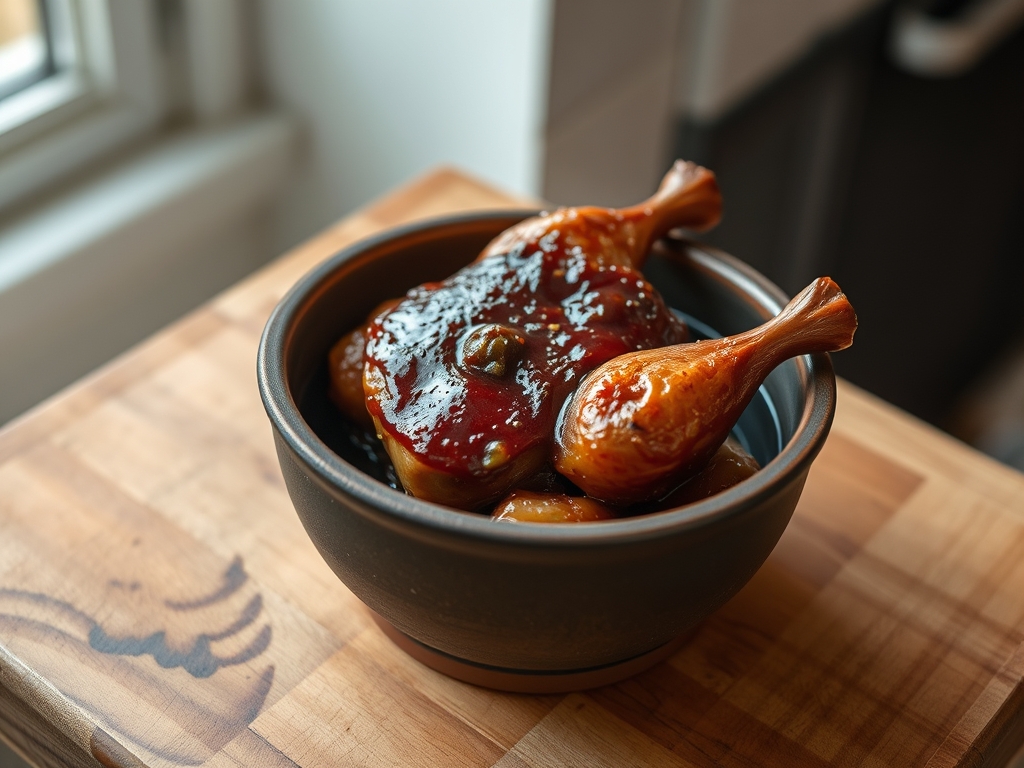
Stop settling for the binary choice between convenience and quality. You have been told for years that the quintessential rib experience requires a sixteen-hour vigil over a temperamental offset smoker; that is a lie propagated by purists who value suffering over efficiency. We are here to talk about the tactical transition from Slow Cooker to Grill. This is not just a shortcut; it is a sophisticated decoupling of two distinct thermal processes. First, we utilize the passive, low-energy environment of the slow cooker to achieve a total collagen-to-gelatin conversion. This ensures a texture that is succulent without being mushy. Second, we introduce a high-velocity direct thermal flux via the grill to initiate the Maillard reaction. This creates a caramelized, charred exterior that provides the necessary structural contrast to the tender interior. By the time you move your rack from the ceramic vessel to the grates, the connective tissue has already surrendered; you are simply there to paint on a viscous glaze and sear in the flavor. It is efficient, it is repeatable, and it is scientifically superior for the modern kitchen.
THE DATA MATRIX
| Metric | Specification |
|---|---|
| Prep Time | 20 Minutes |
| Execution Time | 6 Hours 15 Minutes |
| Yield | 4 Adult Servings |
| Complexity (1-10) | 3 |
| Estimated Cost per Serving | $6.50 – $8.50 |
THE GATHERS
Ingredient Protocol:
- 2.2 kg / 5 lbs Pork Baby Back Ribs (approx. 2 full racks)
- 15 g / 1 tbsp Smoked Paprika (Pimenton)
- 30 g / 2 tbsp Dark Brown Sugar
- 10 g / 2 tsp Garlic Powder
- 5 g / 1 tsp Onion Powder
- 3 g / 0.5 tsp Cayenne Pepper
- 250 ml / 1 cup Apple Cider Vinegar
- 125 ml / 0.5 cup Low-Sodium Soy Sauce
- 350 ml / 1.5 cups High-Quality BBQ Sauce
- 15 ml / 1 tbsp Liquid Smoke (Hickory or Mesquite)
Section A: Ingredient Quality Audit:
If your ribs arrive with a thick, opaque silverskin (the elastin membrane on the bone side), do not proceed until it is removed. A sub-par membrane will prevent spice penetration and create a rubbery texture that no amount of heat can fix. Use a bench scraper or a butter knife to lift the edge and pull it away with a paper towel for grip. If your dry rub feels clumpy, the sugar has absorbed too much moisture; sifting it through a fine-mesh strainer will aerate the mixture and ensure an even distribution of capsaicin and sweetness. Finally, if your BBQ sauce is too thin, it will run off the meat rather than adhering. Simmer it in a saucier for ten minutes before the grilling phase to increase its viscosity.
THE MASTERCLASS
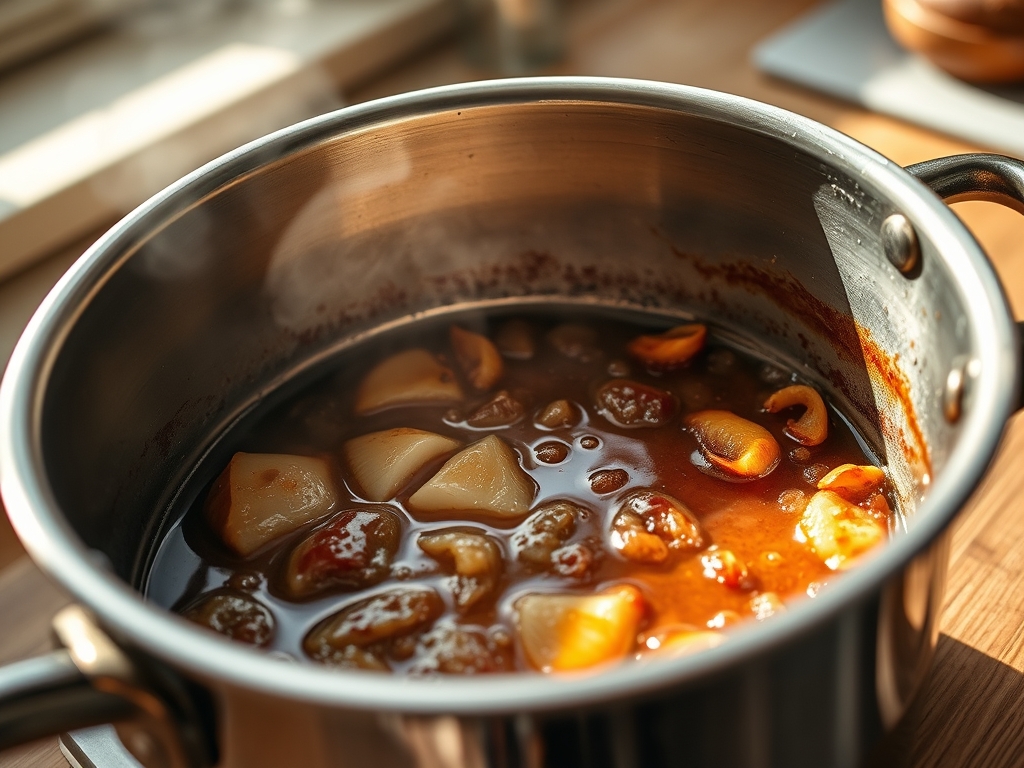
Step 1: The Dry Rub Saturation
Apply your spice blend aggressively to both sides of the ribs. Use a digital scale to ensure your salt-to-sugar ratio is precise; this prevents the rub from becoming overly acrid during the final sear. Massage the spices into the meat to ensure they infuse the surface layers before the moisture release begins.
Pro Tip: This phase utilizes osmotic pressure to draw seasoning into the muscle fibers. By using a bench scraper to clean your workspace after seasoning, you prevent cross-contamination and ensure a sterile environment for the next phase.
Step 2: Passive Thermal Processing
Place the ribs in the slow cooker, standing them on their side and curling them around the perimeter if necessary. Pour the apple cider vinegar and soy sauce into the bottom. Set the unit to "Low" for 5 to 6 hours. You are looking for the meat to recede from the bone by approximately 1.5 centimeters.
Pro Tip: The low and slow environment allows the collagen to render into gelatin without boiling the proteins. Using a digital thermometer, ensure the internal temperature reaches 88C / 190F for optimal tenderness.
Step 3: The Glaze Reduction
While the ribs finish their passive cook, combine the BBQ sauce and liquid smoke in a saucier. Whisk over medium heat until the sauce is reduced by twenty percent. This creates a concentrated, piquant coating that will cling to the meat during the high-heat phase.
Pro Tip: Reducing the sauce increases the sugar concentration, which accelerates the Maillard reaction once the ribs hit the grill. A saucier with rounded edges is essential here to prevent the sugars from scorching in the corners of the pan.
Step 4: Direct Thermal Flux
Carefully extract the ribs from the slow cooker. They will be fragile. Place them on a preheated grill over medium-high heat. Brush generously with the reduced glaze. Grill for 3 to 5 minutes per side until the sauce bubbles and develops dark, charred patches.
Pro Tip: This is the "Direct" portion of the flux. The high heat flash-caramelizes the sugars. Use a wide spatula rather than tongs to move the ribs; at this stage, the structural integrity is low, and tongs may cause the rack to snap.
Section B: Prep & Timing Fault-Lines:
The most common failure in the Slow Cooker to Grill pipeline is over-cooking in the first stage. If the meat is literally falling off the bone before it hits the grill, you cannot flip it without it disintegrating. If you find yourself in this situation, do not use the grill; instead, use your oven's broiler on high for 4 minutes to set the glaze. Another fault-line is temperature shock. If you take ribs directly from a cold fridge to a high-heat slow cooker, the outer muscles may toughen before the interior warms. Always allow the meat to sit at room temperature for 20 minutes before the rub application.
THE VISUAL SPECTRUM
Section C: Thermal & Visual Troubleshooting:
Look at the Masterclass photo above. Notice the deep mahogany hue and the specific "lacquered" sheen. If your ribs look grey or dull, you likely skipped the soy sauce or didn't use enough sugar in the rub; these provide the precursors for browning. If the sauce is sliding off and pooling on the plate, your grill wasn't hot enough to "set" the glaze. The visual cue for readiness is "the bubble." When the sauce begins to pin-prick bubble and turn from bright red to a dark brick color, the Maillard reaction is peaking. If you see black, acrid smoke, your sugar is burning; move the ribs to a cooler zone of the grill immediately.
THE DEEP DIVE
Macro Nutrition Profile
Per serving (approx. 350g):
- Calories: 740 kcal
- Protein: 48g
- Fats: 52g (Saturated: 18g)
- Carbohydrates: 22g (primarily from glaze sugars)
- Sodium: 1,150mg
Dietary Swaps
- Vegan: Replace pork with large "slabs" of cauliflower or seitan. Reduce slow cooker time to 2 hours to avoid total structural collapse.
- Keto: Replace brown sugar with an erythritol-based sweetener and use a sugar-free BBQ sauce.
- GF: Ensure the soy sauce is replaced with Tamari or liquid aminos to avoid gluten contamination.
Meal Prep & Reheating Science
To maintain the molecular structure during reheating, do not use a microwave. Microwaves vibrate water molecules, which can turn the gelatin back into a watery mess and toughen the protein. Instead, wrap the ribs in foil with a tablespoon of apple juice and heat in a 150C / 300F oven. This creates a mini-steam chamber that restores moisture without stripping the caramelized exterior.
THE KITCHEN TABLE
Can I do this in 3 hours on "High"?
You can, but you shouldn't. High heat in a slow cooker can cause the proteins to contract too quickly, resulting in "tough" tender meat. The low setting is essential for the slow render of connective tissue.
Why use soy sauce in the base?
Soy sauce provides umami-rich glutamates and salt. It acts as a brine during the passive phase, ensuring the interior of the meat is seasoned, not just the surface. It also aids in the final browning.
My ribs are too dry. What happened?
You likely over-rendered the fat or left them on the grill too long. The grill phase is for color and crust only; the cooking is already done. Keep the grill time under 10 minutes total.
Can I use the slow cooker liquid for sauce?
Yes, but you must deglaze and strain it. The liquid will be fatty. Run it through a fat separator, then reduce it in a saucier until it reaches a viscous consistency before adding it to your BBQ sauce.