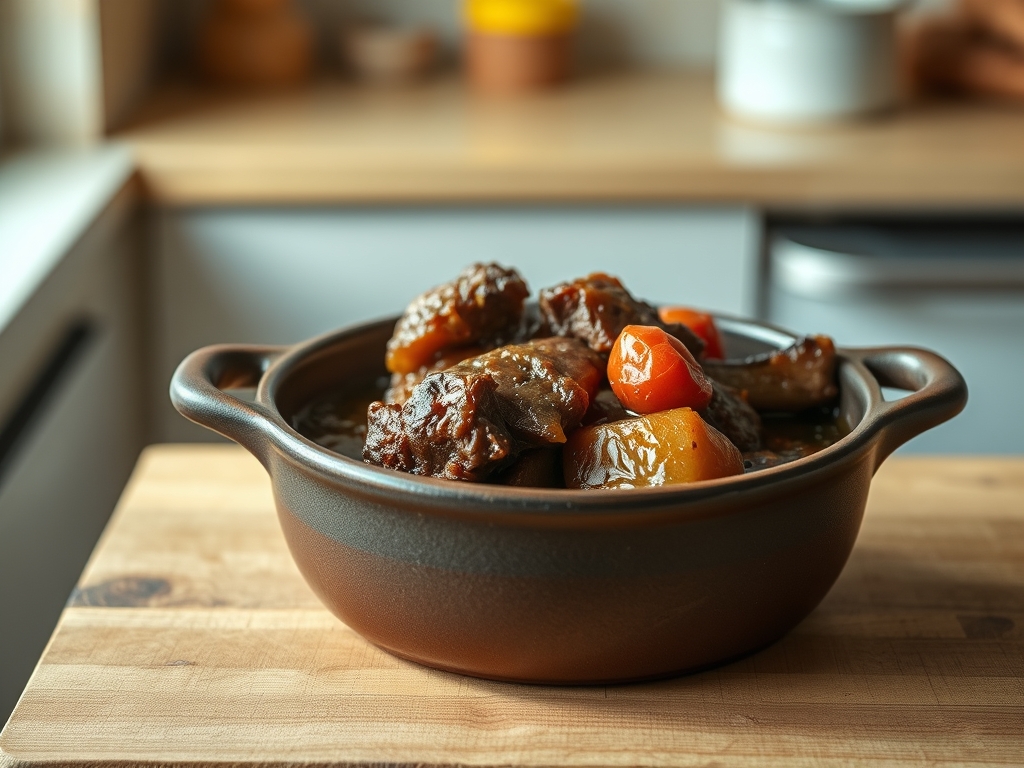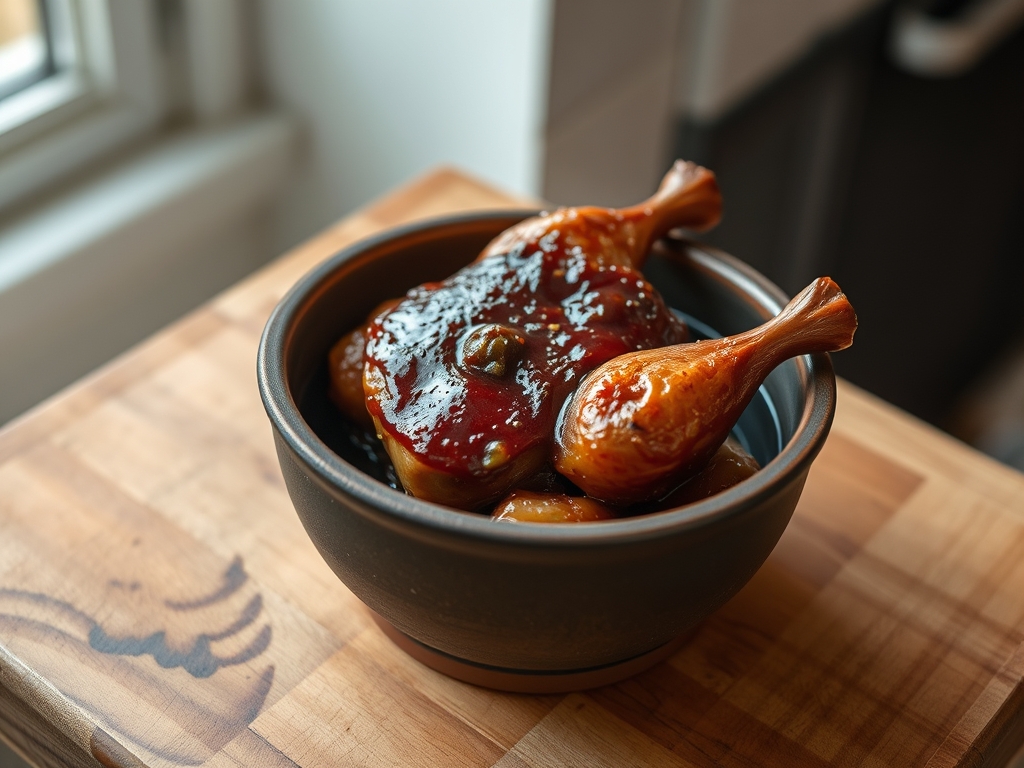
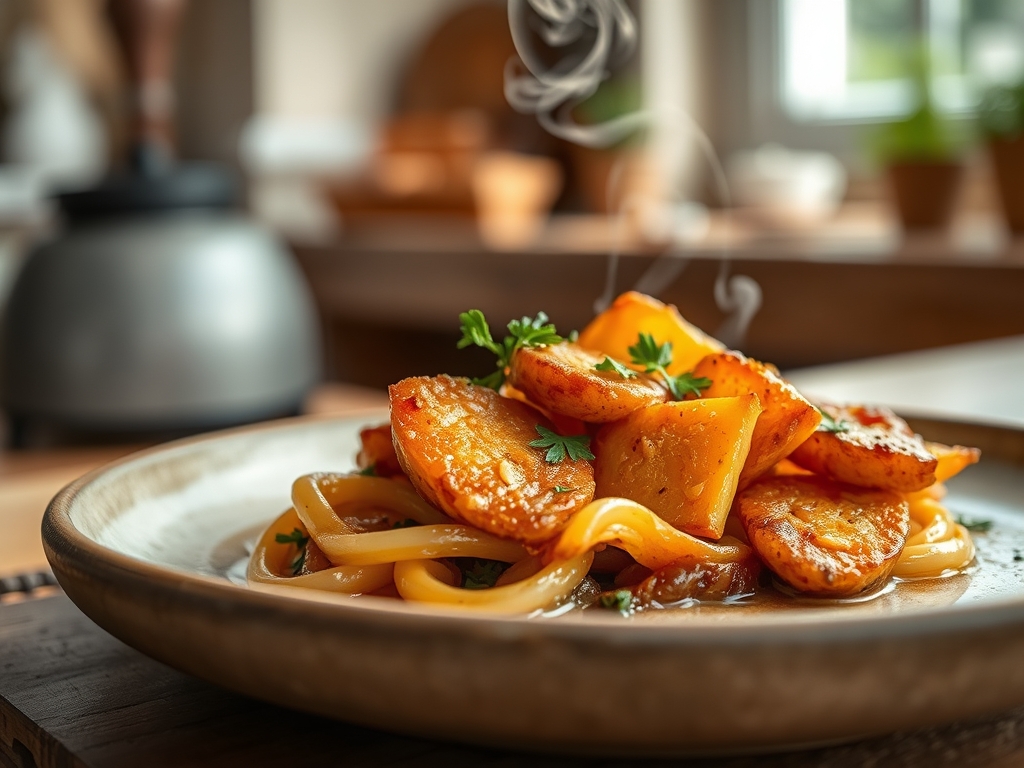
Listen to the high frequency whistle of trapped steam and the subsequent roar of fat hitting a hot metal surface. This is the sound of a culinary paradigm shift. We are moving beyond the sluggish, all day braise into the high velocity realm of the Pressure to Sauté cycle. In this audit, we analyze the structural transformation of pork shoulder from a collagen dense block into succulent, caramelized fragments in under an hour. Most home cooks fail because they treat these two phases as separate events. They lack the technical discipline to bridge the gap between hydrolysis and the Maillard reaction. By mastering the Pressure to Sauté transition, you are essentially hacking the laws of thermodynamics. You use extreme atmospheric force to break down connective tissue, then pivot instantly to intense dry heat to render fat and develop a complex crust. This is not just cooking; it is a thermal intervention. Prepare to calibrate your sensors as we deconstruct the most efficient pork protocol ever engineered for the modern kitchen.
THE DATA MATRIX
| Metric | Specification |
|---|---|
| Prep Time | 15 Minutes |
| Execution Time | 45 Minutes |
| Yield | 6 Servings |
| Complexity (1-10) | 4 |
| Estimated Cost per Serving | $2.75 USD |
THE GATHERS
Ingredient Protocol:
- 1.4 kg / 3 lbs Pork Shoulder (Boston Butt), cubed into 2 inch segments.
- 500 ml / 2 cups Chicken Bone Broth (high gelatin content).
- 60 ml / 1/4 cup Soy Sauce (for umami depth).
- 30 ml / 2 tbsp Apple Cider Vinegar (to brighten the viscous sauce).
- 45 g / 3 tbsp Brown Sugar (for rapid caramelization).
- 4 Large Garlic Cloves, smashed.
- 10 g / 2 tsp Smoked Paprika.
- 5 g / 1 tsp Red Pepper Flakes (to infuse heat).
- 15 ml / 1 tbsp Neutral Oil (High Smoke Point).
Section A: Ingredient Quality Audit:
The primary failure point in this protocol is the moisture content of the protein. If your pork is "enhanced" with a saline solution (common in supermarket brands), the excess water will prevent a clean render. To fix this, salt the meat 30 minutes prior to execution and pat it dry with lint free towels. If your bone broth lacks body, it will not produce a viscous glaze during the final reduction. The technical fix is to whisk in 5g of unflavored gelatin before the pressure phase to simulate a long term collagen breakdown. Finally, if your spices are older than six months, they have lost their volatile oils. Toast them in a dry saucier for 60 seconds before adding them to the vessel to reactivate their aromatic compounds.
THE MASTERCLASS
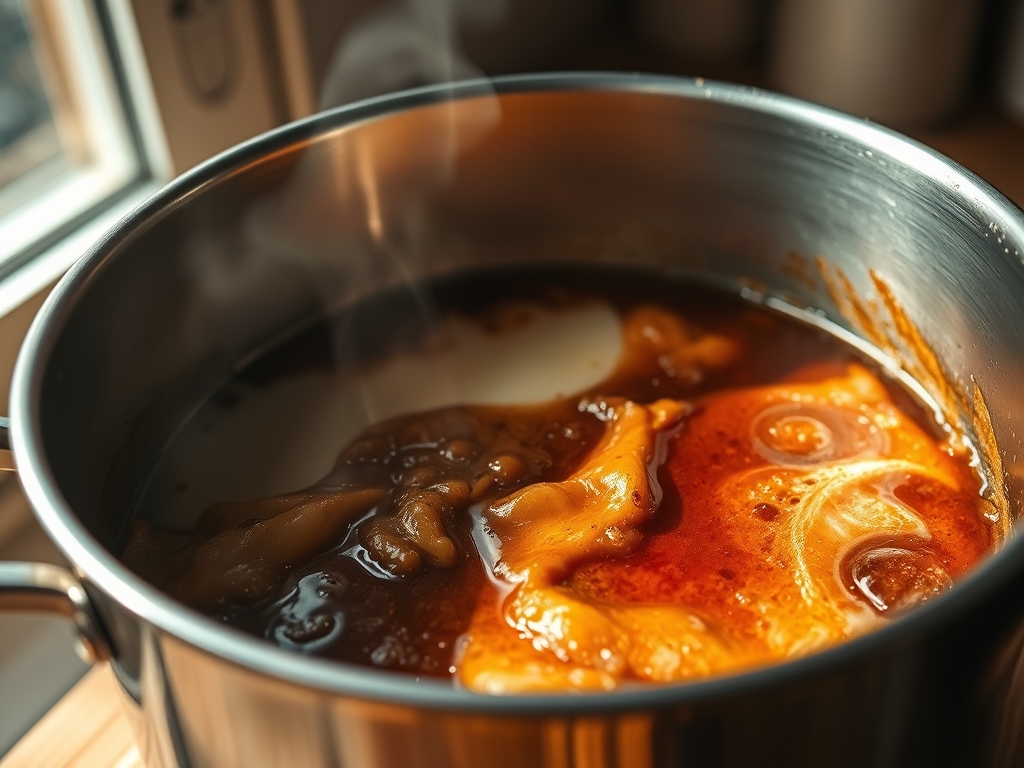
1. The Atmospheric Breakdown
Load your cubed pork and the liquid aromatics into the pressure vessel. Ensure the sealing ring is seated perfectly using your fingers to check for gaps. Set the unit to High Pressure for 35 minutes. This stage focuses on the rapid hydrolysis of collagen into gelatin.
Pro Tip: Use a digital scale to measure your liquids rather than volume cups. Accuracy in hydration ratios ensures that you have enough liquid to reach pressure without burning, but not so much that the final reduction takes an eternity.
2. The Controlled Depressurization
Once the timer expires, perform a manual steam release. Use a long utensil to toggle the valve to avoid thermal burns. The meat should be tender enough to yield to a bench scraper but not yet falling apart into mush.
Pro Tip: Sudden pressure drops can "boil" the moisture out of the muscle fibers. By allowing the steam to vent steadily, you preserve the internal succulence of the pork while preparing the surface for the next phase.
3. The Sauté Transition and Reduction
Switch the vessel to the "Sauté" or "Browning" function at the highest setting. This is the critical Pressure to Sauté pivot. The liquid will begin to boil violently. As the water evaporates, the sugars and proteins will concentrate into a piquant syrup.
Pro Tip: Use a heavy bottomed saucier if transferring from a standalone pressure cooker to a stovetop. The flared sides of a saucier increase surface area, which accelerates evaporation and allows for more efficient whisking.
4. The Final Maillard Sear
As the liquid disappears, the pork will begin to fry in its own rendered fat. Do not stir constantly. Allow the meat to sit undisturbed for 90 seconds at a time to develop a deep, mahogany crust. Deglaze any burnt bits (fond) with a splash of vinegar or broth to incorporate that flavor back into the meat.
Pro Tip: This is where the Maillard reaction occurs. The amino acids and reducing sugars transform into hundreds of different flavor compounds. Watch for the fat to turn translucent and the edges of the pork to become crispy and jagged.
Section B: Prep & Timing Fault-Lines:
Timing errors usually occur during the depressurization phase. If you leave the meat in the "Keep Warm" setting for too long, the residual heat will overcook the exterior while the interior remains dry. Another common fault is overcrowding the pan during the sauté phase. If the pork is piled too high, it will steam rather than sear. Work in batches if necessary. Use an infrared thermometer to ensure your pan surface reaches at least 175C (350F) before you begin the final browning phase. If the temperature is too low, the meat will stick and tear.
THE VISUAL SPECTRUM
Section C: Thermal & Visual Troubleshooting:
Referencing the Masterclass photo, your pork should exhibit a "lacquered" appearance. If the meat looks grey or dull, you likely had too much residual liquid; continue the sauté phase until the sauce clings to the protein like a second skin. If the browning is uneven, it indicates poor heat distribution or irregular cube sizes. Use a sharp chef knife to ensure all pieces are uniform 2 inch cubes. If the sauce breaks and looks greasy, the heat was too high; remove from the flame and whisk in a teaspoon of water to aerate and re-emulsify the fats. The final product should have a vibrant, reddish brown hue with visible "bark" on the edges.
THE DEEP DIVE
Macro Nutrition Profile
Per serving, this dish provides approximately 340 calories, 28g of protein, 22g of fat, and 6g of carbohydrates. The high protein content makes it an excellent recovery meal, while the fat provides sustained satiety.
Dietary Swaps
- Vegan: Replace pork with extra firm tofu or seitan. Skip the pressure phase and move directly to the sauté phase with a cornstarch slurry.
- Keto: Eliminate the brown sugar and use a monk fruit sweetener or simply rely on the natural sweetness of the reduced onions and garlic.
- GF: Swap soy sauce for liquid aminos or tamari to ensure the dish is gluten free.
Meal Prep & Reheating Science
To maintain the molecular structure, store the pork in an airtight container with any remaining glaze. When reheating, avoid the microwave as it vibrates water molecules too violently, toughening the protein. Instead, use a pan over medium heat with a tablespoon of broth. This re-hydrates the gelatin and restores the viscous texture of the sauce without sacrificing the crust.
THE KITCHEN TABLE
Why is my pork tough after the pressure phase?
The connective tissue hasn't fully broken down. Ensure you are using a high collagen cut like shoulder. If it is still tough, add 5 minutes to the pressure cycle. Under-cooking is the most common cause of "rubbery" pork.
Can I use pork loin instead of shoulder?
Technically yes, but it is not recommended. Loin lacks the fat and collagen required for this specific Pressure to Sauté protocol. It will likely become dry and stringy under high pressure before it ever reaches the browning stage.
What if the sauce is too salty?
This happens if the reduction goes too far. Balance the sodium by adding a splash of apple cider vinegar or a squeeze of lime. The acidity cuts through the salt and the fat, re-balancing the flavor profile instantly.
How do I get a better crust?
Patience is the technical requirement. After the liquid has reduced, stop stirring. Let the pork fry in the rendered fat until it naturally releases from the bottom of the pan. This indicates a perfect Maillard crust has formed.