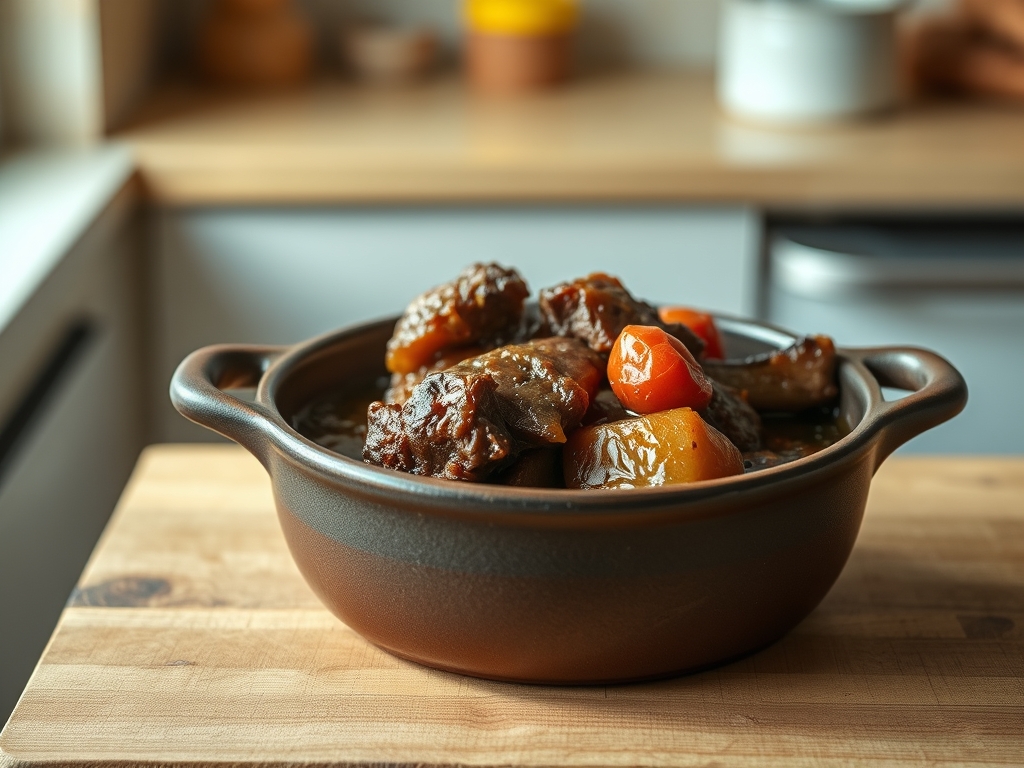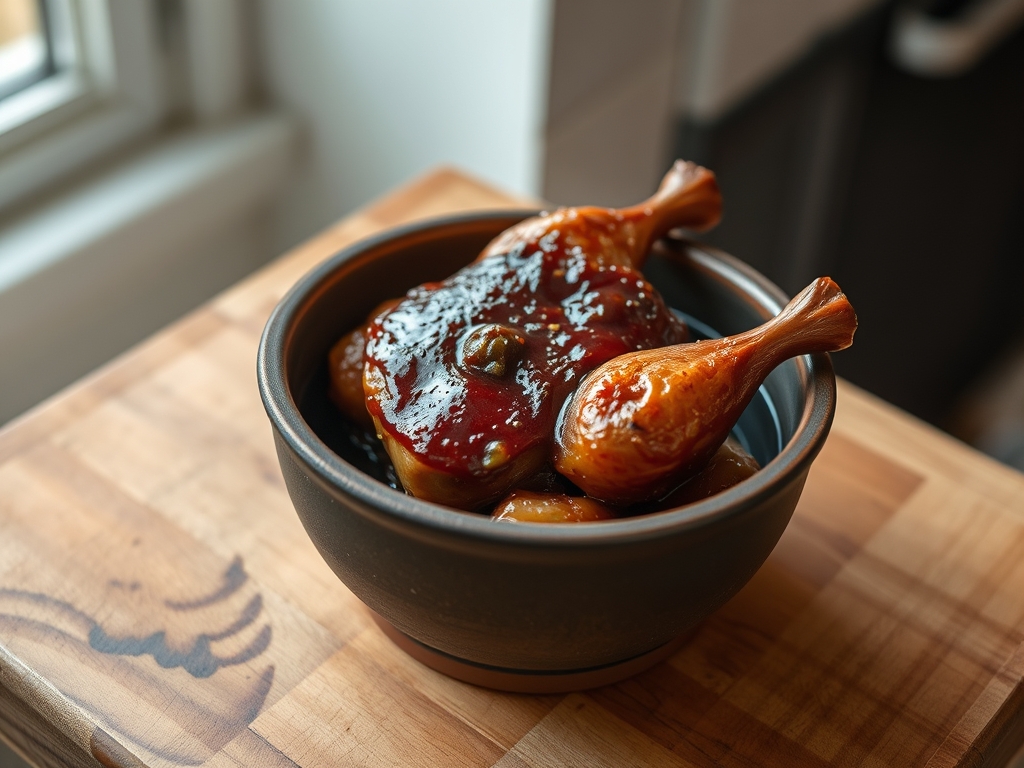
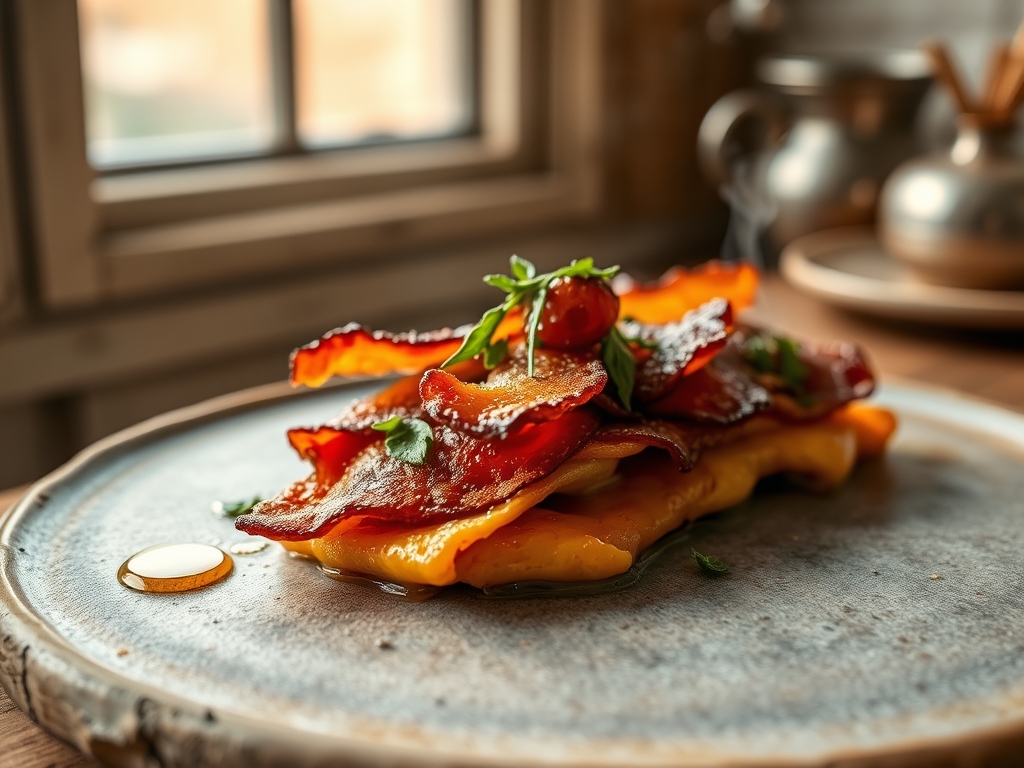
Listen closely because we are about to dissect the most volatile intersection in the culinary landscape. We are operating at the razor edge of flavor engineering where porcine lipids collide with forest-derived sucrose. This is not a casual breakfast side; this is an exercise in Maple Bacon Physics. When you introduce a high-viscosity sugar solution to a matrix of striated muscle and intramuscular fat, you are initiating a high-stakes thermodynamic gamble. The goal is simple yet elusive: achieving a glass-like lacquer that shatters upon impact while the underlying protein remains supple and piquant. If your temperature modulation is off by even five degrees, you transition from a perfect crystalline glaze to a scorched, acrid carbon mess. We are here to audit the variables, stabilize the reactions, and ensure that every micron of surface area undergoes the Maillard reaction with surgical precision. Strap in, calibrate your sensors, and prepare to manipulate the very molecular structure of breakfast.
THE DATA MATRIX
| Metric | Specification |
|---|---|
| Prep Time | 10 Minutes |
| Execution Time | 25 Minutes |
| Yield | 4 Servings |
| Complexity (1-10) | 6 |
| Estimated Cost per Serving | $3.50 |
THE GATHERS
Ingredient Protocol:
- 450g / 1 lb Thick-cut center-bonded bacon
- 120ml / 0.5 cup Grade A Dark Maple Syrup
- 30g / 2 tbsp Light brown sugar (packed)
- 5ml / 1 tsp Apple cider vinegar
- 2g / 0.5 tsp Smoked paprika
- 1g / 0.25 tsp Cayenne pepper
- 1g / 0.25 tsp Coarse black pepper
Section A: Ingredient Quality Audit:
The primary failure point in this protocol is the moisture content of the bacon. If your pork is "water-added" or pumped with phosphates, the steam released during heating will prevent the maple sugars from bonding to the fat. To fix sub-par, watery bacon, pre-roast the strips on a wire rack at 150C for five minutes to desiccate the surface before applying the glaze. Secondly, if your maple syrup is "pancake syrup" (high fructose corn syrup), abort the mission. The lack of complex wood-fired minerals means it will burn before it caramelizes. Only use 100 percent pure maple syrup to ensure the correct viscous profile for adhesion.
THE MASTERCLASS
Step-by-Step Execution:
1. Thermal Calibration and Surface Prep
Preheat your convection-assisted oven to 190C (375F). Line a heavy-duty sheet pan with parchment paper and set a stainless steel cooling rack on top. Use your digital scale to measure the dry spices and sugars into a small stainless steel saucier. Lay the bacon strips across the rack, ensuring they do not overlap; overlapping creates "cold spots" where the fat cannot render effectively.
Pro Tip: Elevating the meat on a rack allows for 360-degree hot air circulation. This prevents the bacon from simmering in its own rendered grease, which would otherwise dilute the sugar concentration and ruin the Maple Bacon Physics.
2. Glaze Synthesis and Emulsification
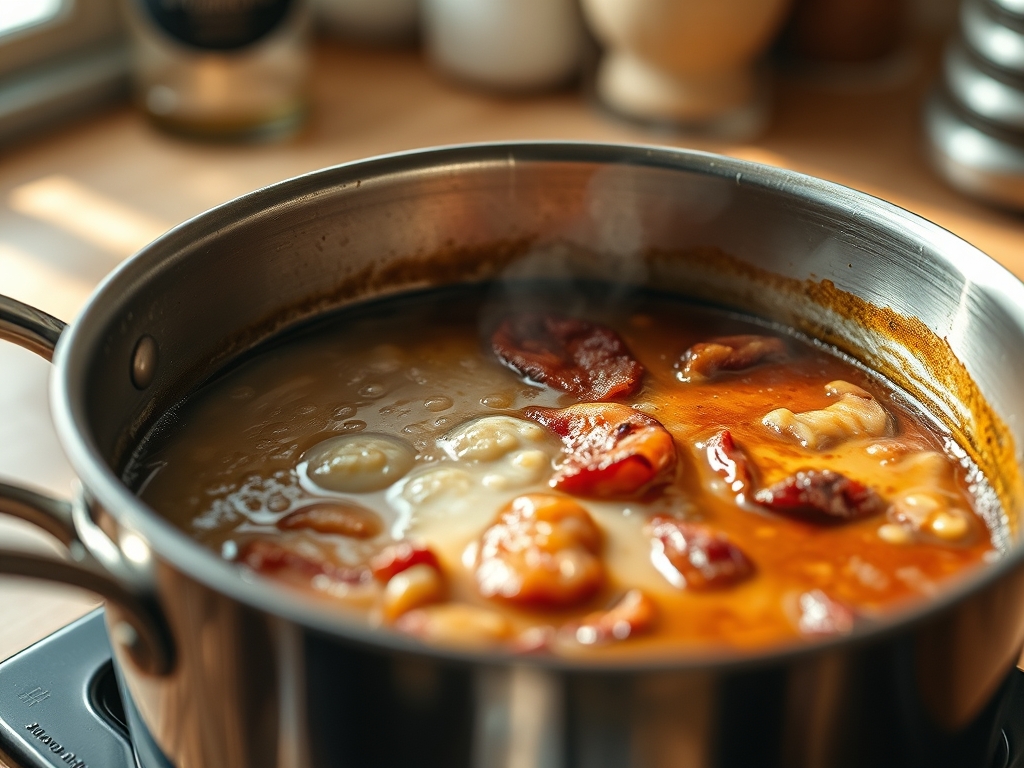
Combine the maple syrup, brown sugar, vinegar, and spices in the saucier over low heat. Use a silicone whisk to infuse the flavors. The acidity in the vinegar is crucial; it breaks down the sucrose into invert sugars, which are less likely to crystallize into a grainy mess. Heat until the mixture begins to simmer and slightly thickens.
Pro Tip: The addition of a piquant acid like apple cider vinegar reduces the "cloying" sensation of the sugar. This creates a balanced pH profile that enhances the savory notes of the cured pork.
3. The Primary Application
Using a silicone basting brush, apply a thin, even layer of the glaze to the top side of each bacon strip. Do not saturate the meat yet. Place the pan in the center of the oven. At this stage, we are looking to initiate the Maillard reaction while the fat begins its initial breakdown.
Pro Tip: A silicone brush is superior to a natural bristle brush here because it does not absorb the glaze. This ensures you are applying a precise millimetric layer, which is essential for uniform heat distribution.
4. The Flip and Re-Glaze
After 12 minutes, remove the pan. Use a bench scraper or long tongs to flip each strip. Apply a second, more generous layer of glaze to the reverse side. Return to the oven for another 8 to 10 minutes. Watch for the transition from bubbling liquid to a stable, tacky resin.
Pro Tip: Monitoring the bubble size is key. Large, slow-popping bubbles indicate that water is still evaporating. Small, rapid bubbles mean the sugar concentration is reaching the "hard crack" stage.
5. The Crystalline Set
Remove the bacon from the oven when it is deep mahogany but not black. Move the rack to a cool surface immediately. Let the bacon rest for exactly three minutes. During this phase, the sugars will transition from a liquid state to a solid, brittle lattice.
Pro Tip: If you leave the bacon on the hot sheet pan, the residual heat will continue to cook the sugars. Moving the rack to a cool zone stops the thermal process instantly, locking in the molecular structure.
Section B: Prep & Timing Fault-Lines:
Timing errors usually stem from a failure to account for "carry-over" cooking. Sugar holds heat significantly longer than protein. If the bacon looks "perfect" in the oven, it is already overdone. You must pull the tray when the glaze is still slightly fluid. Another common fault is improper temperature control; if your oven runs hot, the sugar will carbonize before the fat renders. Use an independent oven thermometer to verify your internal environment. If the bacon is curling excessively, use a second wire rack placed on top of the meat to weigh it down during the first 10 minutes of the audit.
THE VISUAL SPECTRUM
Section C: Thermal & Visual Troubleshooting:
Referencing the Masterclass photo, your target is a "High-Gloss Mahogany." If your bacon appears matte or dull, you likely under-applied the syrup or the oven was too cold to trigger the glaze's refractive properties. If the edges are black while the center is pale, your rack was too close to the heating element. To fix uneven browning, rotate the pan 180 degrees halfway through the process. The visual cue for success is a "shatter-point" surface; when you bend a strip, the glaze should crack like glass rather than stretching like taffy. If it is sticky, it needs another 90 seconds of thermal exposure.
THE DEEP DIVE
Macro Nutrition Profile:
A standard serving (3 strips) yields approximately 280 calories. This breaks down into 18g of lipids, 22g of carbohydrates (primarily simple sugars), and 12g of protein. The sodium content is high, typically exceeding 600mg, which acts as the chemical catalyst for the flavor profile.
Dietary Swaps:
- Vegan: Substitute bacon with thin-sliced tempeh or king oyster mushrooms. Increase the smoked paprika to 5g to mimic the missing nitrates.
- Keto: Replace maple syrup and brown sugar with an allulose-based maple substitute. Note that allulose browns faster than sucrose, so reduce oven temperature by 10 degrees.
- GF: Ensure your bacon brand is certified gluten-free, as some curing agents contain grain-based fillers.
Meal Prep & Reheating Science:
To maintain the molecular integrity of the glaze, do not microwave. Microwaves excite water molecules, which will turn the sugar lattice back into a sticky syrup. Reheat in an air fryer at 170C for 2 minutes to re-crisp the exterior without overcooking the interior protein.
THE KITCHEN TABLE
Why is my bacon sticky instead of crunchy?
The sugar did not reach the "hard crack" temperature. Increase your oven heat by 5 degrees next time or extend the final roasting phase. Residual moisture in the pork can also prevent the sugar from fully dehydrating into a crisp shell.
Can I use honey instead of maple syrup?
Honey has a higher fructose content and a lower burn point. If you substitute, you must monitor the oven constantly. Honey will produce a more floral, floral-forward profile but lacks the woody complexity required for true Maple Bacon Physics.
How do I prevent the smoke alarm from triggering?
The sugar drippings on the parchment paper can smoke. Ensure the parchment paper does not hang over the edges of the pan. If smoking occurs, place a thin layer of water in the very bottom of the sheet pan (under the parchment).
What is the best bacon thickness for this?
Standard thin-cut bacon will disintegrate under the weight of the glaze. Thick-cut (roughly 3mm) is the gold standard. It provides enough structural integrity to support the sugar crust while allowing the fat to render slowly without the meat drying out.