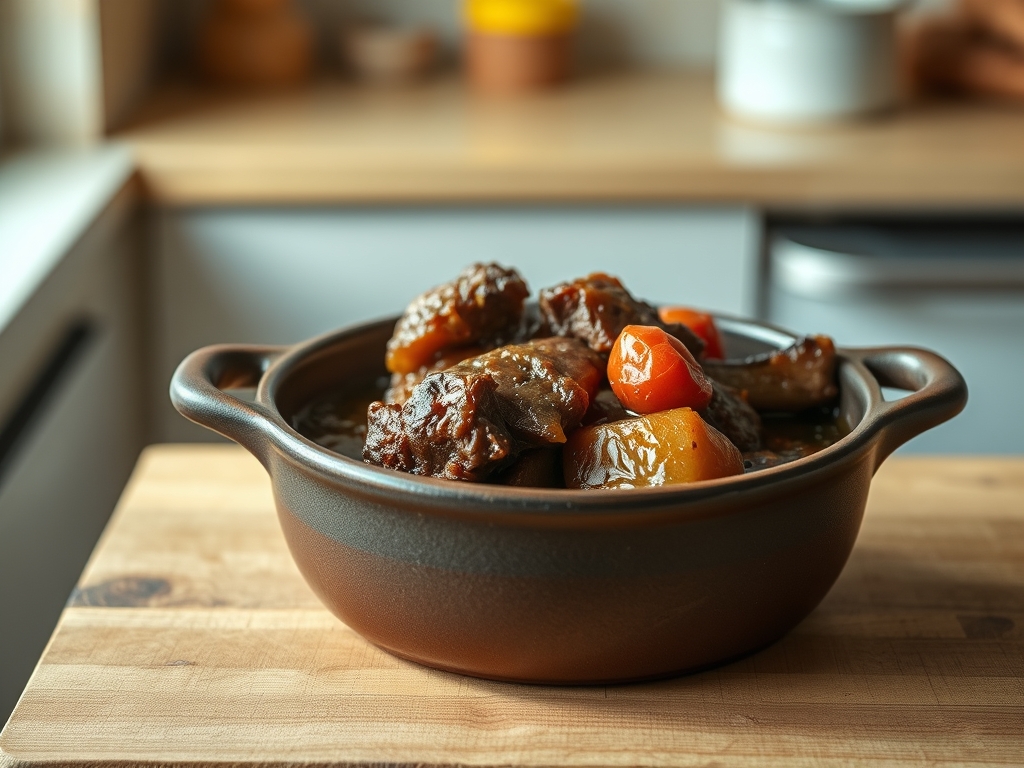
Stop treating your kitchen like a hobbyist's sandbox and start viewing it as a high-stakes chemical laboratory where the primary objective is the perfect suspension of sugar and vinegar. We are discussing the undisputed heavyweight champion of the Cantonese repertoire: Sweet and Sour Pork. This is not the neon-pink, cornstarch-clogged tragedy found in a mall food court. We are engineering a masterpiece of structural integrity where the viscous glaze clings to a shattered-glass crust without compromising the succulent, moisture-locked protein within. The secret lies in the dual acid profile; a strategic alliance between the sharp, volatile sting of rice vinegar and the deep, fermented complexity of black vinegar or fruit-based acidity. When these elements hit a searing wok, they undergo a rapid reduction that transforms simple liquids into a shimmering, ruby-red lacquer. You are not just cooking dinner; you are managing a complex interface of Maillard reactions and starch gelatinization. Prepare your station. Calibrate your senses. We are about to audit your technique and elevate this dish to a professional-grade infrastructure.
THE DATA MATRIX
| Metric | Specification |
|---|---|
| Prep Time | 45 Minutes |
| Execution Time | 15 Minutes |
| Yield | 4 Servings |
| Complexity | 7/10 |
| Estimated Cost per Serving | $4.25 USD |
THE GATHERS
Ingredient Protocol:
- 500g / 1.1 lbs Pork Shoulder (Cut into 2cm cubes)
- 15ml / 1 tbsp Shaoxing Wine
- 2g / 0.5 tsp White Pepper
- 120g / 1 cup Cornstarch (For dredging)
- 60ml / 0.25 cup Rice Vinegar
- 30ml / 2 tbsp Pineapple Juice (Natural catalyst)
- 80g / 0.33 cup Granulated Sugar
- 45ml / 3 tbsp High-Quality Ketchup (The emulsifier)
- 15ml / 1 tbsp Light Soy Sauce
- 1 Large Bell Pepper (Deconstructed into 1-inch diamonds)
- 100g / 0.5 cup Fresh Pineapple Chunks
- 1 Liter / 4.2 cups Peanut Oil (For high-smoke point frying)
Section A: Ingredient Quality Audit:
The most common failure point in Sweet and Sour Pork is the protein selection. If your pork is too lean, like a center-cut loin, the double-fry process will render it into a dry, fibrous brick. Use pork shoulder with visible intramuscular fat. If your pineapple is canned in heavy syrup, the sugar ratios in your glaze will skew toward a cloying, one-dimensional sweetness. Technical fix: Rinse canned fruit in cold water to reset the glucose baseline or, preferably, use fresh fruit to utilize the natural bromelain enzymes which further tenderize the meat. If your cornstarch feels gritty, it has likely absorbed ambient moisture; sift it through a fine-mesh strainer to ensure maximum aeration for a lighter crust.
THE MASTERCLASS
1. The Protein Pre-Treatment
Begin by tossing your pork cubes with Shaoxing wine, salt, and white pepper. Use a digital scale to ensure your seasonings are precise to the gram. Allow the meat to marinate for 20 minutes to allow the alcohol to penetrate the fibers.
Pro Tip: This step is about more than flavor; the salt begins to break down the myosin filaments in the meat, ensuring a tender bite that contrasts with the exterior crunch.
2. The Starch Encapsulation
Dredge the marinated pork in a generous amount of cornstarch. Press the starch into the meat firmly, then shake off the excess using a bench scraper to clear your workspace of clumps. Let the coated pork rest for five minutes until the starch looks "tacky."
Pro Tip: Letting the starch hydrate prevents the coating from flying off the moment it hits the oil. This creates a cohesive "skin" that acts as a moisture barrier.
3. The First Flash Fry
Heat your peanut oil in a heavy-bottomed wok to 175C (350F). Fry the pork in small batches until it is pale golden. Remove and drain on a wire rack.
Pro Tip: The first fry is about setting the structure and cooking the interior. Use an infrared thermometer to monitor oil recovery times between batches to prevent grease absorption.
4. The Double-Fry Evolution
Increase the oil temperature to 200C (400F). Return all the pork to the oil for a 45-second "shattering" fry until deep golden and incredibly crisp.
Pro Tip: This second pass evaporates the remaining surface moisture, creating the microscopic air pockets required for a long-lasting crunch that survives the glazing process.
5. The Dual Acid Glaze Construction
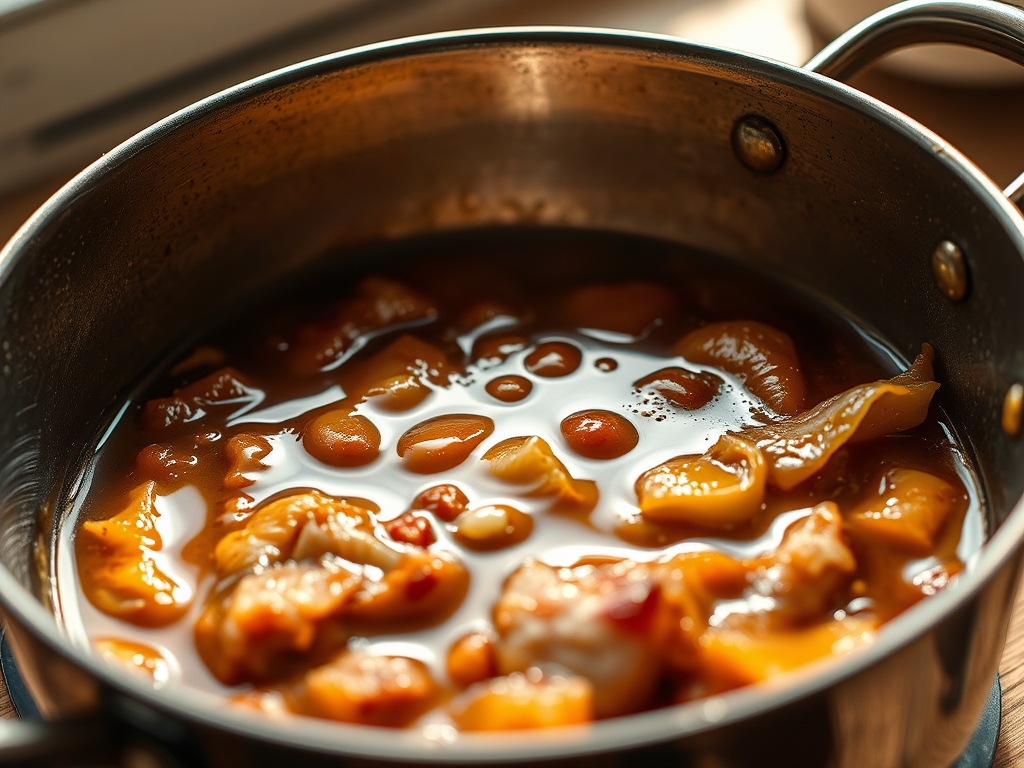
In a clean saucier, combine the vinegar, sugar, ketchup, and pineapple juice. Bring to a vigorous boil until the bubbles become large and slow, indicating the sugar has reached a viscous state.
Pro Tip: The ketchup acts as a pre-made emulsion of aromatics and stabilizers, helping the sauce cling to the pork without the need for excessive cornstarch slurries.
6. The Final Integration
Toss the peppers and pineapple into the sauce for 30 seconds to infuse them with heat. Add the pork and toss rapidly over high heat for no more than 15 seconds to coat every surface.
Pro Tip: This is a "dry" glaze technique. There should be no pool of sauce at the bottom of the dish; the lacquer should be entirely bonded to the ingredients.
Section B: Prep & Timing Fault-Lines:
The most frequent human error is "crowding the wok." If you dump all the pork in at once, the oil temperature plunges, the starch dissolves, and you end up with a soggy, grey mess. Another critical fault-line is the timing of the glaze. If you add the pork to a sauce that hasn't reduced sufficiently, the water content will immediately soften the crust. You must wait for the "technicolor" stage where the sauce looks like molten glass before the protein makes contact.
THE VISUAL SPECTRUM
Section C: Thermal & Visual Troubleshooting:
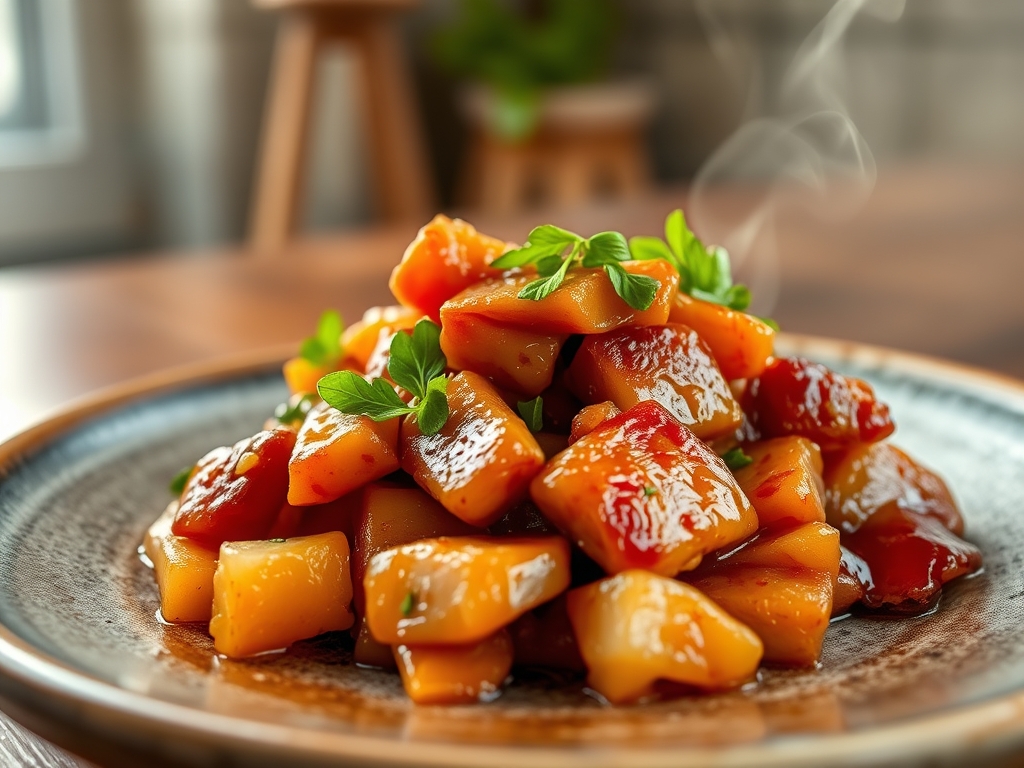
Referencing the Masterclass photo, observe the high-gloss sheen and the distinct separation of ingredients. If your dish looks dull or "matte," your sugar-to-acid ratio is off, or you haven't reached a high enough temperature to caramelize the sugars. If the peppers look limp and brown, you have overcooked them; they should retain a vibrant, neon snap. Uneven browning on the pork indicates that the pieces were touching during the fry. Ensure each cube is treated as an individual unit of production. If the sauce is "gloopy" rather than sleek, you used too much starch slurry. A perfect glaze should be translucent enough to see the texture of the meat underneath.
THE DEEP DIVE
Macro Nutrition Profile
A standard serving contains approximately 550 calories, 28g of fat, 45g of carbohydrates, and 32g of protein. The high caloric density is primarily driven by the deep-frying process and the sucrose content in the glaze.
Dietary Swaps
- Vegan: Replace pork with extra-firm tofu or cauliflower florets. Ensure the tofu is pressed for at least two hours to remove moisture before starching.
- Keto: This is a challenge due to the sugar-based glaze. Substitute sugar with allulose (which caramelizes similarly) and use xanthan gum as a thickener instead of cornstarch.
- GF: Naturally gluten-free if using Tamari instead of standard soy sauce and ensuring your cornstarch is certified.
Meal Prep & Reheating Science
Sweet and Sour Pork is notoriously difficult to reheat because the sugar in the glaze is hygroscopic; it pulls moisture from the air and the meat, softening the crust. To revive it, avoid the microwave at all costs. Use an air fryer at 190C (375F) for 4 minutes to re-crystallize the sugar and draw moisture out of the coating.
THE KITCHEN TABLE
Why is my sauce too thin?
You likely didn't reduce the vinegar and sugar base long enough. The mixture must reach a syrupy consistency before adding the pork. If it doesn't coat the back of a spoon, it won't coat the meat.
Can I use pork tenderloin instead?
You can, but the risk of overcooking is high. Tenderloin lacks the fat content to remain juicy during the double-fry. If you use it, reduce the first fry time by 60 seconds to prevent internal desiccation.
My coating keeps falling off the pork!
This happens when the pork is too wet before dredging. Pat the meat dry with paper towels before starting the marinade process. Also, ensure the oil is at the correct temperature before the first drop.
What is the best vinegar to use?
A 50/50 split between white rice vinegar and Chinkiang black vinegar provides the best depth. The white vinegar provides the sharp "top notes" while the black vinegar adds a malty, fermented "base note" to the profile.