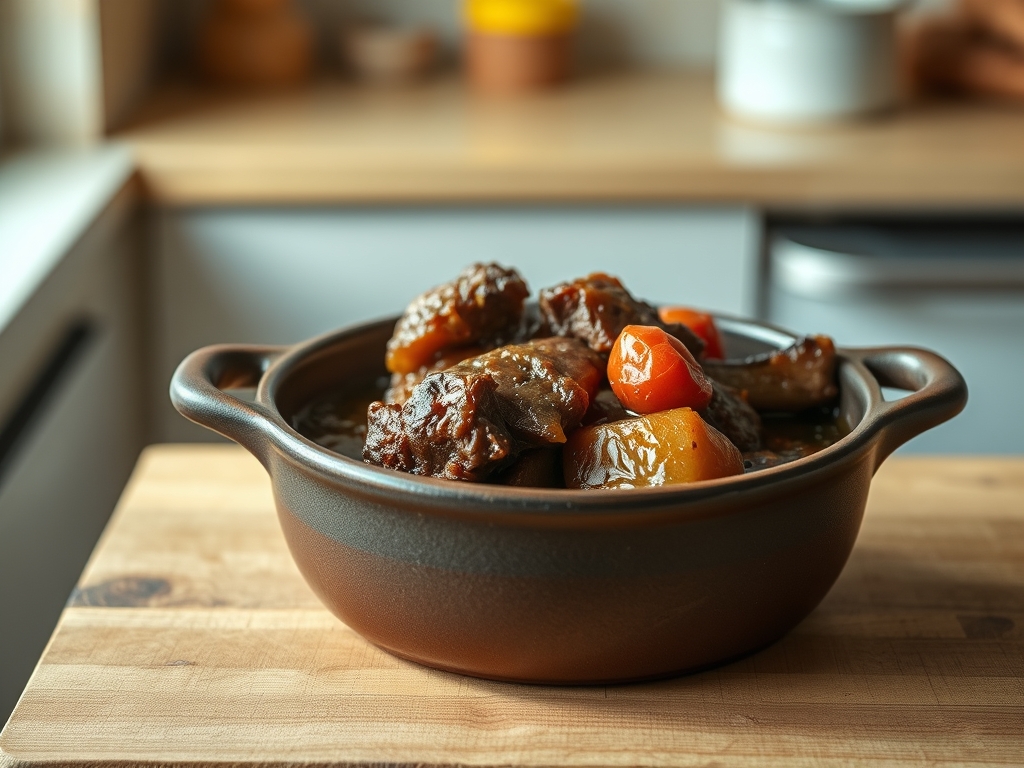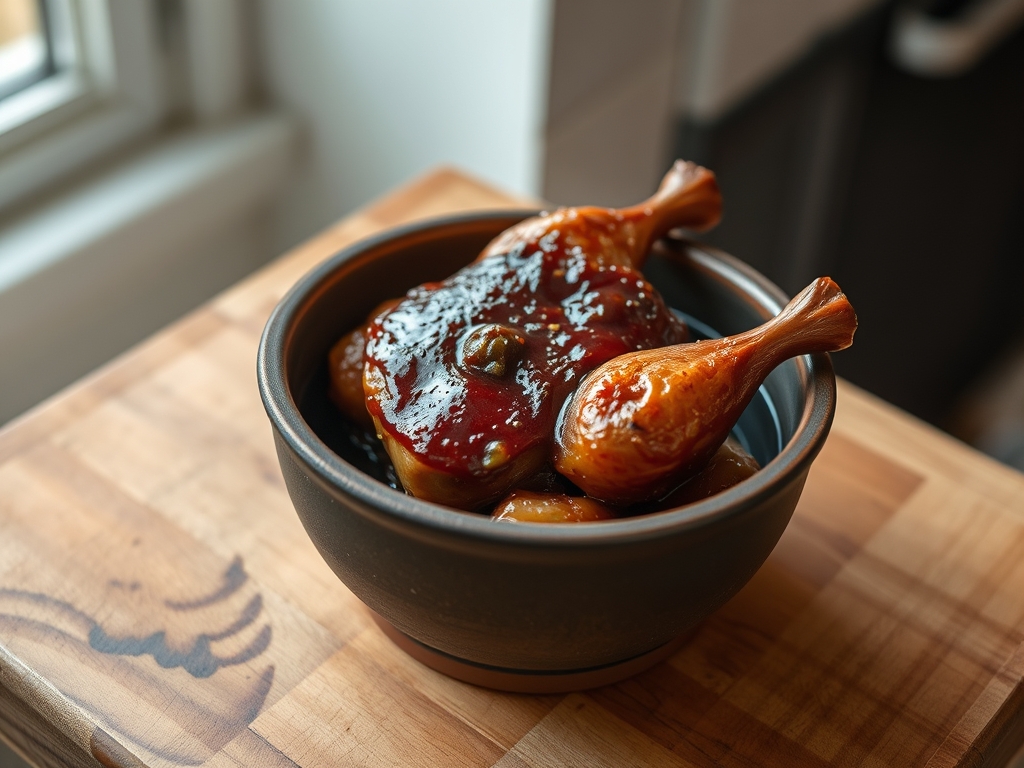
Forget the rack and ignore the loin. If you want to witness the absolute pinnacle of ovine engineering, you must look toward the cervical vertebrae. We are discussing the neck. This is a high-motion muscle group characterized by a labyrinth of connective tissue and deep pockets of intermuscular fat that, when handled with surgical precision, yields a texture more luxurious than the finest wagyu. The secret lies in the initial thermal shock. Searing Lamb Neck is not merely a browning phase; it is a high-stakes chemical transformation where the Maillard reaction creates a complex crust of amino acids and reducing sugars. This crust acts as a structural dam, holding in the juices that will eventually dissolve the tough collagen during the long, slow braise. You can smell the change in the air as the fat begins to render and the kitchen fills with a heavy, primal aroma. This is culinary infrastructure at its most robust. We are building a foundation of flavor that will support every viscous drop of sauce we produce.
THE DATA MATRIX
| Metric | Specification |
|---|---|
| Prep Time | 30 Minutes |
| Execution Time | 3.5 Hours |
| Yield | 4 Servings |
| Complexity (1-10) | 7 |
| Estimated Cost per Serving | $8.50 |
THE GATHERS
Ingredient Protocol:
- 1.2kg / 2.6 lbs Lamb neck rosettes (thick-cut)
- 30ml / 2 tbsp High-smoke point oil (Grapeseed or Avocado)
- 500ml / 2 cups Veal stock or high-quality beef bone broth
- 250ml / 1 cup Dry red wine (Cabernet Sauvignon or Syrah)
- 150g / 1 cup Mirepoix (finely diced onion, carrot, celery)
- 30g / 2 tbsp Tomato paste
- 4 cloves Garlic (smashed)
- 3 sprigs Fresh rosemary and thyme
- 10g / 2 tsp Kosher salt
- 5g / 1 tsp Freshly cracked black pepper
Section A: Ingredient Quality Audit:
If your lamb neck arrives looking pale or excessively wet, you are facing a moisture-barrier crisis. Excess surface water acts as a thermal heat sink; it will steam the meat rather than sear it. To fix this, pat the meat dry with lint-free towels and let it sit uncovered in the refrigerator for two hours to air-dry the pellicle. If your wine tastes like vinegar, do not use it. The acidity will sharpen during the reduction and ruin the viscous mouthfeel of the final sauce. Use a wine you would actually drink. Finally, if your stock lacks body, fortify it with a teaspoon of unflavored gelatin to mimic the natural collagen release of a professional-grade veal stock.
THE MASTERCLASS
1. Thermal Priming and Surface Prep
Season the lamb aggressively with salt and pepper at least twenty minutes before cooking. Use a digital scale to ensure your salt ratio is exactly 1 percent of the meat's weight for perfect seasoning penetration.
Pro Tip: This delay allows the salt to draw out moisture and then be reabsorbed as a concentrated brine, which deeply seasons the interior fibers and prepares the surface for a superior render.
2. Searing Lamb Neck for Maillard Dominance
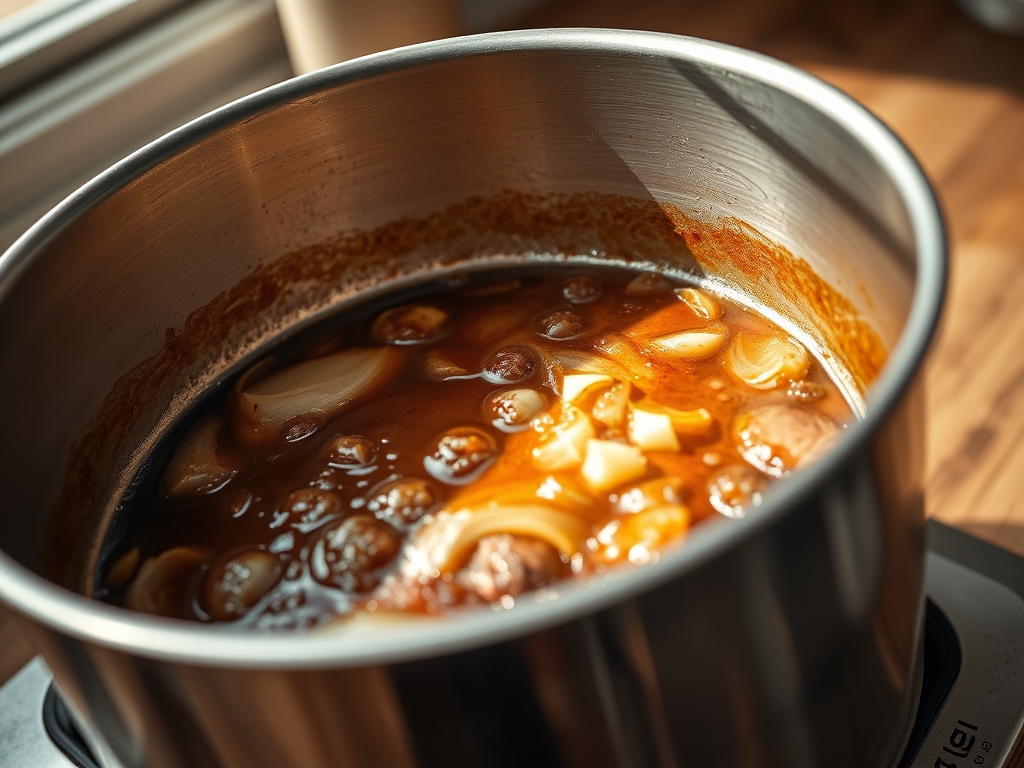
Heat your heavy-bottomed stainless steel saucier or cast-iron dutch oven until the oil begins to shimmer and reach its smoke point. Place the lamb in the pan, ensuring no pieces are touching to prevent steam pockets.
Pro Tip: Do not move the meat for at least three minutes. You are waiting for the "release" cue; once the proteins have fully denatured and browned, the meat will naturally unstick from the pan surface.
3. Aromatizing the Foundation
Remove the meat and set it aside on a wire rack. Lower the heat and add your mirepoix to the rendered fat. Use a bench scraper to clear your cutting board and move your aromatics efficiently into the pot.
Pro Tip: Sweating the vegetables in the residual lamb fat allows the fat-soluble flavor compounds in the carrots and onions to infuse into the oil, creating a multi-layered flavor profile.
4. Deglazing the Fond
Increase the heat and add the tomato paste, cooking until it turns a deep rust color. Pour in the red wine and use a wooden spoon to scrape up every brown bit (the fond) from the bottom of the pan.
Pro Tip: This is the deglaze phase. The alcohol in the wine acts as a solvent, capturing flavor molecules that are neither water-soluble nor fat-soluble, integrating them into the liquid phase.
5. The Low and Slow Integration
Return the lamb to the pot and add the stock until the meat is two-thirds submerged. Cover with a tight-fitting lid and place in a 150C (300F) oven for three hours.
Pro Tip: Maintaining a sub-simmer temperature ensures that the collagen transforms into gelatin without the muscle fibers tightening and becoming stringy. Use a probe thermometer to monitor the internal liquid temp.
Section B: Prep & Timing Fault-Lines:
The most common human error is impatience during the sear. If you flip the meat too early, you lose the crust and the color. Another critical failure point is the "boil." If the braising liquid reaches a rolling boil, the fat will emulsify into the sauce, making it cloudy and greasy rather than clear and viscous. If you see large bubbles, drop your oven temperature by 10 degrees immediately. Timing is also vital; use a kitchen timer to check the meat every 45 minutes to ensure the liquid hasn't evaporated too quickly.
THE VISUAL SPECTRUM
Section C: Thermal & Visual Troubleshooting:
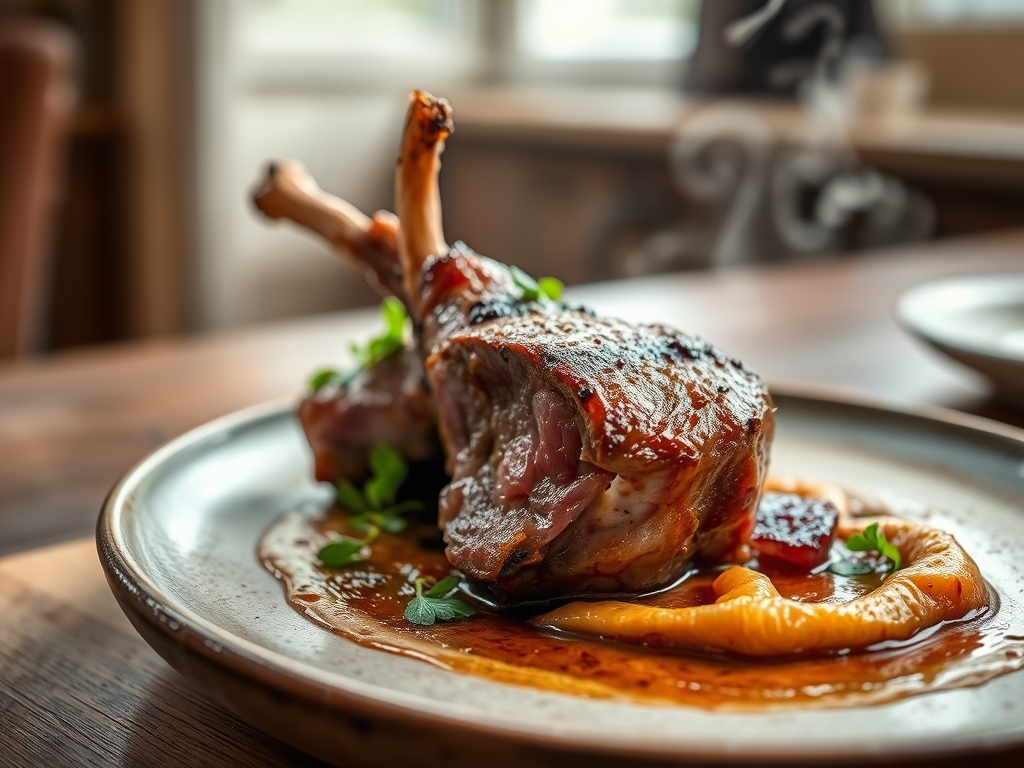
Referencing the Masterclass photo, your lamb should exhibit a deep mahogany exterior, not a charred black or a pale grey. If your meat looks grey, your pan wasn't hot enough or you overcrowded it. If the sauce looks "broken" with oil slicks on top, you failed to skim the fat during the cooking process. Use a chilled spoon to remove the excess lipids. If the final dish looks dull, you need a hit of acid. A small splash of red wine vinegar at the very end will aerate the heavy flavors and brighten the visual "sheen" of the sauce, making it glisten under the light.
THE DEEP DIVE
Macro Nutrition Profile
Lamb neck is a high-protein, high-fat cut. A standard 150g serving provides approximately 350 calories, 28g of protein, and 24g of fat. It is exceptionally high in Vitamin B12, Zinc, and Selenium, making it a nutrient-dense powerhouse for metabolic health.
Dietary Swaps
- Keto: This recipe is naturally keto-compliant. Ensure your tomato paste has no added sugar.
- Paleo/GF: Use arrowroot powder instead of flour if you choose to thicken the sauce further.
- Vegan: Replace lamb with thick-cut "steaks" of Lion's Mane mushroom. Use vegetable demi-glace and increase the smoked paprika to mimic the depth of rendered fat.
Meal Prep & Reheating Science
Braised lamb neck is actually superior the second day. As the dish cools, the gelatin sets into a semi-solid matrix that traps the flavor compounds. When reheating, do so gently over low heat. Avoid the microwave, as it causes uneven molecular vibration that can "pop" the fat cells and make the meat rubbery. Reheat in a covered pan with a splash of water to maintain the moisture barrier.
THE KITCHEN TABLE
Why is my lamb neck still tough after three hours?
It likely hasn't reached the "collagen climax." If the internal temperature hasn't stayed consistent, the connective tissue won't melt. Give it another 30 minutes; it is almost impossible to overcook this cut in a moist environment.
Can I do this in a slow cooker?
Yes, but you must still perform the Searing Lamb Neck step in a separate pan first. A slow cooker cannot reach the temperatures required for the Maillard reaction, and your flavor profile will be one-dimensional.
What is the best way to thicken the sauce?
Remove the meat and reduce the liquid on high heat. This concentrates the natural gelatin. If you need more body, whisk in a cold butter knob (monter au beurre) to create a piquant and silky finish.
Does the bone stay in?
Absolutely. The marrow inside the neck bones provides essential minerals and fats that enrich the sauce. The meat will naturally fall off the bone once the structural integrity of the collagen has been compromised.