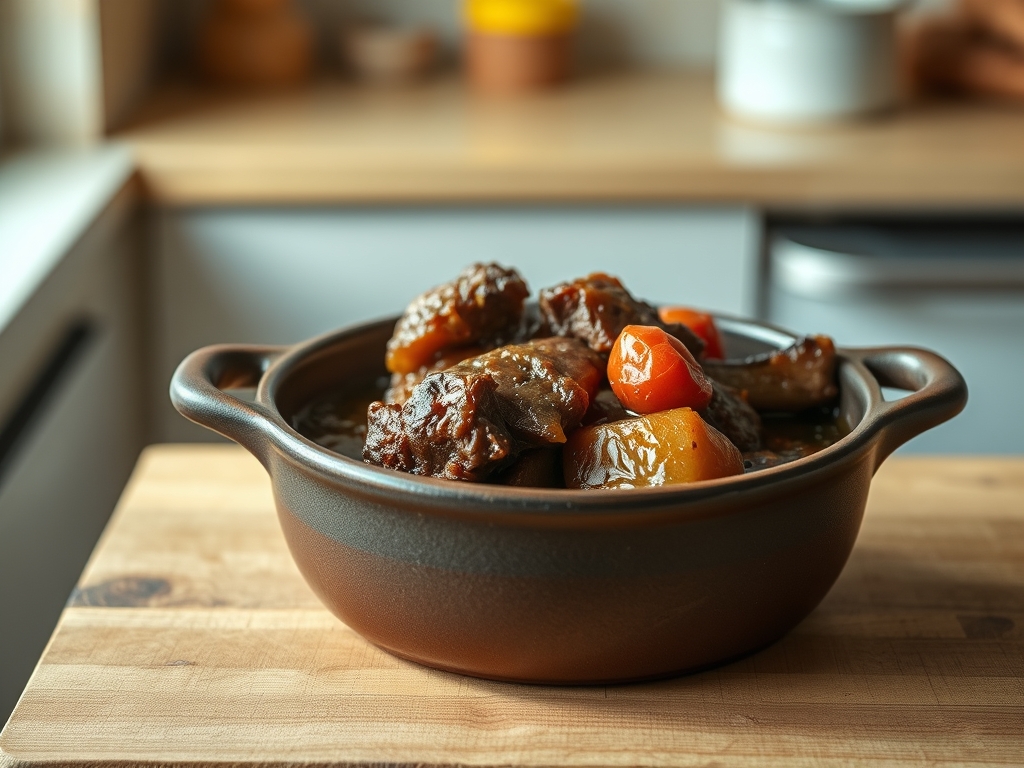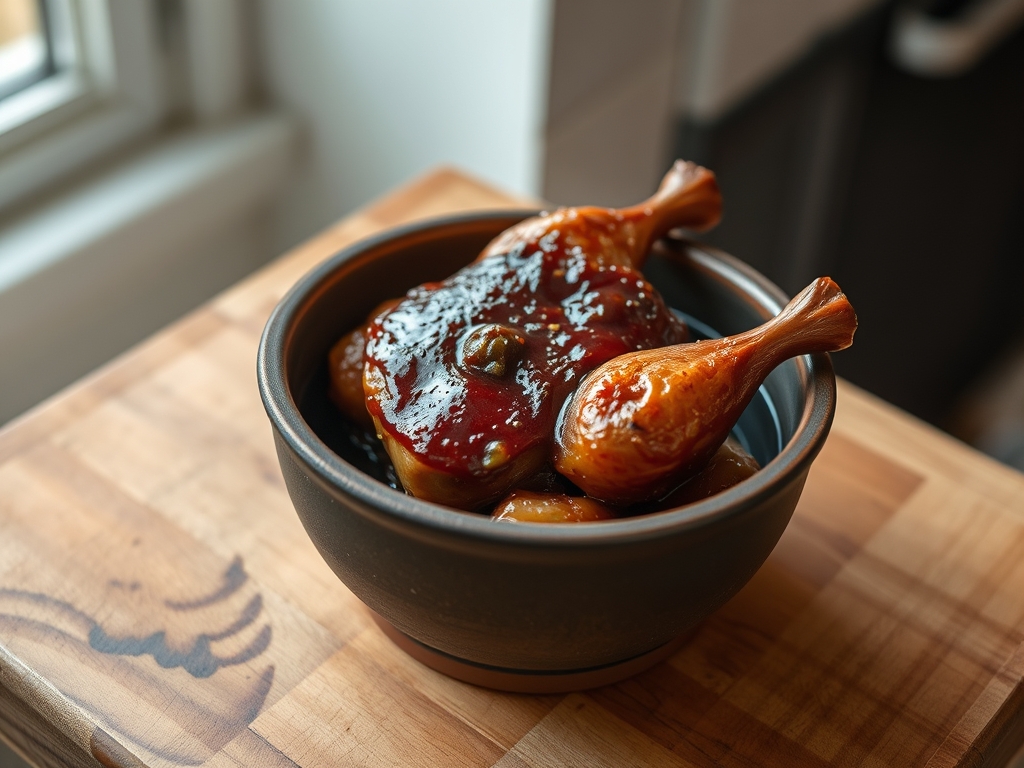
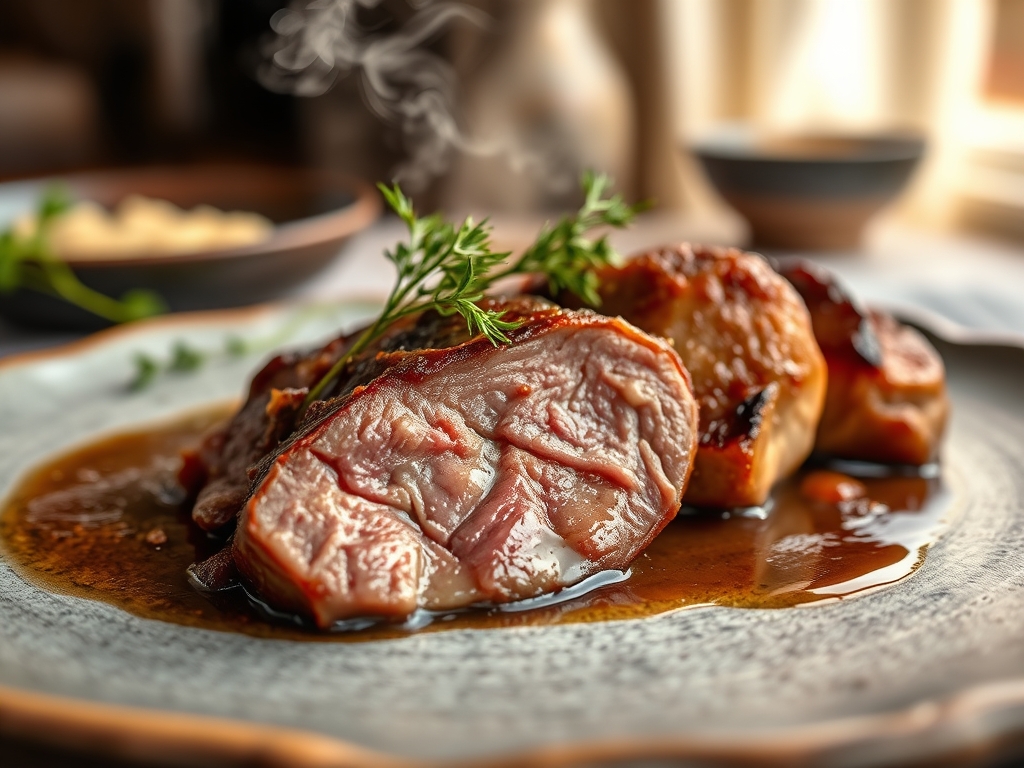
Listen up, kitchen operatives. We are moving beyond the basic domestic simmer and entering the realm of high-stakes structural engineering. We are talking about the Braised Veal Breast; a cut so notoriously fickle that it separates the line cooks from the executive architects. This is not just a piece of meat; it is a multi-phase matrix of connective tissue, intramuscular fat, and delicate protein fibers that require a precise thermal roadmap to navigate. If you treat this like a standard pot roast, you will end up with a dry, stringy disaster that lacks the luxurious mouthfeel this cut promises. We are aiming for a transformation where collagen converts into gelatin, creating a viscous, lip-smacking lacquer that coats the palate. This process requires patience, an obsession with moisture retention, and a refusal to compromise on the Maillard reaction. We are here to audit your technique, streamline your workflow, and ensure that every gram of that veal is optimized for maximum sensory impact. Prepare for a deep dive into the molecular mechanics of the braise.
THE DATA MATRIX
| Metric | Specification |
|---|---|
| Prep Time | 45 Minutes |
| Execution Time | 4 Hours |
| Yield | 6 Servings |
| Complexity (1-10) | 7 |
| Estimated Cost per Serving | $12.50 |
THE GATHERS
Ingredient Protocol:
- 2.25kg / 5lbs Veal Breast (Bone-in, trimmed)
- 60ml / 4 tbsp Grapeseed oil (High smoke point)
- 450g / 1lb Mirepoix (Equal parts onion, carrot, celery)
- 30g / 2 tbsp Tomato paste (Double concentrated)
- 500ml / 2 cups Dry white wine (Acidic profile)
- 1.5L / 6 cups White veal stock (Gelatin-rich)
- 1 Bouquet Garni (Thyme, parsley stems, bay leaf)
- 15g / 1 tbsp Kosher salt
- 5g / 1 tsp Freshly cracked black pepper
Section A: Ingredient Quality Audit:
If your veal arrives with a greyish hue or a slick, slimy texture, reject the shipment immediately. Sub-par veal lacks the glycogen stores necessary for a proper crust. If the meat is too lean, the braise will fail; you need that intercostal fat to render and lubricate the fibers. Technical fix: If the cut is leaner than desired, lardo or pancetta strips can be "larded" into the muscle using a larding needle to simulate internal moisture. If your stock is store-bought and lacks body, whisk in 10g of unflavored gelatin per liter to mimic the structural integrity of a traditional long-simmered bone broth.
THE MASTERCLASS
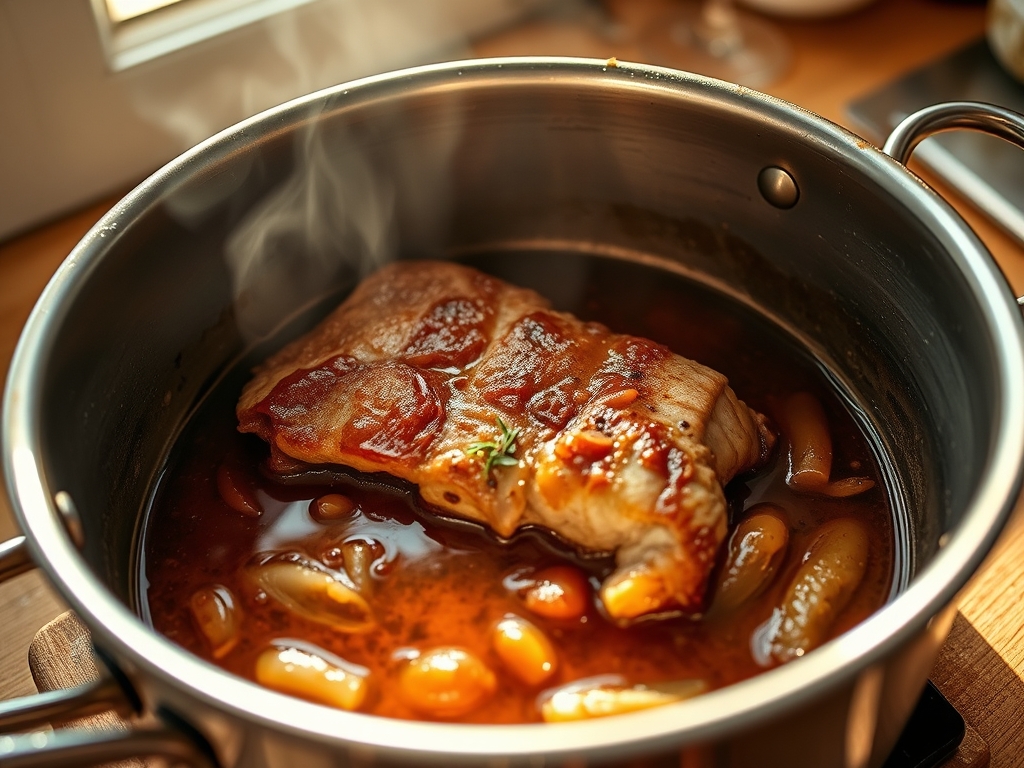
1. The Surface Preparation and Seasoning
Pat the veal bone-dry using lint-free towels. Use a digital scale to measure your salt precisely; 1% of the total meat weight is the golden ratio for deep seasoning. Rub the salt and pepper into every crevice of the breast. Let it sit at room temperature for 30 minutes.
Pro Tip: This rest period allows for a process called "dry brining." The salt draws out moisture, dissolves into a concentrated brine, and is then reabsorbed into the muscle, seasoning the interior while ensuring the surface is dry enough for the Maillard reaction to occur rapidly.
2. The Maillard Execution
Heat your grapeseed oil in a heavy-bottomed saucier or Dutch oven until it reaches the shimmering point. Sear the veal on all sides until a deep, mahogany crust forms. Do not crowd the pan.
Pro Tip: Use a bench scraper to clear any burnt bits between batches if necessary. The goal is to maximize the production of melanoidins (flavor compounds) without carbonizing the surface. High heat is essential here; if the pan temperature drops, the meat will steam in its own juices rather than sear.
3. The Aromatics and Deglaze
Remove the meat and discard excess fat, leaving about two tablespoons. Toss in your mirepoix and sauté until the onions are translucent. Add the tomato paste and cook until it turns a rusty brick red (the pincage stage). Pour in the white wine and use a wooden spoon to deglaze the bottom of the pan.
Pro Tip: The acidity in the white wine acts as a chemical solvent, breaking down the browned protein bits (fond) stuck to the pan and incorporating them into the braising liquid. This creates a complex, piquant base for the sauce.
4. The Submersion and Slow Thermal Descent
Return the veal to the pot. Add the stock until the liquid reaches two-thirds of the way up the meat. Add the bouquet garni. Cover with a cartouche (parchment paper lid) and a tight-fitting metal lid. Place in a 150C / 300F oven.
Pro Tip: A cartouche prevents the top of the meat from drying out and encourages even steam distribution. This "low and slow" approach ensures that the internal temperature rises gradually, allowing collagen to melt into gelatin without the muscle fibers tightening into rubber.
5. The Reduction and Glaze
Once the meat is fork-tender, remove it carefully. Strain the liquid through a fine-mesh chinois into a clean saucepan. Reduce the liquid over medium-high heat until it reaches a viscous consistency that coats the back of a spoon (nappe).
Pro Tip: Use a saucier for reduction; the sloped sides increase surface area, speeding up evaporation. If the sauce breaks, use a drop of cold water and a vigorous whisk to re-emulsify the fats and proteins.
Section B: Prep & Timing Fault-Lines:
The most common failure in braising is the "Boil Trap." If your liquid is bubbling aggressively rather than barely shimmering, the high heat will seize the protein fibers, squeezing out all moisture before the collagen can melt. Technical fix: Use an oven thermometer to verify your appliance's accuracy. If you are behind schedule, do not turn up the heat. Instead, slice the veal into smaller portions before braising to increase the surface area-to-volume ratio, which accelerates heat penetration without damaging the texture.
THE VISUAL SPECTRUM
Section C: Thermal & Visual Troubleshooting:
Referencing the Masterclass photo, your final Braised Veal Breast should exhibit a deep, uniform glaze with no "bald" spots. If the meat looks dull or grey, it likely suffered from insufficient searing or a lack of basting during the final reduction phase. If the sauce appears broken or oily, the fat was not properly skimmed during the reduction. To fix a dull appearance, brush the meat with a mixture of reduced stock and a teaspoon of honey or balsamic glaze just before serving to infuse a high-gloss finish. If the vegetables in the mirepoix are mushy and colorless, they were overcooked; for a professional presentation, strain them out and replace them with fresh, glazed root vegetables cooked separately.
THE DEEP DIVE
Macro Nutrition Profile
Per serving, this dish provides approximately 45g of protein, 22g of fat, and 8g of carbohydrates. It is a powerhouse of bioavailable iron and zinc, though the caloric density is high due to the gelatin and rendered fats.
Dietary Swaps
- Vegan: Impossible. The structural integrity of this dish relies entirely on animal collagen. However, a "braised" king oyster mushroom or celery root can mimic the technique using a mushroom-based demi-glace.
- Keto: Naturally compliant. Ensure the wine is bone-dry and omit any flour-based thickening agents.
- GF: Naturally gluten-free. Just ensure the stock is homemade or certified gluten-free.
Meal Prep & Reheating Science
Braises are actually superior on day two. As the dish cools, the gelatin sets into a semi-solid state, further tenderizing the fibers. To reheat without destroying the molecular structure, use a gentle water bath (sous-vide) at 65C / 150F or simmer very slowly in a covered pan with a splash of extra stock to aerate the sauce and restore its fluidity.
THE KITCHEN TABLE
Why is my veal tough even after three hours?
You likely haven't reached the "collagen crossover." Connective tissue requires sustained heat to melt. If it is tough, it usually needs more time, not less. Keep simmering until the fibers yield to a gentle poke.
Can I use red wine instead of white?
Yes, but it will fundamentally change the profile. Red wine provides a heavier, more tannic structure. White wine is traditional for veal as it preserves the meat's delicate, floral notes without overpowering them.
What if my sauce is too salty after reduction?
Reduction concentrates everything, including salt. If you overshot the seasoning, add a splash of unsalted stock or a squeeze of lemon juice. The acid will mask the perception of excess sodium on the tongue.
My braising liquid evaporated too much. Help!
Your lid wasn't tight enough. Add more stock or water immediately to bring the level back up. In the future, use a foil seal under the lid to create a true hermetic environment.