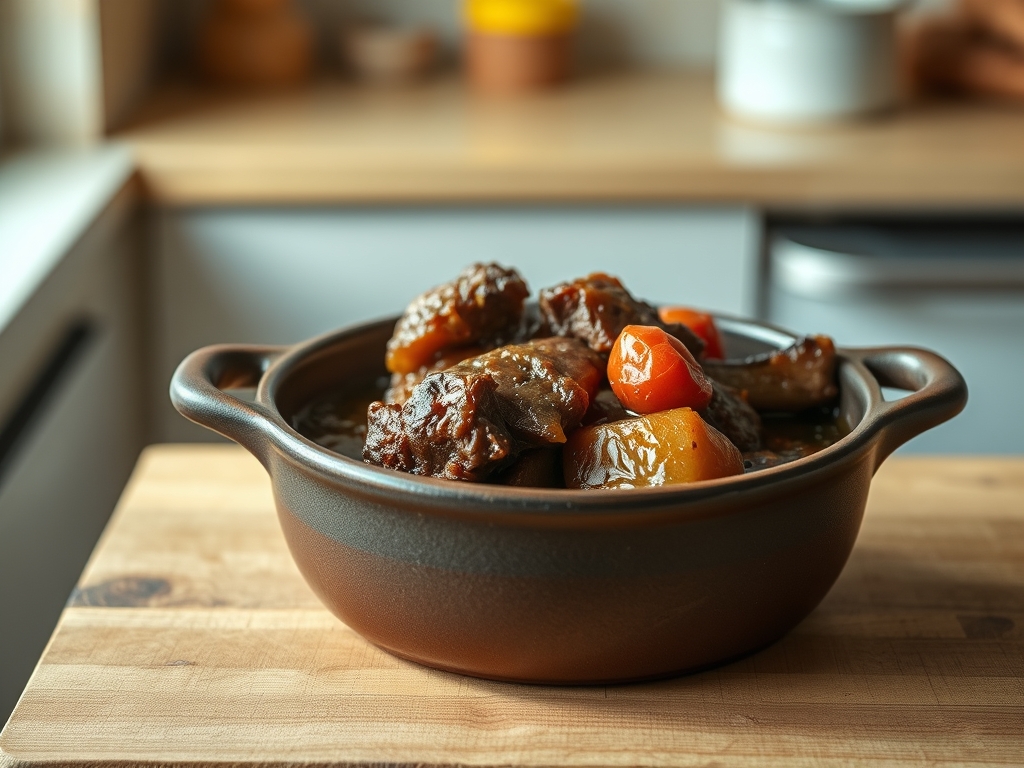
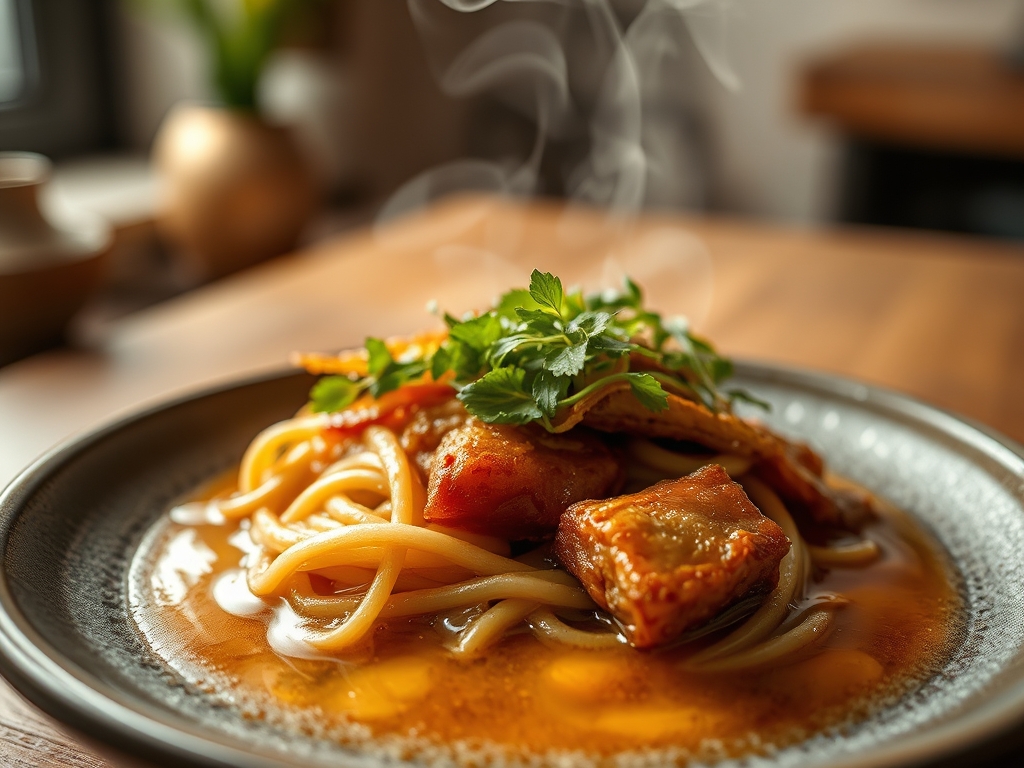
Imagine the kinetic energy of a professional kitchen at peak rush. The air is thick with the scent of toasted sesame and fermenting soy while the roar of the industrial burner provides the soundtrack to a culinary metamorphosis. We are not just making dinner; we are engineering a structural masterpiece. The transition from Steam to Cold Ramen is a high stakes game of thermal shock and protein manipulation. When that scalding noodle hits the ice bath, you are witnessing the instantaneous contraction of the gluten matrix. This process locks in a resilient, toothsome snap that no hot bowl can replicate. It is a visceral experience where the heat of the broth meets the bracing chill of the noodle. This is the architecture of the dip. We are building a bridge between extreme temperatures to create a dish that is both refreshing and deeply savory. If you have ever wondered why shop noodles have that addictive, elastic bounce, you are about to audit the process. Welcome to the laboratory of chilled infrastructure.
THE DATA MATRIX
| Metric | Specification |
|---|---|
| Prep Time | 20 Minutes |
| Execution Time | 15 Minutes |
| Yield | 2 Servings |
| Complexity (1-10) | 7 |
| Estimated Cost per Serving | $4.50 |
THE GATHERS
Ingredient Protocol:
- Fresh Alkaline Ramen Noodles: 300g / 10.5 oz
- Low-Sodium Soy Sauce: 60ml / 4 tbsp
- Chilled Dashi Stock: 180ml / 0.75 cup
- Mirin: 30ml / 2 tbsp
- Toasted Sesame Oil: 15ml / 1 tbsp
- Rice Vinegar: 15ml / 1 tbsp
- Grated Ginger: 5g / 1 tsp
- Green Onions (Finely Sliced): 20g / 0.25 cup
- Toasted Nori Strips: 2 sheets
- Soft Boiled Egg (Ajitsuke Tamago): 2 units
- Ice Cubes: 1kg / 2.2 lbs
Section A: Ingredient Quality Audit:
The primary failure point in chilled ramen is the noodle quality. If you use standard dried pasta or low protein wheat noodles, the Steam to Cold Ramen transition will result in a mushy, lifeless starch pile. Ensure your noodles contain kansui (alkaline water). This ingredient is non negotiable for that signature yellow hue and springy texture. If your dashi tastes flat, it likely lacks the glutamic acid necessary for a deep umami profile. Fix this by cold steeping kombu for twelve hours before use. If your sesame oil smells acrid, it has oxidized. Always store oils in a cool, dark place to prevent rancidity from ruining the delicate viscous mouthfeel of your dipping sauce.
THE MASTERCLASS
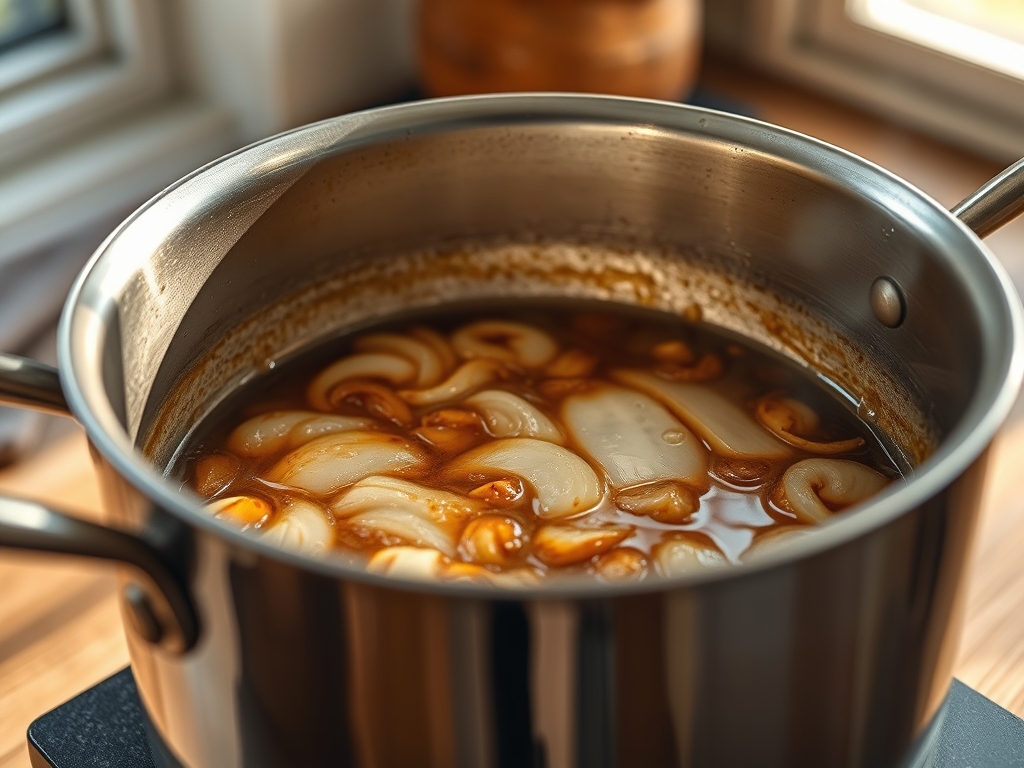
Step-by-Step Execution:
1. The Umami Reduction
In a small saucier, combine the soy sauce, mirin, and ginger. Bring the mixture to a light simmer to infuse the aromatics and cook off the raw alcohol bite of the mirin. Once the liquid reduces by ten percent, remove from heat and whisk in the chilled dashi.
Pro Tip: Use a digital scale to measure your liquids by weight for absolute consistency. The reduction phase is vital to concentrate the piquant notes that will cling to the cold noodles.
2. The Boiling Phase
Bring a large pot of unsalted water to a rolling boil. Use a bench scraper to separate the fresh noodle strands, ensuring they do not clump. Submerge the noodles and agitate them constantly with long chopsticks to ensure even heat distribution.
Pro Tip: Do not salt the water. Alkaline noodles already contain sodium; adding more can interfere with the molecular structure of the starch during the rapid boiling process.
3. The Thermal Shock
Prepare a large bowl with water and the entire kilogram of ice. Once the noodles are "al dente," immediately transfer them from the boiling water into the ice bath. This is the critical Steam to Cold Ramen juncture where the gluten network contracts.
Pro Tip: Use a stainless steel spider strainer for the transfer. The faster the temperature drop, the more "snap" the noodle will retain. This prevents the starch from leaching and becoming gummy.
4. The Emulsion Assembly
Pour the chilled dipping base into individual bowls. Slowly drizzle the toasted sesame oil over the surface. Do not fully aerate or mix the oil into the broth; you want distinct droplets of fat to coat the noodles as they are dipped.
Pro Tip: A cold bowl is essential. Store your serving vessels in the freezer for ten minutes prior to assembly to maintain the thermal integrity of the dish.
5. Final Garniture
Drain the noodles thoroughly and arrange them in a neat mound. Top with the sliced green onions, nori, and the halved soft boiled egg. Serve the dipping sauce on the side.
Pro Tip: Use a clean kitchen towel to pat the noodles dry after the ice bath. Excess water will dilute the dipping sauce and ruin the viscous cling of the broth.
Section B: Prep & Timing Fault-Lines:
The most common human error is the "Lag Time" between boiling and chilling. If the noodles sit in a colander for even thirty seconds before hitting the ice, the residual heat continues to cook the core, leading to a soft, bloated texture. Another fault line is the temperature of the dipping sauce. If the sauce is lukewarm, the contrast is lost. Use a digital thermometer to ensure your sauce is below 5 degrees Celsius (41 degrees Fahrenheit) before serving.
THE VISUAL SPECTRUM
Section C: Thermal & Visual Troubleshooting:
Referencing the Masterclass photo, your noodles should possess a glossy, translucent sheen. If they appear dull or opaque, you likely undercooked the starch or failed to rinse away the excess surface starch in the ice bath. If your egg yolk is runny but the white is rubbery, your boiling time was too high; aim for a precise six minute and thirty second simmer followed by an immediate cold shock. The dipping sauce should show "fat eyes" (beads of sesame oil) on the surface. If the oil has disappeared, the sauce was too warm, causing the fats to render and integrate rather than float.
THE DEEP DIVE
Macro Nutrition Profile:
A standard serving provides approximately 550 calories. This includes 75g of carbohydrates for glycogen replenishment, 18g of fat (primarily unsaturated from sesame), and 22g of protein. The high sodium content is a functional necessity for the dipping style but should be monitored by those on restricted diets.
Dietary Swaps:
- Vegan: Replace the dashi with a dried shiitake and kombu broth. Use smoked tofu instead of the egg.
- Keto: Substitute wheat noodles with shirataki (konjac) noodles. Be aware that the texture will be more gelatinous and less elastic.
- GF: Use 100% buckwheat soba. Note that buckwheat lacks gluten, so the "snap" will be replaced by a nutty, earthy fragility.
Meal Prep & Reheating Science:
Chilled ramen is the ultimate meal prep candidate. However, do not store the noodles in the sauce. Keep the noodles lightly oiled in an airtight container. To revive, briefly dip them in cold water to loosen the strands. Do not microwave; the heat will destroy the contracted gluten structure you worked so hard to build.
THE KITCHEN TABLE
Why are my noodles sticking together after the ice bath?
You failed to rinse the surface starch thoroughly. After the ice bath, vigorously agitate the noodles under cold running water until the water runs clear and the noodles feel slippery rather than sticky.
Can I use dried ramen noodles for this?
Yes, but the texture will be inferior. Dried noodles lack the moisture content required for a truly dramatic Steam to Cold Ramen contraction. If using dried, overcook them by thirty seconds before the cold shock.
What is the purpose of the mirin in the sauce?
Mirin provides a subtle sweetness that balances the salt of the soy and the acidity of the vinegar. It also adds a glossy finish to the sauce, improving the visual appeal and coating ability.
How long does the dipping sauce last in the fridge?
The base sauce (soy, dashi, mirin) will remain stable for up to five days. However, do not add the fresh ginger or green onions until the moment of service to maintain their bright, piquant profile.