The kitchen is a laboratory of thermal dynamics where the transition from Hot Jam to Sealed Jar represents the ultimate test of molecular structural integrity. You are not merely boiling fruit; you are orchestrating a complex chemical marriage between long-chain polysaccharides and sucrose under high-acid conditions. When that copper basin begins to heave with viscous, molten crimson, you are witnessing the precise moment where water activity drops and pectin molecules begin to cross-link. This is high-stakes chemistry. A single degree of deviation or a miscalculation in pH can turn a potential masterpiece into a weeping, syrupy failure or a brick-hard pectin block. We are hunting for that perfect, translucent set that shimmers under the light and holds its shape against the silver edge of a spoon. Forget the rustic charm of grandmother's kitchen; we are conducting a technical audit of the cooling phase to ensure your preserves achieve a shelf-stable, crystalline perfection that defies the laws of degradation.
THE DATA MATRIX
| Metric | Specification |
|---|---|
| Prep Time | 45 Minutes |
| Execution Time | 60 Minutes |
| Yield | 6 x 250ml Jars |
| Complexity (1-10) | 7 |
| Estimated Cost per Serving | $0.85 |
THE GATHERS
Ingredient Protocol:
- 1.5kg / 3.3 lbs Fresh High-Pectin Fruit (e.g., Tart Apples or Currants)
- 1.2kg / 6 cups Superfine Granulated Sugar
- 60ml / 4 tbsp Freshly Squeezed Lemon Juice (pH Adjuster)
- 15g / 1 tbsp Unsalted Butter (Antifoaming Agent)
- 10g / 2 tsp Calcium Water (Optional for low-methoxyl pectin sets)
Section A: Ingredient Quality Audit:
The primary failure point in preserve architecture is the use of overripe fruit. As fruit matures, its natural protopectin degrades into water-soluble pectin and eventually pectic acid, which cannot form a stable gel. If your fruit is past its peak, the jam will remain fluid regardless of boil time. To fix this, integrate 25 percent underripe fruit into your batch to provide a natural pectin boost. Furthermore, avoid using tap water with high mineral content; the ions can interfere with the pectin-sugar-acid bond. Always use filtered water to ensure the piquant brightness of the fruit remains the central sensory profile.
THE MASTERCLASS
1. Thermal Priming and Maceration
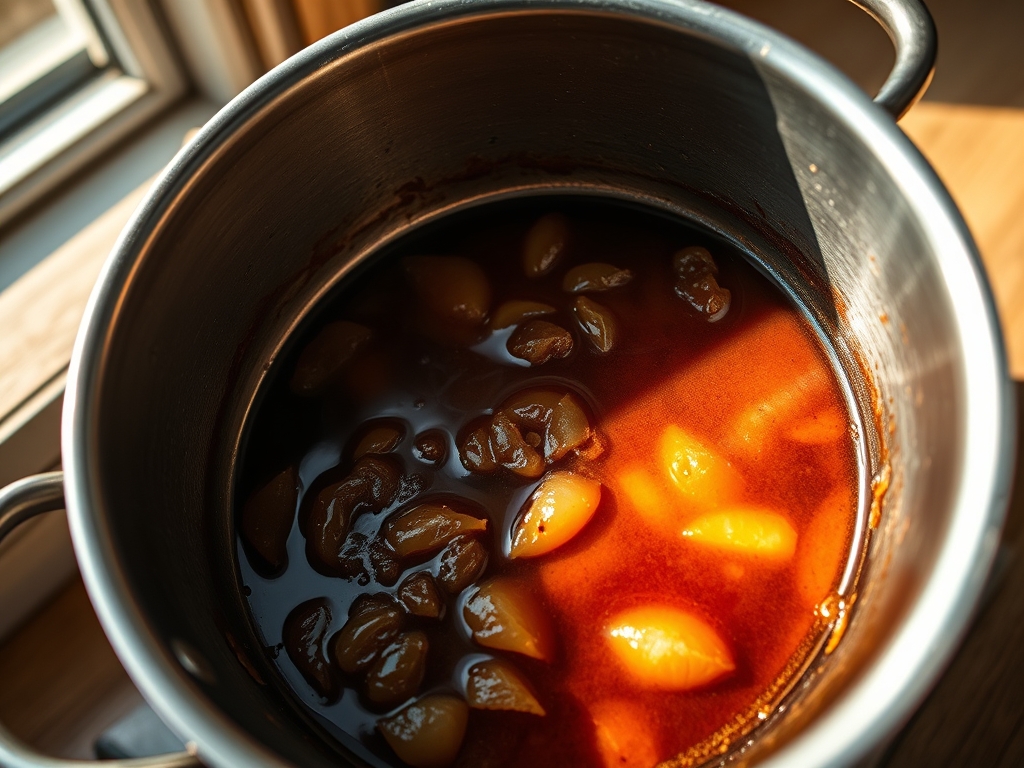
Begin by combining your fruit and sugar in a heavy-bottomed stainless steel saucier. This allows the sugar to draw out the internal moisture of the fruit through osmosis, creating a concentrated syrup before heat is even applied. Allow this to sit for thirty minutes until the mixture looks glossy and the fruit begins to soften.
Pro Tip: Use a digital scale for your measurements rather than volume cups. Accuracy in the sugar-to-fruit ratio is the difference between a shelf-stable preserve and a fermentation hazard. Sugar acts as a humectant, binding water so microbes cannot use it.
2. The Rapid Evaporation Phase
Bring the mixture to a hard, rolling boil over high heat. You are looking for the "point of no return" where the bubbles become small, tight, and refuse to be stirred down. This is where you render the excess water into steam, concentrating the pectin.
Pro Tip: Utilize a thermometer with a clip to monitor the temperature. You are aiming for 104C (219F). At this specific thermal marker, the sugar concentration reaches 65 percent, which is the magic threshold for the pectin chains to bond.
3. The Skimming and Clarification
As the jam boils, impurities and air will rise to the surface in the form of a pale foam. Add your butter at this stage to break the surface tension, or use a fine-mesh skimmer to remove the froth. This ensures your final product is translucent rather than cloudy.
Pro Tip: A bench scraper can be used to clean the sides of the pot, ensuring no stray sugar crystals fall back into the mix, which could trigger a chain reaction of recrystallization in the jar.
4. The Gel Logic Test
Before moving from Hot Jam to Sealed Jar, perform the "wrinkle test." Place a small amount of the liquid on a chilled plate and push it with your finger. If it wrinkles and holds a distinct track, the molecular structure is set.
Pro Tip: If the jam is too thin, do not simply keep boiling, as this will darken the color and mute the flavor. Instead, check the pH. A splash more lemon juice can often provide the ionic environment needed for the pectin to snap into place.
5. Hermetic Encapsulation
Ladle the boiling liquid into sterilized jars, leaving exactly 1/4 inch of headspace. Wipe the rims with a damp, lint-free cloth to ensure no residue interferes with the gasket. Apply the lids until fingertip tight and submerge in a boiling water bath for ten minutes.
Pro Tip: Use canning tongs to handle the jars. Sudden temperature drops can cause thermal shock in the glass. The cooling phase is where the vacuum is created; as the jam shrinks, it pulls the lid down to create a sterile seal.
Section B: Prep & Timing Fault-Lines:
The most common human error is the "slow boil." If you take too long to reach the setting point, you destroy the fruit's volatile aromatic compounds and darken the sugars through excess caramelization. You want a fast, aggressive boil to keep the colors vibrant. Another fault-line is the "false set," where the jam looks thick while hot due to high solids but fails to gel once cooled. Always trust the thermometer over your eyes during the active heating phase.
THE VISUAL SPECTRUM
Section C: Thermal & Visual Troubleshooting:
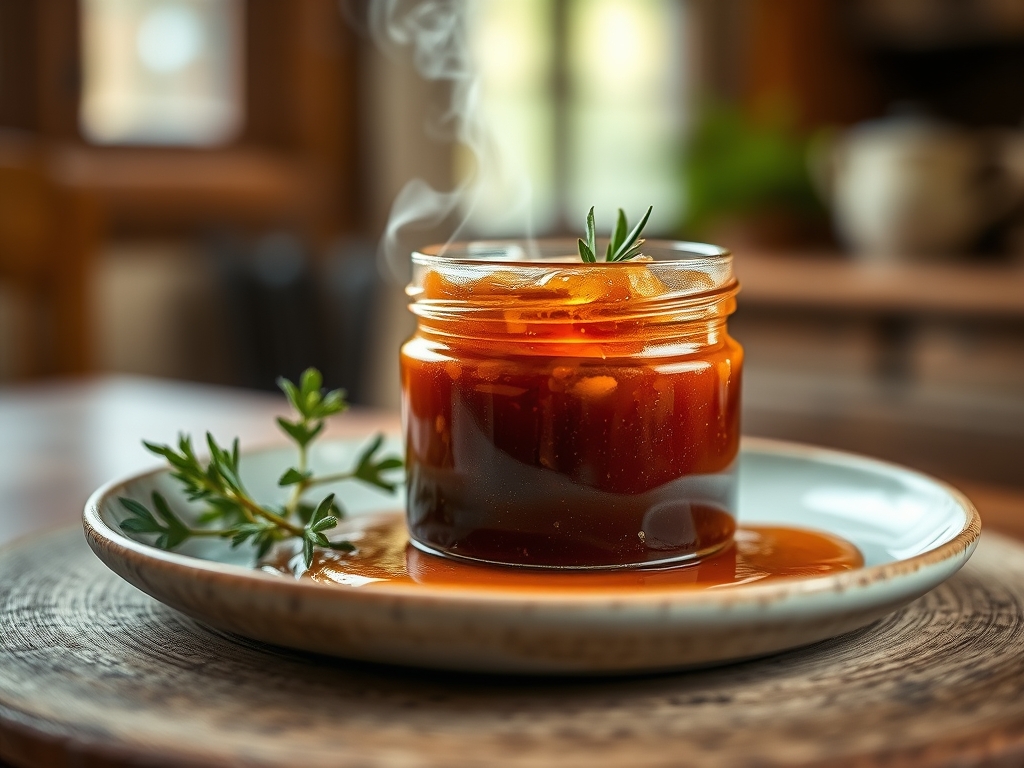
In the Masterclass photo, observe the deep, ruby clarity and the way the jam clings to the glass without weeping liquid. If your jam appears dull or brown, you have likely over-oxidized the fruit or scorched the sugars on the bottom of the pan. To prevent this, ensure constant agitation with a heat-resistant spatula. If you see "fruit float," where the solids rise to the top of the jar, it means the jam was jarred while too fluid. Allow the jam to cool slightly in the pot (to about 88C) and stir gently to distribute the fruit before ladling into the jars. This increases the viscosity of the syrup enough to suspend the fruit pieces.
THE DEEP DIVE
Macro Nutrition Profile:
Preserves are primarily carbohydrate-dense, providing immediate glucose energy. A standard 20g serving contains approximately 50 calories, 13g of sugar, and negligible fat or protein. The high sugar content is a functional preservative, not just a sweetener.
Dietary Swaps:
For a Keto-friendly version, replace sugar with Erythritol and use a specific "low-methoxyl" pectin that relies on calcium ions rather than sugar to create a bond. For a Vegan protocol, ensure your sugar is certified bone-char free.
Meal Prep & Reheating Science:
Once a jar is opened, the seal is broken and the "shelf-stable" status is revoked. Store in the refrigerator at 4C to slow down mold growth. Never reheat the entire jar; instead, remove the portion you need. Excessive reheating will break the pectin bonds, resulting in a thin, watery consistency.
THE KITCHEN TABLE
Why did my jam turn out runny?
The acid-sugar-pectin balance was likely off. Either the fruit lacked natural pectin, the pH was too high, or you didn't reach the 104C setting point. You can re-boil the batch with additional pectin and lemon juice to fix the set.
Is the foam on top dangerous to eat?
No, it is simply trapped air and denatured proteins. While safe, it ruins the aesthetic clarity and can harbor tiny air pockets that decrease the shelf life of your preserves. Skimming or adding butter solves this visual defect.
Can I reduce the sugar in the recipe?
Standard pectin requires a 55 to 65 percent sugar concentration to bond. Reducing sugar without using a specialized low-sugar pectin will result in a failure to gel and a product that is susceptible to rapid mold growth.
Why did my jars fail to "pop" or seal?
This usually occurs due to chipped jar rims or food residue on the sealing surface. Always wipe the rims with vinegar before applying lids. If a jar doesn't seal within 24 hours, refrigerate it and consume it immediately.