Listen closely because the structural integrity of your lunch is currently under threat by subpar moisture management. We are not just rolling a burrito; we are engineering a pressurized vessel of flavor where the Enchilada Wrap Data suggests a failure rate of forty percent due to tortilla fatigue. Most home cooks treat the enchilada wrap as a casual suggestion, but in this kitchen, it is a high-stakes audit of viscosity and heat transfer. You want a wrap that maintains a piquant bite without surrendering its structural sovereignty to a puddle of sauce. We are looking for that perfect intersection of a toasted, crisp exterior and a molten, cheese-bound interior. If your current wrap lacks the architectural stability to stand on its own, you are failing the audit. We are here to rectify that with precision measurements and a ruthless devotion to the Maillard reaction. Let us dismantle the mediocre and rebuild the magnificent through rigorous culinary oversight.
THE DATA MATRIX
| Metric | Specification |
|---|---|
| Prep Time | 20 Minutes |
| Execution Time | 15 Minutes |
| Yield | 4 Units |
| Complexity (1-10) | 4 |
| Estimated Cost per Serving | $3.25 |
THE GATHERS
Ingredient Protocol:
- 500g / 1.1 lbs Ground Beef (80/20 lean-to-fat ratio)
- 4 Large Flour Tortillas (30cm / 12 inch diameter)
- 250ml / 1 cup Red Enchilada Sauce (high viscosity)
- 200g / 2 cups Shredded Monterey Jack Cheese
- 15g / 1 tbsp Avocado Oil
- 5g / 1 tsp Smoked Paprika
- 3g / 0.5 tsp Cumin Seeds (to be toasted)
- 100g / 0.5 cup Black Beans (rinsed and drained)
- 60ml / 0.25 cup Sour Cream (for internal lubrication)
Section A: Ingredient Quality Audit:
The primary failure point in most wraps is the tortilla elasticity. If your wraps are snapping during the fold, they are dehydrated. Fix this by briefly steaming them over a pot of simmering water for ten seconds. Regarding the meat, if your beef looks grey rather than brown, your pan temperature was too low. You must render the fat effectively to avoid a greasy mouthfeel. If using store-bought sauce that is too thin, whisk in a small amount of cornstarch slurry and simmer in a saucier until it coats the back of a spoon. This ensures the sauce clings to the protein rather than migrating into the flour matrix of the wrap.
THE MASTERCLASS
1. Protein Rendering and Spice Infusion
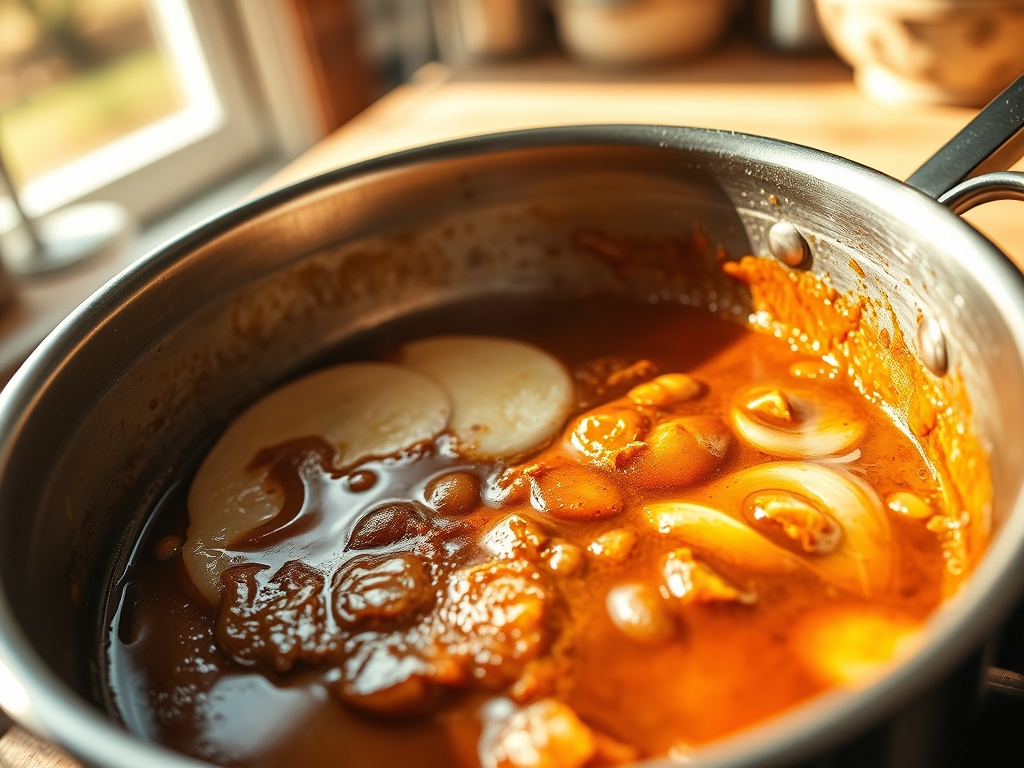
Place your saucier or a heavy-bottomed skillet over medium-high heat. Add the avocado oil and once it begins to shimmer, introduce the beef. Use a bench scraper or a stiff spatula to break the meat into uniform granules. As the fat begins to render, add your cumin seeds and smoked paprika directly into the oil pool. This will infuse the fat with fat-soluble flavor compounds.
Pro Tip: Toasting spices in the rendered fat rather than adding them to the liquid sauce increases the aromatic complexity by unlocking volatile oils that remain dormant in cold environments.
2. Viscosity Calibration
Once the meat is fully browned, drain exactly half of the rendered fat. Add the black beans and 125ml / 0.5 cup of the enchilada sauce. Stir constantly until the sauce reduces and becomes viscous. The goal is a "sloppy" consistency that does not leak. Use a digital scale to ensure each portion of meat is identical before moving to the assembly phase.
Pro Tip: Reducing the sauce directly with the meat creates a cohesive filling that prevents the "leakage" common in poorly audited wraps. This is the secret to maintaining internal structural integrity.
3. The Structural Fold
Lay the steamed tortilla on a flat surface. Spread a thin layer of sour cream in the center to act as a moisture barrier. Layer the cheese, then the meat mixture, and a final drizzle of the remaining sauce. Fold the sides inward, then roll tightly from the bottom. Ensure the seam is placed face down to maintain tension.
Pro Tip: The sour cream acts as a hydrophobic barrier, preventing the sauce from penetrating the tortilla too quickly and causing a structural collapse during the final sear.
4. The Maillard Finish
Wipe your skillet clean and return it to medium heat. Place the wraps seam-side down in the pan. Do not crowd the pan; work in batches if necessary. Press down slightly with a heavy press or another pan to ensure maximum surface contact. Sear for two minutes per side until the exterior is golden brown and crisp.
Pro Tip: This final sear uses the Maillard reaction to create a flavor-dense crust while simultaneously melting the internal cheese to act as a "culinary glue" for the Enchilada Wrap Data requirements.
Section B: Prep & Timing Fault-Lines:
The most common human error is the "Cold Core Syndrome." If your meat mixture is not piping hot when it enters the tortilla, the cheese will not melt before the exterior burns. Use an infrared thermometer to ensure your filling is at least 74C / 165F before assembly. Furthermore, if you wait too long between rolling and searing, the sauce will compromise the tortilla. The transition from assembly to the pan must be under sixty seconds.
THE VISUAL SPECTRUM
Section C: Thermal & Visual Troubleshooting:
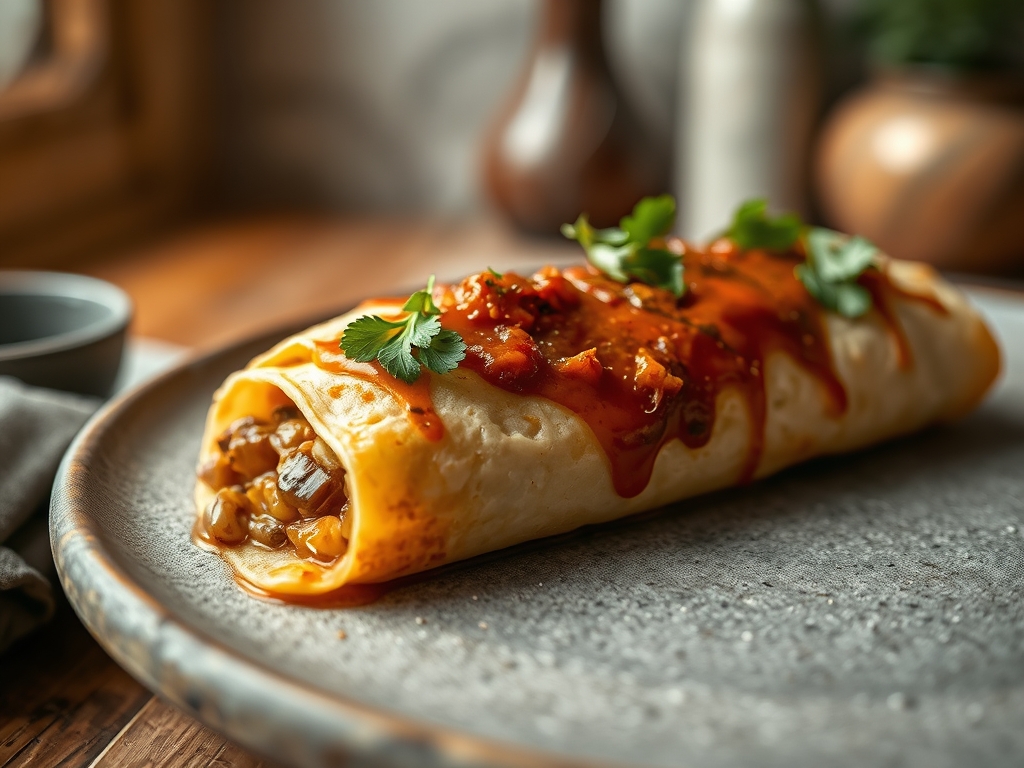
Referencing the Masterclass photo, observe the deep mahogany char on the tortilla. If your wrap looks pale, increase your heat and check your oil distribution. If the cheese is not visibly oozing from the cross-section, your internal temperature was insufficient. Dull colors in the filling usually indicate a lack of acidity; a quick squeeze of lime juice will brighten the reds and greens visually and aerate the flavor profile. If the wrap appears "soggy" in the photo, you likely skipped the sauce reduction step in the saucier. A perfect wrap should have distinct layers visible when sliced with a sharp serrated knife.
THE DEEP DIVE
Macro Nutrition Profile
Each wrap provides approximately 550 calories. You are looking at 35g of protein, 45g of carbohydrates, and 28g of fats. The high protein content comes from the beef and cheese, while the beans provide essential fiber to slow glucose absorption.
Dietary Swaps
- Vegan: Replace beef with crumbled tempeh and use a cashew-based "cheese" sauce. Ensure the enchilada sauce is oil-based rather than lard-based.
- Keto: Swap the flour tortilla for a large collard green leaf or a cheese-baked "folie." Reduce the bean count and increase the beef.
- GF: Use certified gluten-free flour tortillas. Note that these are often more brittle and require extra steaming to prevent cracking.
Meal Prep & Reheating Science
To maintain molecular structure during reheating, avoid the microwave. The microwave agitates water molecules, leading to a "steamed" and soggy tortilla. Instead, use an air fryer at 175C / 350F for five minutes. This reactivates the crispness of the exterior while gently liquefying the internal fats without overcooking the protein.
THE KITCHEN TABLE
Why is my wrap falling apart?
Usually, this is a result of overfilling or using a cold, brittle tortilla. Ensure you leave a 2 inch border around the edges and steam the tortilla to increase its tensile strength before you begin the folding process.
Can I use chicken instead of beef?
Absolutely. Ensure the chicken is finely shredded rather than cubed. Cubed meat creates air pockets that lead to structural instability. Shredded protein binds more effectively with the sauce and cheese for a denser, more reliable wrap.
How do I make the sauce spicier?
Do not just add hot sauce at the end. Instead, deglaze your pan with a splash of habanero-infused vinegar or add dried chipotle flakes during the meat rendering phase to ensure the heat is integrated into the fat.
What is the best cheese for melting?
Monterey Jack is the gold standard for its high moisture content and low melting point. For a sharper profile, mix it with an aged cheddar, but keep the ratio 2:1 in favor of the Jack for optimal flow.