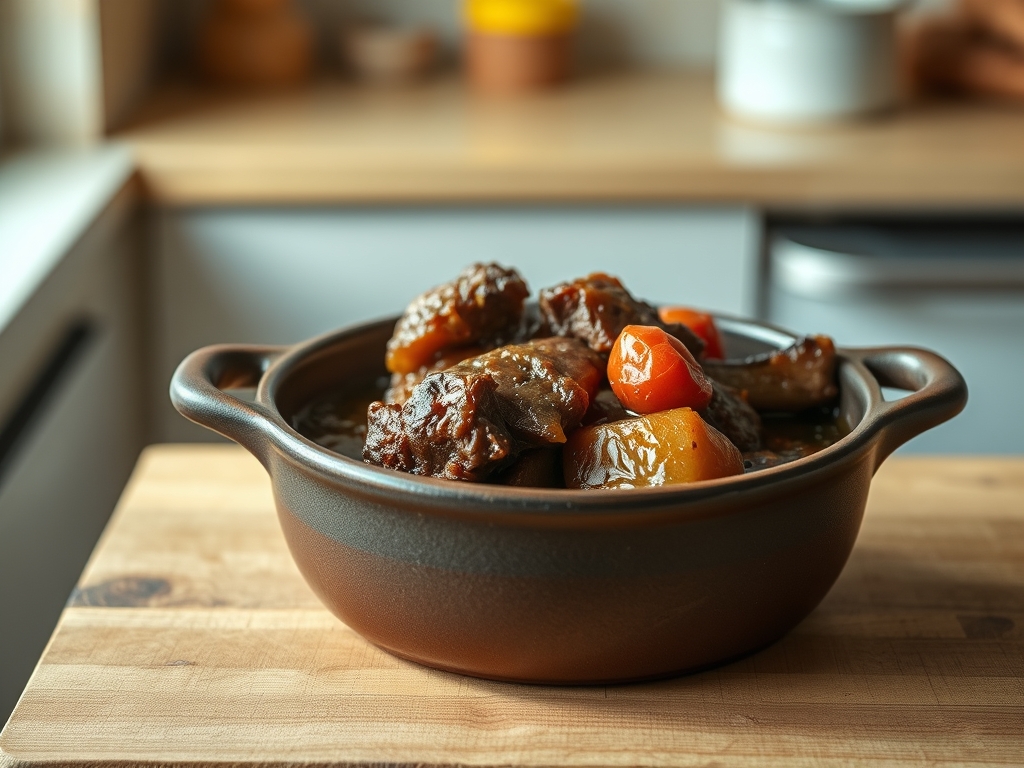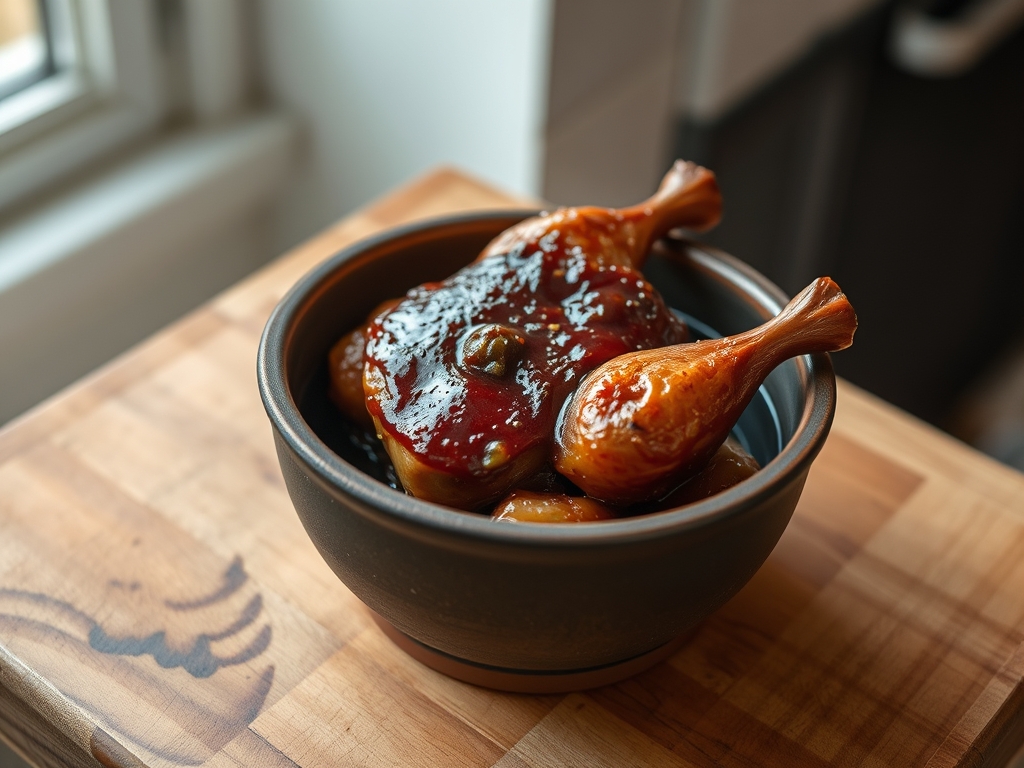
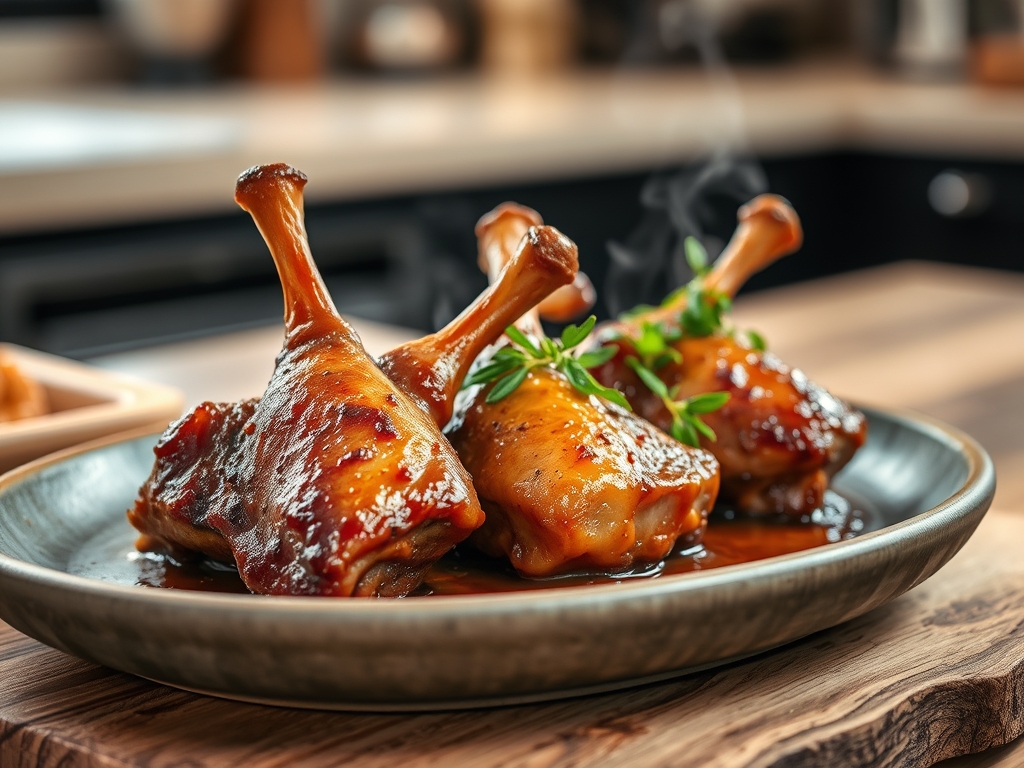
Stop thinking about dinner as a meal and start viewing it as a high stakes engineering project. We are dealing with the anatidae family; specifically, we are targeting the structural integrity of the waterfowl leg. This is not a casual simmer. This is a controlled subcutaneous fat management operation designed to transform connective tissue into silk. When you approach Braised Duck Legs, you are managing a complex matrix of collagen, intramuscular fat, and skin density. The goal is simple: achieve a skin surface that shatters like stained glass while the meat beneath undergoes a total molecular collapse into succulent, fork tender perfection. Most home cooks fail because they fear the rendered fat. They see a pool of liquid gold and panic; they drain away the flavor and leave the protein to desiccate in a dry oven. We do not panic. We audit. We harness the power of low and slow thermal conduction to emulsify the braising liquid into a viscous, lip coating nectar. Prepare your station. We are about to execute a masterclass in lipid manipulation.
THE DATA MATRIX
| Metric | Specification |
|---|---|
| Prep Time | 30 Minutes |
| Execution Time | 2.5 to 3 Hours |
| Yield | 4 Servings |
| Complexity | 7/10 |
| Estimated Cost per Serving | $8.50 – $12.00 |
THE GATHERS
Ingredient Protocol:
- 4 Duck Legs (approx. 1.1kg / 2.5 lbs)
- 500ml / 2 cups Chicken or Duck Stock (low sodium)
- 250ml / 1 cup Dry Red Wine (Pinot Noir or Cabernet)
- 2 Large Shallots (approx. 100g / 3.5 oz), finely minced
- 3 Garlic Cloves, smashed
- 15ml / 1 tbsp Tomato Paste
- 2 Sprigs Fresh Thyme
- 1 Star Anise pod
- 10g / 2 tsp Kosher Salt
- 5g / 1 tsp Cracked Black Peppercorns
Section A: Ingredient Quality Audit:
The primary failure point in duck procurement is moisture content. If your duck legs arrive sitting in a pool of purged liquid, the skin cells are hydrated and will never achieve a proper crisp. Technical Fix: Perform a dry brine. Salt the legs 24 hours in advance and leave them uncovered on a wire rack in the refrigerator. This utilizes osmosis to draw out excess moisture and tighten the skin. If your wine is too acidic, it will toughen the protein fibers. Technical Fix: Opt for a wine with moderate tannins and low acidity to ensure the braise remains balanced rather than piquant. If the stock is thin and watery, the final sauce will lack body. Technical Fix: Fortify the stock with a teaspoon of unflavored gelatin to mimic the mouthfeel of a professional demi-glace.
THE MASTERCLASS
1. The Cold Start Render
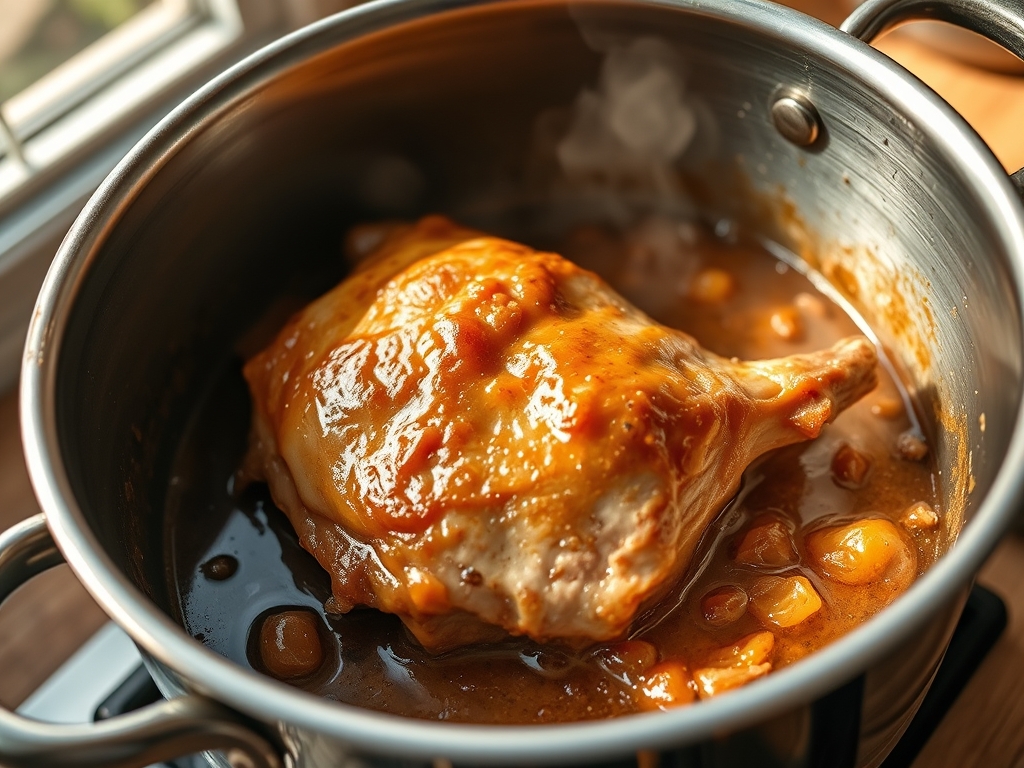
Place the duck legs skin side down in a cold saucier or heavy bottomed Dutch oven. Do not add oil. Turn the heat to medium low. This allows the fat to render slowly before the skin sears, preventing the protein from seizing. Use a digital scale to ensure even weight distribution if you are doubling the batch.
Pro Tip: The science here is "thermal equilibrium." By starting cold, you allow the heat to penetrate the thick fat layer without scorching the surface. This ensures a uniform golden hue rather than carbonized spots.
2. The Maillard Execution
Once the fat has pooled and the skin is golden brown, flip the legs for exactly 60 seconds to seal the flesh side. Remove the duck and set it aside on a clean plate. Use a bench scraper to clear any stubborn bits of skin from the pan surface to prevent bitter flavors in the sauce.
Pro Tip: This stage is about the Maillard reaction. We are creating complex flavor compounds through the interaction of amino acids and reducing sugars. Do not rush this; color equals depth of flavor.
3. Aromatics and Deglaze
Discard all but two tablespoons of the rendered fat. Add the shallots and garlic. Sauté until translucent, then stir in the tomato paste. Cook the paste until it turns a dark brick red. Pour in the wine to deglaze the pan, scraping the bottom to release the fond.
Pro Tip: Deglazing is a chemical extraction. The alcohol in the wine dissolves flavor compounds that are not water soluble, ensuring every molecule of flavor is integrated into the final braise.
4. The Submerged Simmer
Return the duck legs to the pan, skin side up. Add the stock, thyme, and star anise. The liquid should reach halfway up the sides of the legs; do not submerge the skin. Bring to a bare simmer, then transfer to a 300 degree Fahrenheit oven.
Pro Tip: Leaving the skin exposed to the dry heat of the oven while the meat is submerged in liquid allows for simultaneous braising and roasting. This is the secret to "shatter-crisp" skin.
5. The Viscous Reduction
Once the meat is tender, remove the legs. Strain the liquid through a fine mesh sieve into a small saucepan. Simmer over high heat to aerate and reduce the liquid by half until it is thick enough to coat the back of a spoon.
Pro Tip: Use a fat separator or a chilled spoon to skim any excess oil from the surface. You want a clean, viscous sauce that highlights the duck without feeling greasy.
Section B: Prep & Timing Fault-Lines:
The most common human error is the "boil vs. simmer" oversight. If the braising liquid boils, the muscle fibers will contract violently and turn into rubber. You must maintain a gentle "lazy bubble." Use an infrared thermometer to verify the liquid stays between 180 and 190 degrees Fahrenheit. If you are behind schedule, do not increase the heat. Instead, cover the pot tightly with foil to increase the internal pressure slightly, which accelerates collagen breakdown without ruining the texture.
THE VISUAL SPECTRUM
Section C: Thermal & Visual Troubleshooting:
Referencing the Masterclass photo, your duck should exhibit a deep mahogany crust. If your skin looks pale or flabby, it means the oven humidity was too high. The Fix: Switch the oven to "Broil" for the last 3 minutes of cooking, watching closely to prevent burning. If the sauce appears "broken" or oily, the emulsion has failed. The Fix: Whisk in a cold knob of butter (monter au beurre) off the heat to re-stabilize the sauce. If the meat is grey rather than a rich reddish brown, you likely skipped the sear or used a stock that lacked sufficient pigment. Always ensure your aromatics are properly caramelized before adding liquids to provide that signature visual depth.
THE DEEP DIVE
Macro Nutrition Profile:
Duck is a nutrient dense power player. A single braised leg provides approximately 35g of protein and 25g of fat. While high in calories, the majority of the fat is monounsaturated (similar to olive oil), making it a superior choice for satiety and flavor.
Dietary Swaps:
- Vegan: This technique is specifically for waterfowl; however, the braising liquid profile can be applied to "Lion's Mane" mushrooms for a similar savory depth.
- Keto: This recipe is naturally keto compliant. Ensure the wine is bone dry and avoid adding any flour or cornstarch thickeners.
- GF: Naturally gluten free. Verify that your stock brand does not use yeast extract derived from barley.
Meal Prep & Reheating Science:
To maintain the molecular structure when reheating, avoid the microwave at all costs. The microwave agitates water molecules, causing the fat to separate and the skin to become soggy. Reheat in a 350 degree oven for 12 minutes to re-crisp the skin while gently warming the interior.
THE KITCHEN TABLE
Why is my duck skin still rubbery?
You likely skipped the cold start render. Without that initial slow heat, the fat remains trapped under the skin instead of melting away. Always start with a cold pan to ensure the lipid layer is fully evacuated.
Can I use white wine instead of red?
Yes, but it alters the profile. White wine provides a more piquant, citrus forward finish. Red wine provides the tannins and body necessary for a traditional, robust Braised Duck Legs experience.
What is the best way to store leftover duck fat?
Filter it through a coffee filter into a glass jar and refrigerate. It is "liquid gold" and can be used for the best roasted potatoes of your life. It stays stable for months in the fridge.
Do I really need the star anise?
Absolutely. Star anise contains anethole, which enhances the perception of "meatiness" without making the dish taste like licorice. It is a chemical bridge that connects the savory notes of the meat to the sweetness of the shallots.