The kitchen is a high-stakes engineering bay where the primary objective is the containment of volatile proteins. When you approach a Stuffed Squid Audit, you are not merely cooking; you are managing a pressurized biological vessel. Imagine the scene: the scent of garlic hitting hot olive oil is viscous and heavy in the air. The squid mantles, translucent and slippery, wait like empty siloes ready for a structural payload. If you miscalculate the expansion of the filling, the structural integrity of the cephalopod fails, resulting in a catastrophic rupture of the "enclosure." We are looking for that perfect tension where the mantle is taut but supple, the interior is infused with aromatics, and the exterior exhibits a mahogany Maillard reaction. This is a technical evaluation of heat transfer and moisture retention. We are here to ensure that every ring is a masterclass in texture, moving from the snap of the outer skin to the tender, savory core. Let us begin the diagnostic.
THE DATA MATRIX
| Metric | Specification |
|---|---|
| Prep Time | 45 Minutes |
| Execution Time | 25 Minutes |
| Yield | 4 Servings |
| Complexity (1-10) | 7 |
| Estimated Cost per Serving | $8.50 / 7.80 Euro |
THE GATHERS
Ingredient Protocol:
- 4 Large Whole Squid (Cleaned) / 600g
- 150g / 3/4 cup Long-grain Rice (Parboiled)
- 100g / 1/2 cup Chorizo (Finely Diced)
- 1 Medium Onion (Minced) / 110g
- 3 Cloves Garlic (Crushed) / 15g
- 50ml / 3.5 tbsp Extra Virgin Olive Oil
- 250ml / 1 cup Tomato Passata
- 125ml / 1/2 cup Dry White Wine
- 5g / 1 tsp Smoked Paprika
- 15g / 1/4 cup Fresh Parsley (Chopped)
- Salt and Black Pepper to taste
Section A: Ingredient Quality Audit:
Sub-par raw materials will compromise the entire structural integrity of the dish. If your squid appears dull or possesses a "fishy" odor, the protein chains have already begun to degrade. To fix this, soak the mantles in a 5 percent saline solution for ten minutes to firm the flesh. If your chorizo is overly greasy, it will render too much fat and saturate the rice filling, causing a structural collapse. Pre-sear the diced chorizo and drain it on a paper towel before mixing. If the tomato passata is too acidic, a pinch of baking soda will neutralize the pH levels without altering the flavor profile significantly.
THE MASTERCLASS
Step-by-Step Execution:
1. Filling Synthesis
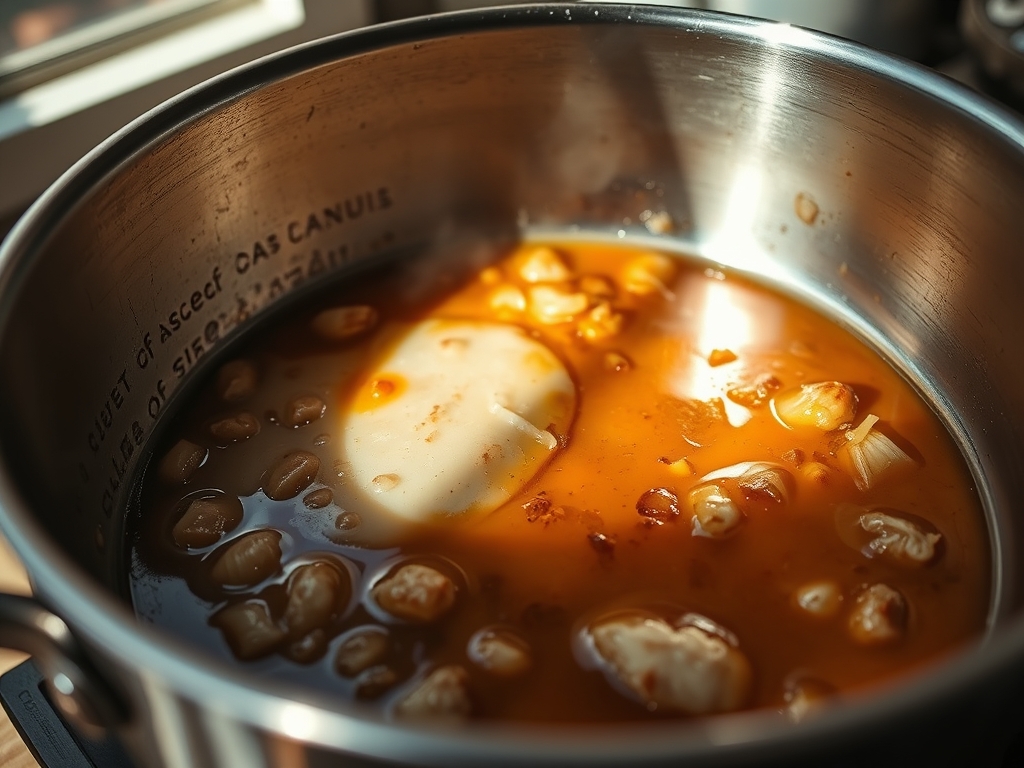
In a heavy-bottomed saucier, sauté the onions and garlic in olive oil until translucent. Add the diced chorizo and allow the fat to render until the oil turns a vibrant orange. Fold in the parboiled rice and smoked paprika. Use a bench scraper to ensure no aromatics are left on the cutting board.
Pro Tip: Use a digital scale to ensure the rice-to-meat ratio is precise. Over-stuffing with rice leads to "bursted mantles" because rice expands as it absorbs residual moisture during the secondary cook.
2. Enclosure Loading
Using a small spoon or a piping bag, fill each squid mantle three-quarters of the way full. Do not pack the filling tightly. Secure the open end with a toothpick, threading it through the flesh in a "stitch" pattern to create a mechanical seal.
Pro Tip: Use a digital caliper if you are obsessive, but generally, leaving 2cm of headspace is the industry standard for preventing thermal expansion ruptures.
3. The Sear and Deglaze
Heat a stainless steel pan until it reaches the Leidenfrost point. Add a thin film of oil and sear the stuffed mantles for 60 seconds per side. Once browned, remove the squid and deglaze the pan with white wine, scraping up the brown bits (fond) with a wooden spatula.
Pro Tip: A high-quality stainless steel pan provides better thermal mass than non-stick, ensuring a more uniform Maillard reaction across the curved surface of the squid.
4. Atmospheric Braise
Add the tomato passata to the pan and return the squid to the liquid. Cover and simmer on low heat for 15 to 20 minutes. The sauce should become viscous and coat the back of a spoon.
Pro Tip: Use an infrared thermometer to ensure the braising liquid stays between 85 and 90 degrees Celsius. Boiling the squid will cause the collagen to contract too violently, resulting in a rubbery texture.
Section B: Prep & Timing Fault-Lines:
The most common human error in this audit is the "Overcook Overload." Squid has a binary window of tenderness: it is tender after 2 minutes or after 45 minutes. Anything in between is like chewing on a radial tire. If you miss your 20-minute window, you must commit to a long braise to break down the cross-linked collagen. Another fault-line is failing to pat the squid dry before searing. Residual surface moisture creates a steam jacket that prevents browning, leading to a pale, unappealing specimen.
THE VISUAL SPECTRUM
Section C: Thermal & Visual Troubleshooting:
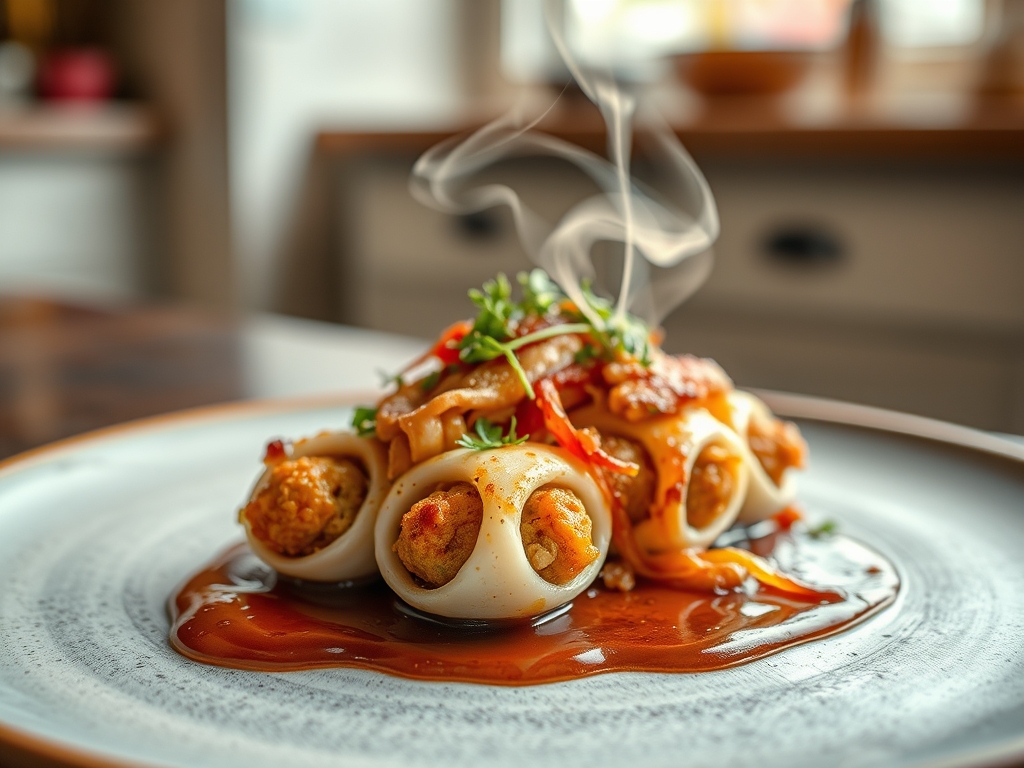
Referencing the Masterclass photo, the ideal specimen should display a deep, rust-colored glaze with visible char marks from the initial sear. If your squid looks "grey," your pan temperature was too low. If the sauce is separating, the emulsion has broken; whisk in a tablespoon of cold butter to re-stabilize the fats. Dull colors in the sauce usually indicate under-seasoning or old paprika. A final sprinkle of fresh parsley provides the necessary chromatic contrast against the deep reds of the tomato and chorizo. If the filling is falling out, your "stitch" was too wide or the toothpick was placed too close to the edge of the mantle.
THE DEEP DIVE
Macro Nutrition Profile:
A single serving provides approximately 350 calories, with 28g of protein, 15g of fat, and 22g of carbohydrates. It is high in Vitamin B12 and Selenium, making it a powerhouse for neurological health.
Dietary Swaps:
- Vegan: Replace squid with large king oyster mushroom caps (hollowed out) and use a smoked tofu and quinoa filling.
- Keto: Swap the rice for cauliflower rice and increase the chorizo ratio.
- GF: Ensure the chorizo is certified gluten-free, as some brands use flour as a binder.
Meal Prep & Reheating Science:
To maintain molecular structure during reheating, avoid the microwave at all costs. The localized excitation of water molecules will turn the squid into a rubber band. Instead, reheat gently in a covered pan with a splash of water or broth to create a steam-rich environment that preserves the moisture within the protein matrix.
THE KITCHEN TABLE
Why did my squid shrink so much?
Squid is 80 percent water. When heat is applied, the protein fibers contract and expel moisture. This is why we only fill the mantles three-quarters full; we are accounting for the inevitable volume reduction of the enclosure.
Can I use frozen squid for this?
Yes, but the freezing process creates ice crystals that puncture cell walls. You must thaw them slowly in the refrigerator and pat them extremely dry to compensate for the increased moisture leakage during the searing phase.
What is the best rice to use?
Long-grain or Jasmine rice is preferred. Short-grain or Arborio rice contains too much amylopectin, which creates a sticky, dense mass that prevents the flavors of the chorizo and wine from penetrating the center of the filling.
How do I know when it is done?
The mantle will feel firm to the touch, similar to a cooked sausage. If you use a meat thermometer, the internal temperature of the filling should reach 74 degrees Celsius to ensure food safety and optimal texture.