Listen to the sound of a boiling cauldron. It is not just water agitation; it is the sound of structural integrity under fire. We are here to discuss the most vital engineering feat in the culinary world: the boiled meat envelope. This is the Dumpling Wrap Study. Forget the delicate aesthetics of high tea. We are analyzing the tensile strength of dough and the hydraulic pressure of internal juices. When you bite into a perfectly executed dumpling, you are witnessing a pressurized vessel of flavor that must withstand 100 degrees Celsius without a catastrophic breach of the hull. This is high-stakes chemistry. We are looking for the perfect balance of elasticity and tenderness. If your wrap is too thick, it is a leaden weight. If it is too thin, it is a structural failure waiting to happen. We are auditing the very foundation of comfort food through a lens of molecular resilience and thermal dynamics. Prepare your stations. It is time to build something indestructible.
THE DATA MATRIX
| Metric | Specification |
|---|---|
| Prep Time | 45 Minutes |
| Execution Time | 15 Minutes |
| Yield | 40 Units |
| Complexity (1-10) | 7 |
| Estimated Cost per Serving | $1.25 |
THE GATHERS
Ingredient Protocol:
- 500g / 4 cups All-Purpose Flour (High protein content preferred)
- 250ml / 1 cup Boiling Water (For starch gelatinization)
- 5ml / 1 tsp Sea Salt (To strengthen the gluten network)
- 450g / 1 lb Ground Pork (30% fat ratio for internal lubrication)
- 200g / 2 cups Napa Cabbage (Finely minced and salted)
- 30ml / 2 tbsp Soy Sauce (For umami depth)
- 15ml / 1 tbsp Toasted Sesame Oil (To infuse aromatic lipids)
- 10g / 2 tsp Fresh Ginger (Grated to a viscous paste)
Section A: Ingredient Quality Audit:
If your flour has a protein content below 10 percent, your "envelopes" will lack the necessary structural "snap." To fix this, replace 10 percent of the flour volume with vital wheat gluten. If your pork is too lean, the interior will become a desiccated puck. Add a splash of cold chicken stock or render a small amount of lard to re-introduce the necessary moisture. For cabbage that is too watery, you must salt it and wait fifteen minutes; then, squeeze it through cheesecloth to prevent a soggy, structural collapse of the dough during the steaming phase.
THE MASTERCLASS
1. The Hot Water Hydration
Place your flour in a large stainless steel bowl. Slowly pour the boiling water into the center while stirring constantly with a pair of heavy-duty chopsticks. You are looking for "shags" of dough. The heat partially cooks the flour, which limits gluten development just enough to ensure the wrap remains tender while still being strong enough to hold the weight of the meat.
Pro Tip: Use a digital scale for this step. Volumetric measurements are the enemy of consistency. The exact hydration ratio determines whether your dough is a dream to roll or a sticky nightmare.
2. The Mechanical Knead
Transfer the shaggy mass to a clean surface. Use a bench scraper to gather any loose bits and begin kneading by hand for ten minutes. You are looking for a surface as smooth as a polished stone. This manual labor aligns the proteins into a cohesive, elastic sheet.
Pro Tip: The science here is simple; mechanical energy organizes the glutenin and gliadin molecules. If the dough feels resistant, cover it with a damp cloth and let it rest for thirty minutes to allow the tension to dissipate.
3. The Filling Emulsification
While the dough rests, combine your pork, ginger, and soy sauce. Stir in one direction only. This is not just a suggestion; it is a requirement. Stirring in a circular motion creates a viscous protein paste that traps the juices inside the dumpling during the cooking process.
Pro Tip: Professional chefs use a saucier or a small metal bowl set over ice to keep the fat from melting during this process. Cold fat ensures a better "burst" of juice when the consumer finally breaks the seal.
4. The Geometry of the Wrap
Divide your dough into four equal quarters. Roll each into a long cylinder and cut into 15g nuggets. Use a small wooden rolling pin to flatten each nugget into a circle with thin edges and a slightly thicker center. This "belly" supports the weight of the filling while the thin edges allow for a beautiful, delicate pleat.
Pro Tip: Keep your bench scraper handy to keep the surface clear of dried dough bits. A clean workspace prevents "structural scarring" on the surface of your wraps.
5. The Thermal Execution
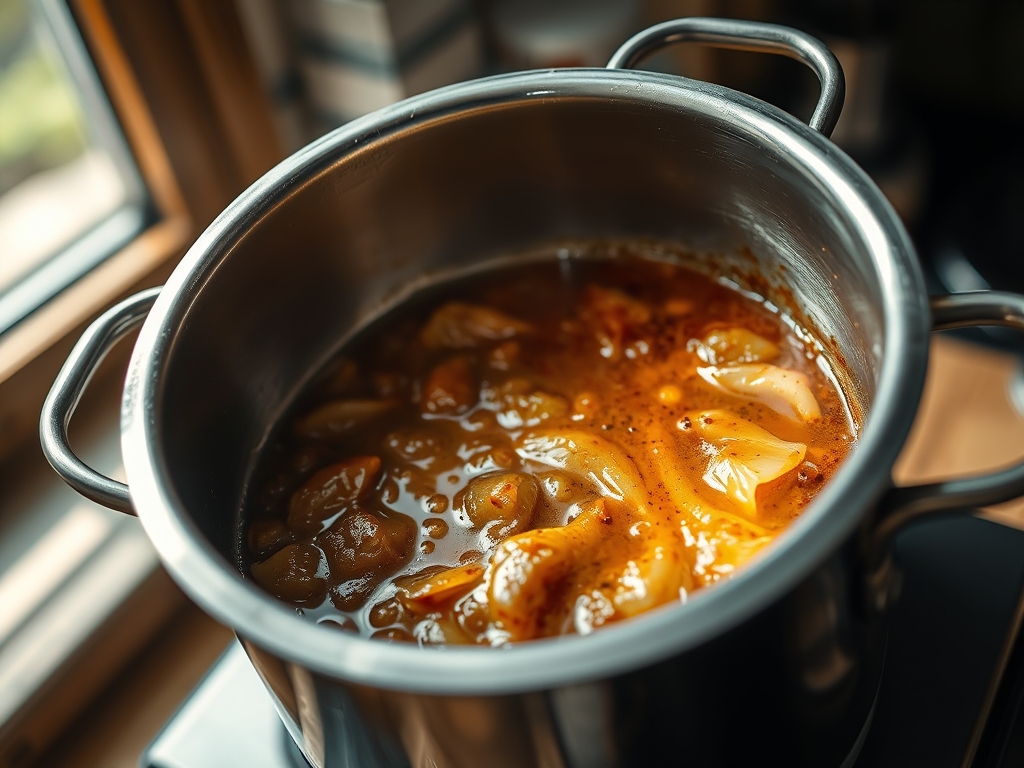
Bring a large pot of water to a rolling boil. Drop the dumplings in and stir gently to prevent sticking. When the water returns to a boil, add a cup of cold water. Repeat this three times. This "shocking" method ensures the filling is fully cooked without overextending the dough to the point of rupture.
Pro Tip: Use a spider skimmer to remove the dumplings. Tongs are too aggressive and will likely puncture the delicate skin, leading to a total loss of the internal broth.
Section B: Prep & Timing Fault-Lines:
The most common human error is the "Resting Gap." If you leave your rolled wraps exposed to the air for more than five minutes, they will dehydrate and crack during the pleating process. Keep them under a damp lint-free towel. Temperature control is also vital. If your filling is room temperature when you wrap it, the fat will begin to leach into the dough, causing it to become greasy and weak before it ever hits the water.
THE VISUAL SPECTRUM
Section C: Thermal & Visual Troubleshooting:
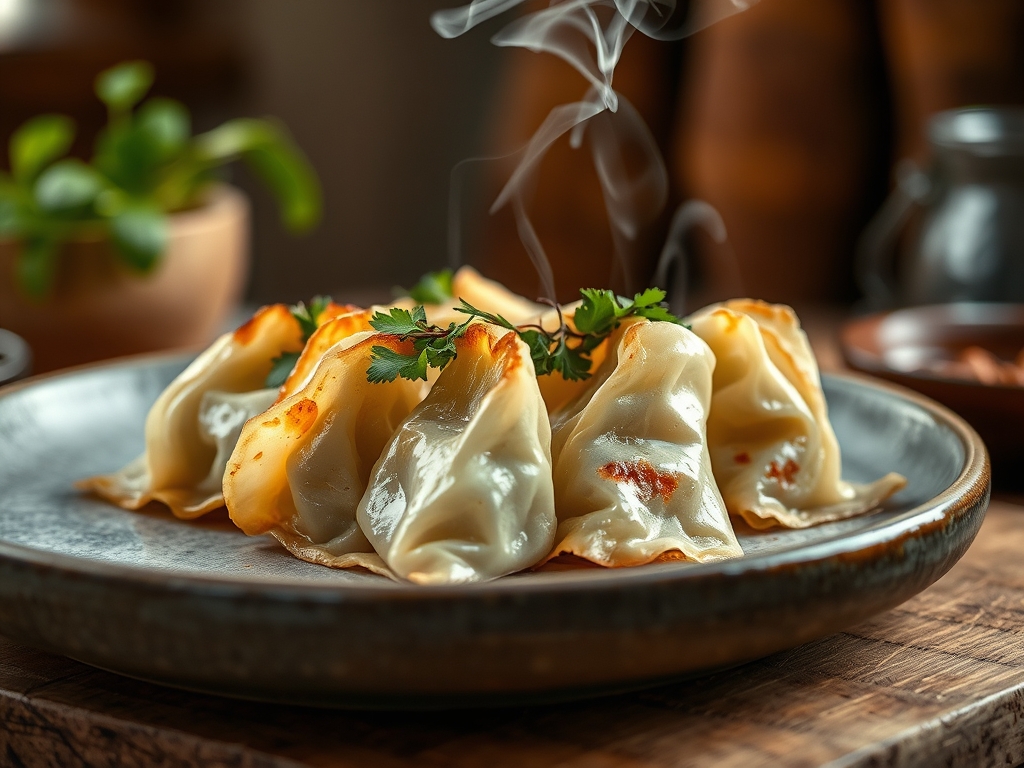
Look at the Masterclass photo. Notice the translucency of the dough; you should see the faint shadow of the filling without any actual tearing. If your dumplings look "cloudy" or thick, your rolling technique needs more pressure on the edges. If they appear grey, your pork-to-vegetable ratio is off, or your ginger has oxidized. To achieve that professional sheen, ensure the water is at a true rolling boil before the first drop. Uneven browning usually occurs if you choose to pan-fry after boiling; ensure your skillet is pre-heated and use a high-smoke-point oil to deglaze the starch remnants into a crispy "lace" or skirt.
THE DEEP DIVE
Macro Nutrition Profile:
A standard serving of five pork dumplings provides approximately 350 calories. You are looking at 15g of protein, 12g of fat, and 45g of carbohydrates. The sodium content can be high, so monitor your soy sauce intake.
Dietary Swaps:
For a Vegan iteration, replace the pork with a mixture of smoked tofu and minced shiitake mushrooms to maintain the umami profile. For Gluten-Free requirements, use a blend of rice flour and tapioca starch; however, be warned that the lack of gluten makes the dough significantly more brittle and difficult to pleat. Keto adherents often use blanched cabbage leaves as the "envelope," though this technically exits the realm of the Dumpling Wrap Study.
Meal Prep & Reheating Science:
To preserve the molecular structure, freeze dumplings in a single layer on a parchment-lined tray before bagging. Never thaw before cooking. Reheating is best done via steam to re-hydrate the starch. Microwaving is a last resort as it tends to turn the gluten into a rubbery, inedible polymer.
THE KITCHEN TABLE
How do I prevent my dumplings from sticking to the pot?
Ensure the water is at a violent, rolling boil before adding the dumplings. Use a wooden spoon to create a gentle whirlpool effect in the water. This centrifugal force keeps the envelopes from settling on the bottom and bonding to the metal.
Why did my dumpling skins fall apart in the water?
This is a classic case of low-protein flour or insufficient kneading. Without a strong gluten network, the starch cannot hold its shape against the boiling water. Next time, knead longer and ensure you are using "strong" bread flour if necessary.
Can I use cold water for the dough?
Cold water creates a much firmer, chewier dough often used for fried dumplings. For boiled dumplings, hot water is superior as it creates a more supple, "silkier" texture that is easier to digest and more pleasant to the palate.
What is the best way to store leftovers?
Store them in a single layer in an airtight container with a light coating of sesame oil to prevent sticking. Consume within 48 hours. When reheating, steam for three minutes to restore the original moisture levels to the dough.