Listen closely because your backyard reputation is currently hemorrhaging juice onto a cutting board. You have spent hours obsessing over the charcoal geometry and the internal temperature of that ribeye; yet, you are about to ruin it with a premature incision. The transition from Grill to Foil Wrap is not a suggestion; it is a mandatory structural stabilization phase for animal proteins. When meat hits the heat, the muscle fibers contract like a closing fist, squeezing moisture toward the center. If you slice it the second it leaves the grates, that pressurized liquid escapes in a tragic, steam-filled flood. We are here to conduct a full technical audit of the thermal cycle. We are talking about the kinetic energy of heat moving through tissue and the subsequent re-absorption of lipids as the fibers relax. This is where a good steak becomes a legendary experience. If you want to master the physics of the rest, put down the knife and prepare for a rigorous infrastructure inspection of your culinary workflow.
THE DATA MATRIX
| Metric | Specification |
|---|---|
| Prep Time | 20 Minutes |
| Execution Time | 45 Minutes |
| Yield | 4 Servings |
| Complexity (1-10) | 6 |
| Estimated Cost per Serving | $18.50 |
THE GATHERS
Ingredient Protocol:
- 800g / 1.75 lbs Prime Grade Bone-In Ribeye (Thickness: 1.5 inches)
- 30g / 2 tbsp Unsalted European Style Butter (High fat content)
- 15ml / 1 tbsp Avocado Oil (High smoke point)
- 10g / 2 tsp Coarse Kosher Salt
- 5g / 1 tsp Freshly Cracked Tellicherry Peppercorns
- 3 Sprigs Fresh Rosemary
- 4 Cloves Garlic (Crushed)
Section A: Ingredient Quality Audit:
If your raw materials fail the audit, the final output will be structurally unsound. A common failure point is using "Select" grade beef with insufficient intramuscular marbling. Without fat to render, the meat will become a dry, fibrous mass during the resting phase. If you find yourself with a lean cut, perform a "Fat Injection" fix: lade the meat with a viscous herb-infused butter during the final two minutes of searing. Another issue is moisture on the surface of the meat. If the protein is damp, the Maillard reaction will be replaced by gray, lackluster steaming. The fix is a 24-hour dry-brine in the refrigerator; use a digital scale to ensure exactly 1% salt-to-weight ratio to draw out moisture and tighten the surface texture.
THE MASTERCLASS
1. Thermal Priming and Surface Calibration
Before the meat even touches the flame, it must reach a uniform baseline temperature. Remove the steak from the refrigerator 45 minutes prior to cooking. Use a digital scale to measure your salt, applying it evenly across all surfaces. This creates a dry exterior that facilitates a rapid sear.
Pro Tip: This phase utilizes the principle of "Tempering." By reducing the temperature delta between the meat and the grill, you ensure the exterior does not overcook before the center reaches the target temperature. Use a bench scraper to clear your workstation of excess salt crystals to prevent localized over-seasoning.
2. The High-Velocity Sear
Heat your cast iron or grill grates until they reach 450 degrees Fahrenheit. Introduce the avocado oil; it will shimmer but not smoke excessively. Place the steak down and do not move it for three minutes. You are looking for a deep, mahogany crust.
Pro Tip: Use a heavy press or a secondary pan to ensure maximum surface contact. This maximizes the Maillard reaction, creating a complex flavor profile. A saucier should be standing by with your butter and aromatics, ready for the next phase of flavor infusion.
3. The Aromatic Baste
Reduce the heat slightly and add the butter, garlic, and rosemary to the pan. As the butter begins to foam, tilt the pan and use a large spoon to continuously drench the steak in the viscous, flavored fat. This adds a piquant depth to the crust.
Pro Tip: This is known as "Arrosage." The hot fat acts as a heat transfer medium that cooks the steak gently while the herbs infuse the exterior. Monitor the internal temperature with a high-speed probe; pull the meat when it is 5 degrees below your target.
4. The Grill to Foil Wrap Execution
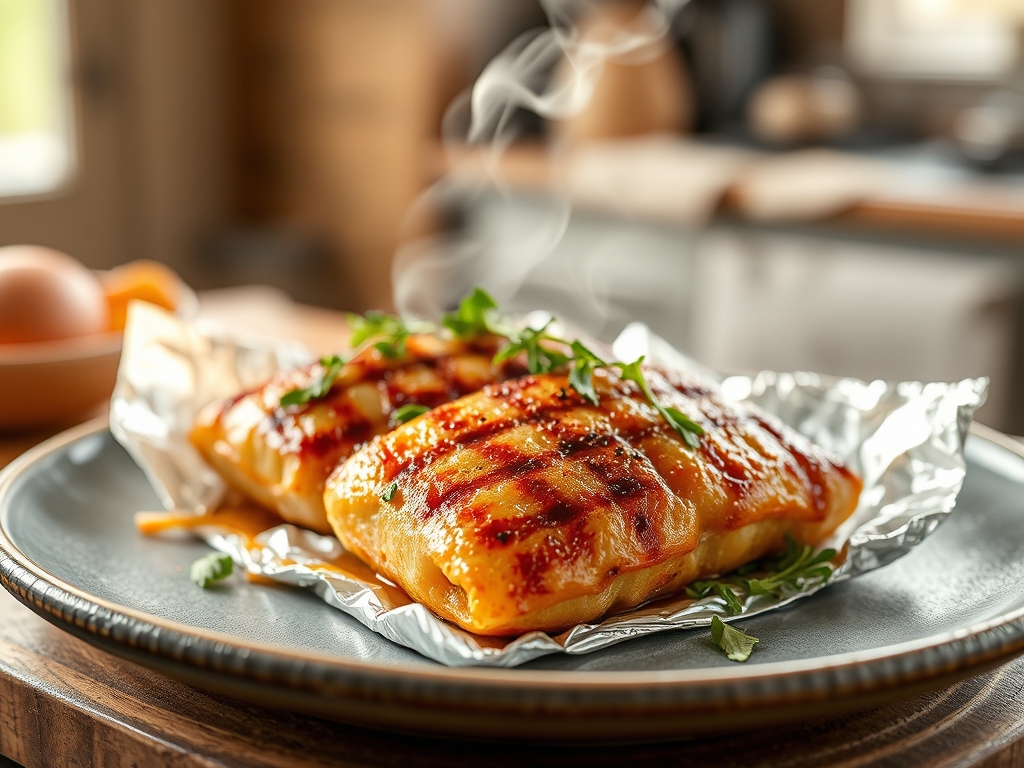
This is the critical audit point. Transfer the meat to a warm plate and tent it loosely with heavy-duty aluminum foil. Do not wrap it airtight; you want to retain heat without steaming the crust into a soggy mess.
Pro Tip: During this 10-minute window, "Carryover Cooking" occurs. The residual kinetic energy continues to move toward the center, raising the internal temperature. The muscle fibers relax, allowing the juices to redistribute and thicken as they cool slightly, ensuring a clean slice.
Section B: Prep & Timing Fault-Lines:
The most frequent human error is the "Cold Plate Collapse." If you place a hot steak on a room-temperature ceramic plate, the thermal shock causes the bottom of the meat to toughen instantly. Always pre-warm your resting vessel. Another timing error is the "Foil Suffocation." If you wrap the meat too tightly, the trapped steam will destroy the crust you worked so hard to build. The solution is a "Tent" configuration; leave small gaps at the base to allow minimal air circulation while maintaining a warm micro-environment.
THE VISUAL SPECTRUM
Section C: Thermal & Visual Troubleshooting:
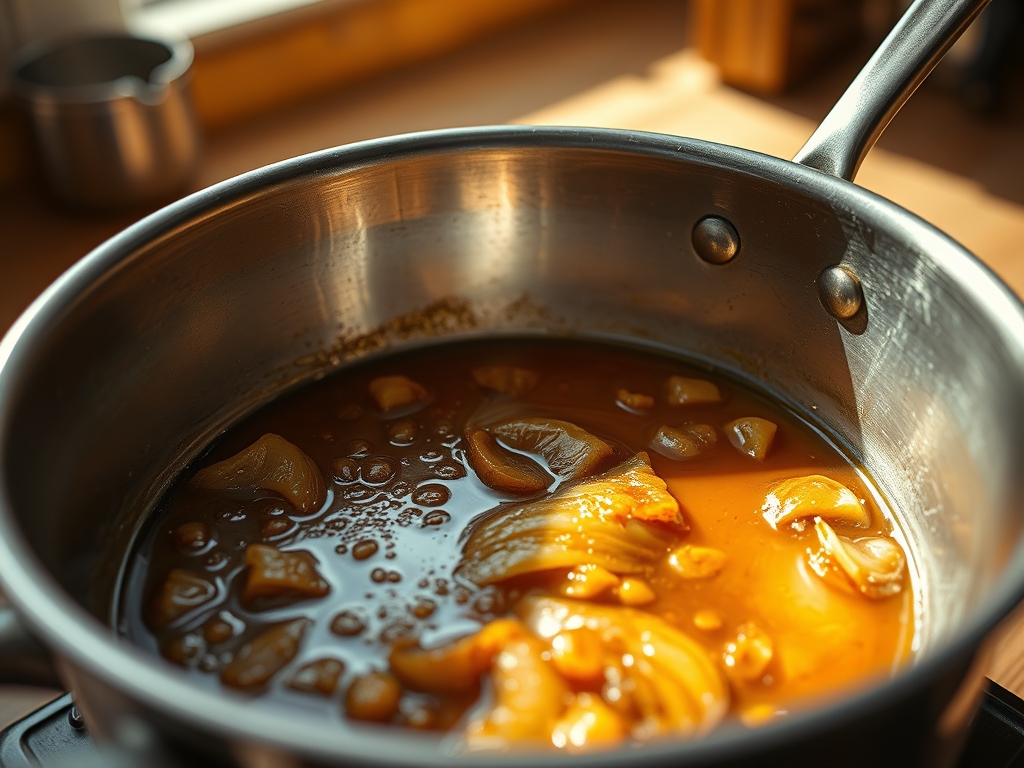
Referencing the Masterclass photo, your steak should exhibit a distinct "Gradient of Doneness." If you see a thick gray band of overcooked meat beneath the crust, your initial heat was too low for too long. To fix this, increase the initial sear temperature and decrease the duration. If the crust appears dull or matte rather than glossy, you likely lacked sufficient fat during the basting phase. To rectify, deglaze the pan with a splash of beef stock and whisk in cold butter to create a glossy pan sauce. If the interior looks "washed out" or gray rather than pink, your resting period was likely skipped or cut short, causing the myoglobin to drain out upon slicing.
THE DEEP DIVE
Macro Nutrition Profile:
A standard 200g serving of this audited ribeye provides approximately 500 calories; 42g of protein; 38g of fat; and 0g of carbohydrates. It is a high-density fuel source designed for maximum satiety.
Dietary Swaps:
- Vegan: Substitute the ribeye with a thick-cut cauliflower steak or a large Portobello mushroom. Use vegan butter (oil-based) for the basting phase to maintain the viscous mouthfeel.
- Keto/GF: This protocol is naturally Keto and Gluten-Free. Ensure your spices are pure and do not contain anti-caking agents that may include wheat derivatives.
Meal Prep & Reheating Science:
To reheat without destroying the molecular structure, avoid the microwave at all costs. The microwave agitates water molecules, causing the meat to "steam" from the inside out and become rubbery. Instead, use a low-temperature oven (250F) until the internal temperature reaches 110F. This preserves the relaxed state of the muscle fibers and prevents further protein denaturing.
THE KITCHEN TABLE
Why is my steak bleeding even after resting?
You likely cut it too soon or used a dull knife. A dull blade tears the fibers rather than slicing between them, forcing juice out. Ensure a 10-minute rest and use a razor-sharp straight-edge blade.
Can I use parchment paper instead of foil?
Parchment paper is excellent for moisture retention but poor at heat insulation. For a true Grill to Foil Wrap, the aluminum is necessary to reflect thermal energy back into the protein to manage the carryover cooking process.
What does deglaze mean in this context?
After removing the steak, you add liquid to the hot pan to loosen the "fond" (caramelized bits). This incorporates those intense flavors into a sauce, ensuring no part of the Maillard reaction goes to waste.
Should I salt the meat before or after grilling?
Always before. Salting at least 40 minutes prior allows the salt to dissolve into a brine, penetrate the meat, and break down tough proteins. Salting after only seasons the surface and fails to improve the internal texture.