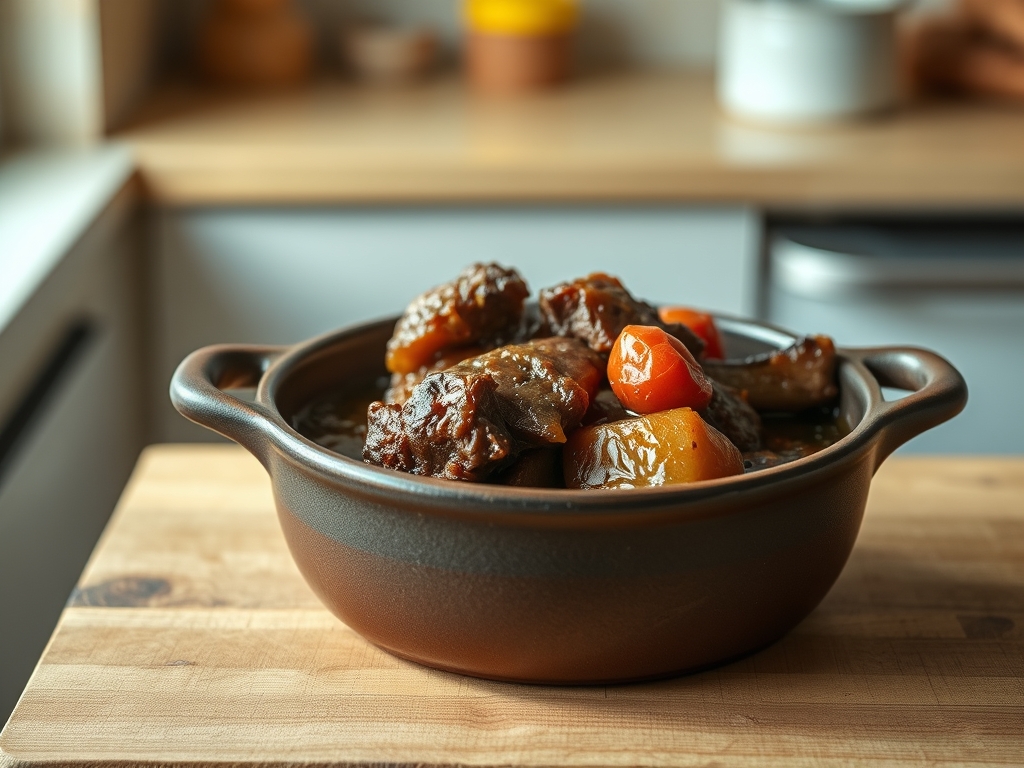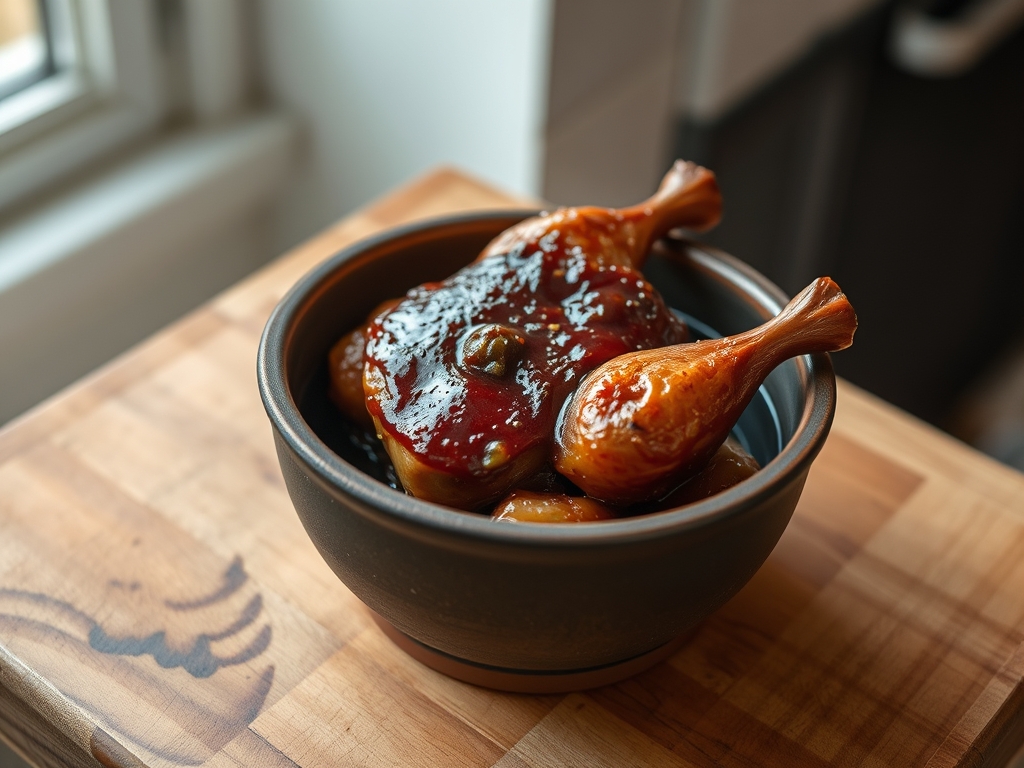
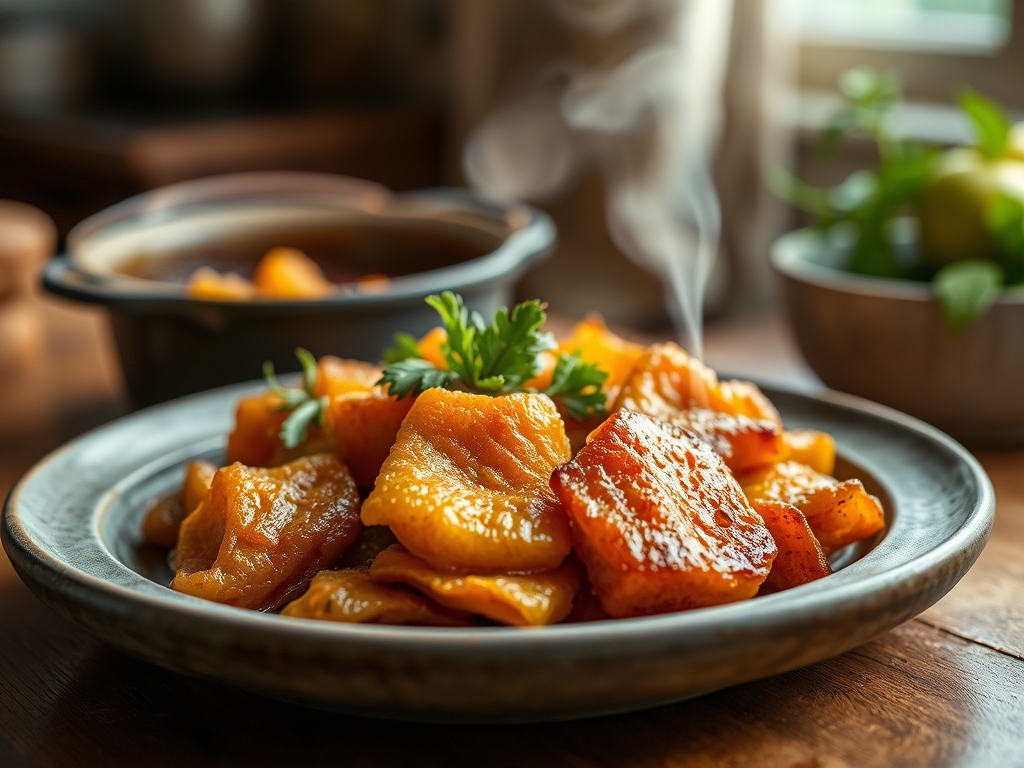
Stop treating your kitchen like a hobbyist's craft corner and start viewing it as a high-output thermal processing plant. We are here to discuss the absolute pinnacle of domestic engineering: the one pot hybrid stew. This is not just a meal; it is a masterclass in kinetic energy management and moisture retention. When we talk about Dutch Oven to Table, we are discussing a seamless transition from a high-intensity chemical reactor to a centerpiece of communal consumption. The heavy cast iron walls of your vessel are not just for show. They are heat sinks designed to maintain a consistent thermal environment that prevents the volatile aromatic compounds from escaping into your vent hood. We want those flavors trapped, compressed, and infused directly into the cellular structure of your proteins. This protocol demands precision. It demands a respect for the Maillard reaction and an understanding of how collagen transforms into gelatin. If you are ready to stop simmering and start engineering, then grab your heavy lid and prepare for a deployment of flavor that is as structurally sound as it is delicious.
THE DATA MATRIX
| Metric | Value |
|---|---|
| Prep Time | 45 Minutes |
| Execution Time | 150 Minutes |
| Yield | 6 Standard Units (Servings) |
| Complexity (1-10) | 7.5 |
| Estimated Cost per Serving | $4.25 USD |
THE GATHERS
Ingredient Protocol:
- Bovine Protein (Chuck Roast): 1.36kg / 3 lbs, cubed into 4cm blocks.
- Aromatic Base (Yellow Onion): 300g / 2 medium, finely diced.
- Root Structure (Carrots): 400g / 4 large, oblique cut.
- Starch Matrix (Yukon Gold Potatoes): 680g / 1.5 lbs, quartered.
- Liquid Medium (Beef Bone Broth): 950ml / 4 cups.
- The Catalyst (Tomato Paste): 45g / 3 tbsp.
- Deglazing Agent (Dry Red Wine): 240ml / 1 cup.
- Lipid Source (Unsalted Butter): 56g / 4 tbsp.
- Binding Agent (All-Purpose Flour): 30g / 1/4 cup.
- Herb Bundle (Thyme and Rosemary): 15g / 4 sprigs each.
Section A: Ingredient Quality Audit:
If your bovine protein lacks significant intramuscular fat (marbling), your final product will be fibrous rather than succulent. To fix this, increase the lipid source by 15 percent to artificially simulate the mouthfeel of rendered tallow. If your root vegetables feel soft or dehydrated, shock them in an ice bath for 20 minutes before the dice to restore turgor pressure. Most critically, if your bone broth tastes like salted water, reduce it by half in a separate saucier before adding it to the main vessel to concentrate the gelatinous proteins.
THE MASTERCLASS
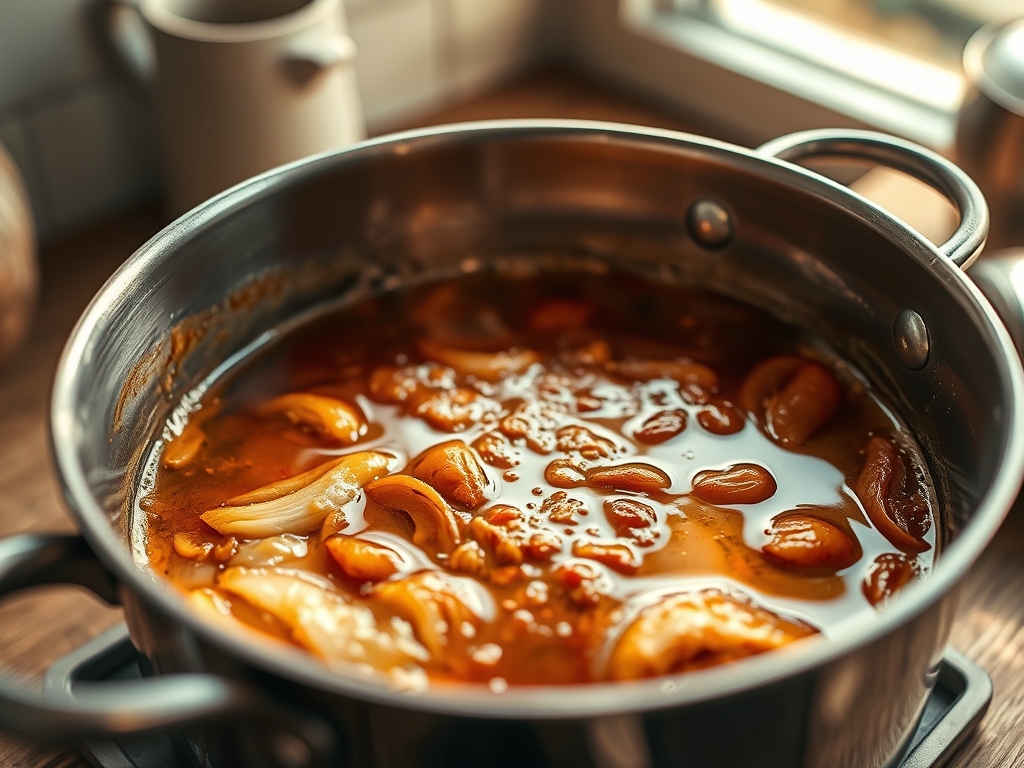
1. Thermal Priming and Protein Searing
Begin by calibrating your vessel over medium-high heat. Use a high smoke-point oil to sear the beef in batches. Do not overcrowd the floor of the pot; this leads to steaming rather than searing. We are looking for a deep mahogany crust.
Pro Tip: Use a digital scale to ensure your beef cubes are uniform in weight. Uniformity ensures that the heat penetration is consistent across all units, preventing some pieces from overcooking while others remain under-rendered.
2. The Aromatic Integration
Remove the protein and introduce your onions and carrots. Use a bench scraper to efficiently transfer your mise en place from the cutting board to the pot. Sauté until the onions are translucent and have begun to pick up the fond left by the beef.
Pro Tip: The Maillard reaction is accelerated by an alkaline environment. A tiny pinch of baking soda can speed up the browning of onions, but use it sparingly to avoid altering the pH balance of your final sauce.
3. Deglazing and Emulsification
Add the tomato paste and cook until it turns a rusty brick red. Pour in the red wine to deglaze the vessel. Scrape the bottom vigorously to incorporate the caramelized proteins back into the liquid phase.
Pro Tip: Use a flat-edged wooden spatula to ensure you reach the corners of the pot. This prevents "hot spots" where sugars can carbonize and introduce a bitter profile to your viscous sauce.
4. The Long Phase Submersion
Return the beef to the pot along with the potatoes and herb bundle. Pour in the broth until the solids are 90 percent submerged. Affix the lid and transfer to a 150C / 300F oven. This is the core of the Dutch Oven to Table philosophy; the oven provides 360-degree radiant heat that a stovetop cannot match.
Pro Tip: Use a digital probe thermometer to monitor the internal ambient temperature of the stew. You want the liquid to hover just below a boil to prevent the protein fibers from tightening and squeezing out their internal moisture.
Section B: Prep & Timing Fault-Lines:
The most common failure in this workflow is the "Rush Factor." If you attempt to accelerate the breakdown of connective tissue by increasing the temperature, you will end up with dry meat in a thin sauce. Precision timing is non-negotiable. If your potatoes are disintegrating before the beef is tender, it means you added them too early in the thermal cycle. Always add high-starch components during the final 45 minutes of the braise to maintain their structural integrity.
THE VISUAL SPECTRUM
Section C: Thermal & Visual Troubleshooting:
Referencing the Masterclass photo above, note the deep, glossy sheen of the liquid. This is a sign of a successful emulsion between the fats and the gelatin. If your stew looks dull or matte, it lacks sufficient reduction or lipid content. If the carrots look pale, they were likely boiled rather than seared; next time, ensure they spend more time in contact with the hot iron before the liquid is added. Uneven browning on the beef suggests a crowded pan; remember that moisture is the enemy of the crust. If the sauce is too thin, whisk a small amount of the liquid with flour in a separate bowl and reintegrate it to infuse the mixture with thickness.
THE DEEP DIVE
Macro Nutrition Profile:
Each serving provides approximately 480 calories. The breakdown is roughly 35g Protein, 22g Fat, and 28g Carbohydrates. This is a high-density fuel source designed for recovery and long-term satiety.
Dietary Swaps (Vegan/Keto/GF):
- Vegan: Replace beef with king oyster mushrooms and use a mushroom-based dashi instead of bone broth.
- Keto: Eliminate potatoes and flour. Use cauliflower florets and xanthan gum as a thickening agent.
- GF: Swap all-purpose flour for a cornstarch slurry or arrowroot powder to maintain the viscous texture without gluten.
Meal Prep & Reheating Science:
Stew is molecularly superior on day two. As the mixture cools, the gelatin sets into a semi-solid matrix that traps aromatics. When reheating, do so slowly over low heat to prevent the emulsion from breaking. Avoid the microwave; the uneven radiation can cause the proteins to "pop" and lose their tender texture.
THE KITCHEN TABLE
How do I get a thicker sauce without more flour?
Remove the lid for the final 30 minutes of cooking. This allows for evaporation, concentrating the natural gelatins and fats into a rich, viscous glaze that coats the back of a spoon perfectly.
Why is my beef still tough after two hours?
You likely started with a cut that was too lean or the temperature was too low to trigger the collagen-to-gelatin conversion. Check your oven calibration and ensure you are using a high-collagen cut like chuck or shank.
Can I do this in a slow cooker?
You can, but you lose the radiant heat benefits of the Dutch Oven to Table method. Slow cookers heat from the bottom, which often results in uneven textures and a lack of the deep, roasted flavor profile.
What is the best way to store leftovers?
Transfer the stew to airtight glass containers while still warm to create a slight vacuum seal as it cools. This prevents oxidation and keeps the flavors piquant and fresh for up to four days in the refrigerator.