Forget everything you know about the soggy, mayonnaise-drenched tragedies found at neighborhood potlucks. We are not here to discuss a side dish; we are here to audit the structural integrity of the starch matrix. The journey from Boil to Cold Potato is a high-stakes transition involving the precision of retrogradation and the delicate balance of an acidic emulsion. When you drop those tubers into the bubbling depths of a heavy-bottomed pot, you are initiating a thermal breakdown of crystalline structures. As they cool, those starches reorganize into a firm, bite-resistant architecture that serves as the perfect canvas for piquant aromatics and viscous fats. This is culinary engineering at its most visceral level. We are looking for that specific moment where the exterior is just shy of fluffy and the interior remains a dense, waxy vault of flavor. If you miss the window of thermal equilibrium, you end up with a bowl of wallpaper paste. If you hit it, you achieve a textural masterpiece that defies the laws of standard picnic fare.
THE DATA MATRIX
| Metric | Specification |
|---|---|
| Prep Time | 20 Minutes |
| Execution Time | 45 Minutes |
| Yield | 6 Servings |
| Complexity (1-10) | 4 |
| Estimated Cost per Serving | $1.15 |
THE GATHERS
Ingredient Protocol:
- 1.4 kg / 3 lbs Yukon Gold or Red Bliss Potatoes (Waxy variety)
- 120 ml / 0.5 cup High-quality Mayonnaise
- 30 ml / 2 tbsp Dijon Mustard
- 15 ml / 1 tbsp Apple Cider Vinegar
- 5 g / 1 tsp Celery Seed
- 100 g / 0.75 cup Finely diced Red Onion
- 45 g / 0.5 cup Freshly chopped Dill and Chives
- 10 g / 2 tsp Kosher Salt (plus extra for the boiling water)
- 5 g / 1 tsp Freshly cracked Black Pepper
Section A: Ingredient Quality Audit:
The primary failure point in the Boil to Cold Potato workflow is the selection of mealy, high-starch tubers like Russets. These varieties possess a cellular structure that disintegrates upon hydration; they are designed for mashing, not for salad architecture. If you find yourself holding a Russet, increase the acidity in your dressing to help firm up the pectin. Conversely, if your aromatics lack the necessary "crunch" or have become sulfurous, soak your diced onions in ice water for ten minutes. This process will leach out the harsh compounds and restore the piquant brightness required to cut through the fat of the dressing. Finally, if your mayonnaise appears thin or broken, whisk in a teaspoon of warm water to re-emulsify the lipids before folding it into the starch.
THE MASTERCLASS
1. Thermal Initiation and Hydration
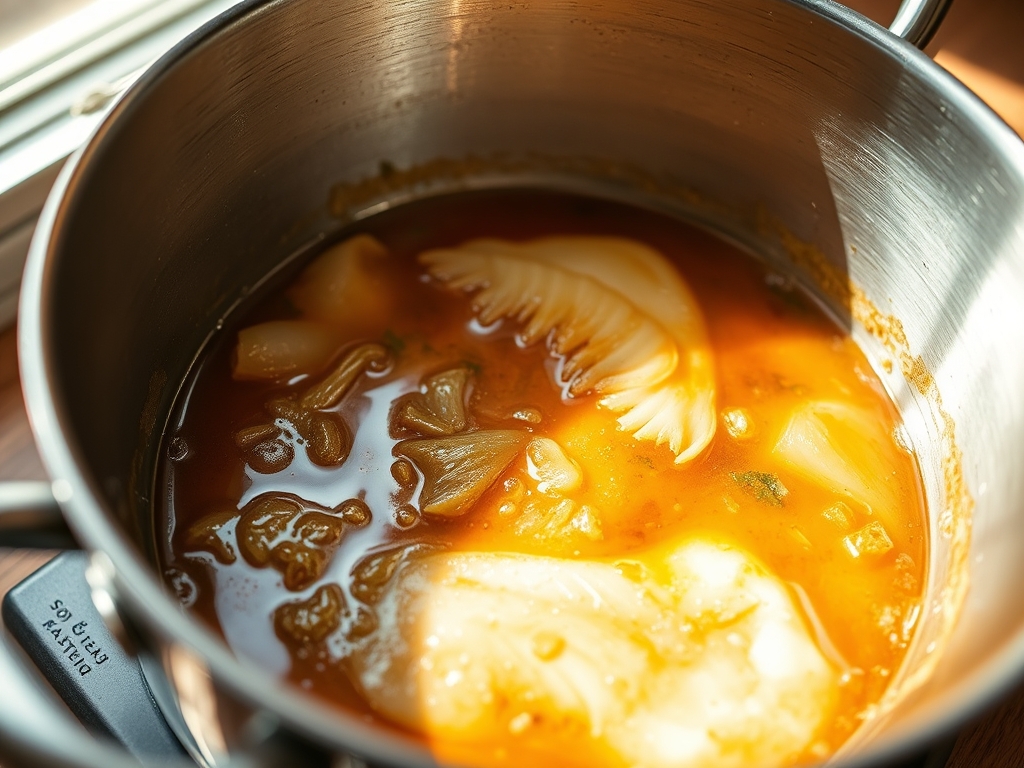
Place your cubed potatoes into a large pot and cover with cold water. It is vital to start with cold water to ensure even heat penetration. Add enough salt so the water tastes like the sea. Bring to a boil, then reduce to a simmer.
Pro Tip: Use a digital thermometer to monitor the water. Consistent simmering at 90 degrees Celsius prevents the exterior from sloughing off before the core reaches a tender state. This preserves the structural integrity of the cube.
2. The Evaporative Cooling Phase
Once the potatoes are fork-tender, drain them immediately using a heavy-duty colander. Spread them out on a rimmed baking sheet rather than leaving them in a pile. This increases the surface area for steam to escape.
Pro Tip: Use a bench scraper to move the potatoes gently without bruising the edges. Evaporating the excess surface moisture is critical; if the potatoes are wet when the dressing hits, the emulsion will slide right off.
3. Acidic Infusion
While the potatoes are still warm but no longer steaming, drizzle the apple cider vinegar over them. The heat allows the starch cells to expand and infuse the acid directly into the center of the tuber rather than just coating the outside.
Pro Tip: Accuracy is everything. Use a digital scale to measure your liquids by weight if you want perfect repeatability. This step ensures the piquant notes are locked into the cellular matrix.
4. Emulsion Integration
In a separate saucier or mixing bowl, whisk together the mayonnaise, mustard, and spices. Once the potatoes have reached room temperature, fold in the dressing and the fresh aromatics.
Pro Tip: Use a silicone spatula to fold from the bottom up. This prevents the mechanical breakdown of the potatoes. You want to aerate the mixture slightly as you fold to keep the texture light and velvety.
Section B: Prep & Timing Fault-Lines:
The most common human error in this protocol is the "Thermal Rush." If you add the mayonnaise-based dressing while the potatoes are still above 40 degrees Celsius, the fat will render and separate. This results in an oily, translucent mess rather than a creamy, opaque coating. If you have overcooked the potatoes, do not attempt to save them by over-mixing. Instead, allow them to cool completely and then very gently fold in the dressing to maintain whatever structural fragments remain. Precision timing with a kitchen timer is not a suggestion; it is a requirement for infrastructure stability.
THE VISUAL SPECTRUM
Section C: Thermal & Visual Troubleshooting:
Referencing the Masterclass photo, observe the clean edges of the potato cubes and the vibrant, flecked greens of the herbs. If your salad looks dull or grey, you likely neglected to shock your herbs in cold water or added them to a hot mixture, causing them to wilt and oxidize. If the potatoes look translucent rather than creamy white, the starch has likely retrograded too quickly in a refrigerator that is set too cold. To fix a "dry" look, do not simply add more mayo; instead, whisk a tiny amount of olive oil and lemon juice to re-glaze the surface, restoring that healthy, appetizing sheen.
THE DEEP DIVE
Macro Nutrition Profile:
A standard serving of this infrastructure provides approximately 280 calories, 18g of carbohydrates, 22g of fats (primarily from the emulsion), and 3g of protein. The resistant starch developed during the cooling phase provides a lower glycemic index compared to hot mashed potatoes.
Dietary Swaps:
For a Vegan audit, replace the mayonnaise with an avocado-oil based vegan spread or a silken tofu emulsion. For Keto enthusiasts, swap the potatoes for blanched cauliflower florets, though the "Boil to Cold" timing must be reduced by 60 percent to avoid mush. This recipe is inherently Gluten-Free, provided your mustard source is certified.
Meal Prep & Reheating Science:
This dish is one of the few that improves with age. As it sits in the cold, the flavors infuse more deeply into the starch. However, never reheat this salad. Microwaving will break the emulsion and turn the dressing into a thin, oily soup. If the salad has become too firm in the fridge, let it sit at room temperature for 15 minutes to allow the lipids to soften naturally.
THE KITCHEN TABLE
Why are my potatoes falling apart?
You likely used a starchy Russet or over-boiled them. Stick to waxy varieties like Yukon Gold. Ensure you start with cold water to prevent the outside from cooking faster than the inside, maintaining structural integrity.
Can I skip the vinegar step?
Negative. The vinegar serves as a chemical brightener and a structural stabilizer. Adding it while the potatoes are warm ensures the flavor penetrates the starch matrix rather than just sitting on the surface.
How long does this stay structurally sound?
When stored in an airtight container at 4 degrees Celsius, the salad maintains its integrity for 3 to 5 days. Beyond that, the vegetables will begin to weep moisture and the emulsion will thin.
Why is my dressing disappearing?
The potatoes were likely too dry or too hot. If they are too hot, the fat melts. If they are too dry, they soak up the dressing like a sponge. Aim for a "just-cooled" dampness before mixing.