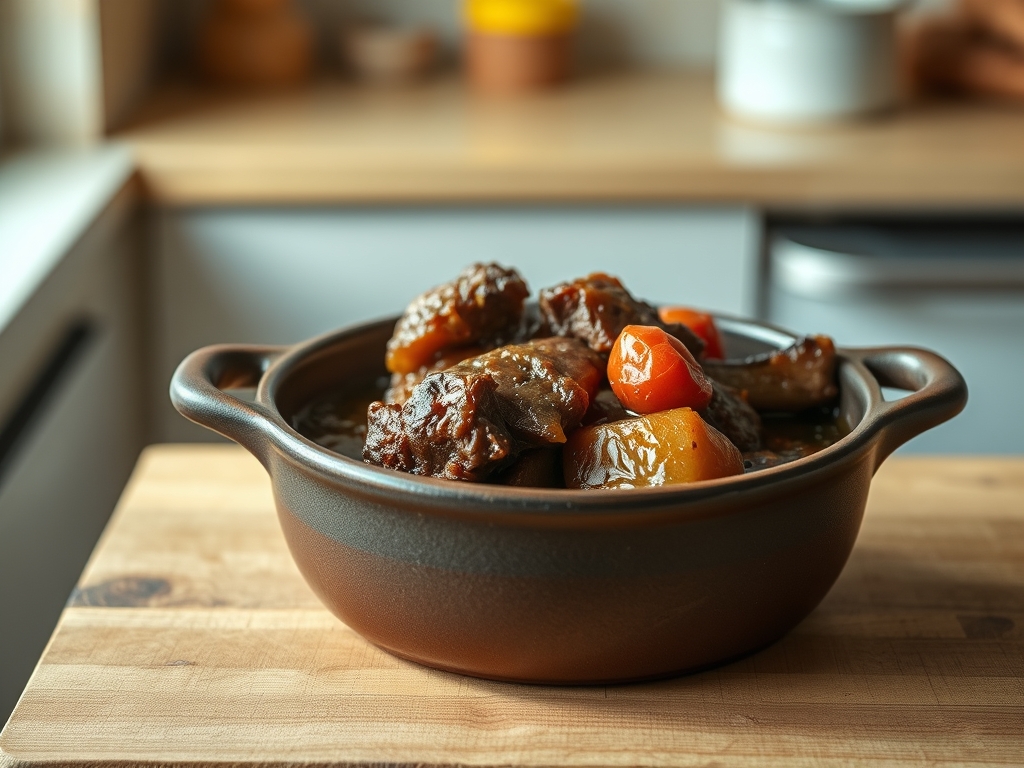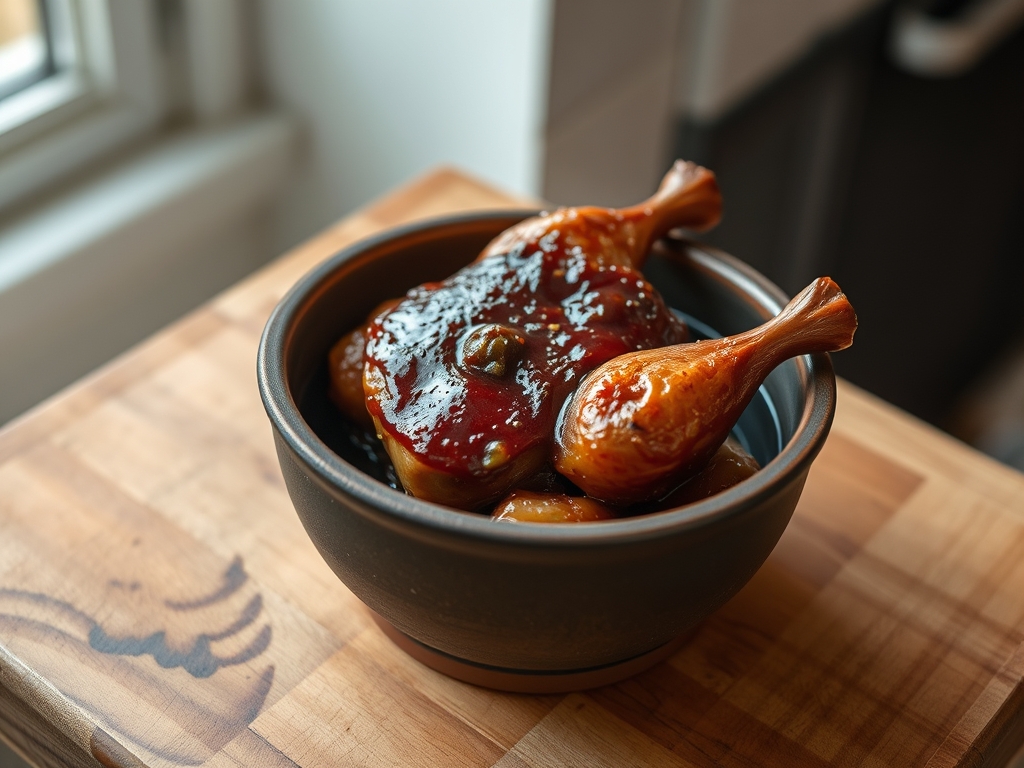
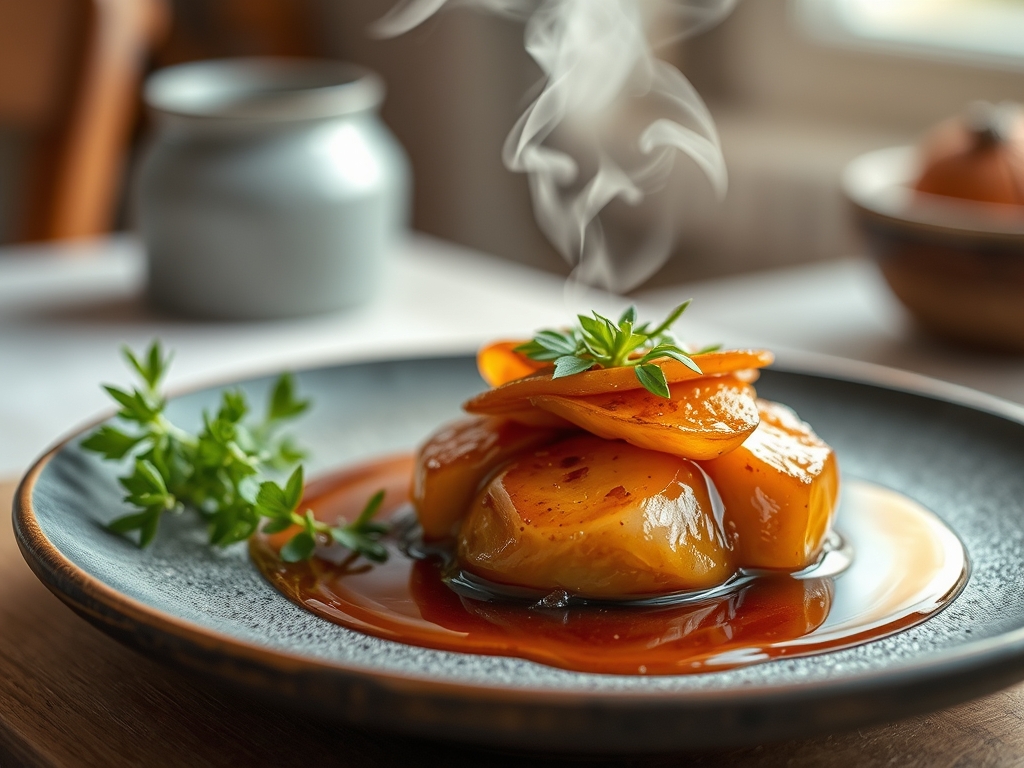
Imagine a liquid so dense it defies the laws of standard flow; a substance that clings to a spoon with the stubbornness of a heavy oil yet shines like polished mahogany under the kitchen gantry lights. This is the realm of the cold set syrup. We are not merely simmering sugar and water here. We are conducting a high stakes thermal intervention. The goal is a perfect Reduction to Glaze. This process requires the systematic evaporation of water molecules to concentrate flavor compounds and increase viscosity until the liquid reaches a state of suspended animation. If you miss the window, you end up with a brittle candy or a watery disappointment. When executed with precision, the result is a piquant, glass-like coating that transforms a simple plate into a high-end architectural statement. We are looking for that specific moment where surface tension peaks and the sugars begin to polymerize. This audit will dissect the molecular transition from a thin infusion to a professional grade glaze, ensuring your infrastructure is capable of handling the heat.
THE DATA MATRIX
| Metric | Specification |
|---|---|
| Prep Time | 15 Minutes |
| Execution Time | 45 Minutes |
| Yield | 350ml / 1.5 Cups |
| Complexity (1-10) | 7 |
| Estimated Cost per Serving | $0.85 |
THE GATHERS
Ingredient Protocol:
- 500ml / 2 Cups High-Quality Balsamic Vinegar (Aged 6+ years preferred)
- 150g / 0.75 Cup Granulated White Sugar (Fine grain for rapid dissolution)
- 2 Large Sprigs Fresh Rosemary (For volatile oil infusion)
- 5g / 1 Tsp Sea Salt (To balance the browning reaction)
- 30ml / 2 Tbsp Cold Filtered Water (For final consistency adjustment)
Section A: Ingredient Quality Audit:
The primary failure point in a Reduction to Glaze is the use of "imitation" vinegars that contain caramel coloring and thickeners like cornstarch. These additives burn at lower temperatures and create a gritty mouthfeel. If your vinegar lacks the natural acidity to cut through the sugar, add 5ml of lemon juice to recalibrate the pH level. If your sugar is clumping due to humidity, sifting is non-negotiable. Using low-grade dried herbs instead of fresh will result in a dusty, muted flavor profile; always opt for fresh aromatics to ensure the essential oils infuse properly into the syrup matrix.
THE MASTERCLASS
Step-by-Step Execution:
1. Thermal Loading and Dissolution
Place your saucier on a digital scale to tare the weight before adding the vinegar and sugar. Whisk the mixture over medium heat until the sugar crystals are fully dissolved. This prevents premature crystallization on the walls of the pan.
Pro Tip: Use a rounded saucier rather than a straight-sided saucepan. The curved bottom allows for better whisk contact and prevents "dead zones" where sugar can scorch and ruin the batch.
2. The Infusion Phase
Add the rosemary sprigs and salt once the liquid reaches a gentle simmer. Do not allow the mixture to reach a rolling boil yet. You want to render the aromatic compounds slowly to avoid extracting bitter tannins from the herb stems.
Pro Tip: Use a bench scraper to keep your workstation clean while prepping herbs. Maintaining an organized environment prevents cross-contamination of flavors during the delicate reduction process.
3. The Reduction to Glaze
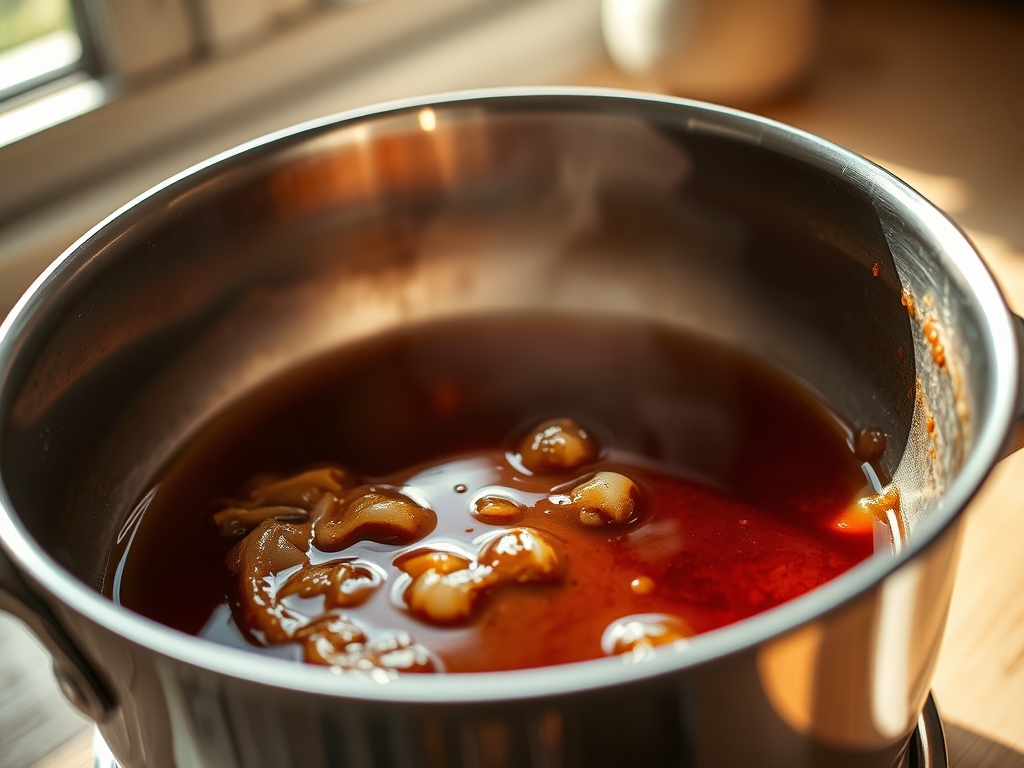
Increase the heat slightly to maintain a steady simmer. Watch for the bubbles to change from small and frantic to large, slow, and "lazy." This indicates that the water content has dropped significantly and the sugar concentration is rising.
Pro Tip: Monitor the temperature with an infrared thermometer. You are aiming for approximately 105 degrees Celsius (221 degrees Fahrenheit). At this stage, the liquid will coat the back of a spoon in a thick, translucent sheet.
4. Cold Set Verification
Remove the pan from the heat and discard the rosemary. Take a small spoonful of the syrup and drop it onto a chilled plate. If the syrup holds its shape without spreading, you have achieved a successful cold set.
Pro Tip: If the glaze is too thick, whisk in a teaspoon of cold filtered water to aerate and loosen the structure. Professional chefs use this "mounting" technique to achieve the perfect pourable consistency.
Section B: Prep & Timing Fault-Lines:
Human error usually occurs during the final five minutes of the reduction. If you walk away, the residual heat in the pan can push the glaze into the "hard crack" stage, turning your syrup into a rock-hard caramel. Always use a timer and stay within visual range of the stove. If the mixture begins to foam excessively, the heat is too high; remove the pan from the burner immediately to stabilize the internal temperature.
THE VISUAL SPECTRUM
Section C: Thermal & Visual Troubleshooting:
The Masterclass photo displays a deep, obsidian sheen with a mirror-like finish. If your glaze appears dull or cloudy, it is likely due to over-agitation or the presence of impurities in the sugar. To fix this, strain the finished glaze through a fine-mesh chinois. If you notice uneven browning or "hot spots" in the color, your heat source is inconsistent. Use a heat diffuser under your pan to ensure even thermal distribution. If the texture is grainy, the sugar did not fully dissolve before the reduction began; you can attempt to save it by adding a splash of water and reheating slowly to re-dissolve the crystals.
THE DEEP DIVE
- Macro Nutrition Profile: This glaze is primarily composed of simple carbohydrates. One serving (15ml) contains approximately 45 calories, 11g of sugar, and 0g of fat or protein. It is a high-impact flavor tool used in small quantities.
- Dietary Swaps: For a vegan version, ensure the sugar is bone-char free. For a keto-friendly alternative, use allulose as the sweetener; it behaves most like sucrose during reduction. For a gluten-free guarantee, verify the vinegar source is not derived from malt.
- Meal Prep & Reheating Science: Store the glaze in a glass airtight container at room temperature. Do not refrigerate, as this can trigger crystallization. To reheat, place the container in a warm water bath to gently lower the viscosity without scorching the sugars. This preserves the molecular structure and prevents the glaze from becoming "stringy."
THE KITCHEN TABLE
Why does my glaze turn into hard candy when it cools?
You have reduced the liquid too far, removing nearly all water content. This pushes the sugar into a higher concentration stage. Always stop the reduction when the liquid is slightly thinner than your desired final result.
Can I use honey instead of white sugar?
Yes, but honey contains more moisture and different enzymes. The reduction time will increase, and the flavor will be significantly more floral. Monitor the heat closely as honey burns faster than granulated sugar.
How do I get that "restaurant shine" on my plates?
The shine comes from the high sugar concentration and proper filtration. Straining the glaze through a fine cloth removes micro-sediment, allowing light to reflect off the surface rather than being absorbed by particles.
Is it possible to over-infuse the herbs?
Absolutely. If rosemary or thyme is left in the boiling syrup for too long, the heat breaks down the cellulose, releasing a "woody" or bitter taste. Remove aromatics once the scent is prominent but before the leaves darken.
What is the best way to clean a scorched pan?
Do not scrub immediately. Fill the pan with water and a tablespoon of baking soda, then bring it to a boil. The carbonized sugar will release from the metal, allowing you to wipe it clean with a soft sponge.