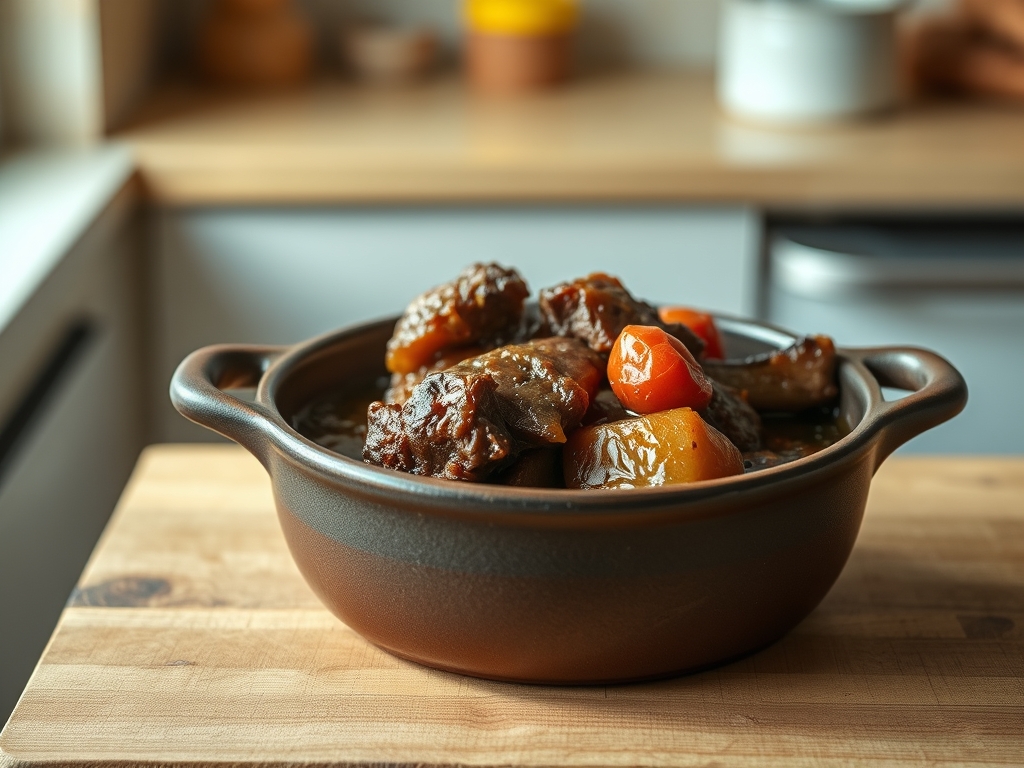
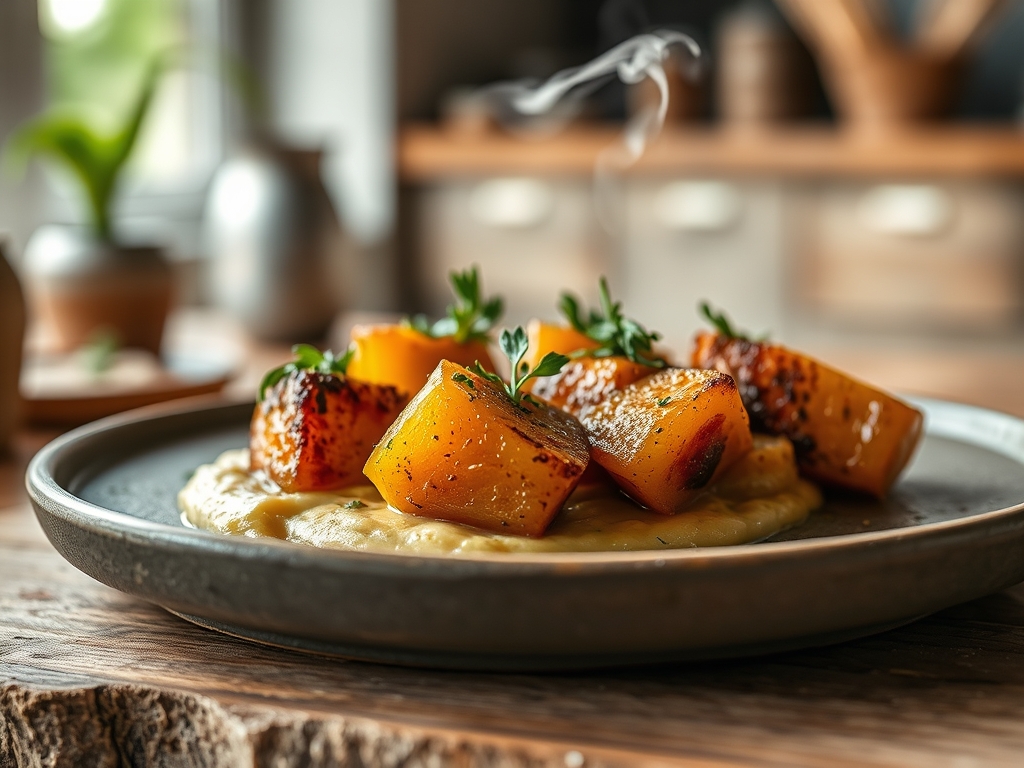
Listen to the high-pitched whine of the blade as it hits ten thousand revolutions per minute. This is not just cooking; it is a violent restructuring of cellular walls. You are taking raw, fibrous matter and forcing it into a state of liquid submission. The transition from Blender to Saucier represents the ultimate bridge between mechanical destruction and thermal refinement. In the blender, we achieve the viscous foundation. In the saucier, we achieve the soul. We are looking for that perfect, light-reflecting sheen that only comes from a precise reduction of moisture and the emulsification of fats. If your puree looks like baby food, you have failed the audit. We want a silk-like texture that clings to the back of a spoon with gravitational defiance. This process requires you to respect the physics of heat transfer and the chemistry of starch gelatinization. We are moving from the chaotic energy of the motor to the disciplined, steady simmer of the flame. Prepare your station. The audit of your culinary infrastructure begins now.
THE DATA MATRIX
| Metric | Specification |
|---|---|
| Prep Time | 20 Minutes |
| Execution Time | 35 Minutes |
| Yield | 1.2 Liters / 5 Cups |
| Complexity (1-10) | 7 |
| Estimated Cost per Serving | $1.45 |
THE GATHERS
Ingredient Protocol:
- 800g / 1.75 lbs Yukon Gold Potatoes (peeled and cubed)
- 250ml / 1 cup Heavy Cream (minimum 36% milkfat)
- 115g / 1 stick High-Quality Unsalted Butter (chilled)
- 15g / 1 tbsp Kosher Salt
- 2g / 0.5 tsp White Pepper (fine grind)
- 50ml / 0.2 cup Roasted Garlic Oil
- 5g / 1 tsp Xanthan Gum (optional stabilizer)
Section A: Ingredient Quality Audit:
If your potatoes are sprouting or soft, the starch has already begun converting to sugar. This results in a gluey, sweet mess that no amount of butter can save. Fix: Soak cubed potatoes in cold, acidified water (lemon juice or vinegar) for ten minutes to strip excess surface starch before boiling. If your cream lacks the necessary fat content, the emulsion will break under high heat. Fix: Incorporate a cold butter mount (monter au beurre) at the very end of the reduction phase to artificially boost the lipid profile and create a glossy finish.
THE MASTERCLASS
1. The Thermal Breakdown
Boil the tubers in heavily salted water until they offer zero resistance to a paring knife. Do not undercook; a firm core will create granular "sand" in the final product. Drain thoroughly and allow them to steam-dry for two minutes.
Pro Tip: Use a digital scale to ensure your salt-to-water ratio is exactly 1.5 percent. This ensures the seasoning penetrates the starch molecule before it gelatinizes.
2. High-Shear Pulverization
Transfer the hot tubers to a high-speed blender. Add the cream and garlic oil. Start on the lowest setting and quickly ramp up to maximum velocity. Process for no more than forty-five seconds to avoid overheating the starch.
Pro Tip: High-speed blenders generate friction heat. If you exceed sixty seconds, the starch granules will burst and turn the mixture into an elastic, unappealing paste. Use a bench scraper to ensure every gram of material is cleared from your workspace.
3. The Saucier Reduction
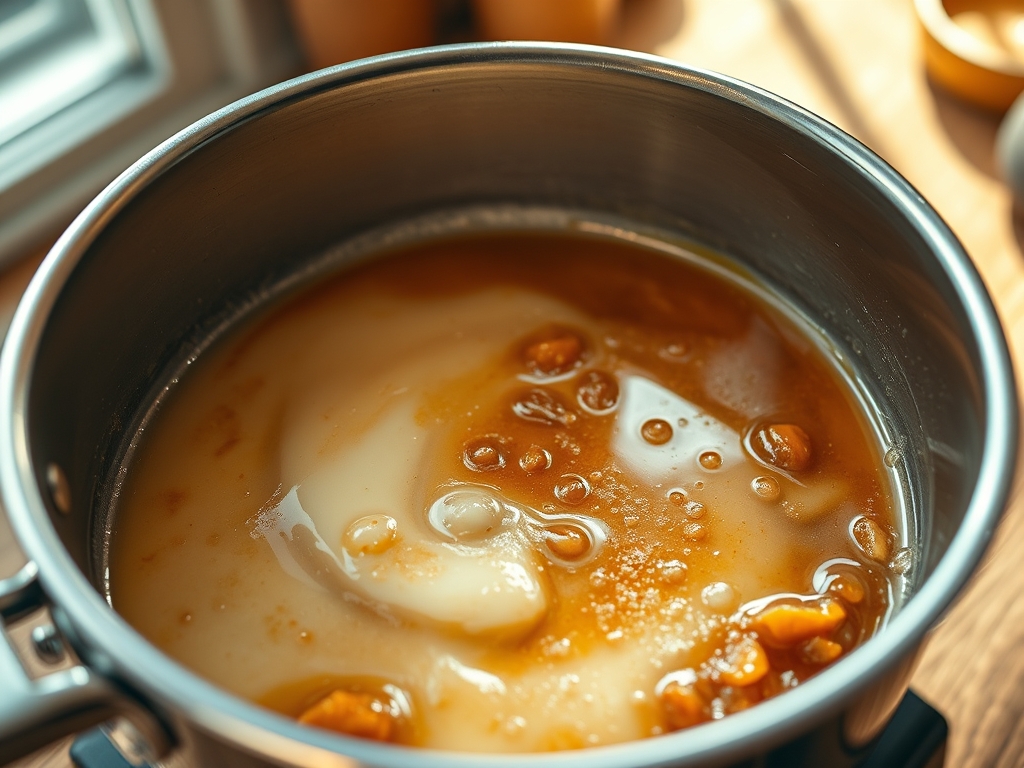
Pour the aerated mixture into a stainless steel saucier. The curved bottom of the saucier is critical for constant movement. Set over medium-low heat and whisk continuously. We are looking to render out excess moisture to concentrate the flavor.
Pro Tip: The saucier design prevents "dead zones" where the puree can scorch. Constant whisking introduces air, which helps to aerate the mixture and maintain a light, mousse-like volume.
4. The Lipid Emulsion
Once the mixture has thickened and reduced by ten percent, begin dropping in cubes of chilled butter one at a time. Whisk vigorously to create a stable emulsion. The temperature should remain below 175 degrees Fahrenheit to prevent the butter from separating.
Pro Tip: Cold butter creates a finer emulsion than room-temperature butter. This is the secret to the "mirror finish" seen in professional kitchens. Use a digital thermometer to monitor the "break point" of your fats.
Section B: Prep & Timing Fault-Lines:
The most common failure is the "Cooling Gap." If the puree cools too much between the blender and the saucier, the starches begin to retrogress. This creates a grainy texture that is impossible to smooth out. You must move with speed. Another fault-line is the "Over-Reduction." If you lose too much moisture in the saucier, the puree will become "heavy" and coat the palate in an unpleasant, waxy film. If this happens, immediately whisk in a tablespoon of warm milk to restore the viscous flow.
THE VISUAL SPECTRUM
Section C: Thermal & Visual Troubleshooting:
Referencing the Masterclass photo, your puree should exhibit a "soft-peak" architecture. It should hold its shape when plated but show a visible liquid shimmer under overhead lighting. If your puree looks dull or matte, you have likely under-emulsified the butter or used too little fat. If the color is greyish rather than vibrant ivory, you likely used black pepper instead of white pepper or oxidized the potatoes by leaving them exposed to air after peeling. For uneven browning or "skin" formation, ensure you are using a cartouche (a parchment paper lid) if the puree sits for more than three minutes before service.
THE DEEP DIVE
Macro Nutrition Profile:
A standard 150g serving contains approximately 320 calories, 22g of fat, 28g of carbohydrates, and 3g of protein. This is a high-density energy source designed for flavor impact rather than caloric restriction.
Dietary Swaps:
- Vegan: Replace heavy cream with full-fat coconut milk and butter with a high-quality vegan cultured butter. Add a pinch of nutritional yeast to replicate the lactic tang.
- Keto: Swap potatoes for steamed cauliflower. Reduce the cauliflower significantly longer in the saucier to account for the higher water content.
- Gluten-Free: This recipe is naturally gluten-free; however, ensure your xanthan gum is certified to avoid cross-contamination.
Meal Prep & Reheating Science:
To maintain the molecular structure during reheating, do not use a microwave. The localized hotspots will break the fat emulsion. Instead, place the puree back into a saucier with a splash of cream over low heat. Whisk constantly to re-incorporate the fats as they melt.
THE KITCHEN TABLE
Why is my puree gummy?
Gummy texture is caused by over-working the starch. High-speed blenders are powerful; forty-five seconds is the limit. If you exceed this, the starch molecules break and release amylose, creating a sticky, glue-like consistency that cannot be fixed.
Can I use a food processor instead?
A food processor lacks the RPMs necessary to achieve a truly viscous and silky texture. It will leave small particles behind. For a professional-grade audit, a high-speed blender is the only acceptable mechanical tool for this task.
What does the xanthan gum do?
Xanthan gum acts as a stabilizer. It prevents "weeping," where water separates from the solids over time. It is particularly useful if you are preparing the puree in advance for a large dinner party or catering event.
Why use a saucier instead of a saucepan?
The saucier has rounded walls that allow a whisk to reach every millimeter of the surface. A standard saucepan has 90-degree corners where the puree will trap, overheat, and eventually burn, ruining the entire batch with a scorched flavor.