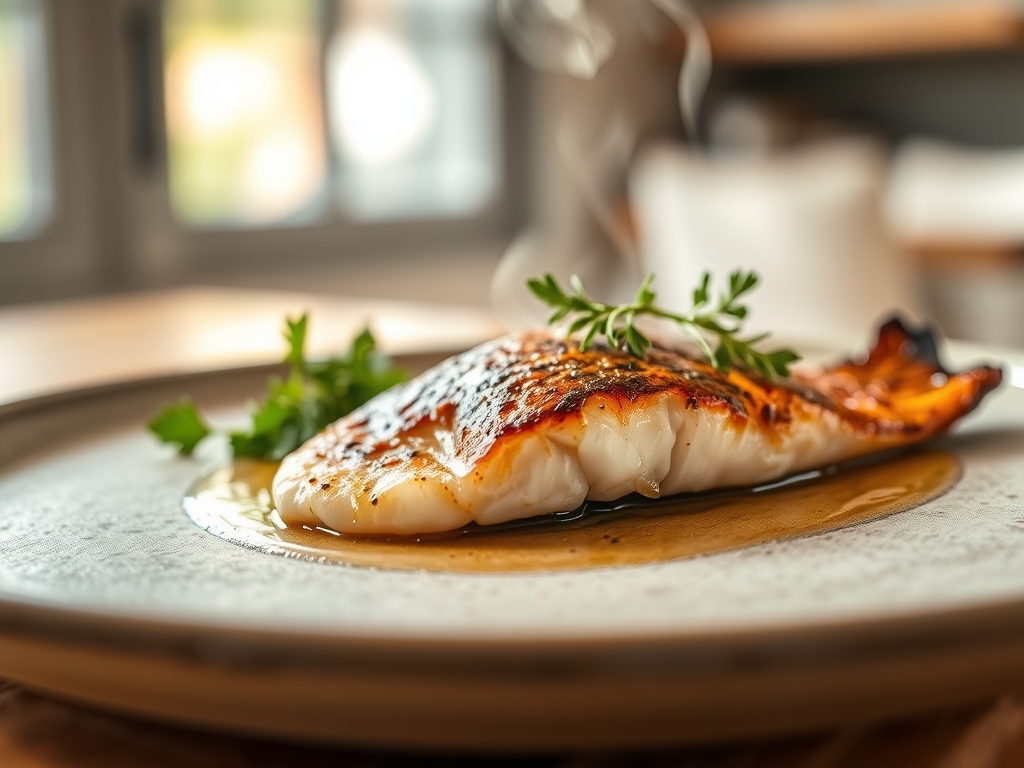
Imagine a piece of King Salmon that defies the laws of standard thermodynamics. On the surface, you have a crust so crisp it shatters like glass under the weight of a silver fork. Directly beneath that golden armor lies a core of translucent, butter-soft protein that has never seen the aggressive side of a flame. This is the paradox of the hybrid method. We are moving beyond the amateurish mistake of overcooking the exterior to reach the interior. By utilizing the Poach to Sear Fish technique, we manipulate the thermal gradient of the fillet to ensure edge-to-edge perfection. This isn't just cooking; it is an architectural overhaul of the salmon's cellular structure. We start with a gentle, aromatic bath to set the proteins without tightening the muscle fibers. Then, we finish with a high-velocity thermal shock to trigger the Maillard reaction. The result is a dish that hums with the richness of rendered fats and the piquant brightness of a perfectly balanced poaching liquid. Prepare for a total recalibration of your seafood expectations.
THE DATA MATRIX
| Metric | Specification |
|---|---|
| Prep Time | 20 Minutes |
| Execution Time | 15 Minutes |
| Yield | 4 Servings |
| Complexity | 7/10 |
| Estimated Cost per Serving | $14.50 |
THE GATHERS
Ingredient Protocol:
- 700g / 1.5 lbs Center-cut Salmon Fillet (Skin-on)
- 500ml / 2 cups Extra Virgin Olive Oil (for the confit-poach)
- 30g / 2 tbsp Unsalted Butter (high fat content)
- 3 sprigs Fresh Thyme
- 2 cloves Garlic (crushed)
- 10g / 2 tsp Flaky Sea Salt
- 5g / 1 tsp Cracked Black Peppercorns
- 15ml / 1 tbsp Lemon Juice (freshly squeezed)
Section A: Ingredient Quality Audit:
If your salmon smells remotely "fishy," the trimethylamine oxide has already begun its descent into decay. To fix marginal freshness, soak the fillets in a 5% salt brine for ten minutes; this draws out impurities and firms the flesh. If your olive oil tastes bitter or metallic, it will ruin the delicate infuse stage. Always opt for a buttery, cold-pressed oil that complements the salmon's natural lipids. Should your butter lack the necessary solids for browning, fortify it with a teaspoon of non-fat dry milk powder to accelerate the browning process during the final sear.
THE MASTERCLASS
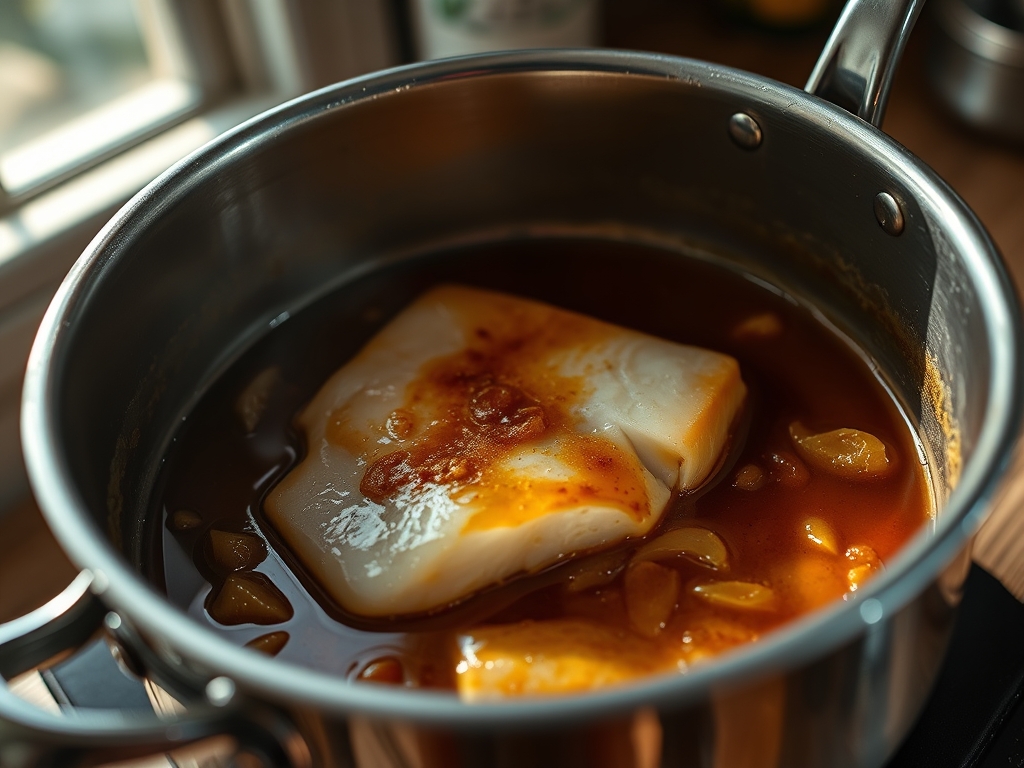
1. The Low-Impact Poach
Place your fillets in a heavy-bottomed saucier and submerge them in the olive oil. Bring the temperature to exactly 50 degrees Celsius (122 degrees Fahrenheit) using a digital probe thermometer. Maintain this temperature for 12 minutes.
Pro Tip: This low-temperature bath prevents the albumin (the white protein) from leaching out of the fish. By keeping the temperature below the point of rapid contraction, you maintain a viscous, succulent texture that is impossible to achieve with direct heat.
2. The Controlled Extraction
Carefully lift the fillets from the oil using a fish spatula. Place them on a wire rack set over a sheet pan. Use a digital scale to ensure your seasoning is precise, applying the flaky salt only to the skin side at this stage.
Pro Tip: Surface moisture is the enemy of the sear. Allowing the fish to air-dry for three minutes ensures that the energy of the pan goes toward browning rather than evaporating residual oil or water.
3. The High-Velocity Sear
Heat a cast-iron skillet until it reaches the smoke point of your oil. Place the salmon skin-side down. Press firmly with a bench scraper or a secondary heavy pan to ensure total surface contact.
Pro Tip: The weight prevents the skin from curling as the collagen fibers render and contract. This ensures a uniform, glass-like crust across the entire surface area of the fillet.
4. The Aromatic Baste
Drop the butter, garlic, and thyme into the pan. As the butter begins to foam, tilt the pan and use a large spoon to continuously aerate and pour the hot fat over the flesh side of the fish for 60 seconds.
Pro Tip: This "Arroser" technique adds a nutty complexity to the flavor profile while gently warming the top of the fish without overcooking the delicate center we preserved during the poach.
5. The Final Deglaze
Remove the fish from the pan. Turn off the heat and add the lemon juice to the remaining butter. Use a whisk to deglaze the browned bits (fond) from the bottom of the pan to create a quick pan sauce.
Pro Tip: The acidity of the lemon cuts through the heavy lipids of the salmon and the poaching oil, creating a balanced, high-definition flavor profile on the palate.
Section B: Prep & Timing Fault-Lines:
The most common failure in the Poach to Sear Fish method is "Thermal Overlap." If you poach the fish too long, the internal temperature will continue to rise during the sear, leading to a dry, chalky interior. Always pull the fish from the oil 5 degrees before your target temperature. Another fault-line is "Pan Crowding." If you put four fillets in a small skillet, the pan temperature will plummet, and you will end up steaming the fish rather than searing it. Work in batches if necessary.
THE VISUAL SPECTRUM
Section C: Thermal & Visual Troubleshooting:
Referencing the Masterclass photo, look for the "Sunset Gradient." The skin should be a deep, mahogany brown, while the flesh remains a vibrant, translucent pink. If your skin is pale or rubbery, your pan wasn't hot enough; the Maillard reaction requires temperatures above 140 degrees Celsius (284 degrees Fahrenheit). If the flesh looks opaque and white, you have exceeded the denaturation point of the proteins. To fix a dull appearance, brush the finished fillet with a touch of the poaching oil to restore its lustrous, professional sheen.
THE DEEP DIVE
Macro Nutrition Profile:
A single serving of this hybrid salmon provides approximately 35g of high-quality protein, 28g of healthy fats (primarily Omega-3s and Monounsaturated fats from the olive oil), and 0g of carbohydrates. It is a nutrient-dense powerhouse designed for cellular repair and cognitive function.
Dietary Swaps:
- Vegan: Replace the salmon with thick-cut "steaks" of King Oyster mushrooms. Use a vegan butter alternative enriched with nutritional yeast for the baste.
- Keto: This recipe is naturally Keto-compliant. Increase the butter baste for higher fat macros.
- GF: The recipe is inherently gluten-free; ensure your spices are certified gluten-free to avoid cross-contamination.
Meal Prep & Reheating Science:
To maintain the molecular structure when reheating, avoid the microwave at all costs. The microwave agitates water molecules, causing the delicate fats to leak out. Instead, reheat the salmon in a 120 degree Celsius (250 degree Fahrenheit) oven for 8 minutes. This gentle warming preserves the internal moisture while keeping the skin relatively crisp.
THE KITCHEN TABLE
Why poach before searing?
Poaching sets the internal structure gently, ensuring the fish remains moist. Searing provides the flavor and texture contrast. This hybrid approach eliminates the risk of a raw center or a burnt exterior.
Can I use frozen salmon?
Yes, but it must be fully thawed and patted dry. Frozen fish has more broken cell walls, which can lead to more moisture loss. A quick brine is essential for frozen fillets to restore texture.
What is the best oil for poaching?
Extra virgin olive oil is king for flavor, but a neutral avocado oil works if you want the aromatics like thyme and garlic to stand out more prominently without the olive notes.
How do I know the sear is done?
The fish will naturally release from the pan once the proteins have fully caramelized. If it sticks, give it another thirty seconds. The pan will tell you when the crust is ready.