Stop treating your dinner like a chore and start treating it like a high-stakes engineering project. We are moving beyond the realm of mere sustenance into the theater of molecular gastronomy. This is the Pot to Plate Pasta protocol; a relentless pursuit of the perfect emulsion where starch, lipid, and protein collide in a pressurized environment. Forget the limp, watery noodles of your past. We are targeting a specific state of matter where the sauce is no longer a liquid but a viscous lacquer that clings to the grain of the wheat. You can feel the tension in the kitchen as the water reaches a rolling boil. The air fills with the piquant aroma of toasted garlic and the sharp, salty tang of aged Pecorino. This is an audit of your culinary infrastructure. If your pasta is sliding off the fork or pooling at the bottom of the bowl, you have failed the structural integrity test. We are here to ensure that every strand is a conduit for flavor and every bite is a masterclass in texture.
THE DATA MATRIX
| Metric | Specification |
|---|---|
| Prep Time | 15 Minutes |
| Execution Time | 12 Minutes |
| Yield | 4 Servings |
| Complexity (1-10) | 6 |
| Estimated Cost per Serving | $3.25 |
THE GATHERS
Ingredient Protocol:
- 500g / 1.1 lbs Dried Bucatini or Spaghetti (Bronze-die cut preferred)
- 200g / 7 oz Guanciale or thick-cut Pancetta, diced
- 4 Large Egg Yolks (Room temperature)
- 100g / 1 cup Pecorino Romano, finely grated
- 15ml / 1 tbsp Whole Black Peppercorns, toasted and crushed
- 5g / 1 tsp Sea Salt (For the pasta water)
- 60ml / 1/4 cup Reserved Pasta Hydration Water
Section A: Ingredient Quality Audit:
The most common failure in the Pot to Plate Pasta workflow is the use of pre-grated cheese. These products are coated in cellulose to prevent clumping; a stabilizer that will absolutely destroy your attempt to aerate a smooth sauce. If your sauce looks grainy, your cheese is the culprit. Technical Fix: Purchase a wedge of DOP-certified Pecorino and use a microplane to create a snowy, high-surface-area powder. If your pork fat is not rendering, you likely started with a pan that was too hot. Start the meat in a cold saucier to slowly melt the lipids without scorching the proteins.
THE MASTERCLASS
1. The Starch Hydration Phase
Bring 4 liters of water to a boil. Do not over-salt; the cheese and pork provide the primary sodium profile. Drop the pasta and set your digital timer for two minutes less than the package directions. We are looking for a rigorous al dente structure that will finish cooking in the sauce.
Pro Tip: Use a digital scale to measure your salt precisely. Consistency is the hallmark of the professional kitchen. The water should taste like a seasoned soup, not the Dead Sea.
2. The Lipid Rendering Protocol
While the pasta hydrates, place your diced guanciale into a cold saucier. Turn the heat to medium-low. The goal is to render the fat until the pork is golden and crispy while the liquid fat remains clear and fragrant.
Pro Tip: Use a bench scraper to efficiently transfer your diced pork from the cutting board to the pan. This prevents the loss of precious amino acids and keeps your station sterile.
3. The Emulsion Base Construction
In a stainless steel mixing bowl, whisk the egg yolks and grated Pecorino together until they form a thick, pale paste. Add the toasted, crushed peppercorns. This mixture is the foundation of your creamy texture; it must be homogenous before it ever touches the heat.
Pro Tip: Toasting your peppercorns in a dry pan before crushing them will infuse the oil with a deeper, more complex heat. Use a heavy mortar and pestle for a varied texture.
4. The Molecular Marriage
Transfer the pasta directly from the water into the saucier with the rendered fat using tongs. Do not drain the pasta in a colander. Add 60ml of the starchy pasta water. Toss vigorously over medium heat for 60 seconds to create a primary starch-fat emulsion.
Pro Tip: The starchy water acts as a bridge between the fat and the pasta. This is why bronze-die pasta is superior; its rough surface releases more starch into the water.
5. The Tempering Finish
Remove the pan from the heat entirely. This is the critical "fail point." Wait 30 seconds, then pour in the egg and cheese mixture. Toss rapidly and continuously. The residual heat will cook the eggs into a viscous, glossy sauce without scrambling them.
Pro Tip: If the sauce is too thick, add a tablespoon of pasta water. If it is too thin, keep tossing. The mechanical action of tossing incorporates air and stabilizes the emulsion.
Section B: Prep & Timing Fault-Lines:
Timing is the most frequent cause of structural collapse. If the pasta sits in the colander, the surface starches will dry and glue the strands together. This prevents the sauce from adhering. If the pan is too hot when the eggs are added, the proteins will denature and clump. Technical Fix: Always have your egg mixture ready before the pasta finishes. If you miss the window, deglaze the pan with a splash of cool water to drop the temperature before adding the eggs.
THE VISUAL SPECTRUM
Section C: Thermal & Visual Troubleshooting:
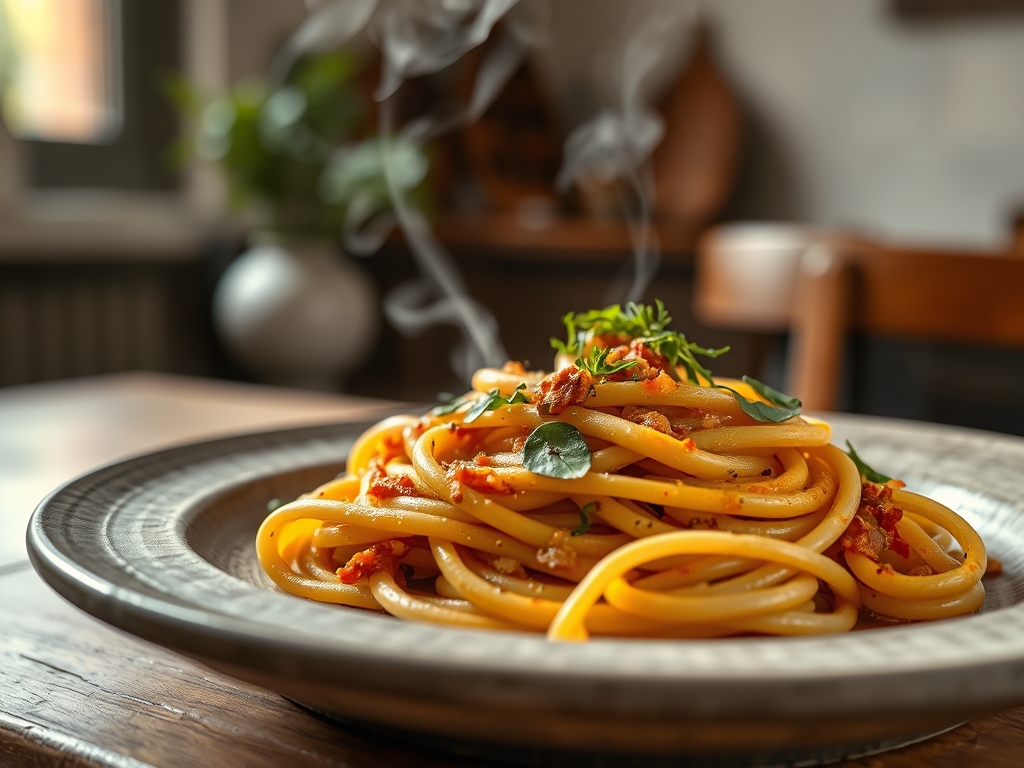
Referencing the Masterclass photo, your finished product should exhibit a high-gloss sheen. If the dish looks dull or matte, you lack sufficient fat or starchy water to reflect light. If the color is too pale, you likely skimped on the egg yolks or used low-quality eggs with pale centers. For a vibrant, golden hue, use pasture-raised eggs. If you see white flecks, those are scrambled egg whites; next time, ensure you are only using yolks and that the pan has cooled sufficiently. The pork should appear as dark, caramelized nuggets, providing a sharp visual and textural contrast to the smooth noodles.
THE DEEP DIVE
Macro Nutrition Profile:
This is a high-energy, high-protein fuel source. A standard serving contains approximately 650 calories, 30g of protein, 75g of carbohydrates, and 25g of fat. The high fat content provides long-term satiety, while the complex carbohydrates offer immediate glucose for glycogen replenishment.
Dietary Swaps:
- Vegan: Replace guanciale with smoked king oyster mushrooms and use a cream made from soaked cashews and nutritional yeast instead of eggs and cheese.
- Keto: Utilize shirataki noodles or hearts of palm. Replace the pasta water with a small amount of xanthan gum dissolved in broth to mimic the starch-driven viscosity.
- GF: Use high-quality brown rice pasta. Be aware that GF pasta releases less starch, so you may need to reduce the water volume to concentrate the starch levels.
Meal Prep & Reheating Science:
Pasta is notoriously difficult to reheat because the starch retrogrades and the emulsion breaks. To maintain molecular structure, do not use a microwave. Instead, place the pasta in a pan with a splash of water or milk over low heat. Stir constantly to re-emulsify the fats as they melt.
THE KITCHEN TABLE
Why is my sauce watery?
You likely added too much pasta water or didn't toss the pasta long enough to create an emulsion. The mechanical energy of tossing is required to bind the water and fat together into a creamy consistency.
Can I use parmesan instead of pecorino?
Yes, but the flavor profile will shift. Pecorino is sheep's milk cheese; it is saltier and more pungent. Parmesan is cow's milk and provides a nuttier, milder finish. A 50/50 split is a common professional compromise.
Does the pasta shape really matter?
Absolutely. Long, thin shapes like Bucatini have a high surface area that is ideal for thin, oil-based emulsions. Short shapes like Rigatoni are better suited for chunky meat sauces that can be trapped in the hollow centers.
What if I scramble the eggs?
There is no "undo" button for scrambled eggs. However, you can save the flavor by adding a bit more pasta water and cheese to create a "broken" sauce. It won't be pretty, but it will still be edible.