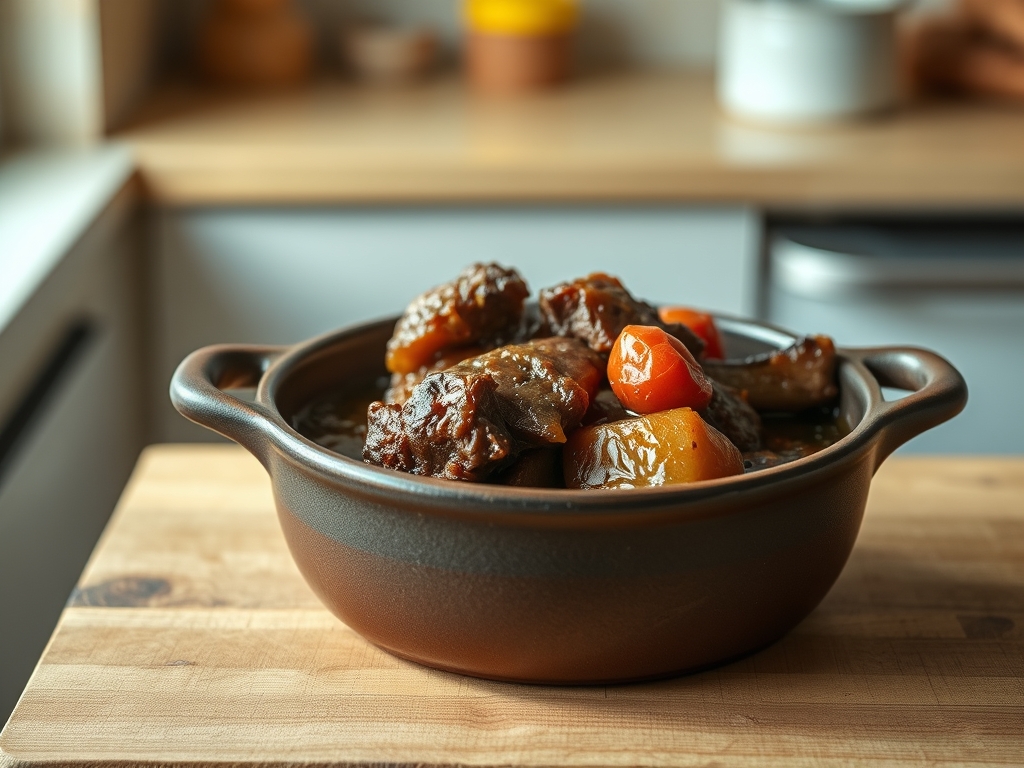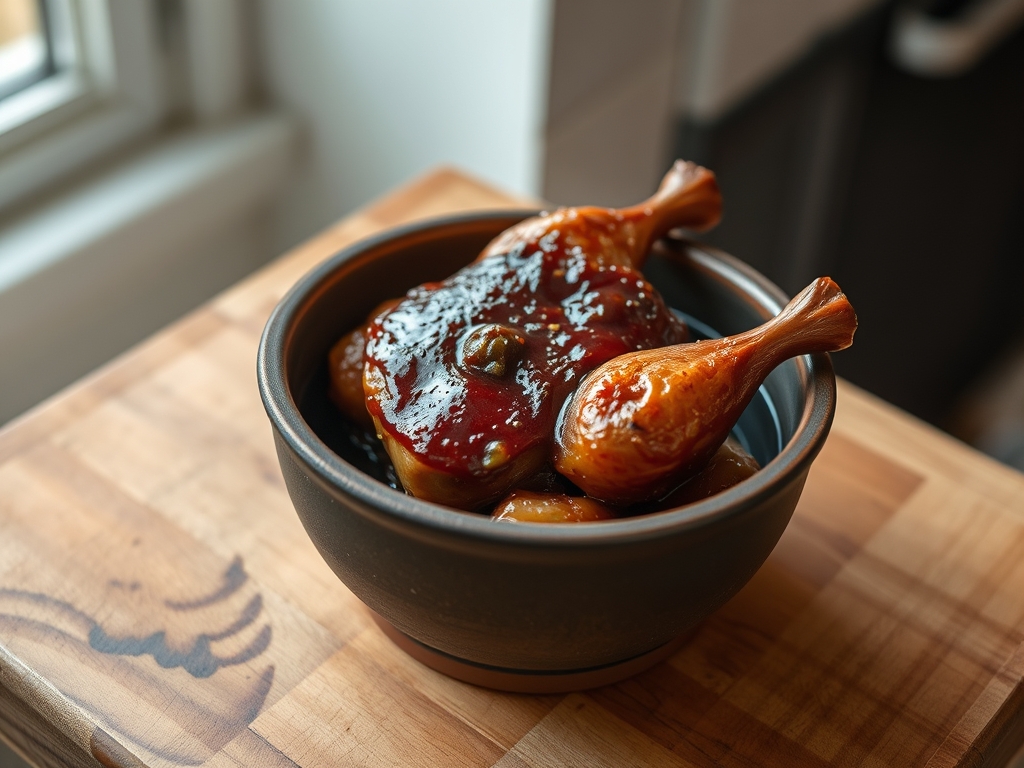
Listen up. We are not just cooking; we are conducting a high-stakes thermal transfer. The objective is the perfect beef tip, a morsel that balances the atmospheric infusion of a wood fire with the aggressive, conductive searing of a heavy metal surface. This is the Smoker to Skillet workflow. It is a transition from low-velocity, phenolic-rich air to high-velocity, direct-contact heat. We are hunting for that specific moment where the connective tissue collapses into a viscous gelatin while the exterior achieves a mahogany crust so crisp it shatters. If you have been settling for gray, boiled-looking beef cubes, you are failing the infrastructure of flavor. We are here to audit your process and install a system that guarantees a piquant, smoky, and deeply caramelized result every single time. Grab your digital scale and your infrared thermometer. We are moving from the hazy clouds of the smoke box to the screaming heat of the range. This is where engineering meets appetite.
THE DATA MATRIX
| Metric | Specification |
|---|---|
| Prep Time | 30 Minutes |
| Execution Time | 3.5 Hours |
| Yield | 6 Servings |
| Complexity | 7/10 |
| Estimated Cost per Serving | $8.50 |
THE GATHERS
Ingredient Protocol:
- 1.8 kg / 4 lbs Beef Chuck Roast (Hand-trimmed into 1.5-inch cubes)
- 30 g / 4 tbsp Coarse Kosher Salt
- 15 g / 2 tbsp Cracked Black Peppercorns
- 5 g / 1 tsp Granulated Garlic
- 60 ml / 4 tbsp Neutral High-Smoke Point Oil (Avocado or Grapeseed)
- 120 g / 1 stick Unsalted Grass-fed Butter
- 475 ml / 2 cups Beef Bone Broth (High collagen content)
- 30 ml / 2 tbsp Worcestershire Sauce
- 15 g / 1 tbsp Cornstarch (for slurry)
- 3 Sprigs Fresh Thyme
Section A: Ingredient Quality Audit:
If your beef looks pale or wet in the packaging, you are starting with a deficit. Excess moisture prevents the Maillard reaction and leads to steaming rather than searing. Fix this by performing a "Dry Brine" for at least four hours; salt the cubes and leave them uncovered on a wire rack in the refrigerator. This utilizes osmosis to pull moisture out and then reabsorb the seasoned brine, tightening the protein structure. If your bone broth is thin and watery, it lacks the gelatin needed to create a viscous sauce. Technical fix: simmer the broth with a sheet of unflavored gelatin or a few chicken feet before starting the recipe to boost the mouthfeel and "cling" factor.
THE MASTERCLASS
Step-by-Step Execution:
1. The Phenolic Infusion
Set your smoker to 107 degrees Celsius (225 degrees Fahrenheit). Use a digital scale to ensure your rub ratios are precise, then coat the beef cubes evenly. Arrange them on a wire cooling rack to maximize airflow. Smoke the tips until they reach an internal temperature of 71 degrees Celsius (160 degrees Fahrenheit).
Pro Tip: Use a digital probe thermometer to monitor the internal temp. At this stage, we are not looking for a finished cook; we are looking for "The Stall" where the surface moisture evaporates and the smoke particles adhere to the protein.
2. The Conductive Transition
Remove the beef from the smoker. Heat a heavy-bottomed cast iron skillet or a stainless steel saucier over high heat until it reaches 232 degrees Celsius (450 degrees Fahrenheit). Add your high-smoke point oil.
Pro Tip: Use an infrared thermometer to verify the skillet temperature. If the oil does not shimmer and move with low viscosity, it is not hot enough to trigger the instantaneous searing required for the Smoker to Skillet method.
3. The Maillard Execution
Place the smoked tips into the skillet in a single layer. Do not crowd the pan. Sear each side for 60 seconds until a deep, dark crust forms. This is where we convert the smoke-softened exterior into a textural masterpiece.
Pro Tip: Use a bench scraper to quickly move and flip the cubes, ensuring they do not stick. The scraper allows for high-precision movement in a crowded thermal environment.
4. The Deglaze and Emulsification
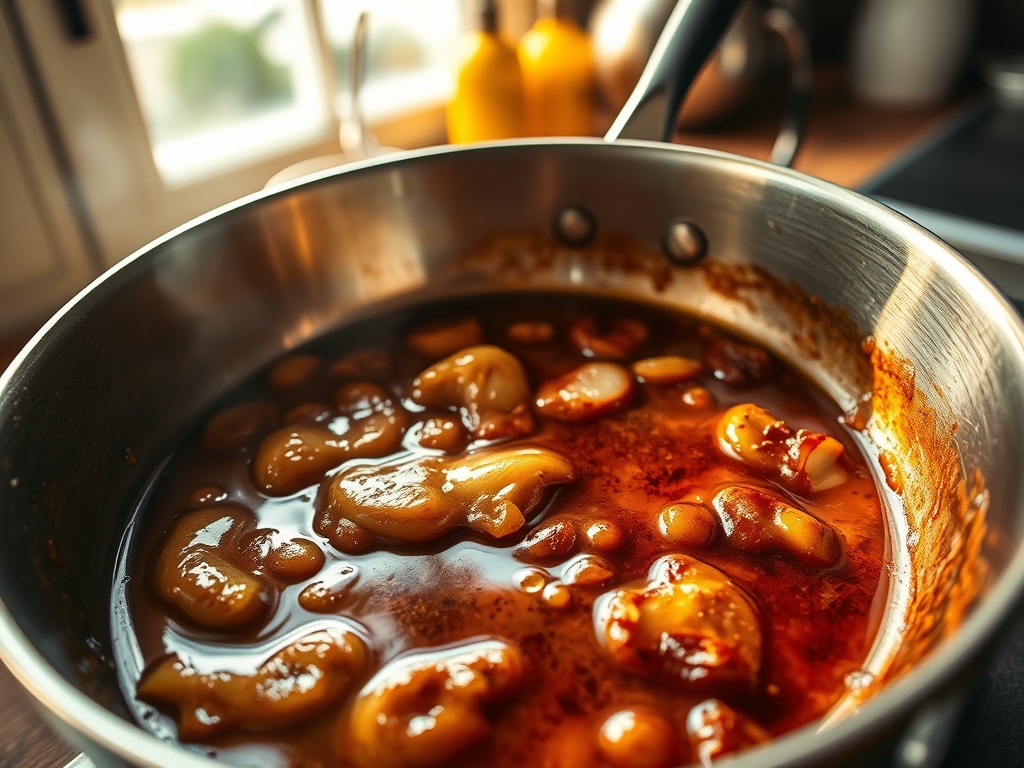
Reduce the heat to medium. Add the butter, thyme, and beef broth. Use a wooden spoon to deglaze the bottom of the pan, scraping up all the "fond" (the brown bits). Whisk in your cornstarch slurry to thicken.
Pro Tip: A saucier is superior here because its rounded edges prevent the whisk from missing the corners, ensuring a perfectly smooth, viscous emulsion without any floury lumps.
5. The Final Render
Simmer the tips in the sauce for another 15 minutes until the internal temperature hits 93 degrees Celsius (200 degrees Fahrenheit). This ensures the internal fats fully render and the meat becomes "fork-tender."
Pro Tip: Use a microplane to grate a touch of fresh horseradish over the top at the very end to provide a piquant counterpoint to the heavy fats and smoke.
Section B: Prep & Timing Fault-Lines:
The most common failure in the Smoker to Skillet workflow is "The Temperature Gap." If you let the beef cool down too much between the smoker and the skillet, the center will remain tough while the outside overcooks. You must have your skillet pre-heated and ready the moment the beef hits the 160-degree mark. Another fault-line is "The Steam Trap." If you cover the skillet with a lid during the searing phase, you trap moisture and destroy the bark you spent two hours building in the smoker. Leave the lid in the cabinet.
THE VISUAL SPECTRUM
Section C: Thermal & Visual Troubleshooting:
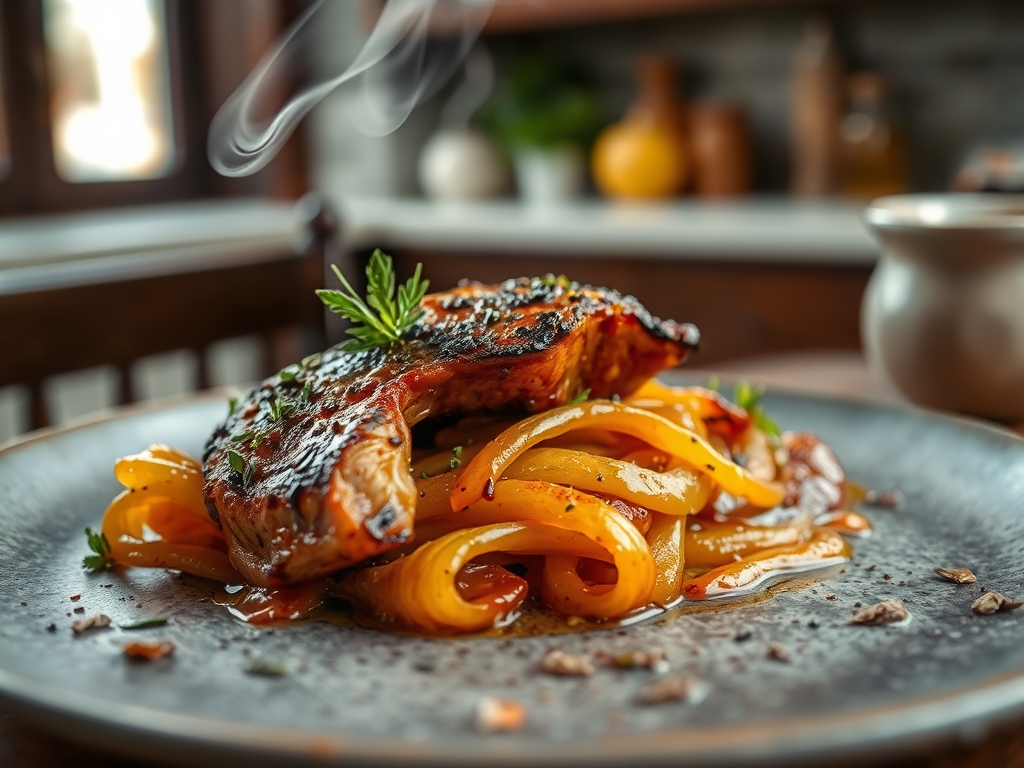
Referencing the Masterclass photo, look for the "Glistening Bark." If your beef looks dull or matte, you likely skipped the butter-basting phase or your sauce lacks enough fat to infuse the exterior with a sheen. If the sauce is breaking (oil separating from the liquid), your heat was too high during the final simmer. To fix a broken sauce, add a splash of cold water and whisk aggressively with a saucier whisk to re-emulsify the fats. If the color is light tan rather than deep mahogany, your skillet temperature was too low; next time, wait for the oil to reach the "wisps of smoke" stage before adding the meat.
THE DEEP DIVE
Macro Nutrition Profile:
Each serving provides approximately 450 calories; 38g Protein, 32g Fat, and 4g Carbohydrates. The high fat content is primarily from the rendered intramuscular fat of the chuck roast and the butter-based finishing sauce.
Dietary Swaps:
- Vegan: Replace beef with "Lion's Mane" mushrooms. They have a fibrous structure that mimics beef and takes well to smoke. Use vegan butter and vegetable demi-glace.
- Keto: This recipe is naturally keto-friendly. Simply omit the cornstarch slurry and reduce the bone broth by half to thicken the sauce naturally through evaporation.
- GF: Ensure your Worcestershire sauce is certified gluten-free, as some brands use barley malt vinegar.
Meal Prep & Reheating Science:
To maintain the molecular structure, do not microwave these tips. Microwaves cause the protein fibers to tighten and expel moisture, resulting in rubbery meat. Instead, reheat in a small pot with a tablespoon of water or broth over low heat. This creates a gentle steam environment that re-hydrates the gelatinous sauce without overcooking the beef.
THE KITCHEN TABLE
Why is my beef tough after smoking?
You likely pulled it too early. Beef chuck requires an internal temperature of at least 93 degrees Celsius to fully render the collagen. Use the "probe tender" test; the thermometer should slide in like butter.
Can I use lean meat like Sirloin?
Sirloin lacks the fat and connective tissue for long-term smoking. If using sirloin, skip the long smoke and do a quick 30-minute cold smoke before hitting the skillet to prevent the meat from drying out.
What wood profile is best?
For the Smoker to Skillet method, use Oak or Hickory. These woods provide a robust phenolic profile that can stand up to the aggressive flavors of the sear and the piquant Worcestershire sauce.
My sauce is too salty, help!
This usually happens if you over-reduce the broth. Add a splash of heavy cream to aerate the flavor profile and provide a fat buffer, or add a teaspoon of honey to balance the sodium with sweetness.