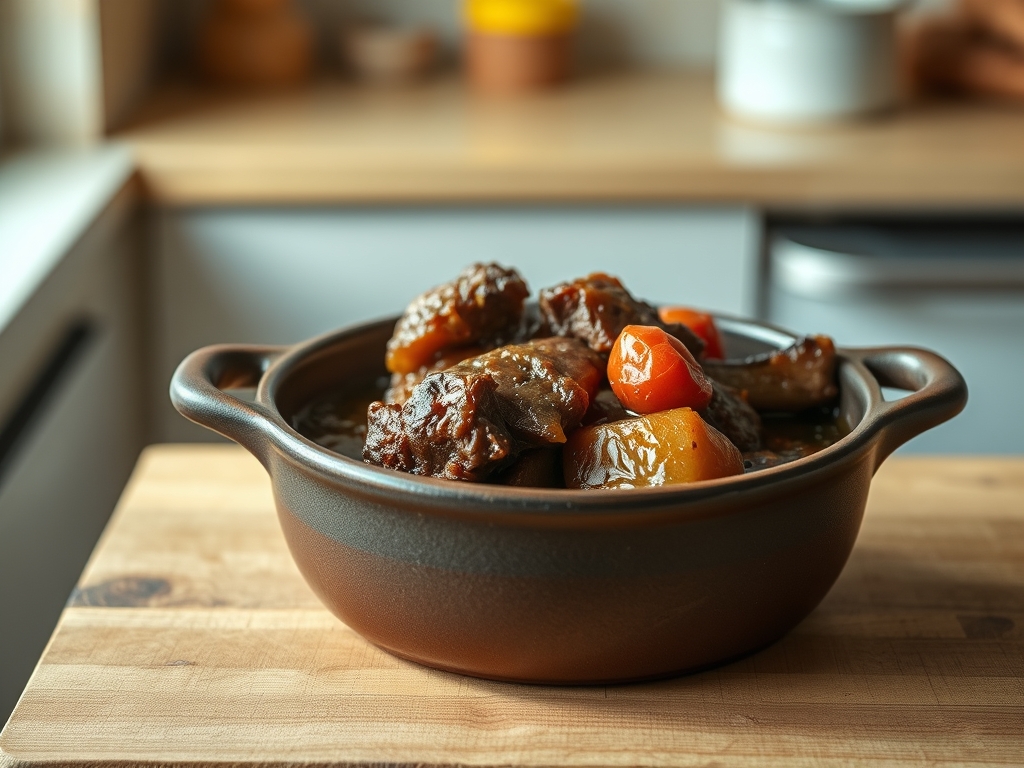
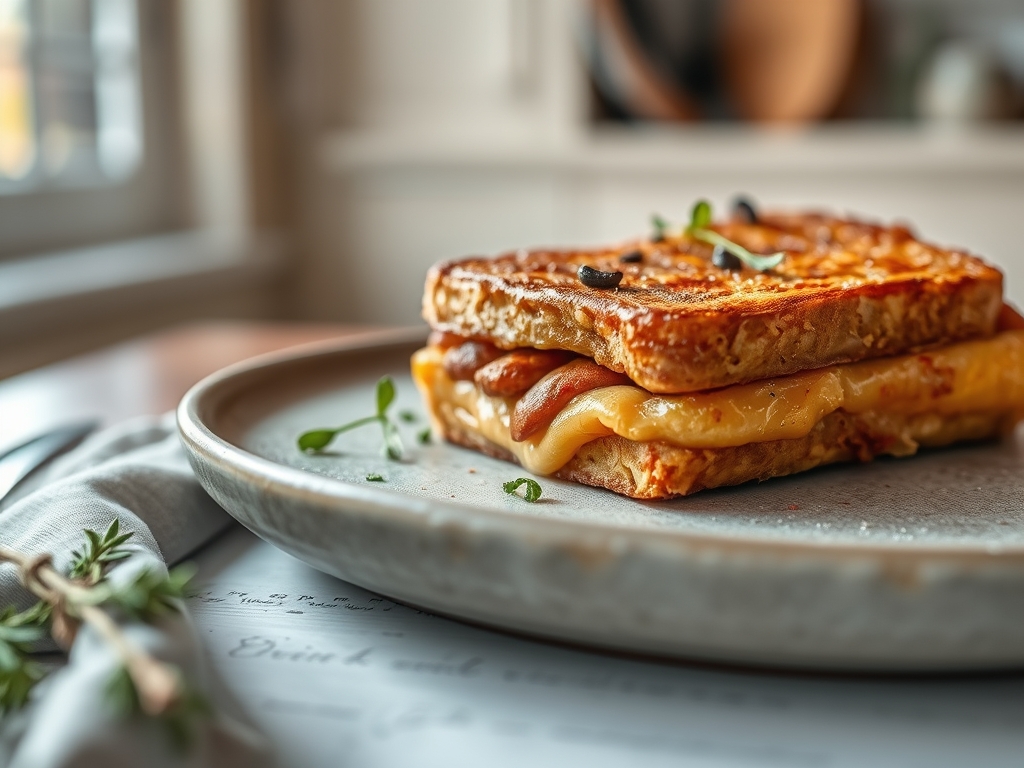
Stop treating your breakfast like a secondary consideration and start treating it like a structural engineering project. We are moving beyond the soggy, limp slices of your childhood. Today, we are auditing the architecture of Stuffed French Toast. This is a dual phase operation where the exterior must achieve a high-velocity Maillard reaction while the interior remains a stabilized, creamy suspension. Imagine the contrast: a golden, butter-crisped crust that yields to a molten core of sweetened cheese and fruit. This is not just a meal; it is a study in thermal conductivity and moisture migration. If your current French toast lacks structural integrity or suffers from a weeping center, your protocol is flawed. We are here to recalibrate your kitchen. We will be deploying high-fat dairy, precision-cut brioche, and a custard base that is chemically optimized for saturation without structural collapse. Prepare for a sensory overhaul where the scent of caramelized sucrose meets the sharp, piquant tang of citrus zest. This is the gold standard of morning utility.
THE DATA MATRIX
| Metric | Specification |
|---|---|
| Prep Time | 20 Minutes |
| Execution Time | 15 Minutes |
| Yield | 4 Servings |
| Complexity | 6 / 10 |
| Estimated Cost per Serving | $3.25 USD |
THE GATHERS
Ingredient Protocol:
- 8 slices Brioche or Challah (3cm / 1.25 inch thick)
- 225g / 1 cup Cream Cheese (softened)
- 60ml / 0.25 cup Maple Syrup (Grade A)
- 5ml / 1 tsp Vanilla Extract
- 4 Large Eggs (room temperature)
- 250ml / 1 cup Heavy Cream
- 120ml / 0.5 cup Whole Milk
- 2g / 0.5 tsp Ground Cinnamon
- 1g / 0.25 tsp Freshly Grated Nutmeg
- 50g / 3.5 tbsp Unsalted Butter (for the pan)
- 150g / 1 cup Fresh Berries (for the stuffing)
Section A: Ingredient Quality Audit:
If your bread is fresh, you have already failed the audit. Fresh bread contains too much internal moisture, leading to a "pudding" effect where the center never sets. Stale your bread by leaving it on a wire rack for six hours or flash-drying it in a 150C / 300F oven for ten minutes. If your cream cheese is lumpy, it was likely too cold during the mechanical integration phase. Use a silicone spatula to cream it against the sides of a warm bowl to ensure a smooth emulsion. Low-quality "pancake syrup" is a prohibited substance in this kitchen; the high fructose corn syrup content will scorch before the custard reaches the safe thermal zone of 71C / 160F. Use only pure maple syrup to ensure proper caramelization.
THE MASTERCLASS
1. The Pocket Excavation
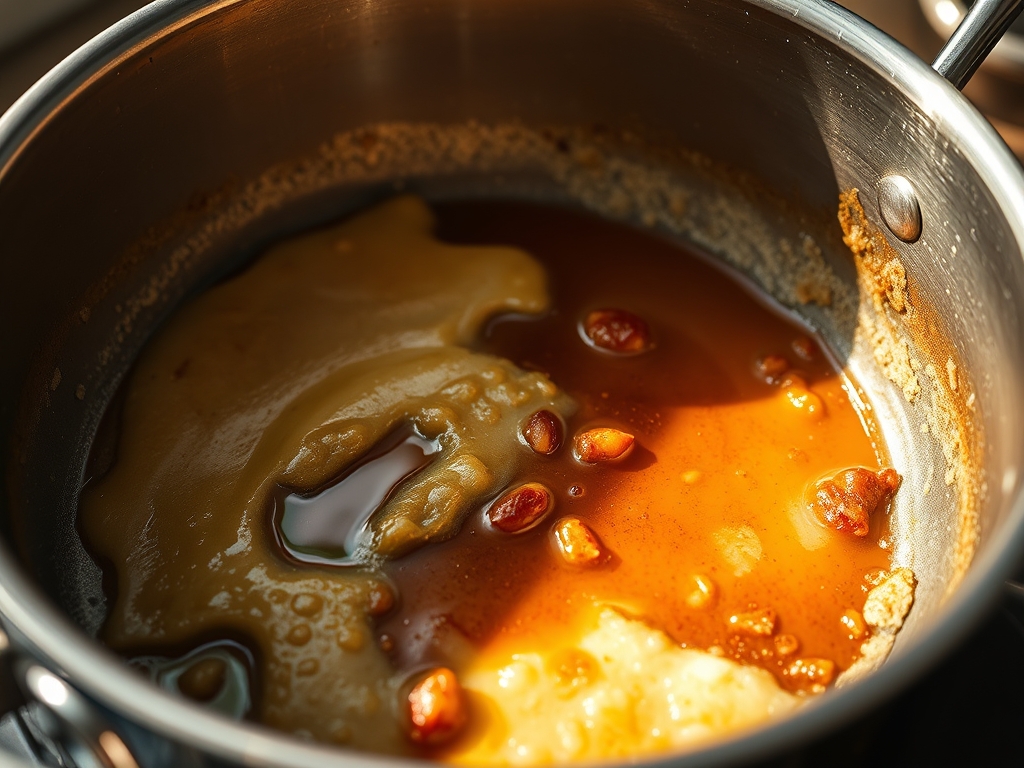
Using a serrated utility knife, slice a horizontal slit into the base of each thick brioche slice to create a pocket. Be careful not to pierce through the sides or the top crust. This creates a pressurized chamber for your filling.
Pro Tip: Use a bench scraper to clear your workstation of crumbs between slices. Keeping a clean surface prevents stray particles from burning on the skillet and imparting a bitter flavor to the bread.
2. Filling Synthesis
In a small saucier or mixing bowl, combine the softened cream cheese, maple syrup, and vanilla. Whisk vigorously to aerate the mixture, making it light and pipeable. Transfer the mixture to a piping bag or use a small spoon to negotiate the filling into the bread pockets.
Pro Tip: The filling must be viscous enough to stay inside the bread during the flip. If it is too runny, chill the stuffed slices for ten minutes to stabilize the fats before dipping.
3. Custard Calibration
In a wide, flat-bottomed vessel, whisk the eggs, heavy cream, milk, cinnamon, and nutmeg. Use a digital scale to ensure your ratios are exact; too much egg results in a sulfurous "omelet" taste, while too much dairy prevents the custard from setting.
Pro Tip: Whisking the custard in a shallow pan allows for even saturation. The goal is to infuse the bread fibers without dissolving the gluten structure that holds the slice together.
4. The Saturation Phase
Submerge each stuffed slice into the custard for exactly 40 seconds per side. Do not rush this. The liquid needs to migrate into the center of the crumb but stop before it reaches the filling pocket.
Pro Tip: Use your fingers to gently press the bread while submerged. This acts like a sponge mechanism, forcing air out and pulling the nutrient-dense custard into the cellular voids of the brioche.
5. Thermal Execution
Heat a heavy-bottomed cast iron skillet over medium-low heat. Add the butter and wait for the milk solids to begin to render and foam. Place the slices in the pan. Cook for 4 to 5 minutes per side until a deep mahogany crust forms.
Pro Tip: Use an offset spatula for the flip to maintain the integrity of the stuffed pocket. The low and slow heat ensures the internal filling reaches a molten state without the exterior carbonizing.
Section B: Prep & Timing Fault-Lines:
The most common failure in this protocol is "Thermal Shock." If you drop cold, custard-soaked bread into a screaming hot pan, the exterior will sear shut, trapping raw custard inside. You must maintain a steady medium-low temperature. Another timing error is the "Over-Soak." If you leave the bread in the custard while the first batch cooks, the starch will lose its tensile strength. Only soak what you can fit in the pan immediately. Use a digital thermometer to verify the center of the toast has reached 71C / 160F for a safe and fully set interior.
THE VISUAL SPECTRUM
Section C: Thermal & Visual Troubleshooting:
Referencing the Masterclass photo, your final product should exhibit a "Gradient Crust." The edges should be slightly darker than the center, indicating even heat distribution. If your toast looks pale and "sweaty," your pan temperature was too low, causing the butter to soak into the bread rather than frying it. If the filling is leaking out and turning brown, your pocket slit was too wide. To fix a dull appearance, dust the finished product with a fine mesh sieve of powdered sugar while hot; the residual heat will slightly melt the sugar, creating a professional "glaze" look. If the berries inside look shriveled, they were overcooked; ensure you are using fresh fruit added at the last possible moment of stuffing.
THE DEEP DIVE
Macro Nutrition Profile:
A single serving of this Stuffed French Toast provides approximately 580 calories, 34g of fat, 52g of carbohydrates, and 16g of protein. The high fat content from the heavy cream and cream cheese provides a sustained energy release, though the glycemic load is significant due to the brioche and syrup.
Dietary Swaps:
- Vegan: Replace eggs with a flax-meal slurry (1 tbsp flax to 3 tbsp water per egg) and use coconut cream and almond milk. Substitute cream cheese with a cashew-based alternative.
- Keto: Utilize almond flour bread and replace maple syrup with an allulose-based sweetener. Use heavy cream but omit the milk to lower the carb count.
- GF: Use a sturdy gluten-free loaf, but increase the soak time by 20% as GF grains often have a more resistant cuticle.
Meal Prep & Reheating Science:
To maintain the molecular structure, do not microwave leftovers. Microwaves agitate water molecules, turning the bread rubbery. Instead, reheat in a 175C / 350F oven on a wire rack for 8 minutes. This allows dry air to circulate, re-crisping the exterior while gently warming the dense interior filling.
THE KITCHEN TABLE
Why is my French toast soggy in the middle?
You likely skipped the staling process or cooked it at too high a temperature. The exterior seared before the heat could penetrate and coagulate the internal custard. Use thicker bread and lower heat for a better thermal gradient.
Can I use regular white sandwich bread?
Standard sandwich bread lacks the structural density to hold a stuffing pocket. It will likely disintegrate during the saturation phase. Stick to brioche, challah, or a thick-cut sourdough to ensure the dish maintains its architectural integrity.
How do I prevent the butter from burning in the pan?
Butter has a low smoke point due to milk solids. If you are cooking multiple batches, wipe the pan with a paper towel between rounds and add fresh butter. Alternatively, use a 50/50 mix of butter and neutral oil.
My filling is disappearing into the bread. What happened?
The filling was likely too thin or the bread was too porous. Ensure your cream cheese is full-fat and chilled before stuffing. You can also "seal" the pocket by dipping just the edge in extra flour before frying.