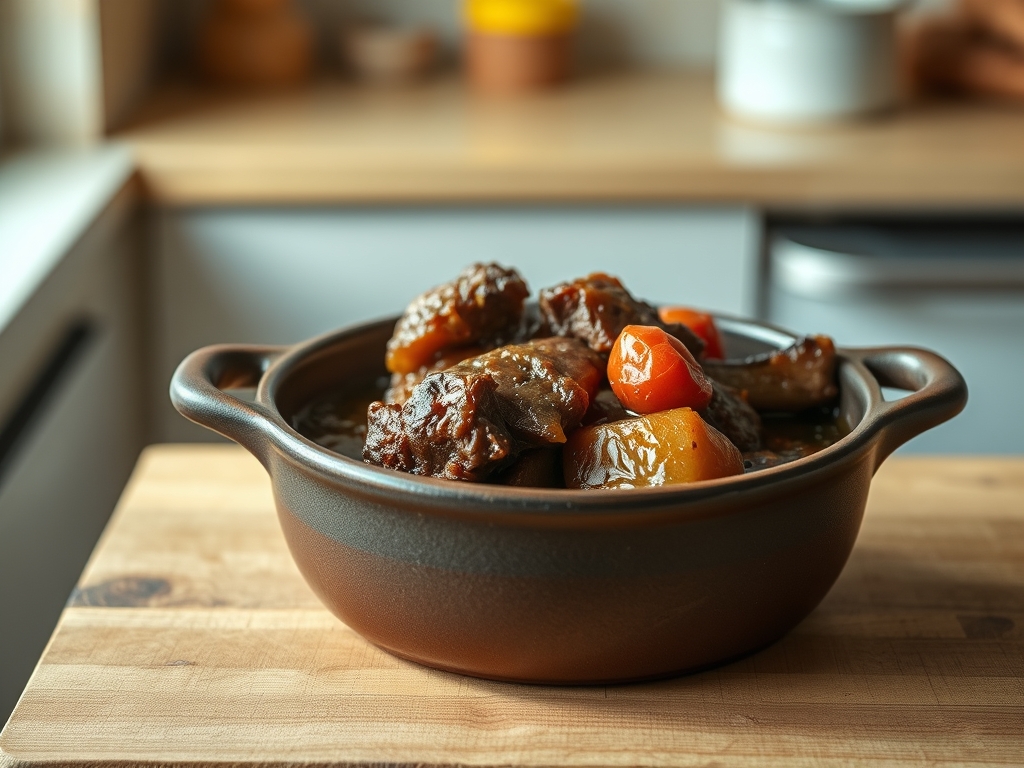
Imagine a high-speed collision between a tectonic plate of flour and a volcanic eruption of molten protein. That is the moment of impact for any serious culinary auditor. We are not just making lunch here; we are engineering a self-contained, handheld ecosystem. The stakes are monumental because a failure in Burrito Structurality is not just a mess; it is a systemic collapse of the culinary infrastructure. When the integrity of the wrapper fails, the internal moisture migration turns a masterpiece into a soggy tragedy. We demand a vessel that can withstand the internal pressure of viscous black beans and the thermal expansion of seared steak without a single micro-tear in the gluten matrix. This audit requires precision, speed, and an unwavering commitment to the physics of the fold. We are hunting for that perfect tension where the tortilla is stretched to its limit but remains an impenetrable fortress of flavor. Prepare your station. Calibrate your senses. We are about to execute a multi-phase wrap that defies gravity and redefines the limits of portable gastronomy.
THE DATA MATRIX
| Metric | Specification |
|---|---|
| Prep Time | 30 Minutes |
| Execution Time | 15 Minutes |
| Yield | 4 Structural Units |
| Complexity (1-10) | 7 |
| Estimated Cost per Serving | $4.50 |
THE GATHERS
Ingredient Protocol:
- 4 Large Flour Tortillas (30cm / 12-inch)
- 500g / 1.1 lbs Skirt Steak (Thinly sliced)
- 250ml / 1 cup Long Grain Rice (Cooked and seasoned)
- 200g / 7 oz Black Beans (Rinsed and drained)
- 150g / 5.3 oz Monterey Jack Cheese (Freshly grated)
- 60ml / 4 tbsp Sour Cream (High fat content)
- 1 Large Avocado (Diced)
- 15ml / 1 tbsp Neutral Oil (High smoke point)
- 5g / 1 tsp Kosher Salt
Section A: Ingredient Quality Audit:
Sub-par raw materials are the primary cause of structural failure. If your tortillas feel brittle or dry, they lack the necessary elasticity to handle the load. To fix this, introduce a controlled steam environment by placing them between damp paper towels in a microwave for 15 seconds; this rehydrates the starch. If your steak is releasing excessive liquid, it was likely packed with saline solution or not patted dry. Use a paper towel to remove surface moisture before it hits the pan to ensure a proper Maillard reaction rather than a grey steam. For beans that are too watery, render out the excess liquid in a small saucier until the liquid becomes a thick glaze that clings to the legumes.
THE MASTERCLASS
1. Thermal Priming of the Wrapper
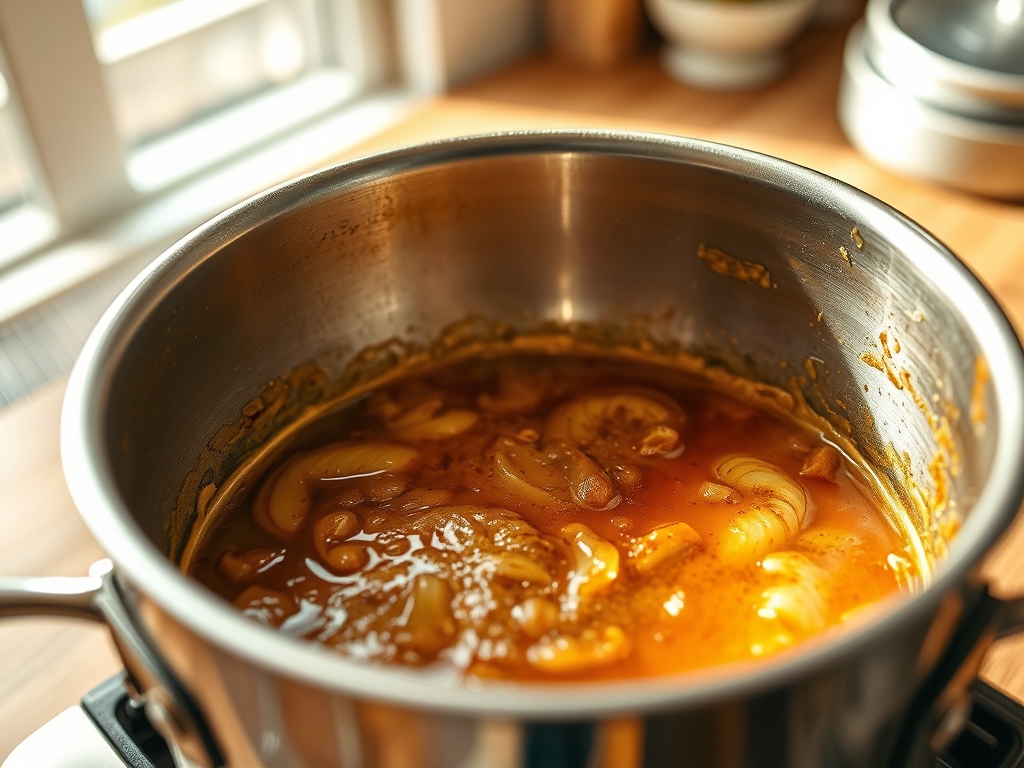
The tortilla must be heated on a flat top or cast iron skillet until it becomes pliable and slightly translucent. Do not skip this; cold gluten is brittle gluten.
Pro Tip: Use a digital scale to ensure each tortilla is within the 100g to 110g range. The heat softens the fats within the dough, allowing for maximum stretch without breakage.
2. The Strategic Protein Sear
Heat your oil until it reaches the shimmering point. Flash-sear the steak in small batches to maintain high pan temperature.
Pro Tip: A heavy-bottomed pan or saucier prevents temperature drops. Rapid searing locks in juices, preventing internal moisture from migrating into the tortilla and compromising Burrito Structurality.
3. The Foundation Layering
Place a thin layer of rice in the center of the tortilla. This acts as a "moisture sponge" to protect the wrapper from the wetter ingredients.
Pro Tip: Use a bench scraper to keep your workspace clean and to help tuck the edges of the burrito during the initial fold. The rice creates a thermal barrier that keeps the cheese from melting too prematurely.
4. The Compression Fold
Fold the sides in, then pull the bottom flap over the filling, using your fingers to "tuck and roll" the contents into a tight cylinder.
Pro Tip: Professional auditors use the "pinky-tuck" method to ensure the corners are sealed. Tight compression forces the ingredients to bond, creating a solid internal mass that resists shifting during consumption.
5. The Seam-Down Sear
Place the finished wrap seam-side down on a hot skillet for 30 seconds. This "welds" the tortilla shut through starch gelatinization.
Pro Tip: Apply light pressure with a weighted press or a heavy spatula. This creates a structural "lock" that prevents the burrito from unravelling under the weight of its own excellence.
Section B: Prep & Timing Fault-Lines:
Timing is the silent killer of Burrito Structurality. If you wait too long between the sear and the wrap, the meat will infuse the rice with too much steam, leading to a "blowout." Ensure all components are at their target temperatures before assembly. If the rice is cold while the meat is hot, you create a dew point inside the wrap that leads to condensation. Use a probe thermometer to ensure all internal fillings are at least 65C (150F) before the final seal.
THE VISUAL SPECTRUM
Section C: Thermal & Visual Troubleshooting:
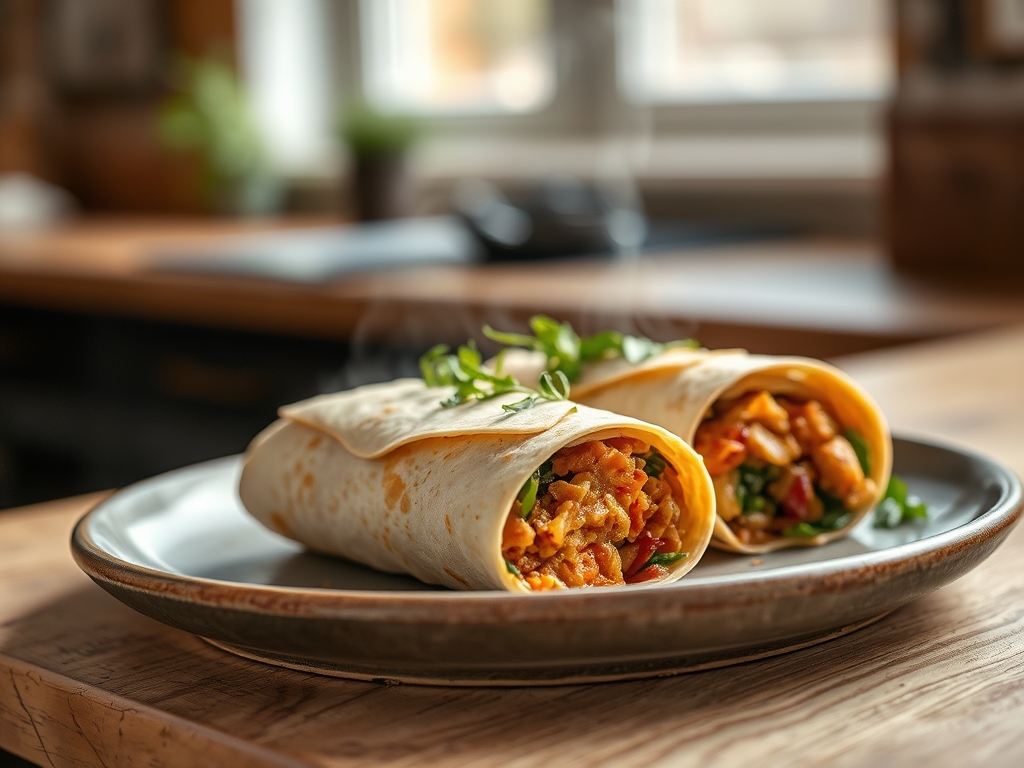
Look at the Masterclass photo; notice the golden-brown "tiger spotting" on the exterior. If your wrap is pale, your pan temperature was too low, and you have failed to achieve the crunch necessary for a textural contrast. If the cheese has not transitioned into a viscous liquid state, your internal heat was insufficient. Dull colors in the avocado indicate oxidation; toss them in a splash of lime juice to infuse acidity and maintain that vibrant green. If the burrito looks "lumpy" rather than a smooth cylinder, your distribution of the rice foundation was uneven. The goal is a symmetrical, taut surface that reflects the light with a slight sheen from the toasted fats.
THE DEEP DIVE
Macro Nutrition Profile:
Each structural unit provides approximately 750 calories. This includes 45g of protein for muscle synthesis, 80g of complex carbohydrates for sustained energy, and 28g of fats for satiety. The fiber content from the black beans ensures a slow glycemic release.
Dietary Swaps:
- Vegan: Replace steak with smoked tempeh and use a cashew-based lime crema. Ensure the tortilla is oil-based rather than lard-based.
- Keto: Eliminate the rice and tortilla; use a large collard green leaf as the structural wrapper and increase the avocado portion.
- GF: Use a high-quality gluten-free flour wrap, though be warned: Burrito Structurality is significantly harder to maintain without the gluten matrix. Double-wrap if necessary.
Meal Prep & Reheating Science:
To maintain molecular integrity during reheating, avoid the microwave. The microwave excites water molecules, turning the tortilla into a rubbery mess. Instead, wrap the burrito in foil and heat in an oven at 175C (350F) for 15 minutes. This allows for even heat distribution without compromising the structural "weld" of the seam. For the best results, store the "wet" ingredients (salsa/sour cream) separately and add them post-reheat.
THE KITCHEN TABLE
Why does my burrito always fall apart at the bottom?
This is a failure of the "tuck and roll" phase. You must ensure the side flaps are folded deep enough into the center before the final roll. This creates a multi-layered base that supports the weight of the fillings.
Can I use corn tortillas for this?
Standard corn tortillas lack the gluten required for high-tension Burrito Structurality. They will crack under the pressure. If you must use corn, look for "hybrid" tortillas that blend corn and wheat for better flexibility.
How do I stop the salsa from making everything soggy?
Deglaze your salsa by simmering it briefly to reduce water content, or simply strain the excess liquid through a fine-mesh sieve. You want the flavor of the salsa without the structural compromise of its hydration.
What is the best way to cut a burrito for presentation?
Use a serrated bread knife and a swift, sawing motion. Do not press down, or you will crush the internal architecture. A clean, diagonal bias cut reveals the beautiful, stratified layers of your engineering.