Stop treating dinner like a hobby and start treating it like a structural engineering project. We are moving beyond the realm of "comfort food" and entering the domain of high-stakes fiber manipulation. The humble brassica is not your friend; it is a rigid, cellulose-heavy adversary that requires thermal intervention to become a viable delivery vessel. When we discuss Cabbage Roll Logic, we are talking about the precise intersection of capillary action, protein denaturation, and the Maillard reaction. You are not just rolling meat in leaves. You are constructing a pressurized, steam-insulated parcel designed to retain moisture while the exterior undergoes a slow, acidic braise. If your rolls are falling apart or the leaves are stringy, your logic is flawed. We are here to audit your process, tighten your tolerances, and ensure that every bite offers a viscous, savory payoff that justifies the labor. Let us dismantle the traditional recipe and rebuild it with the ruthless efficiency of a professional kitchen.
THE DATA MATRIX
| Metric | Specification |
|---|---|
| Prep Time | 45 Minutes |
| Execution Time | 90 Minutes |
| Yield | 12 – 14 Units |
| Complexity (1-10) | 7 |
| Estimated Cost per Serving | $2.25 USD |
THE GATHERS
Ingredient Protocol:
- 1 Large Head Savoy Cabbage (Approximately 1.2kg / 2.6 lbs)
- 500g / 1.1 lbs Ground Beef (80/20 lean-to-fat ratio)
- 250g / 0.5 lbs Ground Pork Shoulder
- 200g / 1 cup Long Grain Rice (Par-boiled)
- 1 Large White Onion (Finely minced)
- 3 Garlic Cloves (Microplaned)
- 15ml / 1 tbsp Tomato Paste
- 800ml / 27 oz Crushed Tomatoes
- 250ml / 1 cup Beef Bone Broth
- 30ml / 2 tbsp Apple Cider Vinegar
- 15g / 1 tbsp Smoked Paprika
- Fine Sea Salt and Cracked Black Pepper to taste
Section A: Ingredient Quality Audit:
If your cabbage feels light or hollow, it lacks the moisture content required for a successful leaf fiber softening. High-density heads are non-negotiable. If you find yourself with a "woody" core, do not attempt to force it into compliance; instead, use a paring knife to shave down the central rib of each leaf until it matches the thickness of the surrounding tissue. If your ground meat is too lean (90/10 or higher), the interior of the roll will become a dry, granular puck. Fix this by folding in 50ml of cold bone broth or a tablespoon of rendered lard to ensure the proteins remain succulent during the long thermal cycle.
THE MASTERCLASS
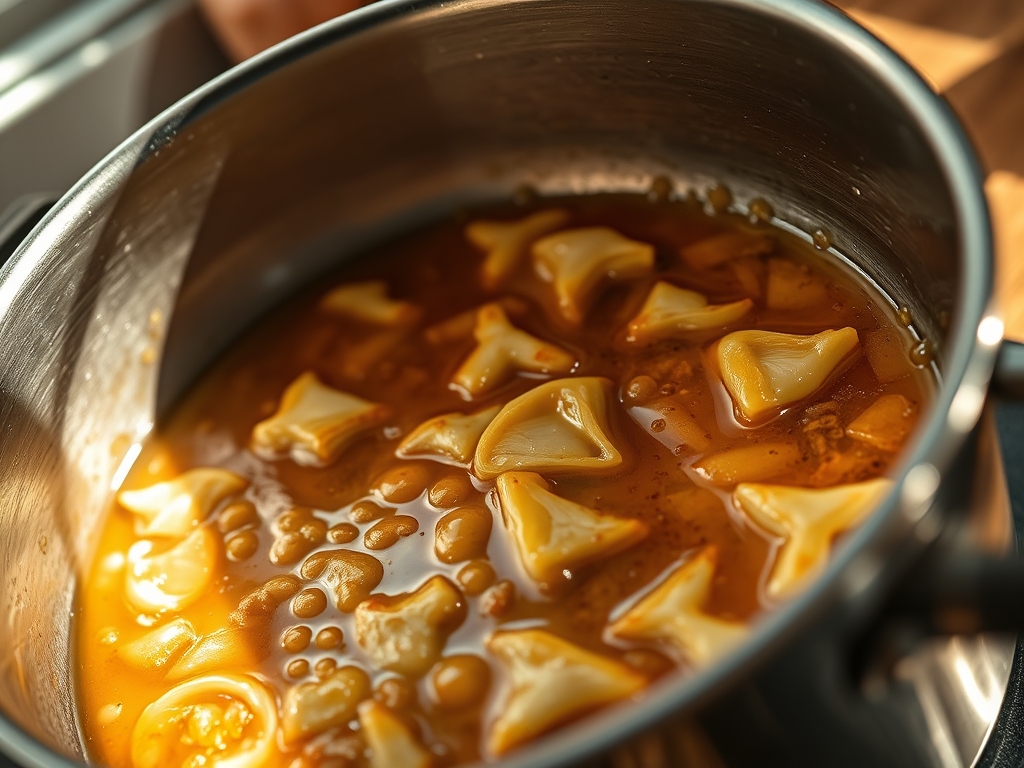
1. The Core Extraction and Blanching Phase
Remove the central stalk of the cabbage using a sharp boning knife. Submerge the entire head in a large pot of boiling salted water. As the outer leaves soften, peel them away one by one using silicone tongs.
Pro Tip: This is a lesson in thermal conductivity. By removing leaves sequentially, you ensure uniform pliability without overcooking the delicate outer edges. Professional chefs use a digital scale to ensure each leaf weighs approximately the same for consistent cooking times.
2. Protein Matrix Integration
In a large stainless steel mixing bowl, combine the beef, pork, par-boiled rice, and aromatics. Do not overwork the meat. Use a bench scraper or your hands to fold the ingredients together until just incorporated.
Pro Tip: Over-mixing causes proteins to cross-link too tightly, resulting in a rubbery texture. You want to infuse the fat throughout the rice so the grains absorb the meat juices as they expand.
3. Structural Assembly and Rolling
Place a leaf flat on a clean workstation. Position 60g of filling at the stem end. Fold the sides inward and roll tightly toward the leaf tip. The tension must be firm but allow for slight rice expansion.
Pro Tip: Use a saucier to prepare your braising liquid beforehand. A tight roll creates a micro-environment where steam is trapped, effectively pressure-cooking the interior while the exterior braises.
4. The Acidic Braise
Arrange the rolls seam-side down in a heavy-bottomed Dutch oven. Pour over the mixture of crushed tomatoes, broth, and vinegar. Cover tightly and bake at 175C / 350F for 90 minutes.
Pro Tip: The acidity in the vinegar and tomatoes helps break down the hemicellulose in the cabbage, ensuring a melt-in-the-mouth texture rather than a crunchy one.
Section B: Prep & Timing Fault-Lines:
The most common failure in Cabbage Roll Logic is the "Crunchy Center Syndrome." This occurs when the rice is added completely raw. Rice requires significant hydration to gelatinize; if it steals that moisture from the meat, the roll shrinks and toughens. Always par-boil your rice to 50% completion. Furthermore, if your oven temperature fluctuates, the viscous sauce may reduce too quickly and scorch. Use an independent oven thermometer to verify your appliance's accuracy.
THE VISUAL SPECTRUM
Section C: Thermal & Visual Troubleshooting:
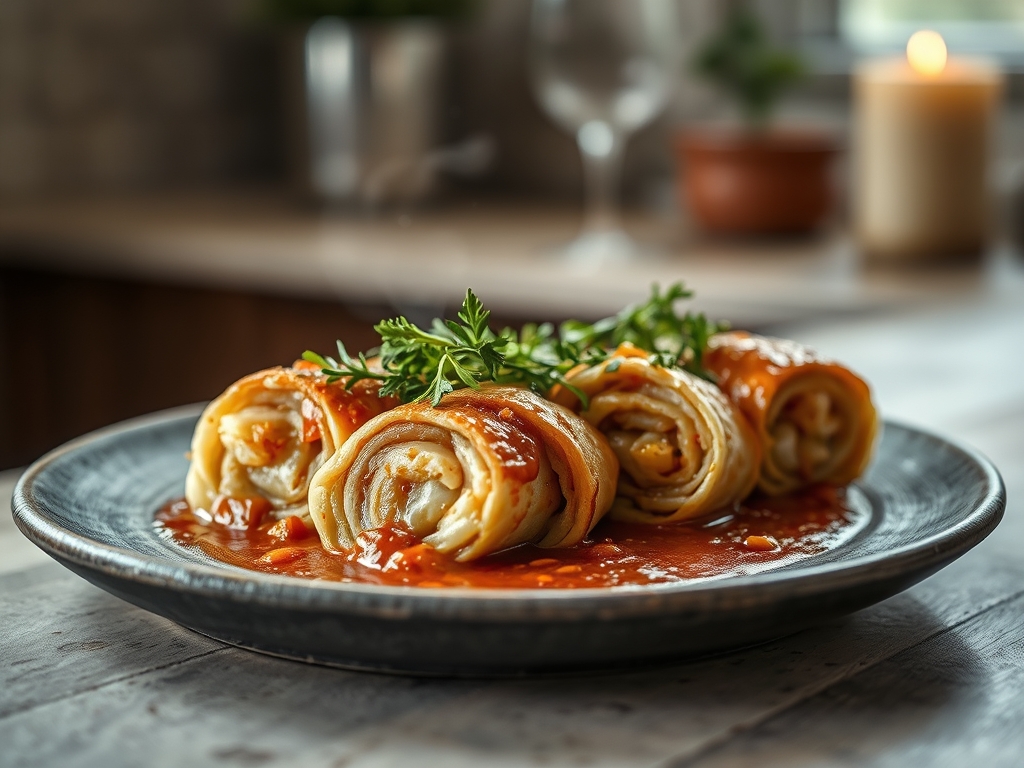
Referencing the Masterclass photo above, look for the caramelized edges on the top layer of rolls. If your dish looks pale and watery, remove the lid for the final 20 minutes of cooking to allow the sugars in the tomato sauce to undergo the Maillard reaction. If the sauce appears broken or oily, your heat was too high, causing the fat to separate from the protein matrix. A successful audit results in a deep, piquant red sauce that clings to the dull, translucent green of the softened brassica. If the leaves are turning grey, you have over-acidified the liquid; balance it next time with a pinch of sugar or more bone broth.
THE DEEP DIVE
Macro Nutrition Profile:
Each roll typically contains 180 calories, 12g of protein, 15g of carbohydrates, and 8g of fat. The high fiber content of the cabbage provides significant satiety despite the moderate caloric density.
Dietary Swaps:
- Vegan: Replace meat with a 1:1 ratio of cooked lentils and minced mushrooms; use vegetable stock.
- Keto: Swap rice for riced cauliflower (do not par-boil) and omit sugar from the sauce.
- GF: Ensure your beef broth is certified gluten-free.
Meal Prep & Reheating Science:
Cabbage rolls are molecularly superior on day two. As they cool, the starch in the rice undergoes retrogradation, and the flavors continue to infuse into the cabbage walls. To reheat, avoid the microwave, which creates localized hot spots and rubbery leaves. Instead, place them in a covered pan with a splash of water and heat over medium-low to maintain the structural integrity of the leaf.
THE KITCHEN TABLE
Why is my cabbage still tough after two hours?
You likely skipped the rib-shaving step or used a cabbage with exceptionally high cellulose content. Ensure the braising liquid is sufficiently acidic and the pot is tightly sealed to maintain the necessary steam pressure for softening.
Can I use Napa cabbage instead of Savoy?
Napa cabbage is significantly more delicate and has a higher water content. It requires a shorter cooking time (approx. 45 minutes) and will produce a much softer, almost silken texture compared to the robust bite of Savoy.
How do I prevent the rolls from unravelling?
Tightly packing the rolls into the baking dish is key. If there is no room for them to move, they cannot unroll. Always place them seam-side down to use gravity as a structural stabilizer during the cooking process.
My sauce is too thin; how do I fix it?
Remove the rolls and simmer the sauce in a saucier over high heat to reduce and concentrate the flavors. Alternatively, whisk in a small amount of tomato paste to increase the viscosity without altering the flavor profile significantly.