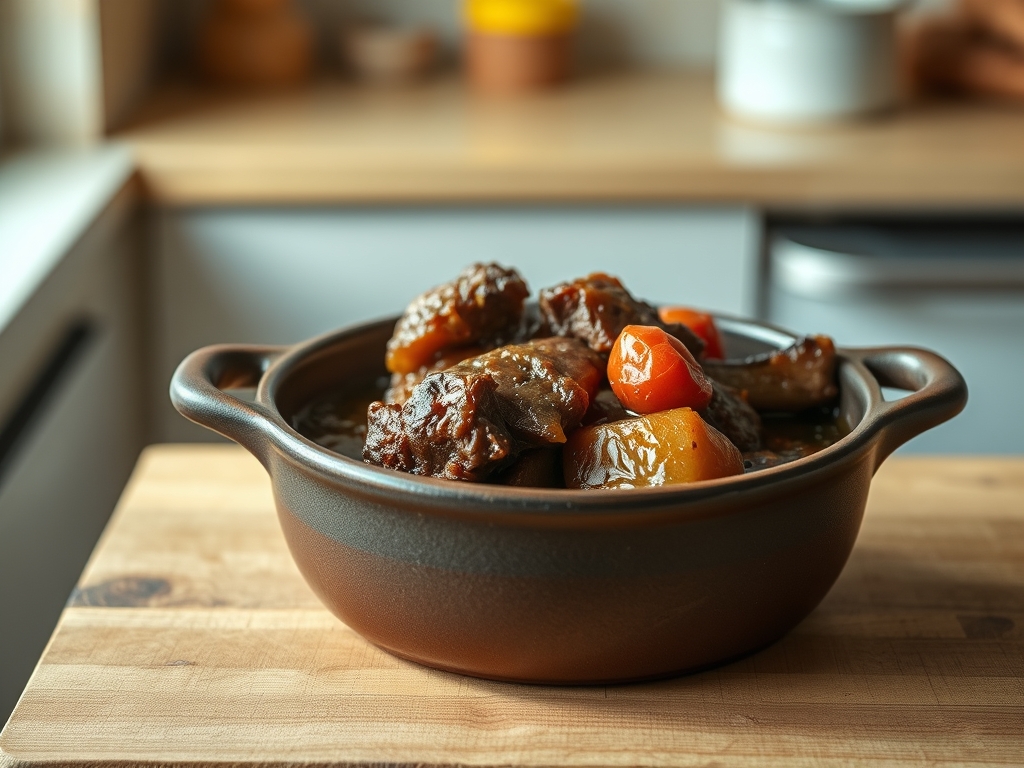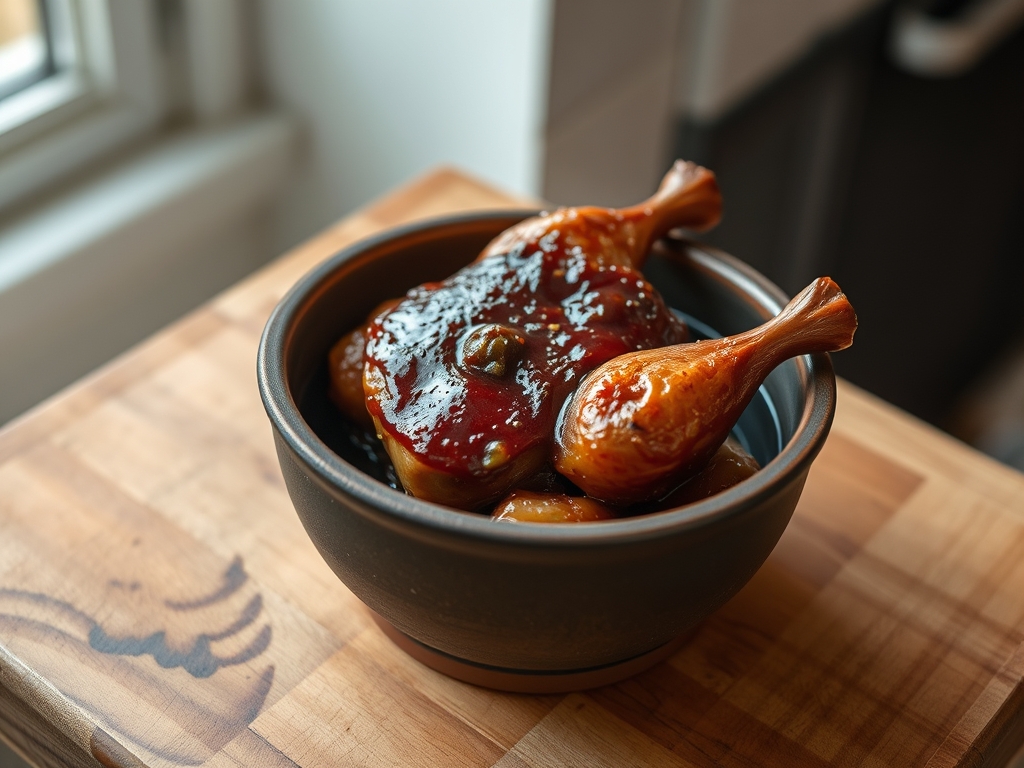
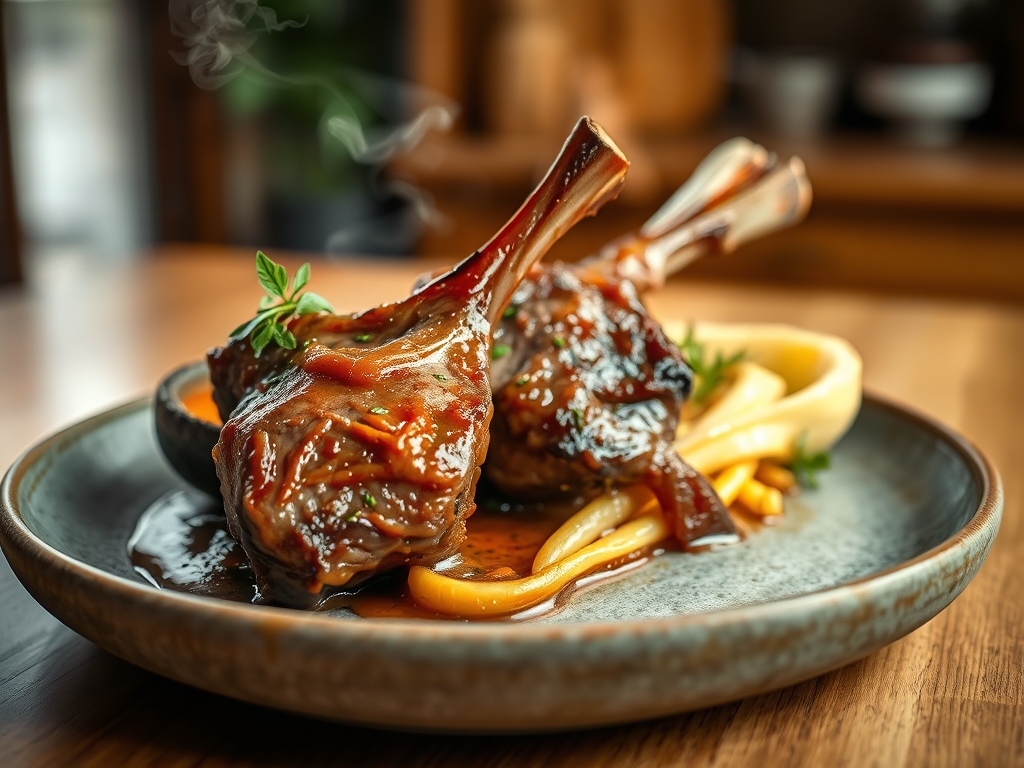
Listen up, kitchen operatives. We are moving beyond the realm of casual home cooking and entering the theater of high-stakes collagen conversion. We are here to discuss the absolute mastery of Lamb Shank Braising. This is not a mere dinner; it is a structural overhaul of a tough, connective-tissue-heavy limb into a masterpiece of gelatinous luxury. Imagine the scent of rendered fat hitting a blistering stainless steel surface, sending a cloud of aerosolized aromatics through your ventilation system. We are targeting that specific moment when the Maillard reaction transforms pale protein into a deep, mahogany crust. The objective is total saturation. We want the meat to surrender its structural integrity until it can be dismantled with a dull spoon, yet we demand a sauce so viscous and glossy it could serve as a mirror. If you are looking for a quick fix, exit the gallery now. This is a slow-motion chemical ballet requiring patience, precision, and a fanatical devotion to thermal management. Let us begin the audit.
THE DATA MATRIX
| Metric | Specification |
|---|---|
| Prep Time | 45 Minutes |
| Execution Time | 3.5 to 4 Hours |
| Yield | 4 Servings |
| Complexity | 7 / 10 |
| Estimated Cost per Serving | $12.50 – $16.00 |
THE GATHERS
Ingredient Protocol:
- 4 Large Lamb Shanks (Approx. 1.8kg / 4 lbs)
- 500ml / 2 cups Dry Red Wine (Cabernet or Syrah)
- 750ml / 3 cups Fortified Veal or Beef Stock
- 30ml / 2 tbsp High-Smoke Point Oil (Avocado or Grapeseed)
- 200g / 1.5 cups Mirepoix (Finely diced carrot, celery, onion)
- 45g / 3 tbsp Tomato Paste
- 6 Garlic Cloves (Smashed)
- 3 Sprigs Fresh Rosemary
- 5 Sprigs Fresh Thyme
- 2 Bay Leaves
- 15g / 1 tbsp Kosher Salt
- 5g / 1 tsp Coarse Black Pepper
Section A: Ingredient Quality Audit:
If your lamb shanks arrive with an excessive, waxy fat cap, do not ignore it. While fat is flavor, an overabundance of subcutaneous tallow will lead to a greasy emulsion that refuses to break. Use a sharp boning knife to trim the exterior to a uniform 3mm thickness. If your red wine tastes like vinegar or lacks tannin structure, your sauce will lack the necessary acidic backbone to cut through the richness of the marrow. Always use a wine you would actually drink. If your stock is watery, reduce it by half in a separate saucier before beginning the braise to concentrate the gelatin content. This ensures the final reduction achieves a professional nappé consistency without the need for artificial thickeners like cornstarch.
THE MASTERCLASS
1. Thermal Priming and Searing
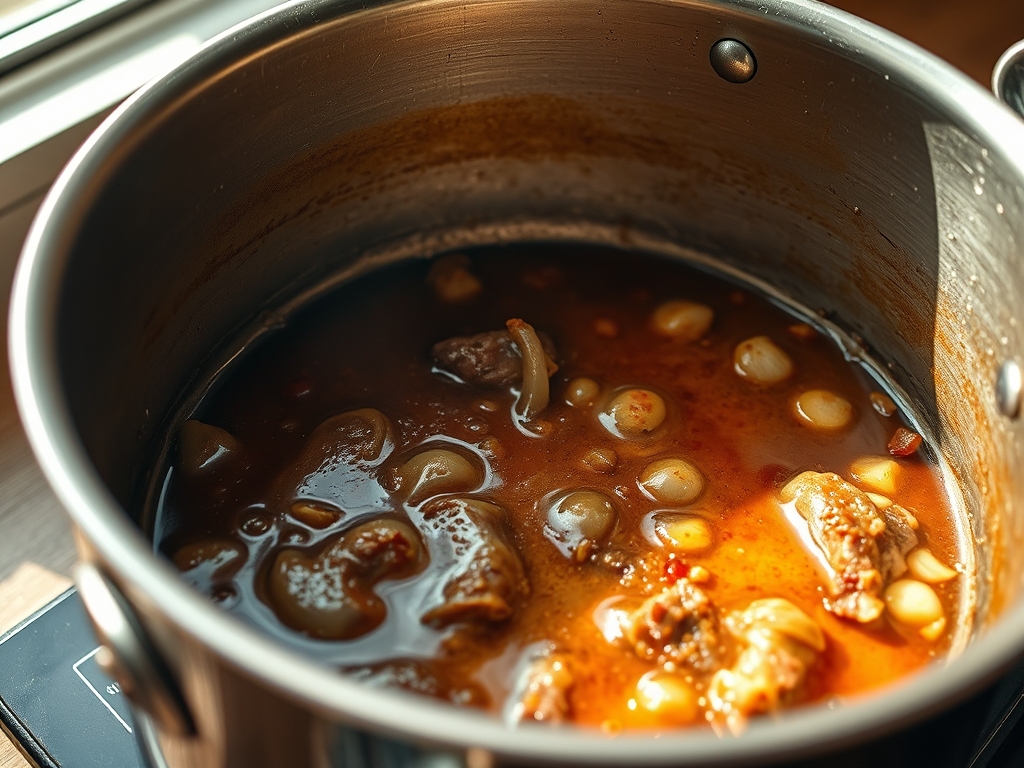
Pat the shanks bone-dry with paper towels. Moisture is the enemy of the Maillard reaction. Season aggressively with salt and pepper. Heat your oil in a heavy-bottomed Dutch oven until it reaches the shimmering point. Sear the shanks on all sides until a dark, even crust forms. Do not crowd the pan; work in batches if necessary to maintain surface temperature.
Pro Tip: Use an infrared thermometer to ensure the pan surface is at least 400 degrees Fahrenheit before the meat makes contact. This ensures rapid caramelization of sugars before the internal juices begin to leak out and steam the protein.
2. The Aromatic Foundation
Remove the meat and set it aside on a wire rack. Lower the heat and add your mirepoix to the rendered fat. Use a bench scraper or wooden spoon to move the vegetables constantly. Once they softened, add the tomato paste and cook for three minutes until it turns a rusty brick red. This removes the "raw" metallic taste of the paste.
Pro Tip: This process, known as pincé, toasts the tomato solids and adds a deep, savory umami base to the braising liquid. It is the secret to a dark, professional-grade sauce.
3. Deglazing and Fluid Integration
Pour in the red wine to deglaze the pan. Scrape the bottom vigorously to release the fond (the brown bits stuck to the pan). Reduce the liquid by half until it becomes a viscous syrup. Add the stock, garlic, and herbs. Return the shanks to the pot; they should be submerged about two-thirds of the way.
Pro Tip: Use a high-quality saucier if you are working with smaller batches to ensure the liquid covers the meat appropriately. The reduction of the wine is critical for removing harsh alcohol notes while retaining the fruity esters.
4. The Low-Slow Kinetic Phase
Cover the pot with a tight-fitting lid or a cartouche (parchment paper lid) and place it in a 325 degree Fahrenheit oven. Every hour, rotate the shanks to ensure even exposure to the braising liquid. The goal is to reach an internal temperature where the collagen melts into gelatin, typically around 205 degrees Fahrenheit.
Pro Tip: Use a digital scale to weigh your aromatics for consistency across batches. The slow application of heat allows the connective tissues to render without toughening the muscle fibers, resulting in a succulent mouthfeel.
5. The Sauce Refinement
Once the meat is fork-tender, remove it carefully. Strain the braising liquid through a fine-mesh chinois into a clean saucepan. Skim the fat from the surface. Boil the liquid over medium-high heat until it coats the back of a spoon. Taste and adjust seasoning with a splash of red wine vinegar if it needs more piquant energy.
Pro Tip: To aerate the sauce and give it a velvet finish, whisk in a cold knob of butter right before serving. This creates a temporary emulsion that adds a luxurious sheen and rounds out the sharp tannins of the wine.
Section B: Prep & Timing Fault-Lines:
The most common failure in Lamb Shank Braising is the "rush job." If you attempt to boil the meat rather than simmer it, the muscle fibers will contract and become stringy and dry. If your oven temperature is too high, the liquid will evaporate too quickly, leaving the top of the shank desiccated. Conversely, if you pull the meat too early because the timer went off, the collagen will still be rubbery. Always cook to texture and temperature, not just the clock. If the meat does not yield to a gentle pull, it needs more time. Use a probe thermometer to verify the 205 degree Fahrenheit sweet spot.
THE VISUAL SPECTRUM
Section C: Thermal & Visual Troubleshooting:
Look at the reference image. The shanks should exhibit a deep, uniform mahogany color, not a pale grey or charred black. If your shanks look dull, you likely skipped the searing phase or failed to deglaze properly. If the sauce looks broken or oily, you did not skim the fat effectively during the reduction phase. The final presentation should show the meat slightly pulling away from the bone, exposing a clean, white "handle." If the meat is falling off the bone into a heap, you have overcooked it, and the structural integrity is compromised. The sauce should be dark and glossy, clinging to the meat like a silk cloak rather than pooling like a watery soup.
THE DEEP DIVE
Macro Nutrition Profile:
A single serving of braised lamb shank provides approximately 45g of protein and 30g of fat. It is an excellent source of Vitamin B12, Zinc, and Selenium. Note that the caloric density is high due to the marrow and fat content, making it a satiating, nutrient-dense option.
Dietary Swaps:
- Vegan: This specific protocol is designed for ovine protein; however, the braising base can be used for large "steaks" of Lion's Mane mushroom or celery root.
- Keto: Replace the mirepoix carrots with extra celery or daikon radish to lower the sugar content. Ensure the wine is a very dry variety.
- GF: This recipe is naturally gluten-free as long as you avoid using flour to thicken the sauce; the gelatin reduction method is superior in both flavor and dietary compatibility.
Meal Prep & Reheating Science:
Lamb shanks are actually better the next day. As the dish cools, the gelatin sets, allowing the flavors to infuse deeper into the muscle tissue. To reheat, do not use a microwave; it will turn the fat rubbery. Instead, place the shank and sauce in a covered pan with a splash of water and heat gently at 300 degrees Fahrenheit until the internal temperature reaches 165 degrees. This protects the molecular structure of the protein.
THE KITCHEN TABLE
How do I know when the braise is officially done?
The "fork-tender" test is your primary diagnostic. Insert a fork into the thickest part of the muscle and twist. If the meat yields with zero resistance and the bone can be wiggled easily, you have achieved success.
Can I use a slow cooker for this protocol?
You can, but you must sear the meat and aromatics in a pan first. A slow cooker cannot reach the temperatures required for the Maillard reaction. Without that initial sear, your lamb will lack depth and look unappealingly pale.
Why is my sauce still too thin after reducing?
This usually indicates the stock used lacked sufficient gelatin. You can fix this by whisking in a small amount of demi-glace or by continuing the reduction. Alternatively, a cold butter whisk-in (monter au beurre) will provide immediate body and thickness.
What is the best way to remove excess fat?
The most efficient method is to chill the braising liquid overnight. The fat will solidify into a hard white disk on top, which can be easily lifted off. For immediate service, use a fat separator or a wide spoon.