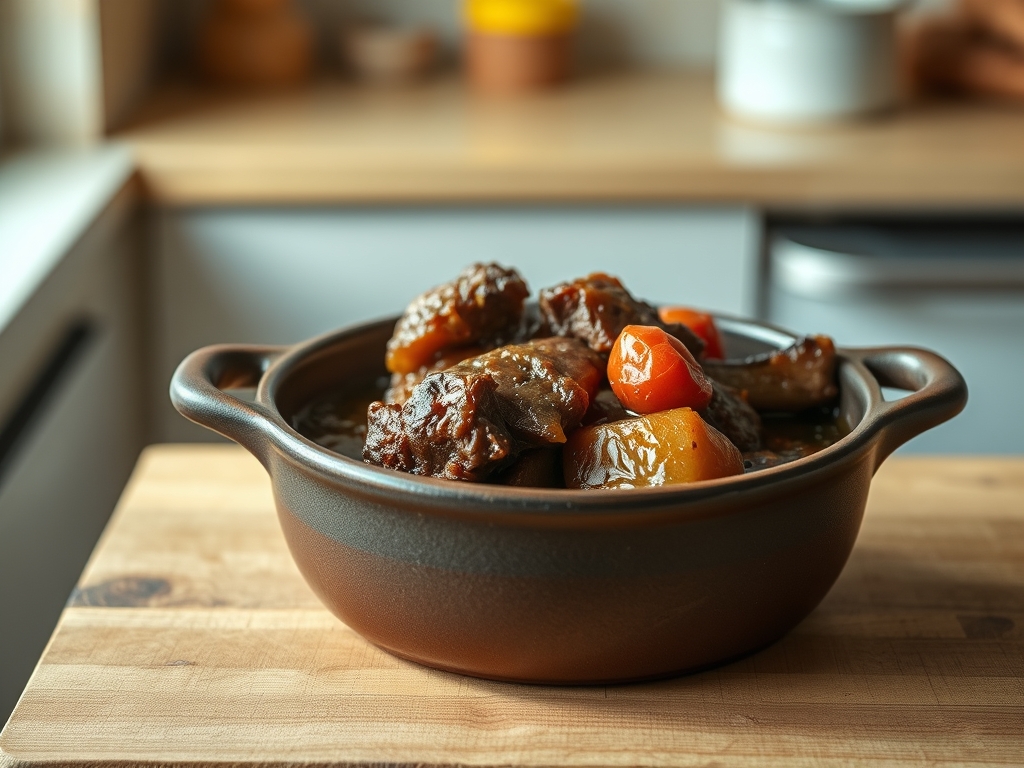
The kitchen is a battlefield of thermal dynamics where the prize is the total collapse of intramuscular collagen. We are not just cooking; we are conducting a high-stakes audit of connective tissue hydrolysis. When you commit to Braised Short Ribs, you are entering a pact with time and temperature to transform a tough, fibrous slab of bovine muscle into a velvet-textured masterpiece. The air should thick with the scent of rendered fat and the piquant aroma of reduced aromatics. This is the sensory peak of culinary engineering. We are looking for that specific moment when the connective tissue dissolves into gelatin, creating a viscous sauce that coats the palate like liquid silk. If your kitchen does not smell like a five-star steakhouse within the first hour, your Maillard reactions have failed you. We demand a deep, mahogany crust and a fork-tender interior that yields to the slightest pressure. This is the gold standard of comfort food, executed with the precision of a laboratory experiment. Strap in, calibrate your sensors, and prepare for the ultimate structural breakdown.
THE DATA MATRIX
| Metric | Specification |
|---|---|
| Prep Time | 45 Minutes |
| Execution Time | 4 Hours |
| Yield | 6 Servings |
| Complexity (1-10) | 7 |
| Estimated Cost per Serving | $12.50 – $15.00 |
THE GATHERS
Ingredient Protocol:
- 2.25 kg / 5 lbs Bone-in Beef Short Ribs (English Cut)
- 30 ml / 2 tbsp High-Smoke Point Oil (Grapeseed or Avocado)
- 450 g / 1 lb Yellow Onions, diced
- 250 g / 0.5 lb Carrots, peeled and diced
- 250 g / 0.5 lb Celery, diced
- 45 g / 3 tbsp Tomato Paste
- 750 ml / 1 bottle Dry Red Wine (Cabernet or Syrah)
- 1 L / 4 cups High-Gelatin Beef Stock
- 5 g / 4 sprigs Fresh Thyme
- 2 g / 2 leaves Dried Bay Leaves
- 10 g / 4 cloves Garlic, smashed
- 15 g / 1 tbsp Kosher Salt (plus more for seasoning)
- 5 g / 1 tsp Coarse Black Pepper
Section A: Ingredient Quality Audit:
The most common failure point in Braised Short Ribs is the selection of "select" grade beef with insufficient marbling. If your ribs lack internal fat, the result will be dry and stringy despite the braise. To fix this, ensure you source Choice or Prime grade meat. If the meat is lean, you must supplement the braising liquid with additional collagen sources like unflavored gelatin or veal bones to achieve the desired mouthfeel. Another audit failure is using "cooking wine" which contains high sodium and low acidity. Always use a wine you would drink; the acidity is crucial to balance the richness of the rendered fat. If your mirepoix is chopped unevenly, the smaller pieces will disintegrate into mush before the larger pieces release their sugars. Use a sharp chef knife to ensure uniformity for consistent caramelization.
THE MASTERCLASS
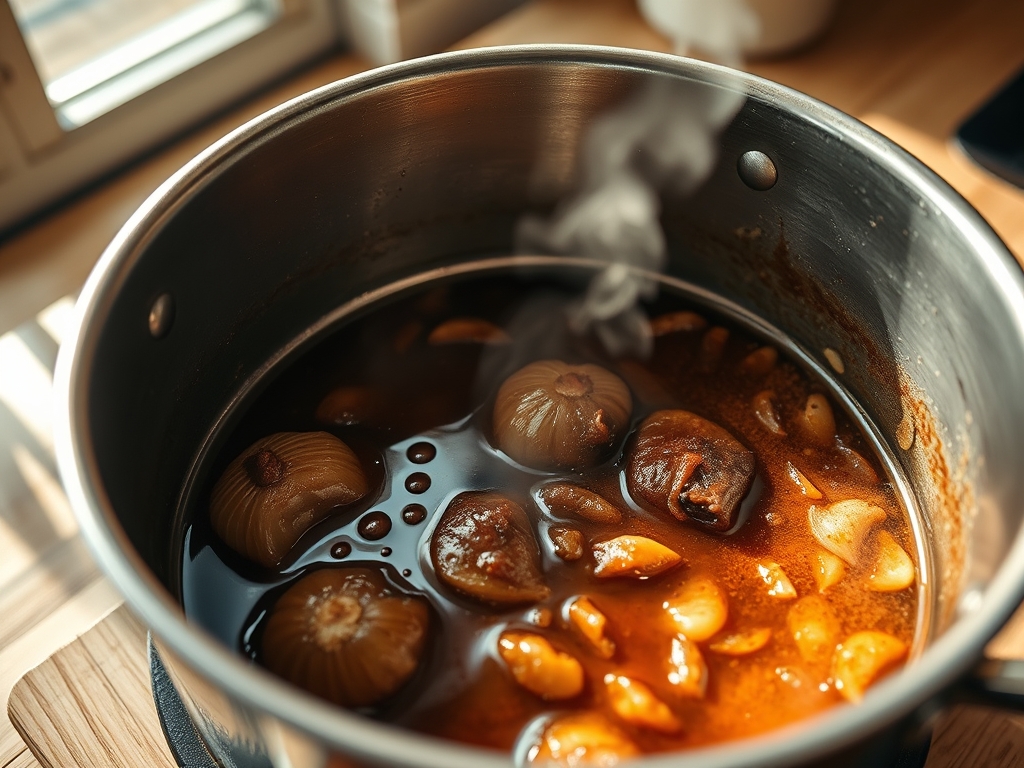
1. Thermal Sealing and Maillard Initiation
Pat the ribs bone-dry with paper towels. Season aggressively with salt and pepper on all sides. Heat your heavy-bottomed Dutch oven over medium-high heat until the oil shimmers. Sear the ribs in batches, ensuring they do not crowd the pan. Achieve a deep, dark crust on every surface. Use a bench scraper to clear any burnt bits between batches if necessary.
Pro Tip: The Maillard reaction occurs most efficiently between 140 and 165 degrees Celsius. If the meat is damp, energy is wasted evaporating surface moisture instead of browning the proteins. A digital scale ensures you apply exactly 1.5 percent salt by weight for optimal seasoning.
2. Mirepoix Caramelization and Aromatics
Remove the meat and discard all but two tablespoons of the rendered fat. Add the onions, carrots, and celery. Sauté until the vegetables are softened and the edges begin to brown. Stir in the tomato paste and garlic, cooking for another two minutes until the paste turns a rusty brick color.
Pro Tip: This stage is about building layers of flavor. The tomato paste acts as a catalyst for umami. Using a heavy saucier or Dutch oven ensures even heat distribution, preventing the sugars in the vegetables from scorching and turning bitter.
3. The Deglaze and Reduction
Pour in the red wine, using a wooden spoon to scrape the bottom of the pot to release the fond (the brown bits). Reduce the liquid by half. This concentrates the acidity and removes the raw alcohol bite, leaving only the fruit and tannin structure.
Pro Tip: Deglazing is a chemical extraction process. The alcohol and water in the wine dissolve the flavor-packed compounds stuck to the pan. Use a digital thermometer to monitor the reduction; you are looking for a syrupy consistency that coats the back of a spoon.
4. Hydrolysis and Low-Temperature Braising
Return the ribs to the pot along with any accumulated juices. Add the beef stock until the ribs are two-thirds submerged. Tuck in the herbs. Cover with a tight-fitting lid and place in a 150 degree Celsius (300 degree Fahrenheit) oven for 3 to 3.5 hours.
Pro Tip: Connective tissue (collagen) begins to convert to gelatin at 70 degrees Celsius, but the process is time-dependent. A low, slow braise prevents the muscle fibers from tightening too quickly and squeezing out moisture, ensuring the meat remains succulent.
5. Final Sauce Emulsification
Remove the ribs carefully. Strain the braising liquid through a fine-mesh sieve into a clean saucepan. Skim the fat from the surface. Boil the liquid until it reduces to a thick, viscous glaze. Whisk in a cold knob of butter if a glossier finish is desired.
Pro Tip: A fat separator is a vital professional tool here to ensure your sauce isn't greasy. The reduction phase is where you calibrate the final seasoning. Taste frequently; as the water evaporates, the salt concentration increases.
Section B: Prep & Timing Fault-Lines:
The most frequent human error is rushing the sear. If you do not achieve a dark crust, your sauce will be pale and lack depth. Conversely, if the oven temperature is too high (above 175 degrees Celsius), the liquid will boil violently, causing the meat to become tough and "pot-roasty" rather than meltingly tender. Use an oven thermometer to verify your appliance's accuracy. If the ribs are done early, keep them submerged in the liquid to prevent oxidation and drying. Never pull the meat out and leave it exposed to air while you finish the sauce; the surface will darken and toughen within minutes.
THE VISUAL SPECTRUM
Section C: Thermal & Visual Troubleshooting:
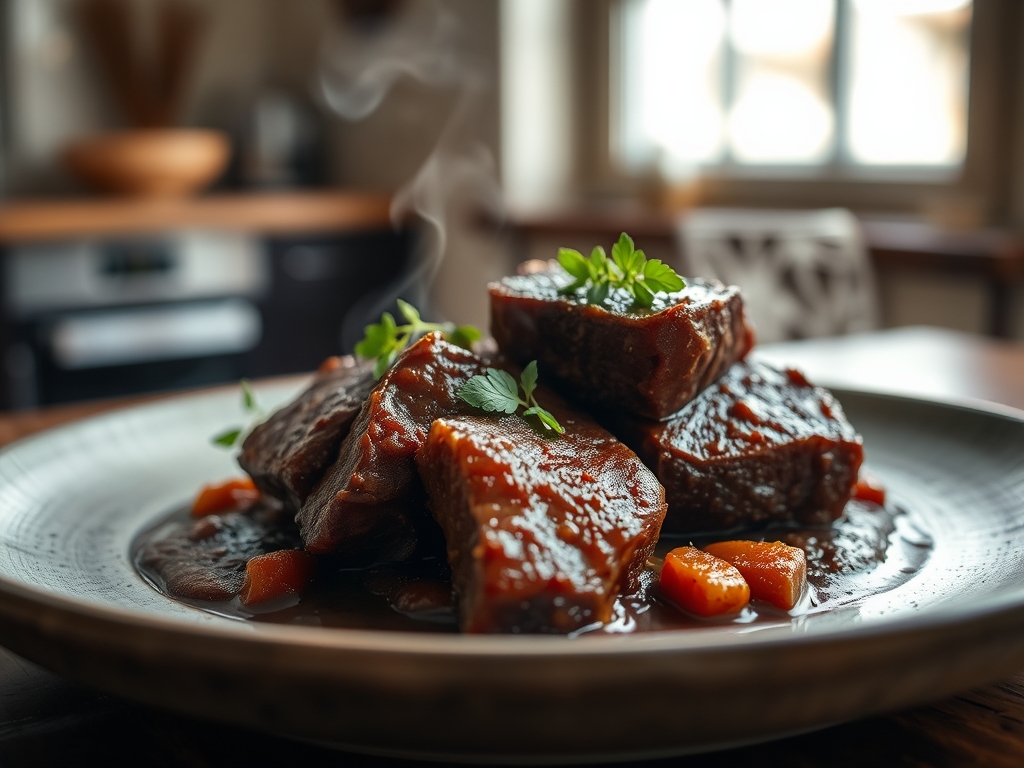
Referencing the Masterclass photo, the ribs should exhibit a "shaggy" texture where the meat begins to pull away from the bone, exposing about an inch of the rib. If your ribs look smooth and tight, they require more time in the oven. The sauce should be a deep, reflective mahogany. If your sauce looks gray or muddy, you likely skipped the tomato paste caramelization or used a low-quality stock. Uneven browning usually stems from crowding the pan during the initial sear, which causes the meat to steam rather than fry. If the vegetables are still distinct and firm, the braise was too short; they should be completely soft, having surrendered their structural integrity to the sauce.
THE DEEP DIVE
Macro Nutrition Profile
A standard serving of Braised Short Ribs is calorie-dense, providing approximately 650-800 calories. It is high in protein (45g) and fat (50g), with minimal carbohydrates depending on the wine reduction. It is an excellent source of bioavailable iron, zinc, and Vitamin B12.
Dietary Swaps
- Vegan: Replace beef with large "steaks" of Lion's Mane mushroom or thick-cut celery root. Use a mushroom-based dashi instead of beef stock.
- Keto: Eliminate the carrots and use a dry, low-carb wine. Thicken the sauce by reduction only, avoiding any flour or cornstarch.
- GF: This recipe is naturally gluten-free; ensure your beef stock does not contain hidden yeast extracts or thickeners.
Meal Prep & Reheating Science
Short ribs are actually superior on day two. As the dish cools, the gelatin sets into a semi-solid matrix, further infusing the meat with flavor. To reheat, do so gently on the stovetop over low heat. Avoid the microwave, as it can cause localized overheating, which tightens the protein fibers and ruins the delicate texture you worked so hard to achieve.
THE KITCHEN TABLE
Why are my short ribs still tough after three hours?
You likely haven't reached the "breakdown" temperature. Every cow is different. If they are tough, they simply need more time. Continue braising in 30-minute increments until the meat yields to a fork with zero resistance.
Can I do this in a slow cooker?
Yes, but you must still sear the meat and aromatics in a pan first. The slow cooker lacks the evaporation necessary to concentrate flavors, so you will need to reduce the sauce in a separate pot at the end.
What is the best wine for braising?
Choose a high-tannin, dry red wine like Cabernet Sauvignon or Malbec. Avoid sweet wines, as the sugars will become cloying when reduced. The acidity in dry red wine is essential for cutting through the heavy fat.
Why did my sauce turn out greasy?
Short ribs are incredibly fatty. If you don't skim the rendered fat from the top of the braising liquid before reducing it, the fat will emulsify into the sauce, making it heavy and slick rather than velvety.