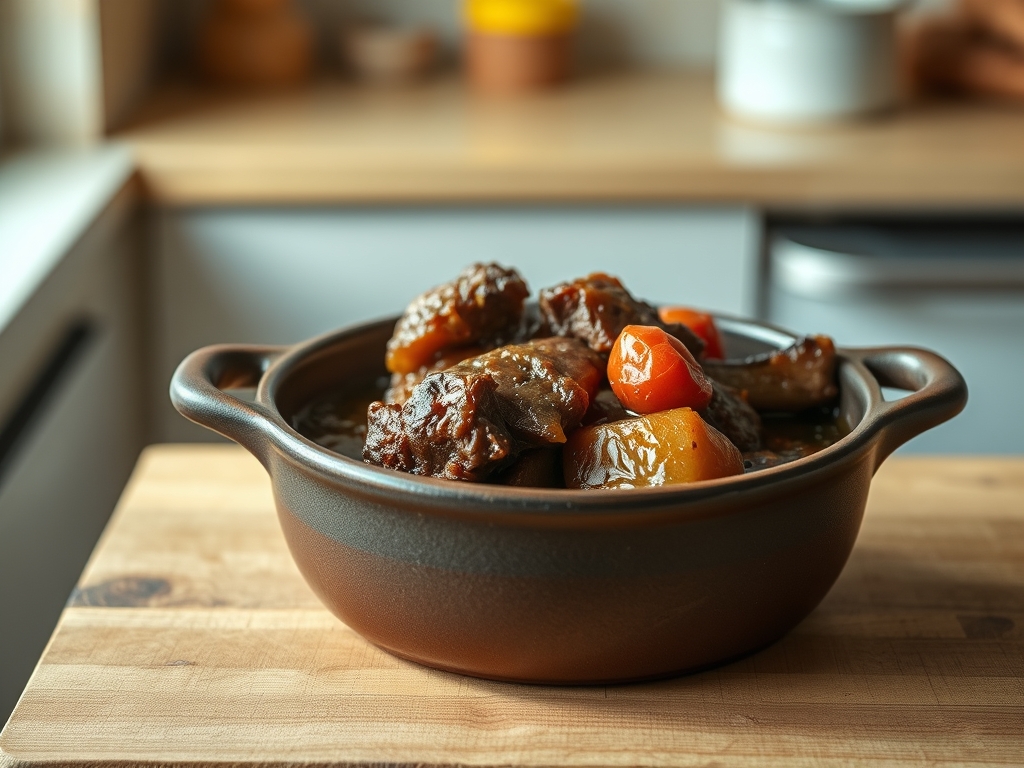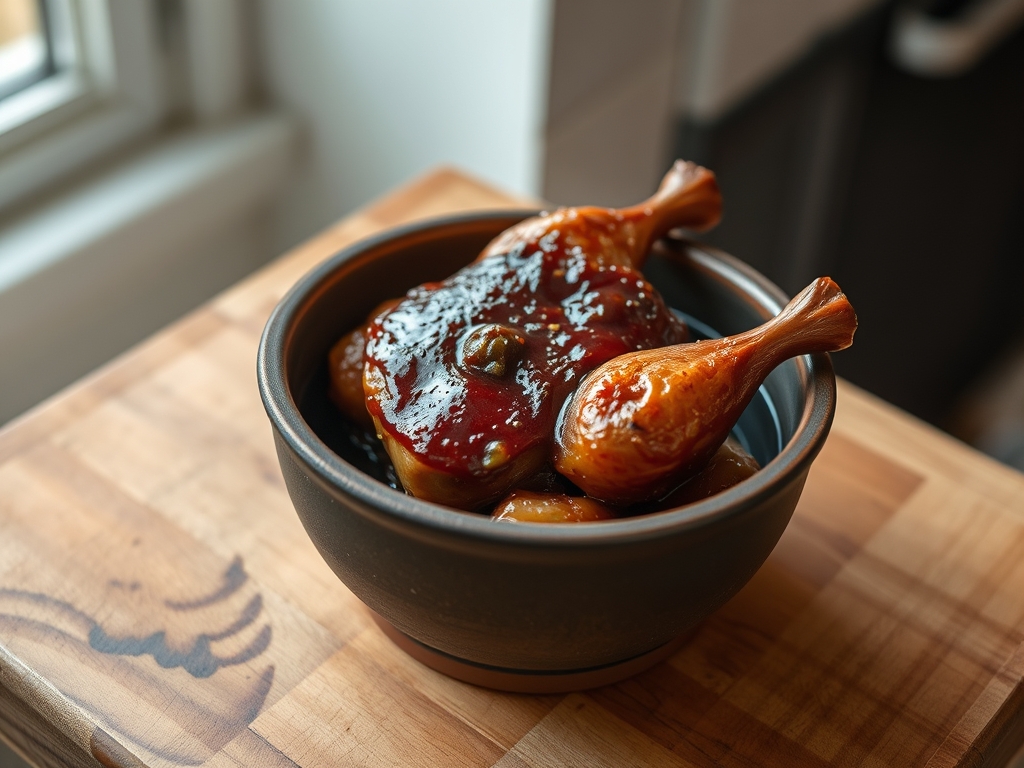
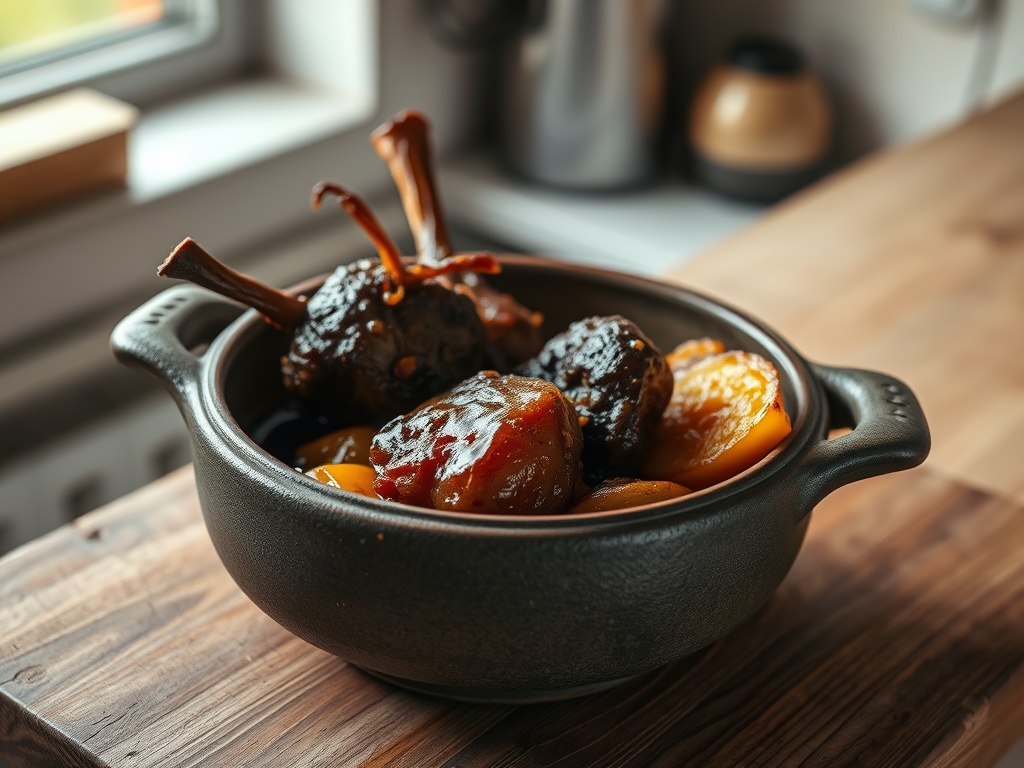
Listen to the sound of the high-performance kitchen. It is not a melody; it is a violent, percussive roar. We are here to talk about the structural integrity of the veal shank. This is not a casual Sunday stew. This is a technical operation where the primary objective is the extraction of collagen and the preservation of the gelatinous core. The process begins with Osso Buco Searing. You are looking for that specific, deep mahogany crust that signals the completion of the Maillard reaction. If your pan is not screaming, you are merely boiling meat in its own juices. We want to render the exterior fat while locking in the structural moisture of the connective tissue. The air should be thick with the scent of toasted proteins and caramelized sugars. This is the moment where culinary infrastructure meets raw ambition. We are building a foundation of flavor that will support a four-hour braise. If you fail at the sear, you fail at the dish. Let us audit your station and prepare for deployment.
THE DATA MATRIX
| Metric | Value |
|---|---|
| Prep Time | 45 Minutes |
| Execution Time | 4 Hours |
| Yield | 4 Servings |
| Complexity | 8 / 10 |
| Estimated Cost per Serving | $18.50 USD |
THE GATHERS
Ingredient Protocol:
- 4 Center-cut veal shanks (approx. 1.8kg / 4 lbs)
- 50g / 1.75 oz All-purpose flour (for dredging)
- 60ml / 4 tbsp High-smoke point oil (Grapeseed or Avocado)
- 200g / 1.5 cups Yellow onion, finely diced
- 100g / 1 cup Carrots, small dice
- 100g / 1 cup Celery, small dice
- 45g / 3 tbsp Tomato paste
- 375ml / 1.5 cups Dry white wine (Pinot Grigio or Sauvignon Blanc)
- 500ml / 2 cups Veal stock or high-quality beef bone broth
- 3 cloves Garlic, smashed
- 2 sprigs Fresh thyme
- 1 sprig Fresh rosemary
- 2 pieces Lemon zest (for the braise)
Section A: Ingredient Quality Audit:
The most common failure point in the Osso Buco lifecycle is the selection of the veal itself. If the shanks are cut too thin (less than 1.5 inches), the marrow will liquefy and vanish before the meat reaches tenderness. Ensure your butcher provides center-cut shanks with a visible, intact marrow pocket. If your vegetables appear wilted or dehydrated, they will lack the necessary sugars for a proper mirepoix caramelization. Technical fix: if using older aromatics, add a pinch of granulated sugar during the sweat phase to jumpstart the browning process. If your stock is store-bought and thin, whisk in 5g of unflavored gelatin to mimic the viscous mouthfeel of a professional reduction.
THE MASTERCLASS
Step 1: Structural Preparation and Dredging
Secure each veal shank with butcher's twine around the circumference. This prevents the meat from detaching from the bone during the long braise. Pat the meat bone-dry with paper towels; moisture is the enemy of the sear. Lightly coat each shank in seasoned flour, shaking off every excess grain. Use a digital scale to ensure your salt-to-flour ratio is exactly 2 percent by weight.
Pro Tip: Drying the meat is a thermodynamic necessity. Energy spent evaporating surface water is energy not spent browning the protein. A dry surface allows the Maillard reaction to begin at 285 degrees Fahrenheit immediately upon contact with the pan.
Step 2: The High-Velocity Osso Buco Searing
Heat your heavy-bottomed stainless steel saucier or Dutch oven over medium-high heat until the oil shimmers. Place the shanks in the pan, ensuring they do not touch. Sear for 5 to 7 minutes per side until a dark, even crust forms. Do not move them prematurely. Use a heavy pair of tongs to rotate the shanks, ensuring the edges are also scorched.
Pro Tip: This stage creates the "fond," the caramelized protein bits stuck to the bottom of the pan. This is the concentrated essence of the dish. Professional chefs use heavy copper or cast iron to maintain thermal mass, preventing the pan temperature from dropping when the cold meat is added.
Step 3: Aromatics and Mirepoix Integration
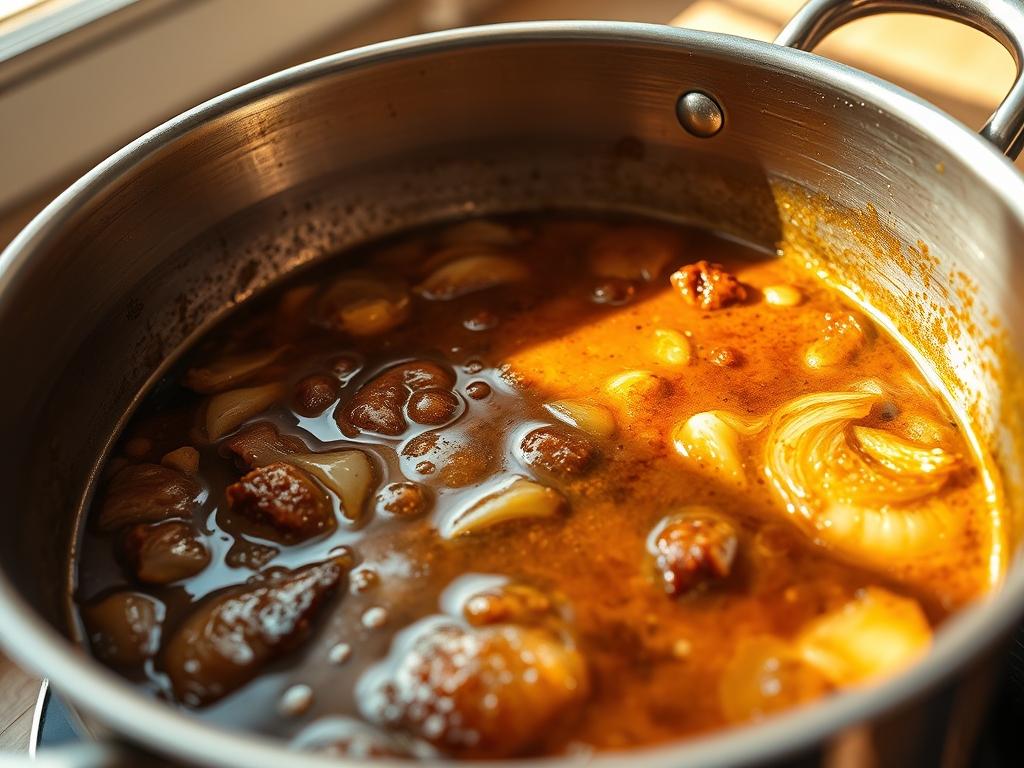
Remove the meat and set it aside on a wire rack. Reduce the heat and add your onions, carrots, and celery. Use a bench scraper to neatly clear your cutting board of all aromatics. Sweat the vegetables in the residual veal fat until translucent. Add the tomato paste and cook for 3 minutes until it turns a rusty brick red.
Pro Tip: This is called "pincage." Cooking the tomato paste removes its raw, metallic edge and develops a deep, savory umami base. The acid in the paste also begins the chemical breakdown of the vegetable cellulose.
Step 4: The Deglaze and Liquid Submersion
Pour in the white wine and use a wooden spoon to scrape every millimeter of the fond off the bottom of the pan. This is the deglaze phase. Allow the wine to reduce by half to burn off the harsh ethanol. Return the shanks to the pan and pour in the stock until the liquid reaches halfway up the sides of the meat. Add your herbs and garlic.
Pro Tip: Never fully submerge the meat. A partial submersion allows the top of the shank to benefit from radiant steam heat while the bottom braises in the liquid. This dual-phase cooking ensures the meat stays intact while the connective tissue dissolves.
Step 5: The Controlled Thermal Descent
Cover the pot with a tight-fitting lid or parchment paper (cartouche) and transfer to a 325 degree Fahrenheit oven. Braise for 3 to 3.5 hours. Every hour, carefully flip the shanks to ensure even heat distribution. Use a probe thermometer to check for a target internal temperature of 195 degrees Fahrenheit, where collagen conversion is maximized.
Pro Tip: A "cartouche" or parchment lid creates a pressurized environment that prevents the top of the meat from drying out while allowing a small amount of evaporation to concentrate the sauce. This is the secret to a viscous, lip-smacking finish.
Section B: Prep & Timing Fault-Lines:
If your sauce is too thin at the end of the cooking time, do not panic. Remove the meat carefully and reduce the liquid on the stovetop over high heat. If the meat is falling off the bone too early, your oven calibration is likely running hot. Use an independent oven thermometer to verify the ambient temperature. If you find yourself behind schedule, do not increase the heat; this will only tighten the muscle fibers and result in "pot roast" texture rather than the silky, luxurious finish of a true Osso Buco.
THE VISUAL SPECTRUM
Section C: Thermal & Visual Troubleshooting:
Referencing the Masterclass photo, your shanks should exhibit a uniform, dark amber crust. If your shanks look grey or "steamed," your pan was overcrowded, or the heat was too low. Solution: sear in batches next time. If the marrow has fallen out of the bone, you likely skipped the tying step or were too aggressive when flipping the meat. To fix a dull, muddy-looking sauce, infuse a fresh hit of brightness at the very end with a gremolata (lemon zest, parsley, and garlic). This provides a visual and flavor contrast to the heavy, dark braise. The sauce should coat the back of a spoon without running; if it is watery, continue to reduce until the lipids and proteins emulsify into a glossy sheen.
THE DEEP DIVE
Macro Nutrition Profile:
A single serving of Osso Buco is a powerhouse of bioavailable minerals and fats. Expect approximately 450 calories, 35g of protein, 28g of fat, and 12g of carbohydrates. The marrow provides a high concentration of monounsaturated fats and alkylglycerols, which are essential for immune system support.
Dietary Swaps:
- Vegan: Replace veal with thick-cut "steaks" of King Oyster mushrooms or celery root. Use a mushroom-based dashi instead of veal stock.
- Keto: Eliminate the flour dredge entirely. Use xanthan gum (0.5g) at the end to thicken the sauce if necessary.
- GF: Swap all-purpose flour for rice flour or potato starch to achieve the same crust during the sear.
Meal Prep & Reheating Science:
Osso Buco is actually superior on day two. As the dish cools, the gelatin sets into a semi-solid matrix, further infusing the meat with the aromatics. To reheat, do not use a microwave; the uneven radiation will toughen the proteins. Instead, place the shank and sauce in a small covered pot with a splash of water and heat gently over low flame until the internal temperature reaches 165 degrees Fahrenheit.
THE KITCHEN TABLE
Why is my veal tough after three hours?
You likely haven't reached the "breakdown" point. Collagen requires sustained heat to transform into gelatin. If the meat is tough, it simply needs more time. Continue braising in 30-minute increments until the fibers yield to a fork.
Can I use red wine instead of white?
Yes, but it alters the profile. Red wine creates a heavier, more rustic "coq au vin" style flavor. White wine is traditional because it provides a piquant acidity that cuts through the richness of the marrow.
What is the best vessel for Osso Buco?
An enameled cast iron Dutch oven is the gold standard. Its ability to retain and distribute heat evenly prevents hot spots that could scorch the delicate marrow or the bottom of the sauce.
Is dredging in flour mandatory?
While not strictly mandatory, the flour serves two purposes: it aids in browning and acts as a built-in thickener for the braising liquid. Without it, your sauce will require a secondary thickening agent later.