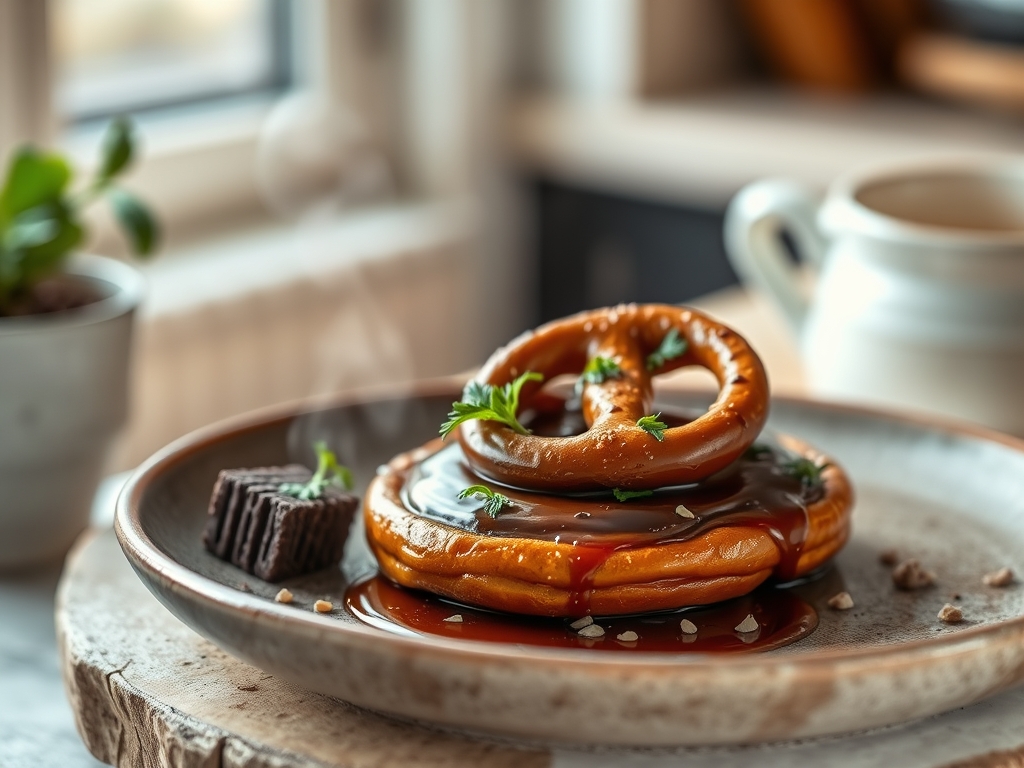
Listen to the sound of a structural failure occurring at the speed of sound. That sharp, percussive crack is the sonic signature of the Chocolate Pretzel Snap. It is not merely a confection; it is a high-stakes collision between a rigid, salt-encrusted starch lattice and a viscous, lipid-heavy cocoa coating. Most home cooks treat this as a casual snack, but we are here to audit the physics of the crunch. We are looking for the precise moment where the snap of the oven-toasted pretzel meets the yielding resistance of tempered chocolate. If your snap is soggy, your lipids have migrated. If your chocolate is chalky, your tempering curve has collapsed. We are engineering a masterpiece of dual-texture mechanics that demands respect for the Maillard reaction and the stability of crystalline fats. Prepare your workstation for a rigorous assessment of salt, sugar, and structural integrity. This is the audit of the ultimate sweet-and-salty matrix.
THE DATA MATRIX
| Metric | Specification |
|---|---|
| Prep Time | 20 Minutes |
| Execution Time | 45 Minutes (plus cooling) |
| Yield | 24 Units |
| Complexity (1-10) | 4 |
| Estimated Cost per Serving | $0.45 |
THE GATHERS
Ingredient Protocol:
- 450g / 1 lb High-Quality Dark Chocolate (60% Cacao minimum)
- 24 Large Square Snap Pretzels (Grid-style)
- 24 Large Soft Caramels or 250ml / 1 cup Homemade Caramel Sauce
- 120g / 1 cup Pecan Halves (Lightly toasted)
- 5ml / 1 tsp Flaked Sea Salt (Maldon preferred)
- 15ml / 1 tbsp Refined Coconut Oil (Optional for fluidity)
Section A: Ingredient Quality Audit:
The primary failure point in a Chocolate Pretzel Snap is the moisture content of the pretzel. If your pretzels have been exposed to humidity, the starch matrix becomes elastic rather than brittle. To fix this, re-crisp them in a 150C / 300F oven for five minutes before assembly. Regarding the chocolate, avoid "melting wafers" containing hydrogenated palm kernel oil. These lack the complex mouthfeel of real cocoa butter. If your chocolate appears dull or has "bloomed" with white streaks, the fat has separated. You can rescue this by adding a small amount of lecithin or coconut oil to emulsify the mixture, though a proper temper is always the superior solution for a professional finish.
THE MASTERCLASS
1. Thermal Staging and Pretzel Alignment
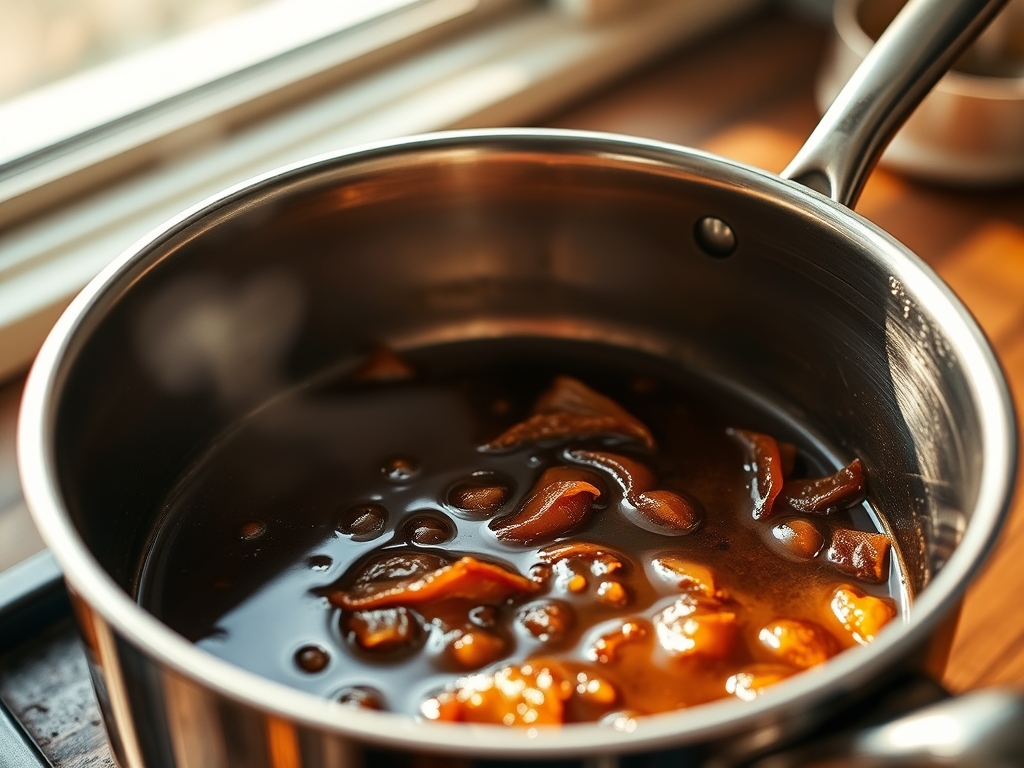
Place your grid-style pretzels on a parchment-lined baking sheet in a single, non-overlapping layer. Use a digital scale to ensure each pretzel receives an identical payload of caramel. Center one caramel square on each pretzel grid.
Pro Tip: This stage utilizes the pretzel as a structural chassis. By centering the caramel perfectly, you ensure that as it softens, it flows into the gaps of the pretzel lattice, creating a mechanical bond that prevents the layers from sliding apart later.
2. The Controlled Softening Phase
Slide the tray into an oven preheated to 175C / 350F for exactly three to five minutes. You are not looking to render the caramel into a liquid state; you want a viscous, pliable dome that has just begun to lose its sharp edges.
Pro Tip: Use an infrared thermometer to check the surface temperature of the caramel. You are aiming for approximately 60C / 140F. This temperature allows the pecan to be embedded without the caramel becoming so fluid that it escapes the pretzel boundaries.
3. Structural Integration of the Nut
Immediately upon removal from the heat, press a toasted pecan half into the center of each softened caramel. Apply enough pressure to force the caramel through the pretzel holes.
Pro Tip: Use a bench scraper to keep the rows perfectly aligned during this process. The pecan acts as a secondary structural reinforcement, and the downward pressure ensures the "snap" will be a unified bite rather than a series of crumbling layers.
4. Precision Tempering of the Lipid Matrix
While the bases cool, melt your dark chocolate using a saucier over a water bath (bain-marie). Ensure the chocolate does not exceed 46C / 115F for dark chocolate. Remove from heat and "seed" with remaining chocolate bits to bring the temperature down to 31C / 88F.
Pro Tip: Proper tempering aligns the cocoa butter crystals into a stable Form V structure. This is what provides the professional "snap" and a high-gloss finish that resists melting at room temperature.
5. The Final Enrobing and Saline Infusion
Drizzle the tempered chocolate over the cooled caramel and pecan stacks. While the chocolate is still viscous, sprinkle a few grains of flaked sea salt over the apex of each snap.
Pro Tip: The salt is not just a seasoning; it is a flavor bridge. It triggers the "sodium-glucose" transport mechanism on the tongue, which actually enhances the perception of sweetness while providing a piquant contrast to the rich lipids.
Section B: Prep & Timing Fault-Lines:
Timing is the invisible ingredient. If you wait too long after the oven phase to add the pecan, the caramel will "set" and the bond will be weak. Conversely, if you apply the chocolate while the caramel is still hot, you will break the temper of the chocolate, resulting in a streaky, soft mess. Use a digital scale to weigh your chocolate portions if you are making large batches; consistency in mass leads to consistency in cooling times. If the room is too warm, the chocolate will not set with a snap; move the tray to a cool, dry area (not the freezer, which causes condensation) to finalize the crystallization.
THE VISUAL SPECTRUM
Section C: Thermal & Visual Troubleshooting:
In the reference photo, notice the "halo" effect where the chocolate meets the pretzel. The chocolate should be glossy and dark, with no grey streaks. If your snaps look dull, your temper was lost. If the caramel has leaked out from under the pretzel, your oven temperature was too high or the "dwell time" was too long. The pecan should be visible but partially submerged, like an island in a sea of caramel. If the salt flakes have dissolved, you applied them while the chocolate was too warm and the moisture in the chocolate (or the air) absorbed them. A perfect snap should show distinct layers when viewed from the side: brown starch, amber caramel, tan nut, and dark gloss.
THE DEEP DIVE
Macro Nutrition Profile:
Each Chocolate Pretzel Snap contains approximately 140 calories, 8g of fat, 16g of carbohydrates, and 1g of protein. The high fat content from the pecans and cocoa butter provides a slow energy release, while the simple sugars in the caramel offer an immediate glucose spike.
Dietary Swaps:
- Vegan: Use a coconut-milk-based caramel and dairy-free dark chocolate.
- Keto: Utilize a stevia-sweetened chocolate and a "caramel" made from browned butter and heavy cream (allulose-sweetened). Replace the pretzel with a keto-friendly almond flour cracker.
- GF: Simply substitute the standard pretzel for a certified gluten-free variety made from corn or potato starch.
Meal Prep & Reheating Science:
These units are shelf-stable for up to two weeks if stored in an airtight container at 18C / 65F. Do not refrigerate, as the "sugar bloom" will occur when moisture pulls sugar to the surface. To "revive" a snap that has lost its crunch, a quick 10-second blast in a convection oven can aerate the starch, but be careful not to melt the tempered chocolate.
THE KITCHEN TABLE
Why is my chocolate soft at room temperature?
Your chocolate likely lost its temper. If it was heated too high or cooled too slowly, the cocoa butter crystals formed an unstable lattice. Next time, use a thermometer and "seed" the melt with unheated chocolate to ensure stability.
Can I use milk chocolate instead of dark?
Yes, but the "snap" will be less pronounced. Milk chocolate contains milk solids and more fats, which creates a softer molecular structure. You must lower your tempering temperature to 29C / 84F for successful crystallization.
My caramel is like rock candy. What happened?
The caramel was likely overcooked in the oven or was a "hard" variety to begin with. You want "soft" or "chewy" caramels. If using homemade, ensure you don't exceed the "firm ball" stage during the initial cook.
How do I get the salt to stick without melting?
Wait for the chocolate to begin its initial set. It should look slightly less wet but still tacky. This allows the salt to adhere to the surface without sinking into the lipid matrix or dissolving from residual heat.