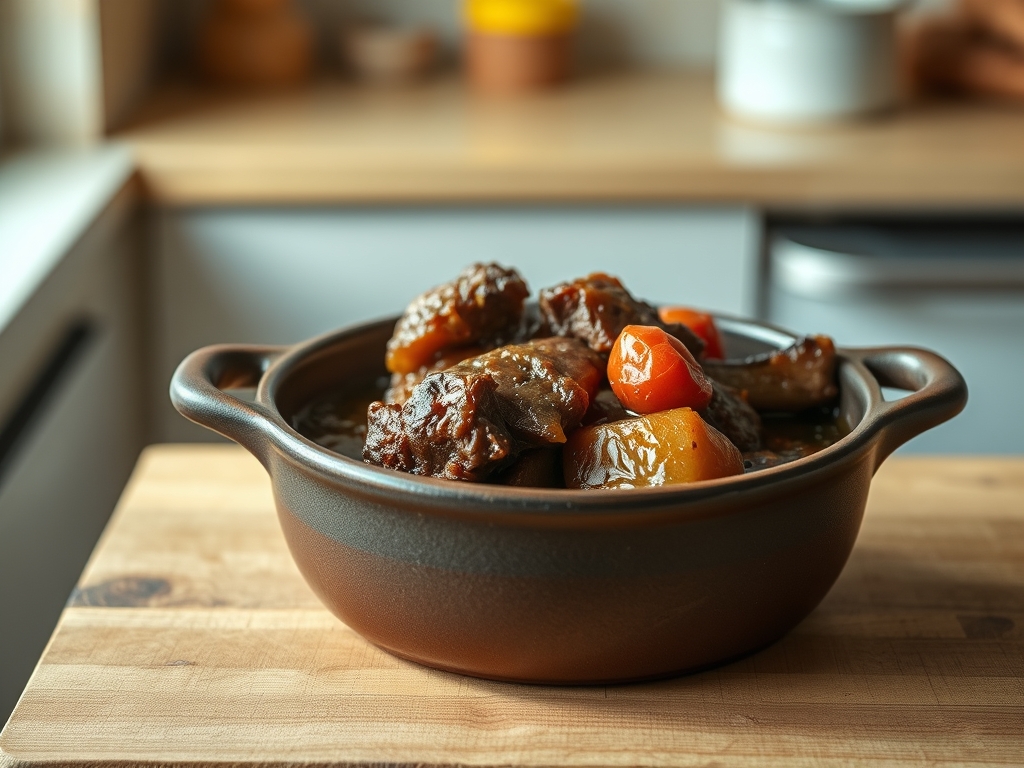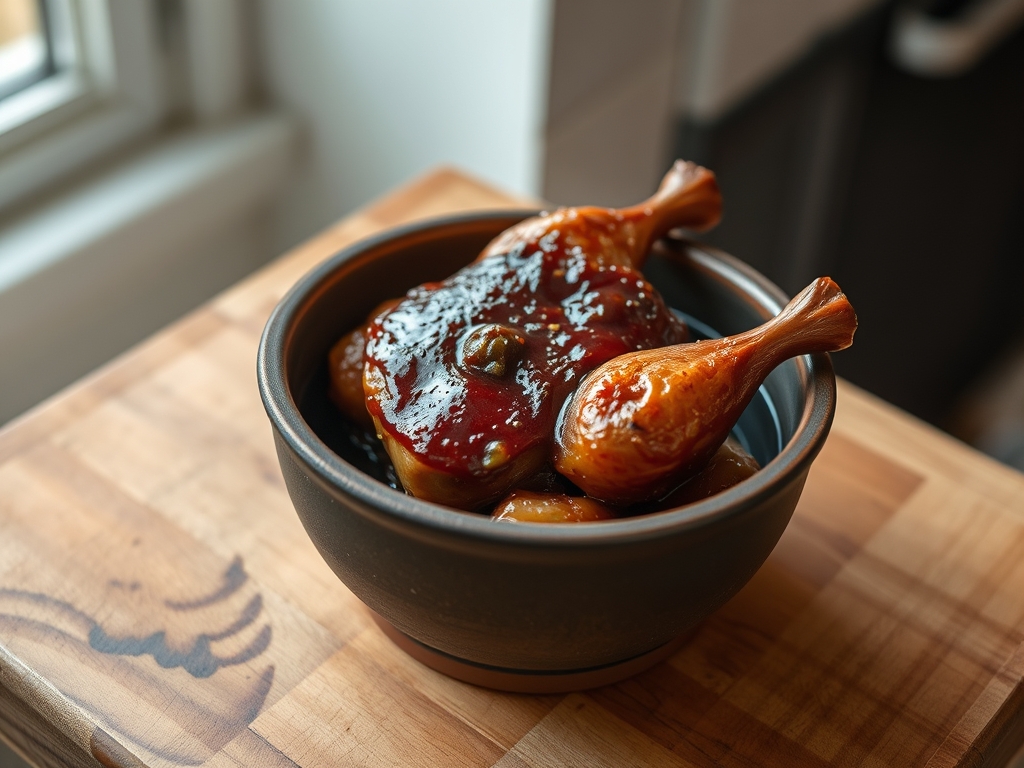
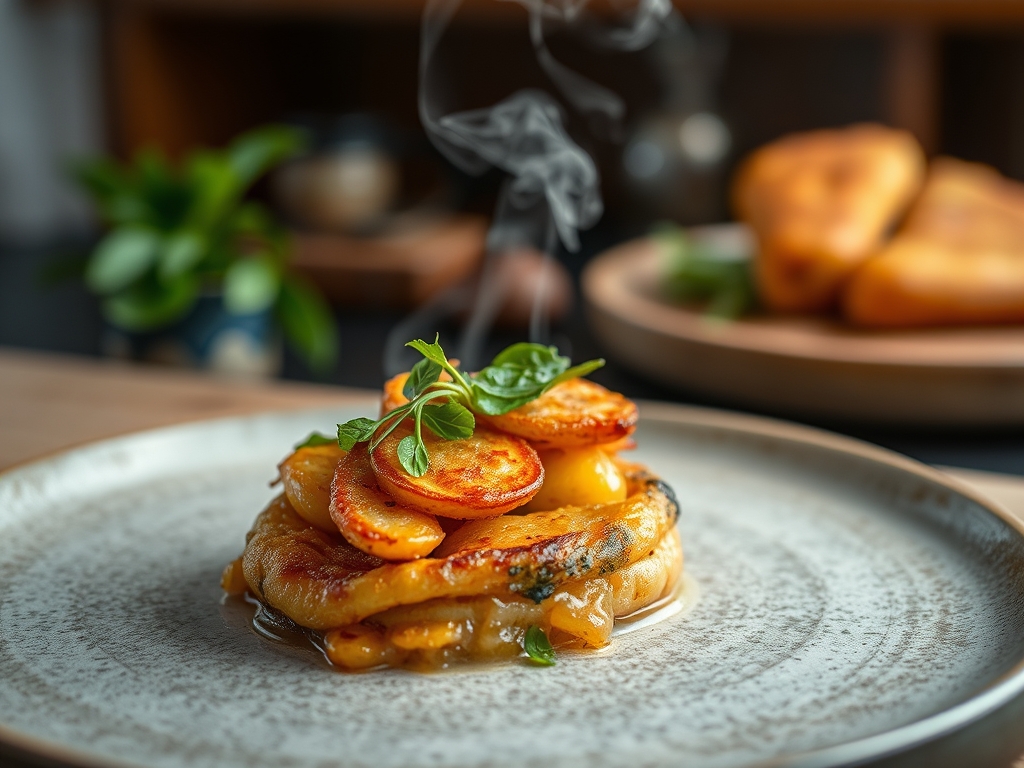
Imagine the violent collision of sub-zero temperatures and three hundred and seventy five degree oil. This is the frontline of the modern appetizer program. We are moving past the era of soggy, limp finger foods and entering the domain of high-velocity culinary engineering. The core of this operation is Freeze to Fry Logic. This is the strategic principle that dictates how a frozen substrate reacts when plunged into a lipid bath. We are not just cooking; we are managing a phase transition. By leveraging the moisture trapped in the cellular structure of a frozen croquette or spring roll, we utilize internal steam to cook the interior while the exterior undergoes a rapid, aggressive Maillard reaction. This creates the legendary "shatter-crisp" texture that defines professional-grade appetizers. If you fail to respect the thermal gradient, you end up with a greasy, cold-centered disaster. If you master the logic, you achieve a golden, viscous interior and a structural integrity that withstands the most demanding service windows. Let us audit the process and optimize your output.
THE DATA MATRIX
| Metric | Specification |
|---|---|
| Prep Time | 45 Minutes (Active) |
| Execution Time | 4-6 Minutes |
| Yield | 24 Units |
| Complexity (1-10) | 7 |
| Estimated Cost per Serving | $1.15 |
THE GATHERS
Ingredient Protocol:
- 500g / 1.1 lbs Yukon Gold Potatoes (High starch for structural stability)
- 150g / 5.3 oz Smoked Gruyere (High fat content for viscous melt)
- 2 Large Eggs (Binding agent)
- 200g / 2 cups Panko Breadcrumbs (For maximum surface area)
- 50ml / 3.5 tbsp Heavy Cream (To infuse richness)
- 5g / 1 tsp Smoked Paprika (A piquant aromatic)
- 10g / 2 tsp Kosher Salt
- 1L / 4 cups Neutral Frying Oil (High smoke point)
Section A: Ingredient Quality Audit:
If your potato base feels grainy or mealy, you likely used a low-starch waxy potato. To fix this in real-time, fold in a small amount of potato starch to absorb excess moisture. If the cheese separates and becomes oily during the melt, your emulsion has broken. Use a small amount of sodium citrate to stabilize the fats. If the breadcrumbs are not adhering, the surface of your substrate is too dry; aerate your egg wash with a splash of water to ensure a more fluid, even coating that "grips" the crumb.
THE MASTERCLASS
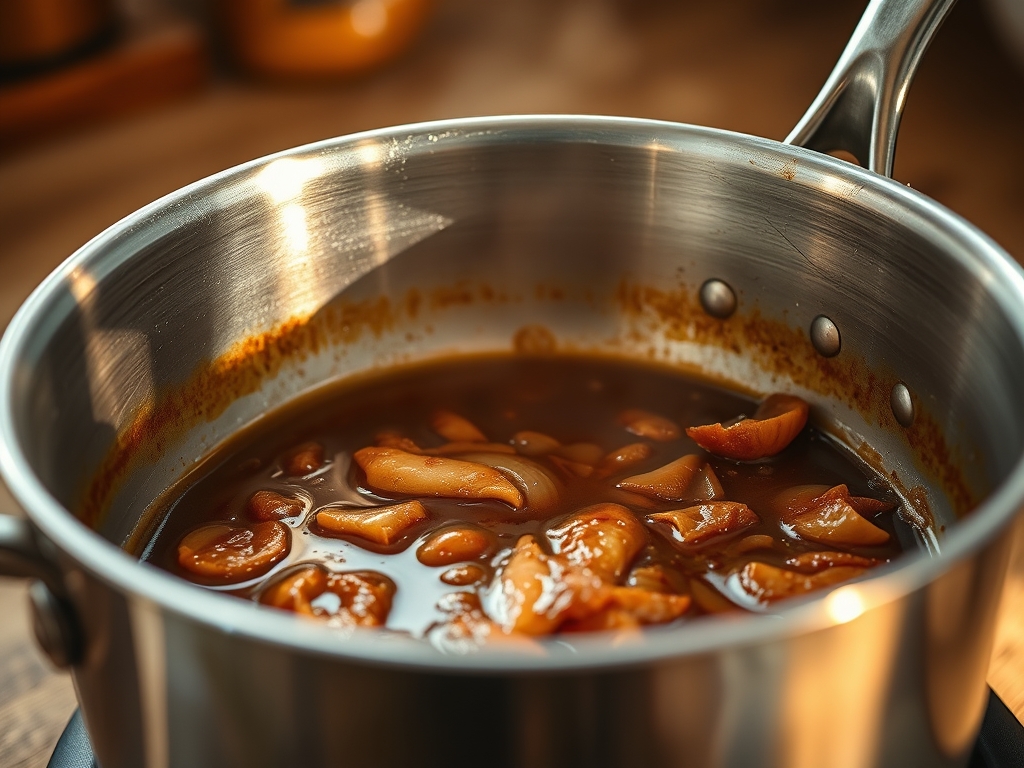
1. Thermal Base Preparation
Peel and cube your potatoes to a uniform size using a sharp chef knife. Boil in salted water until tender, then pass them through a fine mesh ricer into a stainless steel saucier.
Pro Tip: Passing potatoes through a ricer while hot prevents the starch from becoming gummy. Use a digital scale to ensure your ratio of cream to potato is exact; precision here prevents the croquette from exploding in the fryer.
2. The Emulsion Phase
Incorporate the heavy cream, smoked paprika, and shredded Gruyere into the warm potato base. Use a silicone spatula to fold the ingredients until the mixture is glossy and viscous.
Pro Tip: Do not overwork the mixture. Over-agitation releases too much starch, turning your elegant filling into a glue-like substance. Use your bench scraper to clean the sides of the bowl and ensure every gram of ingredient is integrated.
3. Structural Shaping and Flash Freeze
Pipe the mixture into uniform cylinders or spheres. Place them on a parchment-lined sheet pan and transfer to the freezer for at least two hours. This is the "Freeze" in Freeze to Fry Logic.
Pro Tip: Freezing the interior solid allows the outside to brown perfectly before the inside becomes too soft to hold its shape. A digital scale should be used to weigh each portion at 25 grams for consistent cooking times across the batch.
4. The Triple-Dredge Protocol
Roll each frozen cylinder in flour, then egg wash, and finally the panko. Ensure the coating is thick and even with no bald spots.
Pro Tip: Double-coating the ends of the cylinders provides extra structural reinforcement. This prevents the cheese from leaking out during the high-pressure steam release that occurs during frying.
5. The Thermal Shock Execution
Heat your oil to exactly 375 degrees Fahrenheit. Drop the frozen units directly into the oil. The temperature will drop; monitor it closely to ensure it stays above 350 degrees.
Pro Tip: Use an infrared thermometer to check the surface temperature of the oil. The rapid evaporation of surface moisture creates a steam barrier that prevents oil from soaking into the food; this is the physical manifestation of Freeze to Fry Logic.
Section B: Prep & Timing Fault-Lines:
The most common failure is the "Thaw Drift." If you allow the appetizers to sit on the counter for more than ten minutes before frying, the exterior moisture will hydrate the breadcrumbs, resulting in a soggy crust. Another fault-line is overcrowding the fryer. If you drop too many frozen items at once, the oil temperature crashes, and the Freeze to Fry Logic fails; the food will boil in oil rather than sear. Always maintain a 1:5 ratio of food volume to oil volume.
THE VISUAL SPECTRUM
Section C: Thermal & Visual Troubleshooting:
Look at the Masterclass photo. Notice the deep, mahogany gold color. If your product looks pale or "blonde," your oil temperature is too low or your breadcrumbs lack enough sugar/protein for the Maillard reaction. If the crust is dark but the center is icy, your units are too large or your oil is too hot. If you see "blowouts" where the filling has escaped, your dredging was inconsistent or the internal steam pressure exceeded the strength of the crust. The ideal visual cue is a uniform, micro-bubbly surface that sounds hollow when tapped with a pair of tongs.
THE DEEP DIVE
Macro Nutrition Profile:
Each serving (2 croquettes) contains approximately 280 calories, 18g of carbohydrates, 12g of protein, and 18g of fat. The high fat content is primarily from the Gruyere and the frying medium.
Dietary Swaps:
- Vegan: Replace Gruyere with a cashew-based fermented "cheese" and use an aquafaba wash instead of eggs. Use gluten-free panko for the crust.
- Keto: Substitute potatoes with a cauliflower and xanthan gum mash. Use crushed pork rinds or parmesan cheese for the breading.
- GF: Utilize a dedicated gluten-free flour and certified GF panko. Ensure the frying oil has not been cross-contaminated with wheat products.
Meal Prep & Reheating Science:
To maintain the molecular structure during reheating, avoid the microwave. The microwave excites water molecules, causing the crust to steam from the inside out and become rubbery. Instead, use an air fryer or convection oven at 400 degrees. This re-activates the fats in the crust, crisping the exterior while gently migrating heat to the center without overcooking the protein matrix.
THE KITCHEN TABLE
Why is my appetizer cold in the middle?
You likely skipped the "logic" part of Freeze to Fry. If the oil is too hot, the outside burns before the thermal energy can penetrate the frozen core. Lower the heat by 15 degrees and increase fry time.
Can I use a regular pot instead of a fryer?
Yes, but you must use a heavy-bottomed Dutch oven to maintain thermal mass. Thin pots lose heat too quickly when frozen items are added, leading to greasy, oil-soaked results that lack the signature crunch.
How long can these stay in the freezer?
Properly vacuum-sealed, these units will maintain their structural integrity for up to three months. Beyond that, ice crystals will begin to damage the cellular walls of the potato, leading to a grainy texture upon frying.
What is the best oil for this process?
Refined peanut oil or grapeseed oil are superior. They have high smoke points and neutral flavor profiles that allow the piquant notes of the paprika and the richness of the Gruyere to shine through without interference.