Listen to the high-frequency chatter of a carbon steel wok under heavy fire. This is not just cooking; it is a structural assembly of the legendary Thai Pad Thai. Most home cooks treat this dish like a casual stir-fry, but we are here to audit the infrastructure of flavor. To achieve the perfect result, you must balance a volatile trinity: the piquant bite of tamarind, the deep mineral sweetness of palm sugar, and the sharp salinity of premium fish sauce. When these elements hit a searing surface, they undergo a rapid caramelization that coats every strand of rice noodle in a viscous, amber lacquer. We are looking for the "Wok Hei" or the breath of the wok. This requires managing heat levels that would make a standard stovetop weep. If your noodles are clumping or your sauce is watery, your culinary architecture is failing. We are here to rebuild that foundation from the ground up, ensuring every bite provides a rhythmic transition from chewy noodle to crunchy sprout and savory protein.
THE DATA MATRIX
| Metric | Specification |
|---|---|
| Prep Time | 40 Minutes |
| Execution Time | 8 Minutes |
| Yield | 2 Portions |
| Complexity (1-10) | 8 |
| Estimated Cost per Serving | $4.50 USD |
THE GATHERS
Ingredient Protocol:
- 120g / 4.2oz Dried Rice Sticks (Medium width, soaked in room temperature water)
- 60ml / 4 tbsp Tamarind Concentrate (Seedless and smooth)
- 60g / 4 tbsp Palm Sugar (Finely shaved for rapid dissolution)
- 45ml / 3 tbsp Fish Sauce (High protein nitrogen grade)
- 100g / 3.5oz Firm Tofu (Pressed and cubed into 1cm batons)
- 80g / 2.8oz Shrimp (Size 16/20, deveined and chilled)
- 2 large Eggs (Room temperature for better aeration)
- 50g / 1.7oz Sweet Preserved Radish (Finely minced)
- 30g / 1oz Dried Shrimp (Rehydrated and pounded)
- 100g / 3.5oz Fresh Bean Sprouts (Rinsed and dried)
- 20g / 0.7oz Garlic Chives (Cut into 2-inch lengths)
- 30ml / 2 tbsp Neutral Oil (High smoke point like grapeseed)
- Garnish: Roasted Peanuts (Crushed), Lime Wedges, and Chili Flakes
Section A: Ingredient Quality Audit:
The primary failure point in Thai Pad Thai is the tamarind. If you are using a "tamarind soup base" or a diluted jarred variety, your acidity levels will be insufficient to cut through the palm sugar. Fix: Audit your concentrate; it should be thick and dark. If it is too thin, reduce it in a saucier before adding other sauce components. Another common error is using cold eggs. Cold eggs shock the wok temperature and lead to a rubbery texture. Ensure all proteins are at room temperature to facilitate an even render of fats and proteins. Finally, if your rice noodles are brittle, you have under-soaked them. They must be flexible like leather but not soft like cooked pasta before they hit the heat.
THE MASTERCLASS
Step-by-Step Execution:
1. The Sauce Synthesis
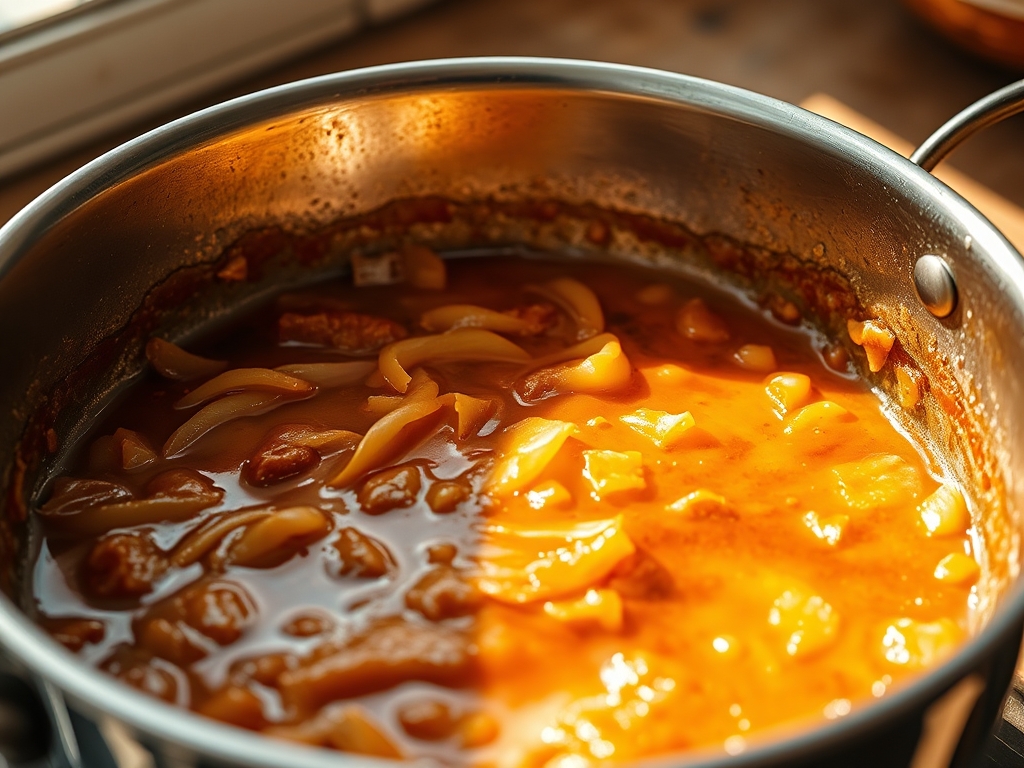
Combine your tamarind, palm sugar, and fish sauce in a small saucier over low heat. Stir until the sugar is fully dissolved and the mixture is viscous enough to coat the back of a spoon. Use a digital scale to ensure the ratio is exact; precision here prevents a flavor imbalance that no amount of late-stage seasoning can fix.
Pro Tip: This is a chemical calibration. The sugar must be fully inverted to prevent crystallization when it hits the high-heat environment of the wok.
2. Protein Searing and Maillard Initiation
Heat your wok until it reaches the smoke point. Add oil and sear the shrimp and tofu batons. Use a bench scraper or a high-quality wok spatula to move the proteins constantly. Remove the shrimp once they are 80 percent cooked to prevent over-extraction of moisture.
Pro Tip: Searing the tofu first creates a structural crust that prevents it from disintegrating during the high-intensity agitation phase.
3. Aromatics and Texture Builders
Add the dried shrimp and preserved radish to the remaining oil. These components infuse the fat with umami notes. This is the foundation of the dish's savory profile. Keep the heat high to ensure the radish slightly caramelizes.
Pro Tip: Pounding the dried shrimp increases the surface area, allowing for a more rapid release of flavor into the oil medium.
4. Noodle Hydration and Sauce Integration
Add the soaked rice noodles to the wok. Immediately pour the prepared sauce over them. Use a folding motion to ensure every strand is coated. If the noodles seem too firm, add 15ml of water to create steam, which will finish the hydration process.
Pro Tip: The noodles act as a sponge. By adding the sauce directly to the noodles rather than the pan, you ensure the flavor is absorbed into the starch matrix rather than burning on the metal.
5. The Egg Veil
Push the noodle mass to one side of the wok. Add a drop of oil and crack the eggs into the space. Let them set for 10 seconds, then break the yolks and lightly aerate them with the spatula. Fold the noodles back over the eggs once they are nearly set.
Pro Tip: Letting the eggs partially set before folding creates distinct ribbons of texture rather than a muddy, scrambled mess throughout the dish.
6. The Final Flash
Toss in the bean sprouts and garlic chives. Give the wok three or four vigorous flips to distribute the greens. The goal is to slightly wilt the chives while maintaining the structural integrity and "snap" of the sprouts.
Pro Tip: Residual heat is a powerful tool. Turning off the flame 10 seconds before plating prevents the sprouts from releasing excess water and diluting your sauce.
Section B: Prep & Timing Fault-Lines:
The most frequent human error is "crowding the wok." If you attempt to cook four portions at once in a standard domestic wok, the temperature will plummet, and you will end up boiling your noodles in their own steam. Cook in batches of two maximum. Use a digital infrared thermometer to ensure your wok surface stays above 200 degrees Celsius between batches. Timing is also critical; if you wait too long to add the sprouts, the noodles will overcook and lose their "al dente" bite.
THE VISUAL SPECTRUM
Section C: Thermal & Visual Troubleshooting:
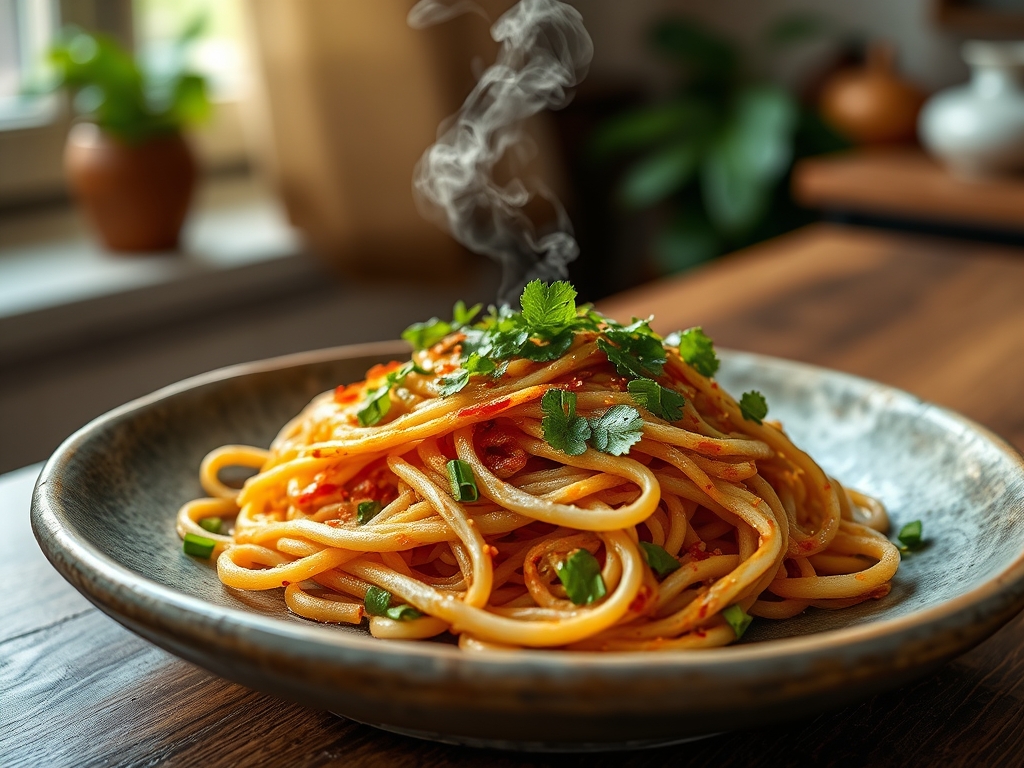
Referencing the Masterclass photo, your Thai Pad Thai should exhibit a vibrant, glossy orange-brown hue. If the dish looks pale, you likely skimped on the tamarind or the palm sugar did not reach the caramelization point. If the noodles appear clumped or "matted," the starch was not properly managed; this is usually caused by adding too much water during the stir-fry phase. The shrimp should be opaque and curled into a tight "C" shape; an "O" shape indicates they are overcooked and dry. The chives should remain a bright, grassy green. If they are olive-drab, they have been exposed to heat for too long.
THE DEEP DIVE
Macro Nutrition Profile
A standard serving provides approximately 650 calories. It is high in complex carbohydrates from the rice noodles and offers a solid protein block of 25-30g from the shrimp, tofu, and eggs. The fat content is moderate, primarily derived from the cooking oil and peanuts.
Dietary Swaps
- Vegan: Replace fish sauce with a high-quality "no-fish" sauce (fermented pineapple or soy-based) and omit the eggs and dried shrimp.
- Keto: Substitute rice noodles with shirataki noodles or "zoodles," though the palm sugar must be replaced with a keto-friendly brown sugar alternative.
- GF: Traditional Pad Thai is naturally gluten-free, but always verify that your fish sauce and preserved radish are processed in a GF-certified facility.
Meal Prep & Reheating Science
To maintain the molecular structure when reheating, avoid the microwave if possible. Microwaves vibrate water molecules, which can turn rice noodles into mush. Instead, use a pan with a teaspoon of water and a lid to gently re-steam the dish, restoring the viscous nature of the sauce without destroying the noodle integrity.
THE KITCHEN TABLE
Why are my noodles sticking to the wok?
This is usually a seasoning issue or a temperature drop. Ensure your wok is properly seasoned and smoking hot before adding oil. If the noodles hit a cool pan, the starch bonds to the metal surface immediately.
Can I use lime juice instead of tamarind?
No. Lime juice provides a bright, fleeting acidity that evaporates under high heat. Tamarind provides a stable, deep tartness that survives the wok's intense thermal environment. Use lime only as a finishing touch for top-note brightness.
What is the best substitute for garlic chives?
If you cannot find Asian garlic chives, use the green tops of scallions mixed with a tiny amount of minced garlic. However, the structural rigidity of garlic chives is superior for the final high-heat flash.
Why is my sauce pooling at the bottom?
Your noodles were likely over-soaked and could not absorb any more liquid, or you did not allow the sauce to reduce sufficiently. Next time, ensure the noodles are slightly firm before they hit the wok.
Is palm sugar mandatory?
While brown sugar works in a pinch, it lacks the complex, smoky undertones of palm sugar. Palm sugar has a lower melting point and creates a superior lacquer-like finish on the noodles that table sugar cannot replicate.