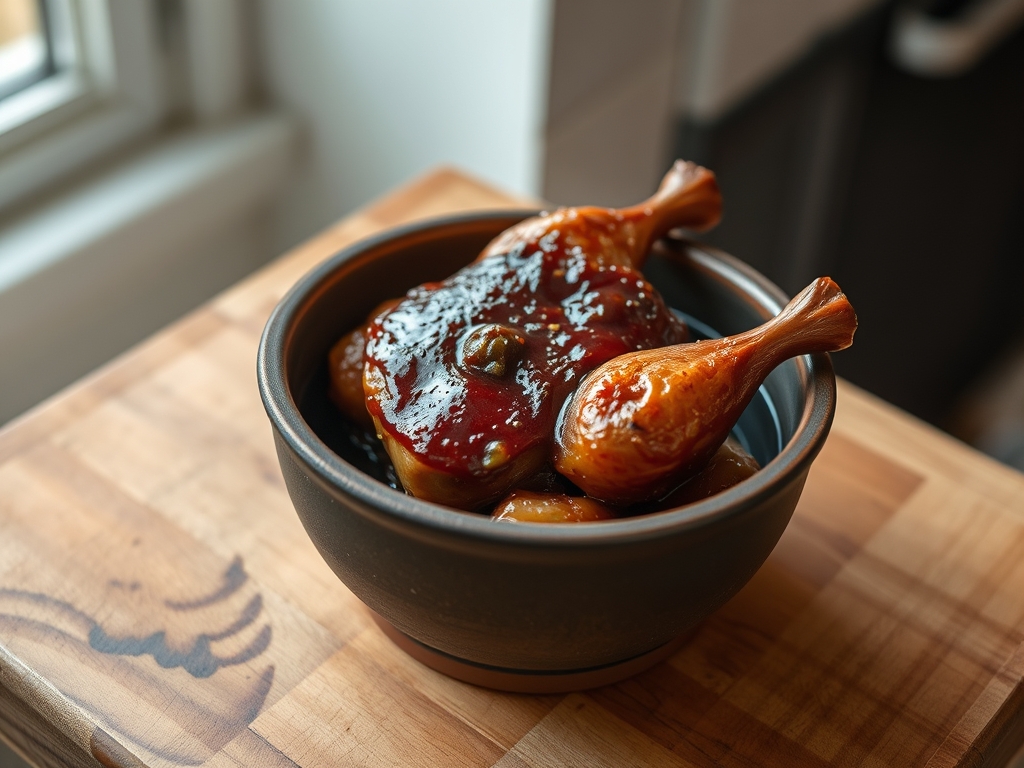
Imagine a kitchen where the air is thick with the scent of fermented soybeans colliding with the floral nectar of a wildflower hive. This is not just cooking; it is a high-stakes chemical merger where salt, sugar, and protein dance on the edge of a scorching pan. We are discussing the Miso Honey Glaze, a substance so viscous and piquant that it functions more as a liquid gold lacquer than a mere condiment. When you introduce this glaze to a high-heat environment, you are initiating a complex series of Maillard reactions that transform simple amino acids into a deep, savory crust. The honey provides the fuel for caramelization while the miso offers the earthy, fermented backbone that prevents the sweetness from becoming cloying. This is the ultimate umami bomb, designed to coat everything from charred salmon to roasted root vegetables with an impenetrable layer of flavor. If your current glaze lacks the structural integrity to cling to a protein, you are failing the audit. It is time to recalibrate your flavor profile and embrace the fusion of fermented sugar.
THE DATA MATRIX
| Metric | Specification |
|---|---|
| Prep Time | 5 Minutes |
| Execution Time | 10 Minutes |
| Yield | 350ml / 1.5 Cups |
| Complexity (1-10) | 3 |
| Estimated Cost per Serving | $0.85 USD |
THE GATHERS
Ingredient Protocol:
- 120g / 0.5 cup White Miso Paste (Shiro Miso)
- 170g / 0.5 cup Raw Honey
- 30ml / 2 tbsp Mirin (Sweet Rice Wine)
- 15ml / 1 tbsp Toasted Sesame Oil
- 10g / 2 tsp Freshly Grated Ginger
- 5ml / 1 tsp Rice Vinegar (Unseasoned)
- 1 clove Garlic, microplaned
Section A: Ingredient Quality Audit:
Sub-par raw materials are the primary cause of glaze failure. If your miso paste is overly gritty, it indicates dehydration or poor fermentation control; fix this by passing the final glaze through a fine-mesh sieve. If your honey has crystallized, do not microwave it in the plastic bottle. Instead, place the jar in a warm water bath to gently render the crystals back into a liquid state without scorching the delicate enzymes. Using "maple-flavored syrup" instead of raw honey is a catastrophic error; the glycemic index and water content differ significantly, which will lead to a runny mess rather than a thick lacquer. Finally, ensure your ginger is firm. Shriveled ginger lacks the essential oils required to infuse the glaze with its signature heat.
THE MASTERCLASS
1. The Emulsification Phase
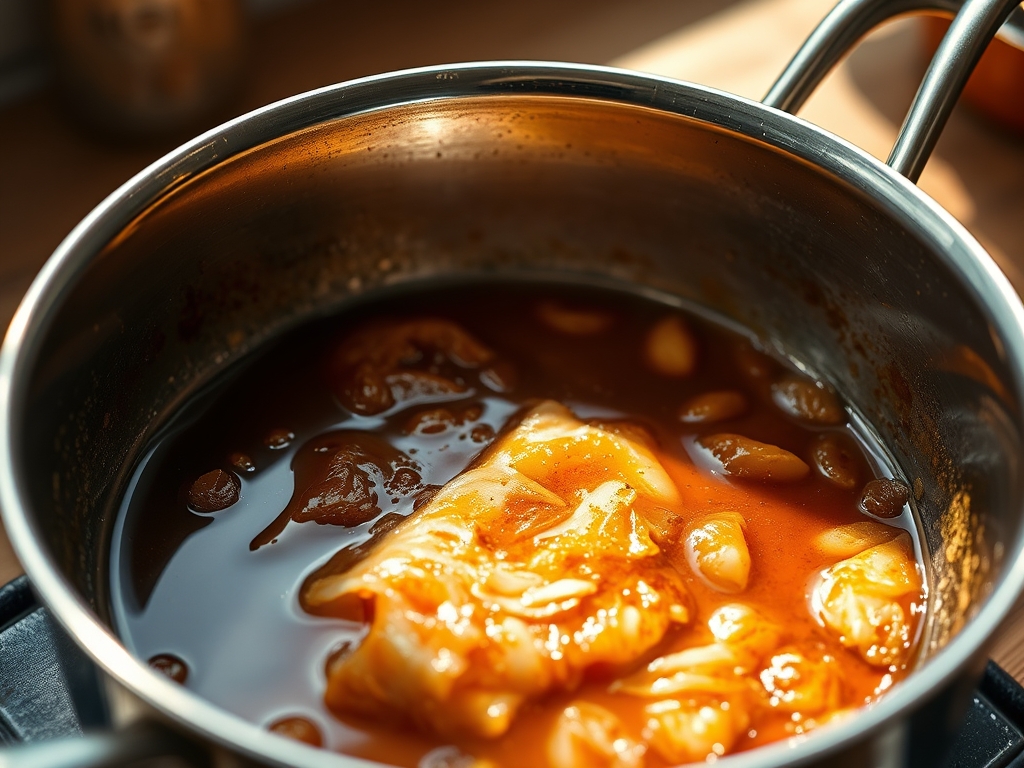
Combine the miso paste and honey in a stainless steel saucier. Use a silicone whisk to blend them until the mixture is uniform and no streaks of light honey remain.
Pro Tip: Miso is a natural emulsifier containing lecithin. By whisking it thoroughly with the honey at room temperature before adding liquids, you create a stable base that will not break when heat is applied. Use a digital scale for these measurements to ensure the salt-to-sugar ratio is mathematically perfect.
2. The Liquid Integration
Slowly stream in the mirin, sesame oil, and rice vinegar while continuing to whisk. Add the microplaned garlic and ginger last to preserve their volatile aromatics.
Pro Tip: The mirin acts as a solvent here; it thins the dense paste just enough to allow the aromatics to infuse the entire volume. A bench scraper can be used to ensure no miso paste is trapped in the corners of your prep area if you are working on a flat surface.
3. The Thermal Reduction
Place the saucier over low heat for 3 to 5 minutes. Do not bring to a rolling boil; you only want to reach a gentle simmer where the bubbles are small and lazy.
Pro Tip: Excessive heat will destroy the probiotic benefits of the miso and cause the honey to take on a bitter, burnt note. We are looking for a specific viscosity that coats the back of a spoon. Monitoring the temperature with an infrared thermometer ensures you stay below the 110 degree Celsius threshold.
4. The Final Strain and Storage
Remove from heat and pass the mixture through a chinois if you desire a perfectly smooth aesthetic. Transfer to a glass mason jar for cooling.
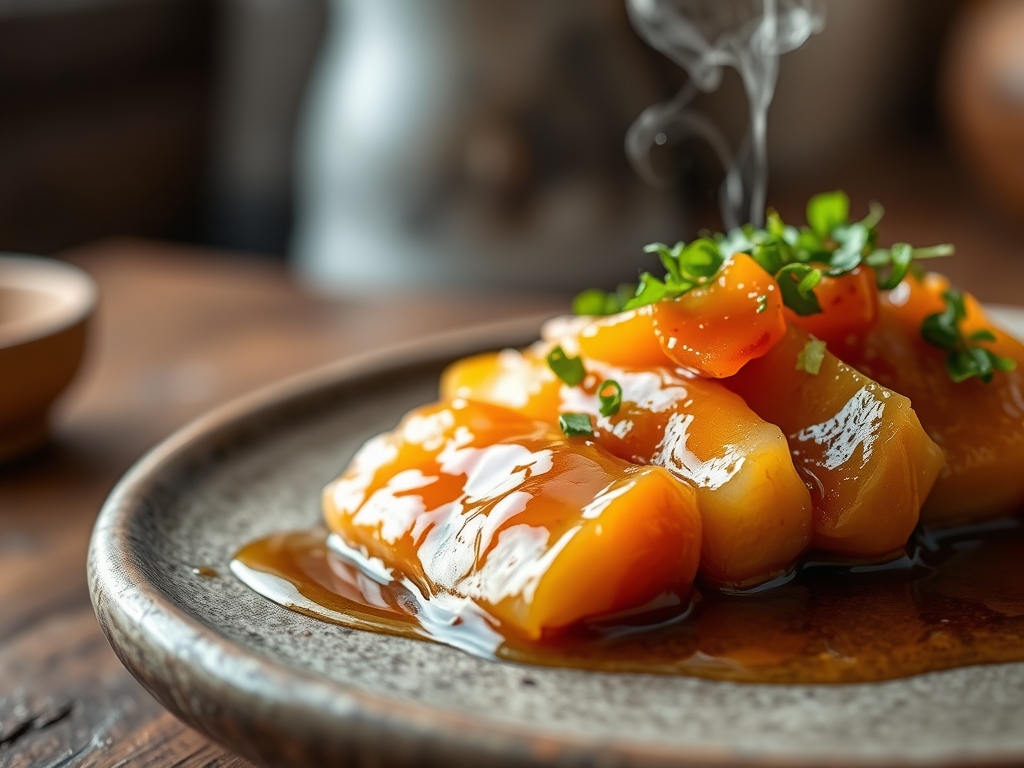
Pro Tip: Straining removes the fibrous bits of ginger and garlic, resulting in a high-gloss finish similar to the one seen in the audit photo. This allows the light to reflect off the surface of your protein, signaling a professional-grade execution.
Section B: Prep & Timing Fault-Lines:
The most common timing error is applying the glaze too early in the roasting process. Because of the high sugar content in honey, the glaze will char and turn acrid if exposed to high heat for more than 6 to 8 minutes. For optimal results, cook your protein to 80 percent doneness, then apply the glaze and finish under a broiler. If the glaze is too thick to brush on, do not add water; instead, whisk in a teaspoon of warm mirin to maintain the flavor density while adjusting the flow rate.
THE VISUAL SPECTRUM
Section C: Thermal & Visual Troubleshooting:
Observe the reference photo above. The ideal Miso Honey Glaze should possess a deep amber hue with a reflective, glass-like sheen. If your glaze appears dull or matte, you likely overcooked it, causing the sugars to carbonize rather than caramelize. If the color is too pale, you may have used a "mild" white miso that lacks the necessary amino acid concentration for deep browning. Uneven browning on the plate usually indicates that the glaze was not applied in a uniform layer. Use a pastry brush with silicone bristles to ensure every crevice of the ingredient is saturated. If you see "breaking" or oil pooling on top, your emulsification was unsuccessful; a quick pulse with an immersion blender will re-integrate the fats.
THE DEEP DIVE
Macro Nutrition Profile:
Per 30ml serving, this glaze contains approximately 90 calories, 18g of carbohydrates (primarily from honey), 1.5g of fat, and 1g of protein. It is high in sodium due to the fermented paste, so adjust seasoning on your base proteins accordingly.
Dietary Swaps:
- Vegan: Replace honey with agave nectar or a thick maple syrup, though the viscosity will be slightly lower.
- Keto: This is a sugar-heavy glaze; however, a modified version can be made using allulose syrup and a higher ratio of miso to liquid.
- GF: Ensure your miso paste is labeled gluten-free, as some varieties are fermented with barley or rye.
Meal Prep & Reheating Science:
This glaze is shelf-stable in the refrigerator for up to three weeks. When reheating, the molecular structure of the honey may cause it to seize. To restore the original texture, heat it gently in a double boiler rather than a microwave. Adding a splash of water and whisking vigorously will aerate the mixture and return it to its glossy, pourable state.
THE KITCHEN TABLE
Why is my glaze sliding off the salmon?
The surface of the fish is likely too wet. Use a paper towel to bone-dry the protein before application. The proteins need a dry surface to bond with the sugars in the honey during the initial sear.
Can I use Red Miso instead of White Miso?
Yes, but be warned: Red miso is fermented longer and has a much higher salt content. It will produce a darker, more aggressive flavor profile that may overpower delicate vegetables. Use 25 percent less if swapping.
My glaze turned into hard candy on the pan. Help!
You pushed the honey past the "hard ball" stage of sugar cookery. This happens when the water evaporates too quickly. Deglaze the pan with a little warm rice wine or water immediately to dissolve the solids.
Is it safe to reuse glaze that touched raw meat?
Absolutely not. If you dipped your brush into the glaze after touching raw chicken, discard the leftovers. Always pour the amount you need into a separate ramekin to prevent cross-contamination of your main batch.