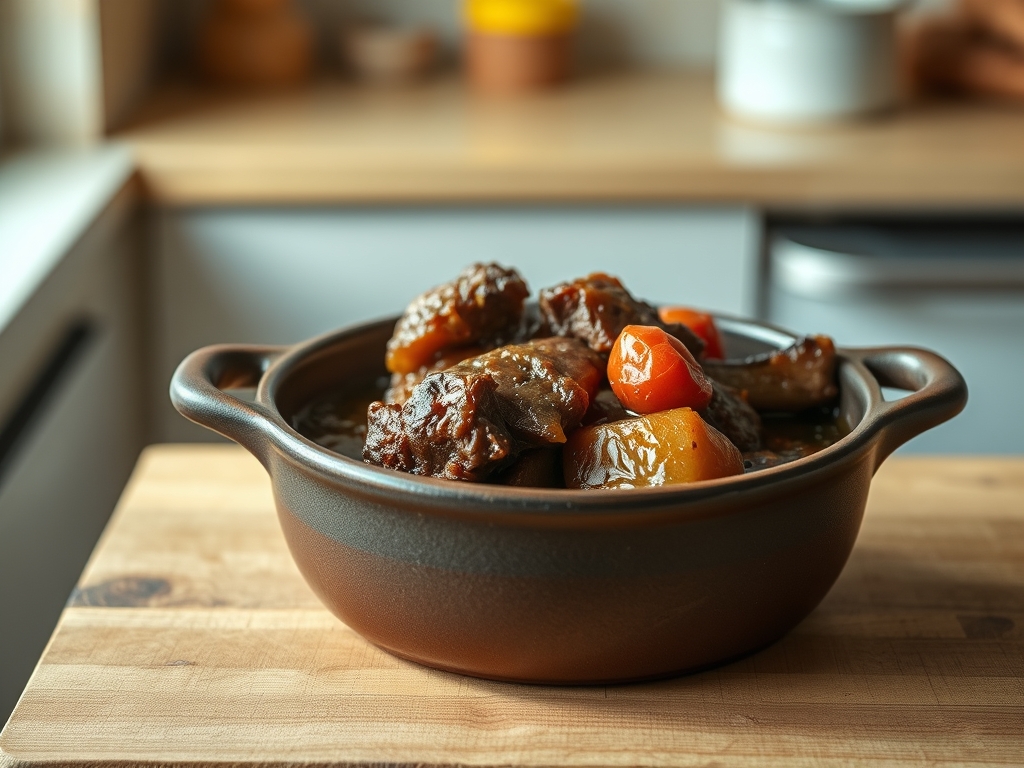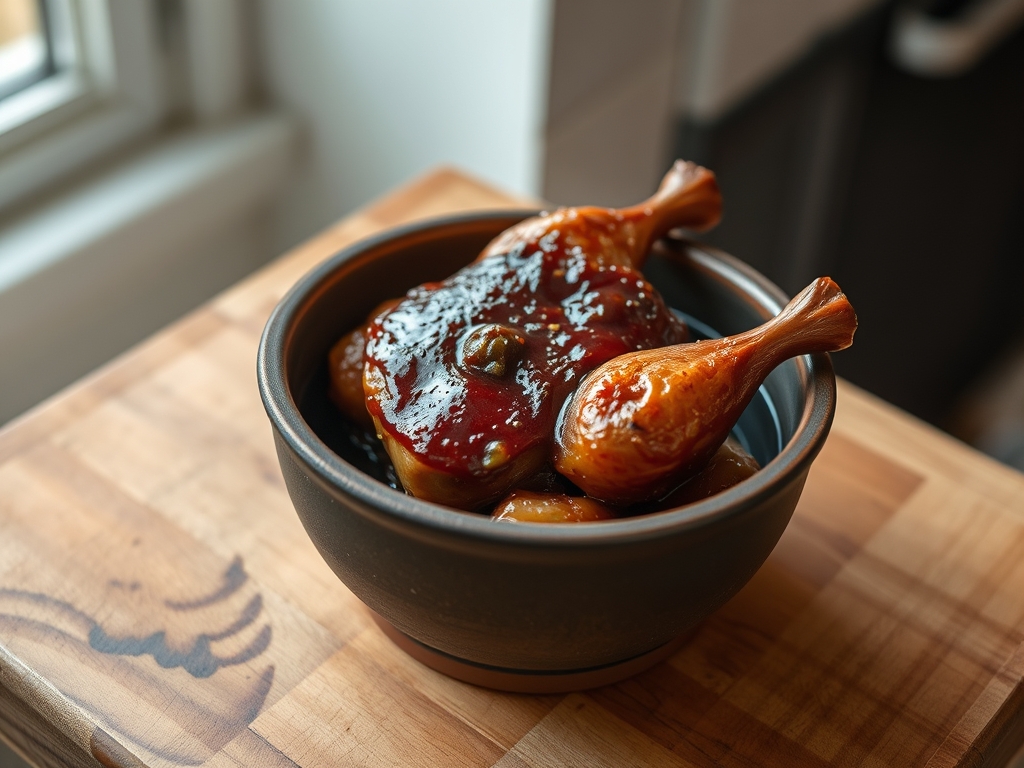
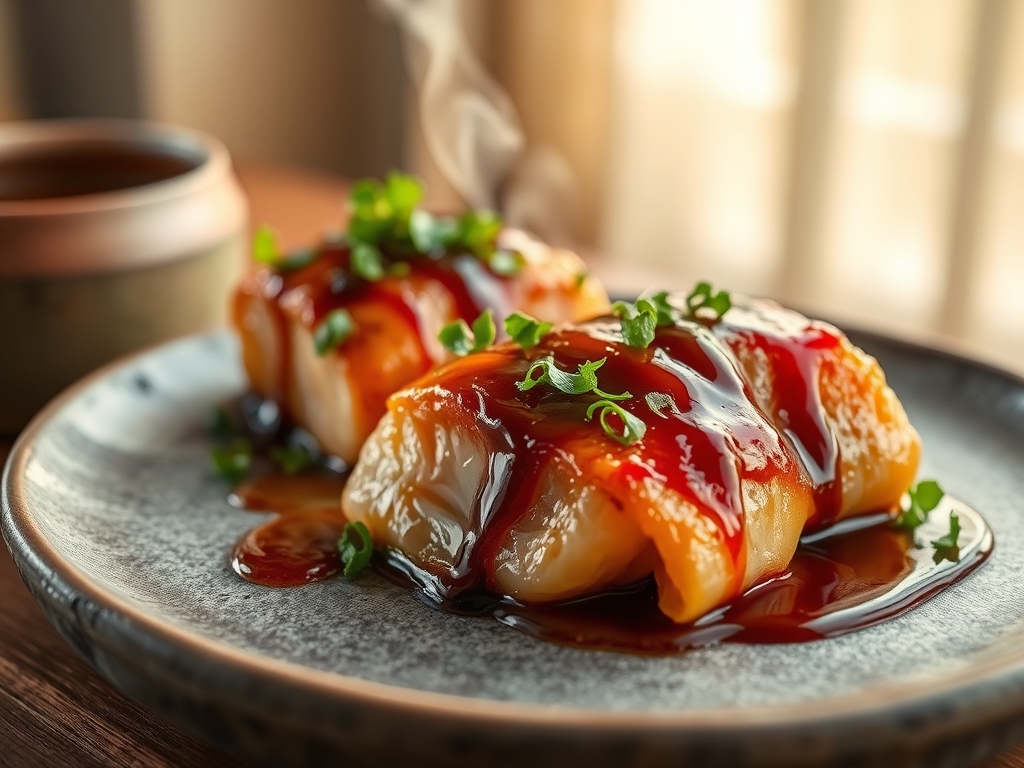
Listen up, kitchen operators. We are not just making sauce; we are engineering a high-performance liquid coating. If your current glaze is a thin, watery disappointment that slides off a protein like rain off a windshield, you have failed the first law of culinary physics. A true Teriyaki Glaze Audit reveals that the difference between a mediocre takeout packet and a professional-grade lacquer is purely a matter of molecular tension and sugar concentration. We are looking for a deep, obsidian sheen that clings with structural integrity. We want a piquant balance where the salt of the soy meets the fermented funk of mirin, all bound together by a controlled reduction. This is a technical infrastructure project for your palate. We are going to harness the Maillard reaction, manage evaporation rates, and ensure our viscosity levels are off the charts. Stop treating your pan like a bowl and start treating it like a laboratory. Prepare for a total system overhaul.
THE DATA MATRIX
| Metric | Specification |
|---|---|
| Prep Time | 10 Minutes |
| Execution Time | 20 Minutes |
| Yield | 350ml / 1.5 Cups |
| Complexity (1-10) | 4 |
| Estimated Cost per Serving | $0.45 |
THE GATHERS
Ingredient Protocol:
- 240ml / 1 cup High-Quality Shoyu (Soy Sauce)
- 120ml / 0.5 cup Hon-Mirin (True fermented rice wine)
- 60ml / 0.25 cup Sake (Dry Junmai preferred)
- 100g / 0.5 cup Light Brown Sugar (Packed)
- 15g / 1 tbsp Fresh Ginger (Grated into a paste)
- 10g / 2 tsp Fresh Garlic (Microplaned)
- 5ml / 1 tsp Toasted Sesame Oil (Cold-pressed)
- 10g / 1 tbsp Cornstarch (Slurried with 15ml cold water)
Section A: Ingredient Quality Audit:
The most common point of failure is "Aji-Mirin," which is essentially corn syrup with food coloring. This lacks the complex amino acids required for a sophisticated glaze. If you cannot find Hon-Mirin, substitute with dry sherry and a pinch of extra sugar to mimic the depth. Another fault-line is using "Lite" soy sauce. This reduces the sodium content, which is the primary catalyst for flavor extraction. If you are stuck with low-sodium soy, you must compensate by adding a teaspoon of miso paste to restore the fermented backbone. Finally, if your ginger is fibrous and woody, do not toss it in whole. Use a fine grater to aerate the ginger into a pulp; this ensures the aromatics infuse the liquid rather than just floating in it like debris.
THE MASTERCLASS
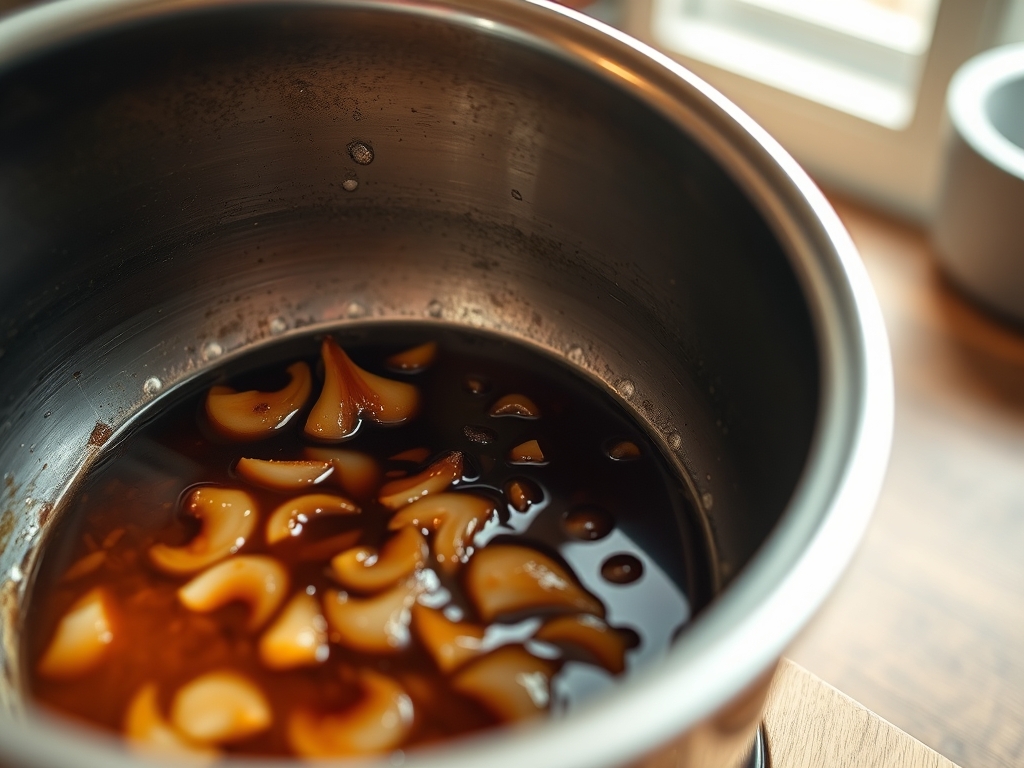
1. The Aromatic Infusion Phase
Place your saucier over medium heat and add the sesame oil. Lightly toast the ginger and garlic paste for exactly 45 seconds. You are looking to render the volatiles without browning the solids.
Pro Tip: Use a high-quality saucier with rounded bottom edges. This prevents the sugar from scorching in the corners, a common failure in standard straight-sided pots.
2. The Solvent Integration
Pour in the sake and mirin. Increase the heat to high to boil off the raw ethanol. This is a critical deglazing step that cleans the bottom of the pan and prepares the liquid for the sugar payload.
Pro Tip: Use a digital scale to measure your sugar by weight rather than volume. Sugar density varies wildly by humidity, and precision is key to achieving consistent viscous results.
3. The Reduction Sequence
Whisk in the soy sauce and brown sugar. Bring the mixture to a rolling simmer. Lower the heat to medium-low and let the mixture reduce by approximately twenty percent. This concentrates the saline and saccharine components.
Pro Tip: Monitor the temperature with an infrared thermometer. You are aiming for a consistent 102 degrees Celsius (215 F) where the water evaporation accelerates but the sugars do not yet reach the "soft ball" candy stage.
4. The Viscosity Calibration
Whisk your cornstarch slurry one last time to ensure no settling, then slowly stream it into the simmering liquid while whisking constantly. The glaze will transition from opaque to a brilliant, translucent shimmer within 60 seconds.
Pro Tip: Use a silicone-coated whisk to maximize surface contact. This ensures the starch granules are evenly distributed to prevent "clumping" or "fish-eyes" in the final texture.
Section B: Prep & Timing Fault-Lines:
Timing is the silent killer of glazes. If you add the starch too early, the long-chain carbohydrates will break down under prolonged heat, causing the sauce to "weep" and become thin again. This is known as over-shearing. If you add it too late, the sauce may become a gelatinous puck once it cools. Always pull the sauce off the heat when it coats the back of a spoon (the nappe stage) but still flows smoothly. Remember that viscosity increases by roughly fifteen percent as the temperature drops from boiling to serving temp.
THE VISUAL SPECTRUM
Section C: Thermal & Visual Troubleshooting:
Look at the Masterclass photo above. Notice the "mirror finish" on the surface. If your glaze looks dull or matte, you have likely under-boiled the sugars or used too much starch. To fix a matte finish, add a teaspoon of honey or glucose syrup at the very end; these invert sugars provide a high-gloss sheen. If you see "breaking" or oil droplets on the surface, your emulsion has failed. Use an immersion blender to aerate and re-incorporate the fats. If the color is too light, you can deglaze the pan with a small amount of dark molasses to deepen the obsidian hue without compromising the salt balance.
THE DEEP DIVE
Macro Nutrition Profile:
Per 30ml serving: 65 Calories, 0.5g Fat, 14g Carbohydrates (12g Sugar), 1g Protein, 890mg Sodium. This is a high-sodium, high-sugar condiment designed for impact, not for volume consumption.
Dietary Swaps:
- Vegan: Already compliant, provided your sugar is bone-char free.
- Keto: Replace brown sugar with a monk fruit/erythritol blend and use xanthan gum (0.5 tsp) instead of cornstarch.
- Gluten-Free: Swap the Shoyu for Tamari. The flavor profile remains nearly identical, though Tamari offers a slightly richer, darker base.
Meal Prep & Reheating Science:
This glaze is a molecular tank. It stores perfectly in an airtight glass jar for up to three weeks in the refrigerator. When reheating, do not use a microwave; the uneven heating can create "hot spots" that burn the sugar. Reheat in a small pan over low heat, adding a tablespoon of water to compensate for any moisture lost during storage. This restores the original molecular structure and ensures the glaze remains fluid.
THE KITCHEN TABLE
Why is my glaze bitter?
You likely scorched the garlic or over-reduced the soy sauce. High heat causes the amino acids in soy to turn acrid. Fix it by whisking in a small amount of butter to mellow the bitterness with fat.
Can I skip the sake?
You can, but you lose the enzymatic depth. Sake contains organic acids that tenderize proteins when the glaze is applied. Substitute with a splash of white grape juice and a teaspoon of rice vinegar if needed.
Why does the sauce slide off my chicken?
The protein surface is too wet. Pat your meat dry with paper towels before searing. The glaze needs a dry, textured surface (the Maillard crust) to achieve maximum mechanical grip and adhesion.
How do I get that "restaurant" thickness?
The secret is the double-reduction. Reduce the base liquids by a third before adding any thickener. This ensures the thickness comes from concentrated sugars and proteins, not just a heavy "starchy" mouthfeel from the cornstarch.