Welcome to the theater of the tongue where the laws of physics collide with the cravings of the primitive brain. We are not just making candy; we are engineering a sensory heist. The secret weapon in our arsenal is Salted Caramel Logic. This is the precise intersection where the aggressive bitterness of scorched sucrose meets the sharp, electrical sting of sodium chloride. It is a high-wire act of chemistry. When you heat sugar to the point of thermal decomposition, you create a complex profile of over one hundred new flavor compounds. However, without salt, that profile is a one-note scream of sweetness. Salted Caramel Logic dictates that sodium acts as a universal flavor magnifier; it suppresses the perceived bitterness of the dark caramel while simultaneously hyper-sensitizing the taste buds to the buttery fats. The result is a viscous, addictive substance that triggers the reward centers of the brain with the efficiency of a high-speed processor. Prepare for a total audit of your confectionery capabilities.
THE DATA MATRIX
| Metric | Specification |
|---|---|
| Prep Time | 10 Minutes |
| Execution Time | 25 Minutes |
| Yield | 480ml / 2 Cups |
| Complexity (1-10) | 7 |
| Estimated Cost per Serving | $0.45 USD |
THE GATHERS
Ingredient Protocol:
- 200g / 1 cup Granulated White Sugar
- 90g / 6 tbsp High-Fat European Butter (salted or unsalted)
- 120ml / 0.5 cup Heavy Cream (minimum 36% milkfat)
- 5g / 1 tsp Flaky Sea Salt (Maldon or Fleur de Sel)
- 5ml / 1 tsp Pure Vanilla Bean Paste
- 30ml / 2 tbsp Filtered Water (optional for wet-sand method)
Section A: Ingredient Quality Audit:
Sub-par raw materials are the primary cause of structural failure in your caramel. If your heavy cream has a low fat content, the emulsion will break, leaving a greasy film on the palate. Fix this by ensuring you use "heavy" or "manufacturing" cream rather than "whipping" cream. If your sugar is clumping, it likely contains excess moisture; sifting it before use prevents premature crystallization. For those using low-quality table salt, the result will be a harsh, metallic aftertaste. Always opt for flaky sea salt to ensure a staggered release of sodium that does not overwhelm the delicate dairy notes.
THE MASTERCLASS
Step 1: The Dry Burn Initiation
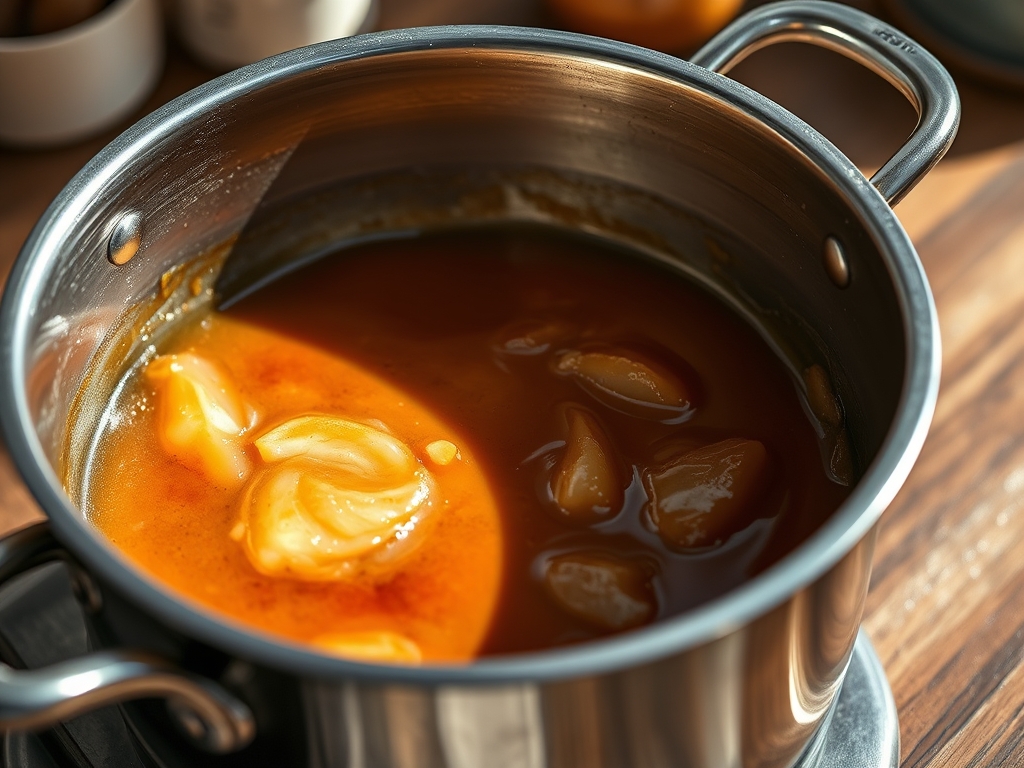
Place your sugar in a heavy-bottomed stainless steel saucier. Heat over medium-high, resisting every urge to stir. Stirring introduces air and cold crystals that trigger a chain reaction of crystallization. Instead, use a bench scraper to gently push unmelted sugar toward the center if necessary.
Pro Tip: The science here is thermal degradation. As the sugar reaches 320 degrees Fahrenheit, the molecules break down into glucose and fructose, then reform into complex polymers. A digital scale is essential here to ensure the sugar-to-dairy ratio remains perfect for the desired viscosity.
Step 2: Achieving the Amber Threshold
Watch for the transition from clear liquid to a deep, reddish-brown hue. This is the "danger zone" where flavor peaks just before carbonization. Once the smoke point is reached and the aroma shifts from "toasted marshmallow" to "dark espresso," you have achieved the peak of Salted Caramel Logic.
Pro Tip: Use a digital infrared thermometer to track the temperature. You are looking for 350 degrees Fahrenheit for a professional-grade bitter-sweet balance. Beyond 375 degrees, the proteins have scorched beyond repair.
Step 3: The Dairy Integration Shock
Remove the pan from the heat and immediately whisk in the butter, followed by the heavy cream. The mixture will violently bubble and release steam; this is the deglaze phase where the liquid arrests the cooking process of the sugar.
Pro Tip: The rapid expansion of steam can cause burns. Use a long-handled whisk to maintain distance. This step creates a permanent emulsion where the fat from the butter is suspended in the sugar syrup, creating a viscous and smooth texture.
Step 4: The Sodium Infusion
Once the mixture is smooth and glossy, fold in the flaky sea salt and vanilla bean paste. Do not over-mix; you want the salt crystals to remain somewhat intact to provide those "piquant" bursts of contrast against the sugar.
Pro Tip: Adding salt at the end prevents it from dissolving completely into the solution. This ensures that the palate experiences the salt as a distinct rhythmic element rather than a background note, which is the core tenet of Salted Caramel Logic.
Section B: Prep & Timing Fault-Lines:
The most common human error is the "panic pour." If you add your cream too slowly, the sugar continues to cook and will burn. If you add it too quickly without whisking, the sugar will seize into a hard, glass-like puck. To fix a seized caramel, return the pan to low heat and whisk constantly until the sugar slowly re-dissolves into the cream. Another timing error is failing to have all ingredients pre-measured; in the world of caramel, five seconds is the difference between a gold medal and a trash can.
THE VISUAL SPECTRUM
Section C: Thermal & Visual Troubleshooting:
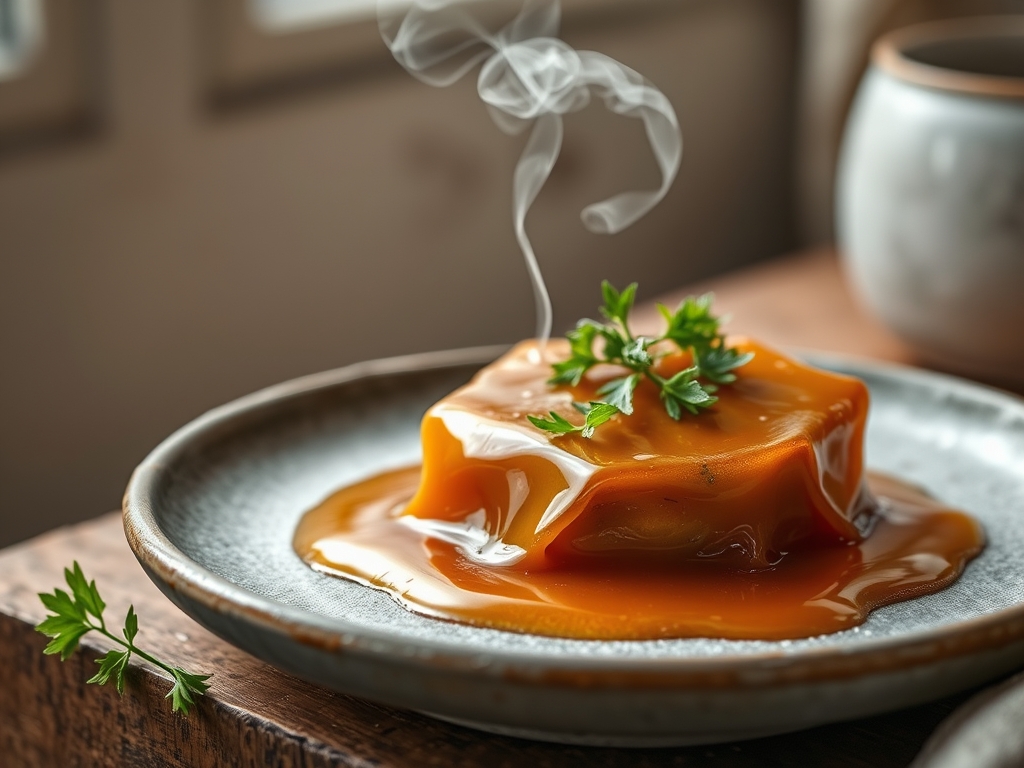
Analyze the Masterclass photo above. Note the "glassy" sheen and the "slow-drip" consistency. If your caramel looks dull or matte, you have likely over-boiled the dairy, causing the fats to separate. To fix this, add a tablespoon of room-temperature cream and whisk vigorously to re-emulsify. If the color is pale yellow rather than deep amber, you pulled the sugar too early, resulting in a cloying, one-dimensional sweetness. If you see black specks, those are carbon deposits from scorched sugar; unfortunately, this requires a total system restart as the bitterness cannot be masked.
THE DEEP DIVE
Macro Nutrition Profile:
Per 30ml serving: 140 Calories, 9g Fat, 16g Carbohydrates, 15g Sugar, 0g Protein. This is a high-density energy source designed for indulgence, not sustenance.
Dietary Swaps:
- Vegan: Replace butter with refined coconut oil and heavy cream with full-fat coconut milk. Note that the "Logic" shifts slightly as coconut fats have a lower smoke point.
- Keto: Substitute sugar with Allulose (it caramelizes similarly to sucrose) and use grass-fed butter. Avoid Erythritol, as it will not brown or provide the necessary viscosity.
- GF: Naturally gluten-free, but ensure your vanilla extract is not grain-alcohol based if sensitivity is extreme.
Meal Prep & Reheating Science:
Caramel is a stable supersaturated solution. To maintain its molecular structure during storage, keep it in a glass jar in the refrigerator for up to three weeks. To reheat, use a double boiler or low-power microwave bursts. Never boil the caramel a second time, as this will evaporate the remaining water content and turn your sauce into a hard candy.
THE KITCHEN TABLE
Why did my caramel turn grainy?
This is crystallization. A single stray sugar crystal on the side of the pan can trigger a chain reaction. To prevent this, use a wet pastry brush to wash down the sides of the pan during the initial melt.
Can I use milk instead of heavy cream?
Negative. Milk lacks the fat solids required to create a stable emulsion with scorched sugar. Using milk will result in a thin, broken syrup that tastes watery and lacks the signature viscous mouthfeel of professional caramel.
How do I make the caramel thicker for dipping?
Simply increase the cooking time after adding the cream. By simmering the finished sauce for an additional 2 to 3 minutes, you render out more moisture, resulting in a firmer set once the mixture cools to room temperature.
Why does my salt disappear?
If you add fine table salt while the caramel is boiling, it dissolves completely. For the Salted Caramel Logic effect, use large flakes and add them only after the sauce has cooled for five minutes to ensure textural contrast.