Listen up, because the culinary world is littered with the wreckage of broken emulsions and rubbery clumps of overpriced Gruyere. You are not here to merely melt cheese; you are here to perform a high-stakes structural audit of protein and lipid stability. Welcome to the world of Melt to Cool Fondue. This is not the gloopy, wine-heavy mess served in 1970s carpeted basements. This is a technical masterpiece of viscosity and suspension. Imagine a liquid gold that coats a crusty baguette with the precision of a high-end automotive finish. It is piquant, silky, and stays fluid even as the temperature dips toward the ambient room threshold. Most amateurs fail because they treat cheese like a solid when it is actually a delicate matrix of fat globules trapped in a protein web. If you do not respect the thermal transition, you end up with a puddle of oil and a ball of wax. We are here to engineer a masterpiece that defies the laws of standard cooling.
THE DATA MATRIX
| Metric | Specification |
|---|---|
| Prep Time | 15 Minutes |
| Execution Time | 20 Minutes |
| Yield | 4 to 6 Servings |
| Complexity (1-10) | 7 |
| Estimated Cost per Serving | $4.50 to $6.00 |
THE GATHERS
Ingredient Protocol:
- Gruyere AOP (Aged 12 Months): 300g / 10.5 oz
- Emmentaler: 200g / 7 oz
- Dry White Wine (Sauvignon Blanc or Fendant): 250ml / 1 cup
- Fresh Garlic Clove: 1 unit / 5g
- Cornstarch (Maize Starch): 15g / 2 tbsp
- Kirsch (Cherry Brandy): 15ml / 1 tbsp
- Fresh Lemon Juice: 5ml / 1 tsp
- Freshly Grated Nutmeg: 1 pinch / 0.5g
- Sodium Citrate (Optional for ultra-stability): 5g / 1 tsp
Section A: Ingredient Quality Audit:
The primary failure point in Melt to Cool Fondue is the use of pre-shredded cheese. These commercial products are coated in cellulose to prevent clumping. This anti-caking agent is the enemy of a viscous emulsion. It creates a gritty mouthfeel and prevents the proteins from bonding. If you have already purchased the pre-shredded variety, you must rinse it in a fine-mesh sieve and pat it dry before use to remove the starch. Furthermore, if your wine is too low in acidity, the proteins will not break down. Fix a low-acid wine by doubling the lemon juice. This provides the necessary pH environment to keep the calcium from tightening the protein bonds into a rubbery mass.
THE MASTERCLASS
Step-by-Step Execution:
1. The Vessel Preparation
Rub the interior of a heavy-bottomed ceramic caquelon or a stainless steel saucier with the cut side of a garlic clove. Discard the solids. This infuses the surface with essential oils without introducing fibrous chunks that disrupt the texture.
Pro Tip: Use a digital scale to weigh your cheese after grating. Volume measurements are notoriously inaccurate for shredded solids and will throw off your liquid-to-solid ratio.
2. The Acidic Foundation
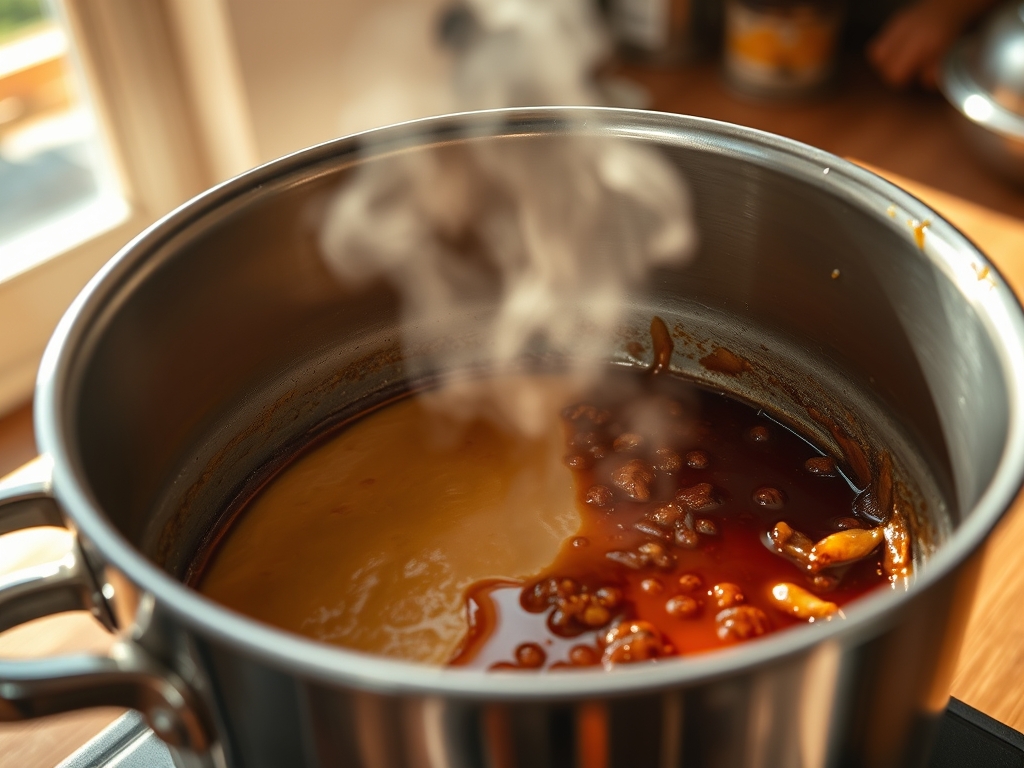
Pour the wine and lemon juice into the saucier. Bring the liquid to a slow simmer over medium-low heat. Do not let it reach a rolling boil. You are looking for small bubbles that indicate the alcohol is beginning to aerate and the acidity is concentrated.
Pro Tip: High heat causes the proteins in the cheese to seize and squeeze out the fats. Maintaining a temperature between 65C and 75C (150F to 167F) is the "Goldilocks zone" for molecular stability.
3. The Slurry Integration
In a small ramekin, whisk the cornstarch into the Kirsch until a smooth slurry forms. This prevents the starch from clumping when it hits the hot liquid. Once the wine is simmering, whisk the slurry into the pot.
Pro Tip: The starch acts as a mechanical barrier. It physically gets between the protein strands to prevent them from tangling into a clump. Professional chefs often use a silicone whisk to ensure every corner of the pot is agitated.
4. The Gradual Emulsion
Add the grated cheese one handful at a time. Use a steady, figure-eight motion with your whisk. Wait until each addition is fully incorporated and the mixture is viscous before adding the next batch. This is where the Melt to Cool Fondue earns its name; the slow integration builds a robust emulsion.
Pro Tip: If the mixture begins to break or look oily, add a teaspoon of lemon juice and whisk vigorously. The acid helps re-emulsify the displaced lipids.
5. The Final Seasoning
Once all the cheese is incorporated and the texture is like heavy cream, add the nutmeg and a crack of white pepper. Transfer to a heat source that provides low, consistent warmth.
Pro Tip: Use a bench scraper to clean your workstation of any stray cheese shreds. Precision in the kitchen reflects precision in the pot.
Section B: Prep & Timing Fault-Lines:
Timing is the silent killer. If you grate the cheese too early and leave it at room temperature, the fats begin to render prematurely. This leads to a greasy finish. Conversely, adding cold cheese to hot wine causes a thermal shock that results in a "broken" sauce. The sweet spot is grating the cheese directly from the refrigerator and beginning the melt immediately. If your guests are late, do not keep the fondue on high heat. Turn off the flame and re-warm it slowly with a splash of warm wine when they arrive.
THE VISUAL SPECTRUM
Section C: Thermal & Visual Troubleshooting:
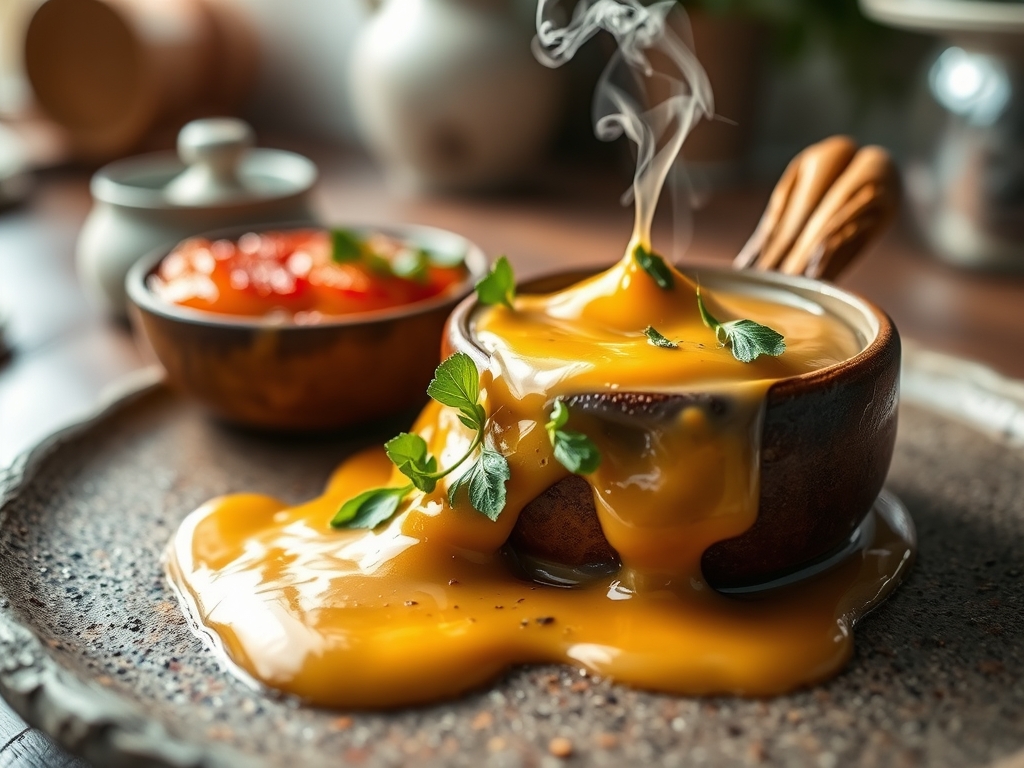
Look at the Masterclass photo. Notice the glossy, reflective surface. If your fondue looks dull or matte, you have likely overcooked the proteins. A dull surface indicates the moisture has evaporated, leaving behind a dense protein structure. If you see "threads" when you lift the bread, the cheese is too cold or lacks enough acid.
The color should be a pale ivory with a hint of gold. If you see brown flecks, you have scorched the bottom. To fix a scorched fondue, do not scrape the bottom of the pot. Immediately pour the "clean" liquid into a new saucier and continue. If the mixture is too thin, it will not cling to the bread; increase the starch slurry by 5g in the next iteration.
THE DEEP DIVE
Macro Nutrition Profile:
This is a high-density fuel source. Per serving, expect approximately 450 calories, 32g of fat, 28g of protein, and 4g of carbohydrates. It is a ketogenic powerhouse but should be balanced with fibrous vegetables like blanched broccoli or cauliflower to aid digestion.
Dietary Swaps:
- Vegan: Replace dairy with a base of soaked cashews, nutritional yeast, and lactic acid. Use agar-agar as a stabilizer.
- Keto: Omit the cornstarch and use 1/4 tsp of Xanthan gum. Use celery or steak bites for dipping instead of bread.
- Gluten-Free: Ensure your Kirsch is certified GF and use arrowroot powder instead of cornstarch for a cleaner finish.
Meal Prep & Reheating Science:
To reheat, you must move slowly. Do not use a microwave; it vibrates water molecules too fast and shatters the emulsion. Place the cold fondue in a double boiler. Add 20ml of white wine and whisk constantly as it warms. You are essentially rebuilding the emulsion from the ground up.
THE KITCHEN TABLE
Why is my fondue stringy?
Stringiness is caused by the calcium in the cheese bonding the proteins too tightly. Add more lemon juice or a pinch of sodium citrate to break those bonds and restore a viscous flow.
Can I use beer instead of wine?
Yes. The "Melt to Cool" method works with ale, but you must ensure the beer has sufficient acidity. Add an extra teaspoon of lemon juice to compensate for the higher pH of the malt.
What is the best bread for dipping?
A day-old sourdough baguette is superior. The structure is firm enough to withstand the weight of the cheese, and the acidity of the bread complements the piquant notes of the Gruyere.
My fondue is separating into oil and solids. Help!
This is a broken emulsion. Whisk in a teaspoon of cornstarch mixed with cold wine and increase the heat slightly. The starch will act as a bridge to pull the lipids back into the protein matrix.