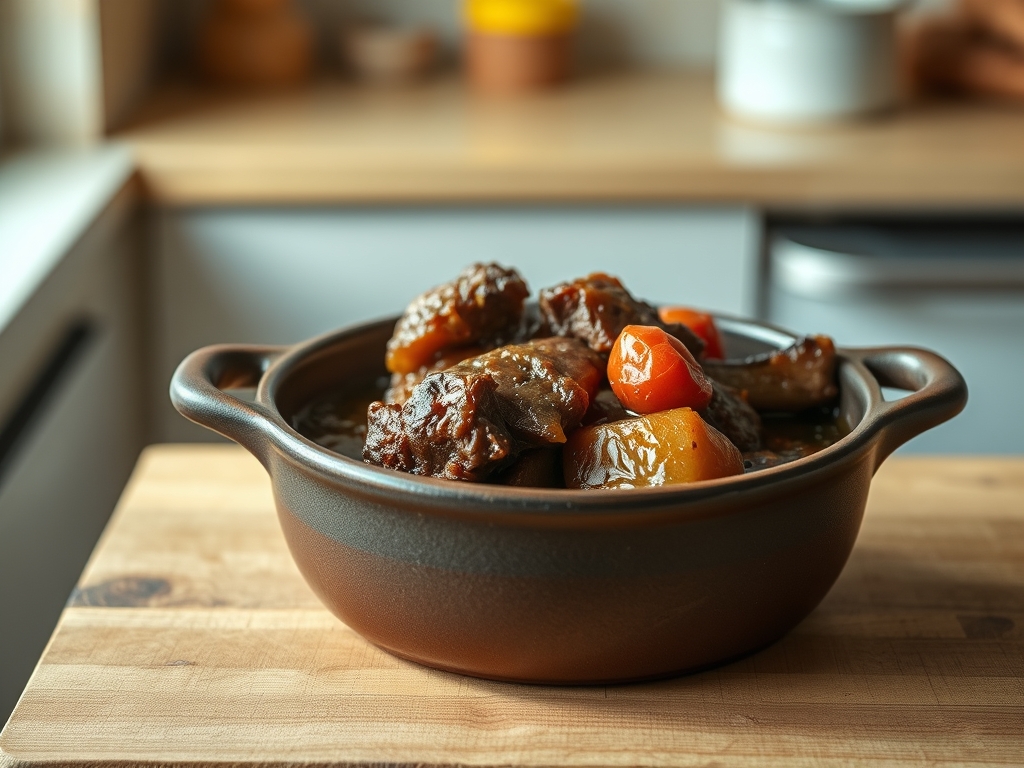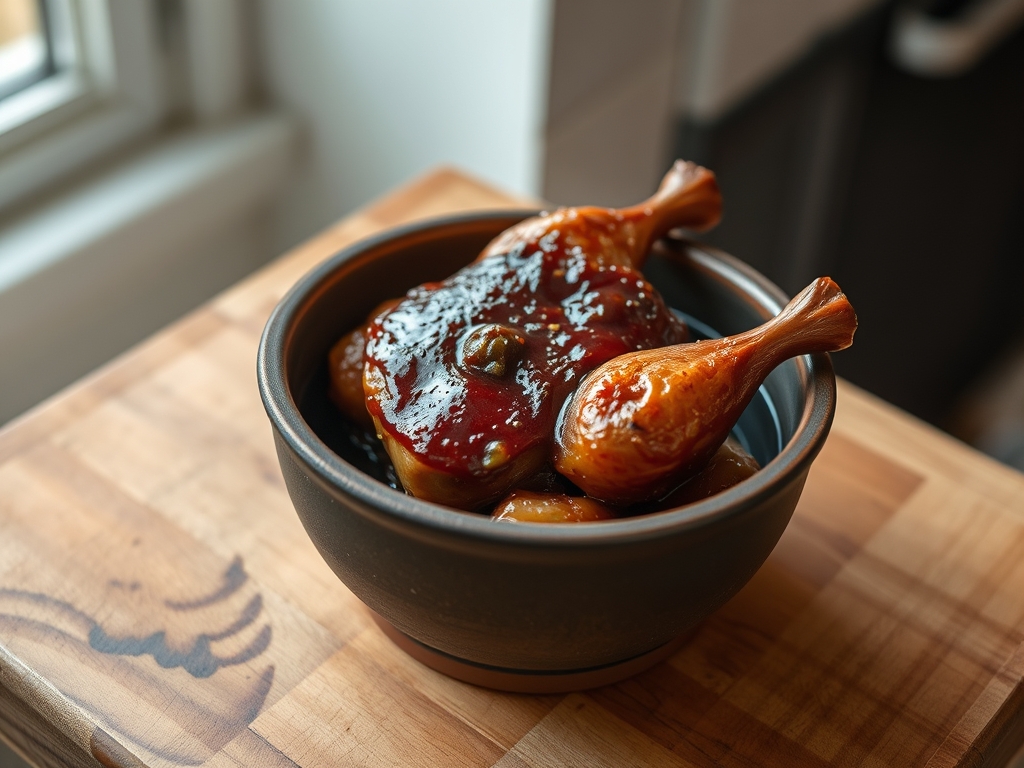
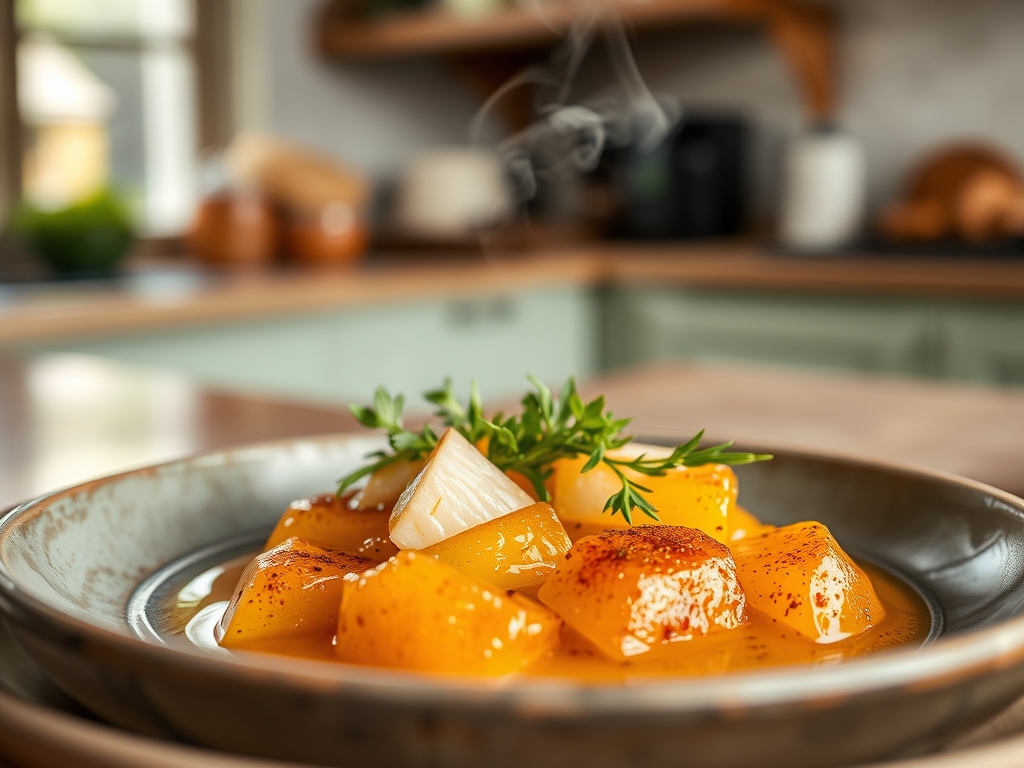
Forget everything you know about those wobbly, neon-colored fruit molds from your grandmother's bridge club. We are entering the realm of the high-stakes architectural jelly; a world where liquid collagen is harnessed into a shimmering, savory glass. To master the Gelatinous Protein Suspension, you must respect the thermal threshold. You cannot simply simmer and hope for the best. You must understand the precise moment you Boil to Set Aspic, triggering the extraction of long-chain proteins from connective tissue to create a structural masterpiece. This is not just cooking; it is structural engineering at a microscopic level. Imagine a crystal-clear suspension of poached poultry or cured ham, suspended in a liquid that transitions from a viscous, piquant nectar to a firm, translucent solid as it cools. The snap of the gel against the tongue should be clean, yielding immediately to the warmth of the palate. We are auditing the very foundation of cold charcuterie, ensuring your stock is clarified to a diamond sheen and your suspension is stable enough to defy gravity.
THE DATA MATRIX
| Metric | Specification |
|---|---|
| Prep Time | 45 Minutes |
| Execution Time | 6 Hours (Includes Chilling) |
| Yield | 1.5 Liters / 6 Cups |
| Complexity (1-10) | 8 |
| Estimated Cost per Serving | $4.50 |
THE GATHERS
Ingredient Protocol:
- 1.5 kg / 3.3 lbs High-Collagen Veal or Chicken Knuckles
- 2.5 Liters / 10.5 Cups Cold Filtered Water
- 200g / 1.5 Cups Mirepoix (Carrot, Leek, Celery)
- 3 Large Egg Whites (for the clarification raft)
- 15ml / 1 Tablespoon White Peppercorns
- 20g / 0.7 oz Fine Sea Salt
- 50ml / 3.5 Tablespoons Dry Sherry or Madeira
- 10g / 2 Teaspoons Fresh Thyme Sprigs
Section A: Ingredient Quality Audit:
The primary failure point in an aspic audit is the raw material. If your bones are "clean" or pre-processed, they lack the connective tissue necessary to provide a natural set. If you find your stock is watery, you must supplement with high-quality unflavored gelatin sheets (silver grade). Another common defect is cloudiness caused by old vegetables. Use only fresh, crisp mirepoix; soft or oxidizing carrots will bleed dull pigments into your suspension, ruining the visual spectrum. If your water has a high mineral content, it can interfere with the protein bonding. Always use filtered water to ensure the final product is as transparent as a cathedral window.
THE MASTERCLASS
Step 1: The Primary Extraction
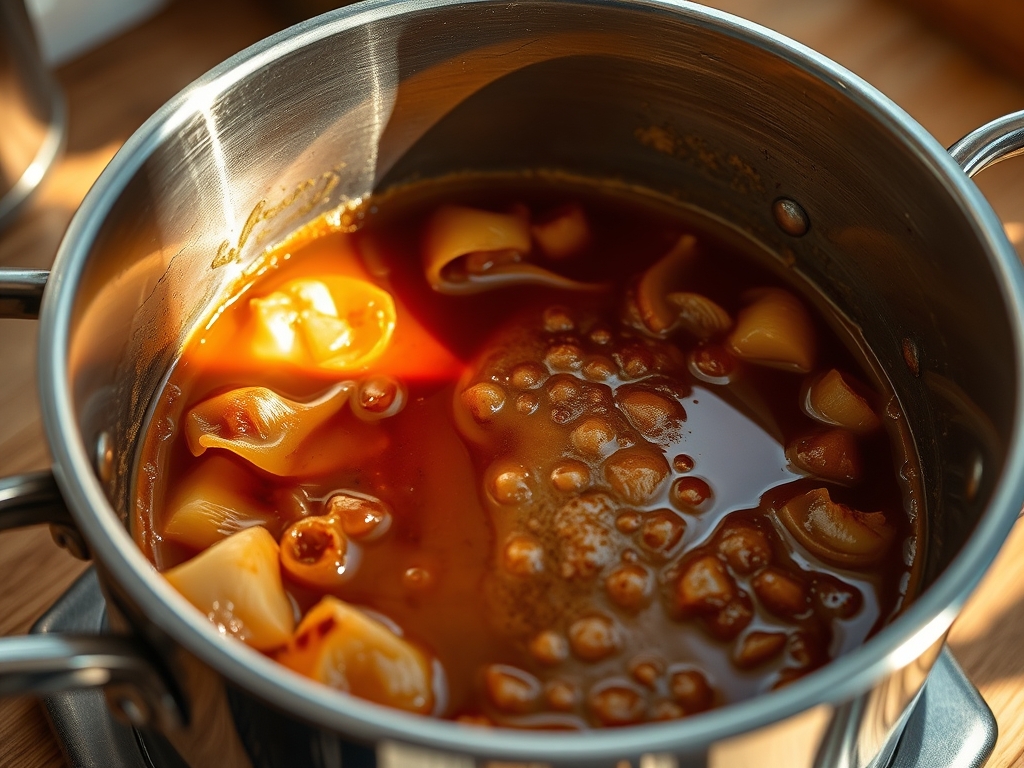
Place your collagen-heavy bones into a heavy-bottomed saucier and cover with cold water. Bring the temperature up slowly. Rapid heating causes proteins to clump prematurely, trapping impurities. Once you reach a gentle simmer, skim the gray foam (denatured protein) aggressively using a fine-mesh skimmer.
Pro Tip: Use a digital thermometer to maintain a temperature of 190 degrees Fahrenheit. This allows the collagen to render into gelatin without the turbulent bubbles emulsifying fat into the liquid, which would create a permanent haze.
Step 2: Infuse the Aromatics
Add your mirepoix, peppercorns, and thyme. Do not chop the vegetables too small; large chunks prevent the liquid from becoming "dusty" with vegetable fiber. Allow this to infuse for at least four hours. The liquid should reduce by one-third, concentrating the flavor profile.
Pro Tip: Use a bench scraper to cleanly dice your mirepoix into uniform cubes. Uniformity ensures that all vegetables release their sugars at the same rate, preventing one flavor from dominating the piquant balance.
Step 3: The Clarification Raft
Strain the stock through a chinois. Cool the liquid until the fat solidifies on top, then remove it. Whisk your egg whites with a splash of cold stock and shells, then whisk this into the cold stock. Slowly Boil to Set Aspic by raising the heat. The egg whites will coagulate, rising to the surface and acting as a biological filter that traps every microscopic particle.
Pro Tip: Do not stir the raft once it forms. Use a ladle to gently poke a "chimney" in the center of the raft. This allows you to monitor the simmer and eventually siphon out the crystal-clear liquid using a silicone tube or a steady hand.
Step 4: The Final Suspension
Once clarified, add your sherry and adjust the salt. Place your solid ingredients (meats or herbs) into a chilled mold. Pour the liquid over them in stages, chilling between layers to ensure the ingredients do not float to the top.
Pro Tip: Use a digital scale to measure your gelatin strength if using supplemental sheets. Precision is the difference between a delicate melt-in-the-mouth texture and a rubbery, industrial-grade bounce.
Section B: Prep & Timing Fault-Lines:
The most common human error is the "Rush Factor." If you attempt to clarify stock that is still warm, the egg white raft will not form a cohesive filter, resulting in a murky suspension. Furthermore, failing to chill the mold between layers will result in "Ingredient Drift," where your carefully placed herbs migrate to the top. You must audit your clock as much as your ingredients. Allow at least 90 minutes of refrigeration between structural layers to ensure a clean, architectural finish.
THE VISUAL SPECTRUM
Section C: Thermal & Visual Troubleshooting:
Look closely at the Masterclass photo. Notice the "Diamond Clarity" and the absence of air bubbles. If your aspic appears dull or matte, you likely skipped the fat-removal phase or used a high-heat boil that emulsified lipids into the stock. To fix a dull aspic, you must re-clarify with a fresh egg white raft. If you see bubbles trapped in the gel, it means you poured the liquid too quickly or from too great a height, which aerates the suspension. To resolve this, use a blowtorch very briefly over the surface of the liquid before it sets to pop any surface tension bubbles. If the color is too pale, a drop of kitchen bouquet or a longer roast on the bones initially will provide that deep, amber resonance.
THE DEEP DIVE
Macro Nutrition Profile:
Aspic is a protein powerhouse with virtually zero carbohydrates. A standard serving contains approximately 12g of protein, 0g of sugar, and 2g of fat. It is exceptionally high in glycine and proline, amino acids essential for joint health and skin elasticity.
Dietary Swaps:
- Vegan: Replace bone-based gelatin with Agar-Agar. Note that Agar-Agar sets more firmly and does not melt at body temperature, so reduce the concentration by 20 percent.
- Keto: Naturally compliant. Ensure the sherry used is dry to avoid hidden residual sugars.
- GF: Naturally gluten-free, provided the stock is made from scratch and not from commercial bases containing maltodextrin.
Meal Prep & Reheating Science:
Aspic is the ultimate "prep ahead" dish, as the flavor matures over 24 hours. However, it cannot be reheated without losing its structural integrity. If the gel breaks, you must re-melt the entire batch, strain, and re-set. To maintain molecular structure, store at a constant 38 degrees Fahrenheit. Fluctuating temperatures cause syneresis, where the gel "sweeps" or leaks water.
THE KITCHEN TABLE
Why is my aspic rubbery?
You likely over-concentrated the gelatin or used too much supplemental powder. The ratio should be just enough to hold the shape. Audit your measurements with a digital scale next time to ensure a delicate, melting texture on the tongue.
Can I use canned stock?
Canned stock is often too high in sodium and lacks the natural gelatin required for a structural set. If you must use it, you will need to add at least three sheets of silver-grade gelatin per 500ml to achieve stability.
How do I unmold without breaking it?
Briefly dip the bottom of the mold into warm water for five seconds. This melts the outermost micron of the gel, creating a lubricant that allows the aspic to slide out onto the plate with its structural integrity intact.
Why is my aspic cloudy after chilling?
This is usually "fat bloom." If the stock was not perfectly de-fatted before the clarification raft was added, microscopic fat globules will solidify and turn opaque when cold. Always chill and skim the stock twice before the final set.