The kitchen is not a sanctuary; it is a high-velocity laboratory where seconds dictate the difference between a culinary triumph and a rubbery catastrophe. When you engage with Sear to Steam Shrimp, you are managing a bi-phasic thermal transition that demands absolute precision. The objective is simple yet elusive: achieve a Maillard-driven, golden-brown crust on the exterior while utilizing residual moisture to flash-steam the interior to a translucent, snappy perfection. Most amateur cooks fail because they treat heat as a static variable. In this infrastructure, heat is a dynamic force. You start with a scorching pan to render surface moisture and lock in flavor; then, you introduce a controlled liquid element to deglaze and create a micro-environment of pressurized steam. This rapid shift in states prevents the protein fibers from over-tightening into tough, tasteless knots. We are looking for a piquant aroma, a shimmering surface, and a texture that yields with a crisp snap. Prepare your station. We are moving from zero to peak-flavor in under three minutes.
THE DATA MATRIX
| Metric | Specification |
|---|---|
| Prep Time | 15 Minutes |
| Execution Time | 3 Minutes |
| Yield | 4 Servings |
| Complexity (1-10) | 4 |
| Estimated Cost per Serving | $6.50 |
THE GATHERS
Ingredient Protocol:
- 450g / 1 lb Large Shrimp (16/20 count), peeled and deveined.
- 30ml / 2 tbsp Neutral high-smoke point oil (Avocado or Grapeseed).
- 45g / 3 tbsp Unsalted high-fat butter.
- 4 cloves Garlic, smashed and minced.
- 60ml / 1/4 cup Dry white wine or seafood stock.
- 5ml / 1 tsp Red pepper flakes.
- 15ml / 1 tbsp Fresh lemon juice.
- 5g / 1 tbsp Fresh parsley, finely chiffonaded.
- 3g / 0.5 tsp Fine sea salt.
Section A: Ingredient Quality Audit:
The primary failure point in Sear to Steam Shrimp is "wet" shrimp. Most commercial seafood is treated with sodium tripolyphosphate to retain water weight. This chemical additive prevents the Maillard reaction and leaves you with a gray, boiled mess. To fix this, perform a "Saline Purge" by soaking shrimp in a cold brine for 15 minutes, then patting them aggressively dry with lint-free towels. If your garlic is sprouting green "hearts," remove them; they contain bitter compounds that will infuse your oil with an acrid aftertaste rather than a sweet, nutty aroma. Always use a digital scale to measure your proteins to ensure consistent thermal absorption across the batch.
THE MASTERCLASS
1. The Thermal Prime
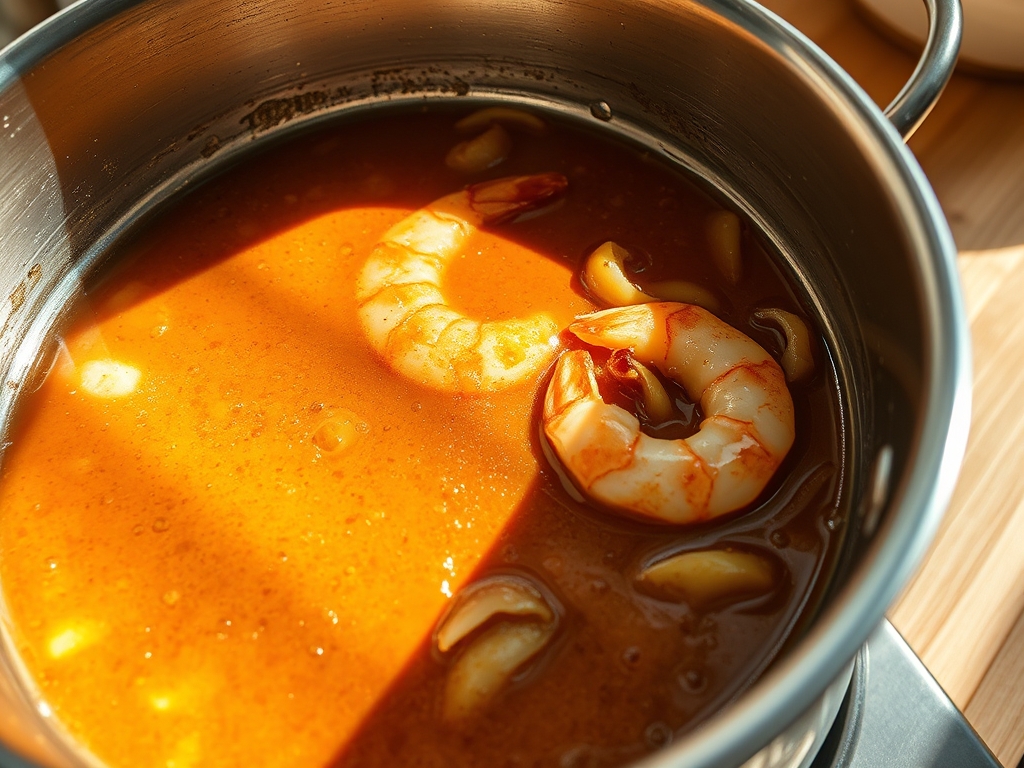
Place a heavy-bottomed stainless steel saucier or cast-iron skillet over high heat. Add your neutral oil and wait until it reaches the shimmering point, just before it begins to smoke.
Pro Tip: Use an infrared thermometer to verify a surface temperature of 425 degrees Fahrenheit. This ensures that the shrimp proteins denature instantly upon contact, preventing them from sticking to the microscopic pores of the metal.
2. The High-Impact Sear
Arrange the shrimp in a single layer, ensuring they do not touch. Use a bench scraper to move prepped ingredients efficiently, but use locking tongs for the actual placement. Sear for exactly 90 seconds without moving them.
Pro Tip: Resisting the urge to toss the shrimp allows for maximum surface area contact. This facilitates the Maillard reaction, where amino acids and reducing sugars create hundreds of different flavor compounds.
3. The Bi-Phasic Transition
Flip the shrimp. Immediately add the butter and minced garlic to the center of the pan. Once the butter begins to aerate and foam, pour in your white wine or stock.
Pro Tip: The introduction of liquid creates an instantaneous "Steam Jacket." This rapidly raises the internal temperature of the shrimp via latent heat of vaporization, cooking the center while the bottom continues to brown.
4. Emulsification and Finish
Vigorously swirl the pan to deglaze the fond (the brown bits) from the bottom. As the liquid reduces by half, it will combine with the melted butter to create a viscous, glossy emulsion.
Pro Tip: This is a mechanical emulsification. The agitation of the pan suspends fat droplets within the wine reduction, creating a sauce that coats the shrimp rather than sliding off.
Section B: Prep & Timing Fault-Lines:
Timing is the "Critical Path" in this infrastructure. If you spend too long peeling garlic while the pan is heating, the oil will polymerize and become sticky. If you add the liquid too late, the garlic will burn, ruining the piquant profile. The solution is "Mise en Place" rigor. Every ingredient must be measured and positioned within arm's reach before the first drop of oil hits the pan. If the shrimp appear "C-shaped," they are perfect; if they have curled into a tight "O-shape," you have over-extended the thermal window and the proteins have dehydrated.
THE VISUAL SPECTRUM
Section C: Thermal & Visual Troubleshooting:
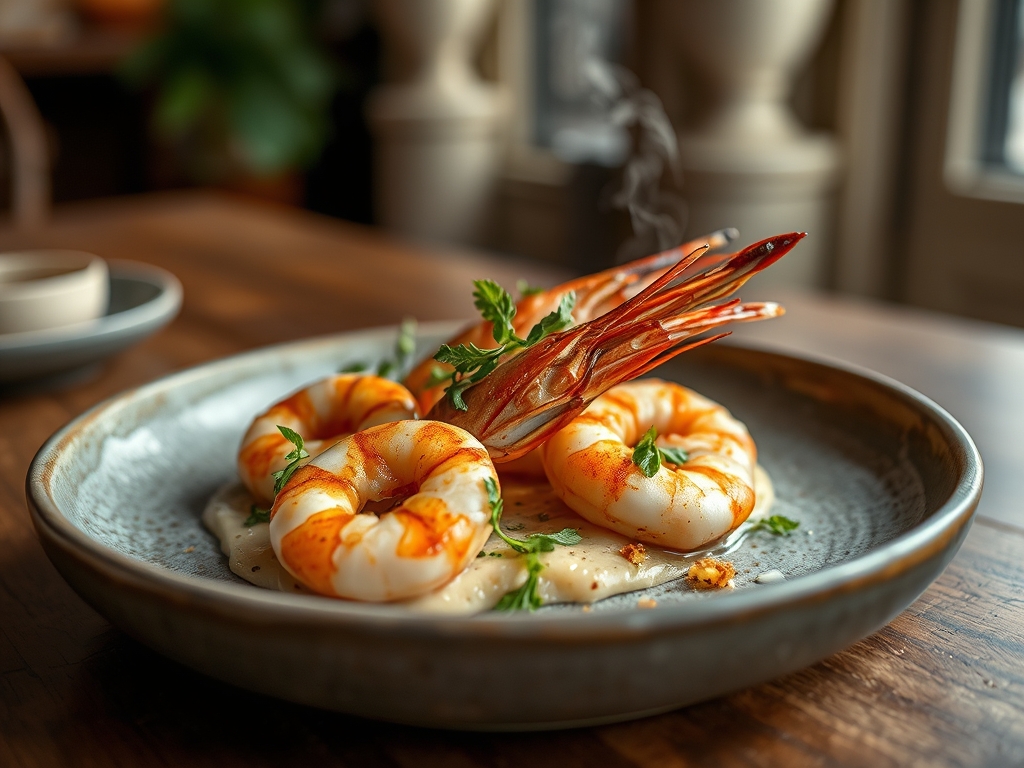
Referencing the Masterclass photo, your Sear to Steam Shrimp should exhibit a vibrant coral hue with distinct "leopard spotting" of deep gold on the edges. If your shrimp look pale and translucent, your pan temperature was too low, resulting in "stewing" rather than searing. If the sauce looks broken or oily, you failed to swirl the pan during the liquid addition; add a teaspoon of water and whisk aggressively to re-bind the emulsion. Dull, matte surfaces indicate a lack of acid. A final splash of lemon juice will "brighten" the visual luster and the flavor profile simultaneously.
THE DEEP DIVE
Macro Nutrition Profile:
A standard serving provides approximately 28g of high-quality protein, 12g of healthy fats (primarily from the butter/oil emulsion), and less than 3g of carbohydrates. It is an efficient fuel source for high-output individuals.
Dietary Swaps:
- Vegan: Substitute shrimp with king oyster mushroom medallions and use a high-quality vegan butter alternative.
- Keto: This recipe is naturally ketogenic. Ensure the wine is bone-dry to minimize residual sugars.
- GF: The recipe is inherently gluten-free; however, verify that your seafood stock does not contain hidden wheat thickeners.
Meal Prep & Reheating Science:
To maintain molecular structure when reheating, avoid the microwave. The localized friction of water molecules in a microwave will turn shrimp into rubber. Instead, use a low-heat sauté pan with a tablespoon of water and a lid. This recreates the "Steam Jacket" environment, gently warming the protein without further denaturing the fibers.
THE KITCHEN TABLE
How do I know if the pan is hot enough?
Perform the "Leidenfrost" test. Drop a bead of water into the pan; if it dances and skitters across the surface rather than evaporating instantly, you have reached the optimal thermal threshold for a non-stick sear.
Can I use frozen shrimp for this?
Yes, but they must be fully thawed and "bone-dry." Frozen shrimp contain internal ice crystals that, if not managed, will release excess moisture and kill your sear, turning the process into a lackluster boil.
Why did my garlic turn bitter?
Garlic has a high sugar content and burns at a lower temperature than shrimp. By adding it during the second phase (the butter melt), you protect it from the initial high-heat sear, preserving its sweetness.
What is the best wine for the deglaze?
Select a high-acid, un-oaked white wine like Sauvignon Blanc or Pinot Grigio. Avoid Chardonnays; the oaky tannins will become concentrated and harsh when reduced in the pan, clashing with the delicate shrimp.