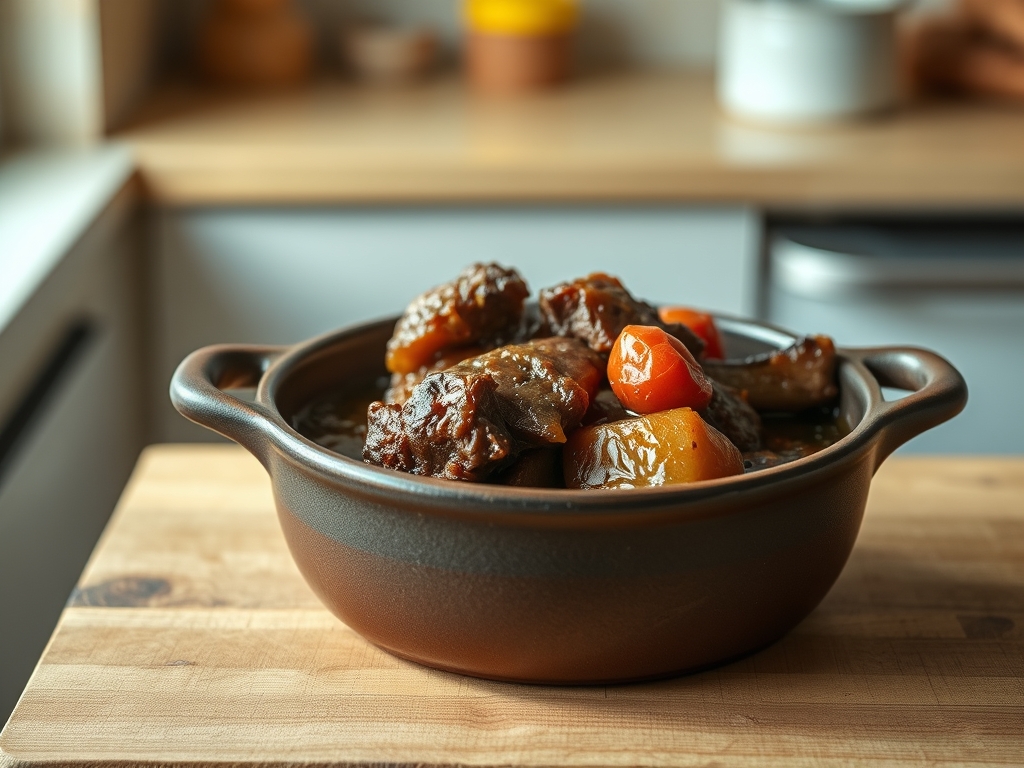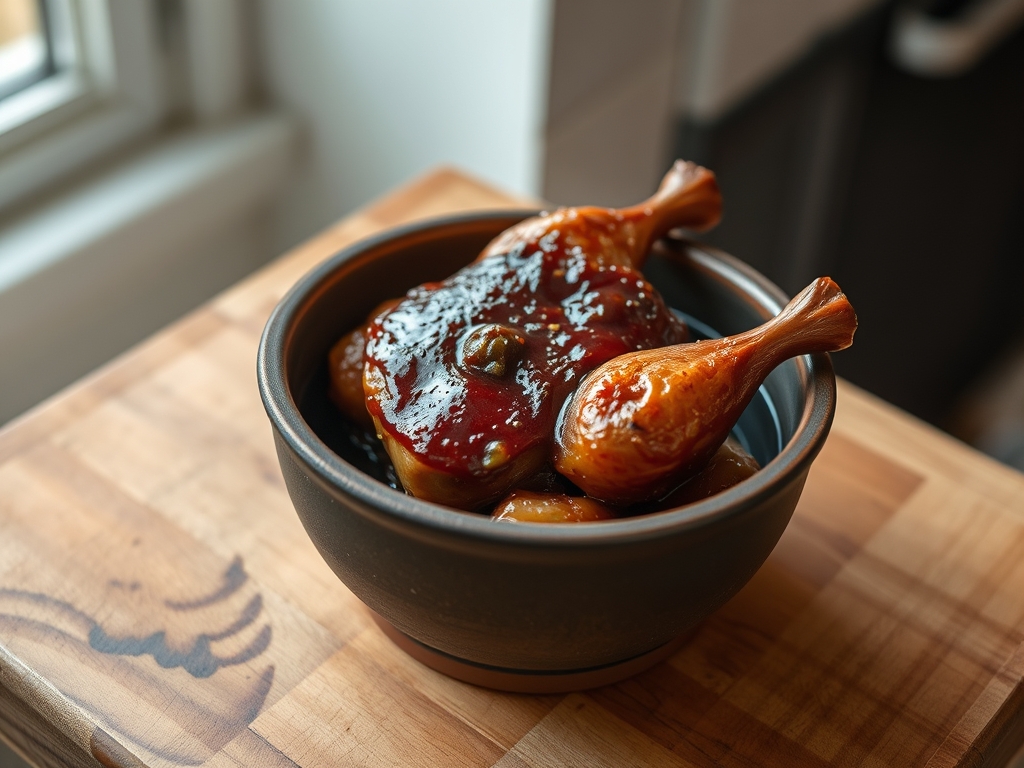
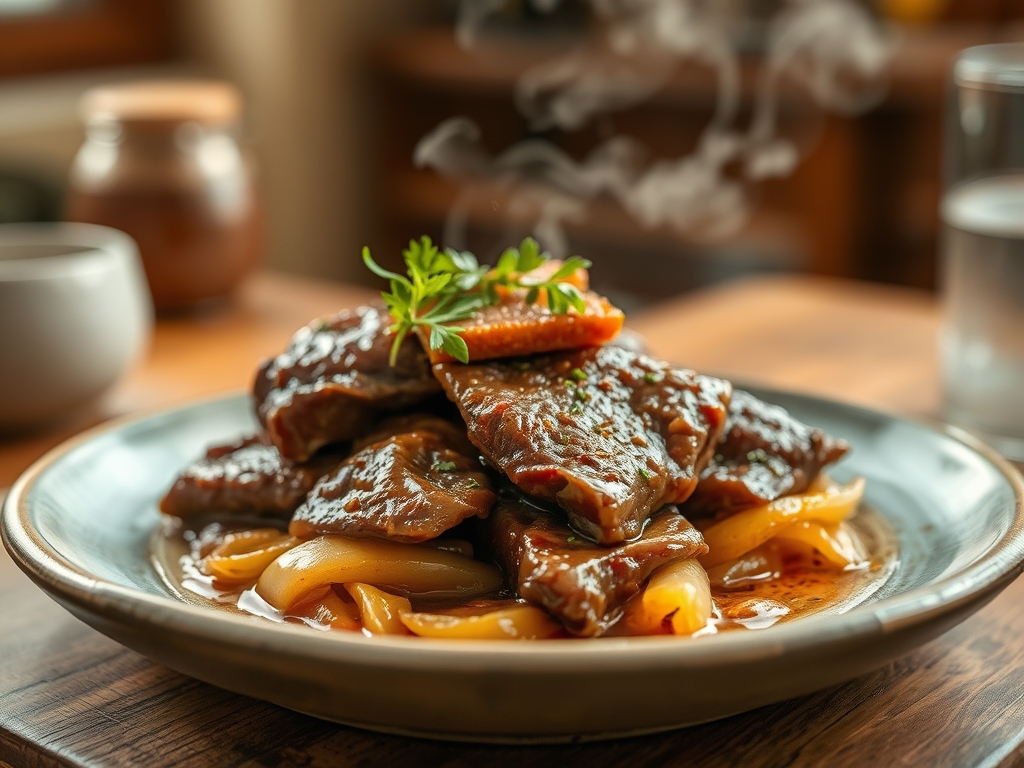
Listen up, because we are about to re-engineer the very concept of Sunday dinner into a high-performance structural achievement. We are not just cooking; we are conducting a structural audit on connective tissue. The objective is Beef Shin Braising. This is the holy grail of bovine mechanics. We are taking a muscle group that spent its entire life supporting half a ton of weight and forcing it into a state of total molecular surrender. Imagine a fork sliding through a cross-section of shank with the same resistance as a knife through room-temperature butter. We want that deep, mahogany crust that only comes from a perfectly executed Maillard reaction, followed by a low-and-slow thermal bath that converts stubborn collagen into a viscous, lip-smacking gelatin. The air in your kitchen should be thick with the scent of red wine reductions and aromatic mirepoix. This is where high-pressure culinary physics meets the soul of comfort food. If you are looking for a quick sear and serve, go find a steak. If you want to master the architecture of flavor, stay right here.
THE DATA MATRIX
| Metric | Specification |
|---|---|
| Prep Time | 45 Minutes |
| Execution Time | 4.5 Hours |
| Yield | 6 Servings |
| Complexity (1-10) | 7 |
| Estimated Cost per Serving | $8.50 |
THE GATHERS
Ingredient Protocol:
- 1.8kg / 4 lbs Beef Shin (Bone-in, cut into 2-inch thick discs)
- 500ml / 2 cups Full-bodied Red Wine (Cabernet or Syrah)
- 750ml / 3 cups Fortified Beef Stock
- 30g / 2 tbsp Tomato Paste
- 300g / 2 large Yellow Onions (Small dice)
- 200g / 3 large Carrots (1-inch rounds)
- 150g / 3 stalks Celery (1-inch crescents)
- 45ml / 3 tbsp High-smoke point oil (Grapeseed or Avocado)
- 5g / 1 tbsp Fresh Thyme sprigs
- 2 large Bay Leaves
- 10g / 2 tsp Kosher Salt
- 5g / 1 tsp Coarsely cracked Black Peppercorns
Section A: Ingredient Quality Audit:
If your beef shin looks pale or lacks significant marbling, you are starting with a deficit. Lower-quality meat often has a higher water content, which will steam rather than sear. To fix this, salt the meat 24 hours in advance and leave it uncovered in the fridge to desiccate the surface. If your red wine is too acidic or "thin," it will fail to provide the necessary backbone for the sauce. Technical fix: Add a teaspoon of honey or a pinch of brown sugar during the reduction phase to balance the pH levels without compromising the savory profile. If your beef stock is store-bought and lacks body, bloom 5g of unflavored gelatin in cold water and whisk it into the stock before adding it to the pot to mimic the mouthfeel of a professional demi-glace.
THE MASTERCLASS
1. Surface Preparation and Desiccation
Pat the beef shin completely dry using lint-free paper towels. Season aggressively with salt and pepper from a height to ensure even distribution. Use your digital scale to ensure the salt ratio is exactly 1 percent of the meat's total weight for optimal seasoning penetration.
Pro Tip: Moisture is the enemy of the Maillard reaction. By ensuring the surface is dry, you prevent the formation of a steam barrier, allowing the surface temperature to spike and create that essential crust.
2. High-Velocity Searing
Heat your heavy-bottomed Dutch oven or saucier over medium-high heat. Add the oil and wait for the first sign of wispy smoke. Sear the beef in batches to avoid crowding the pan, which would drop the temperature and cause the meat to boil in its own juices.
Pro Tip: Achieving a deep brown crust creates flavor compounds that cannot be replicated later. This is the foundation of the "fond," the caramelized proteins stuck to the bottom of the pan that will later infuse your entire sauce.
3. Aromatic Foundation and Deglazing
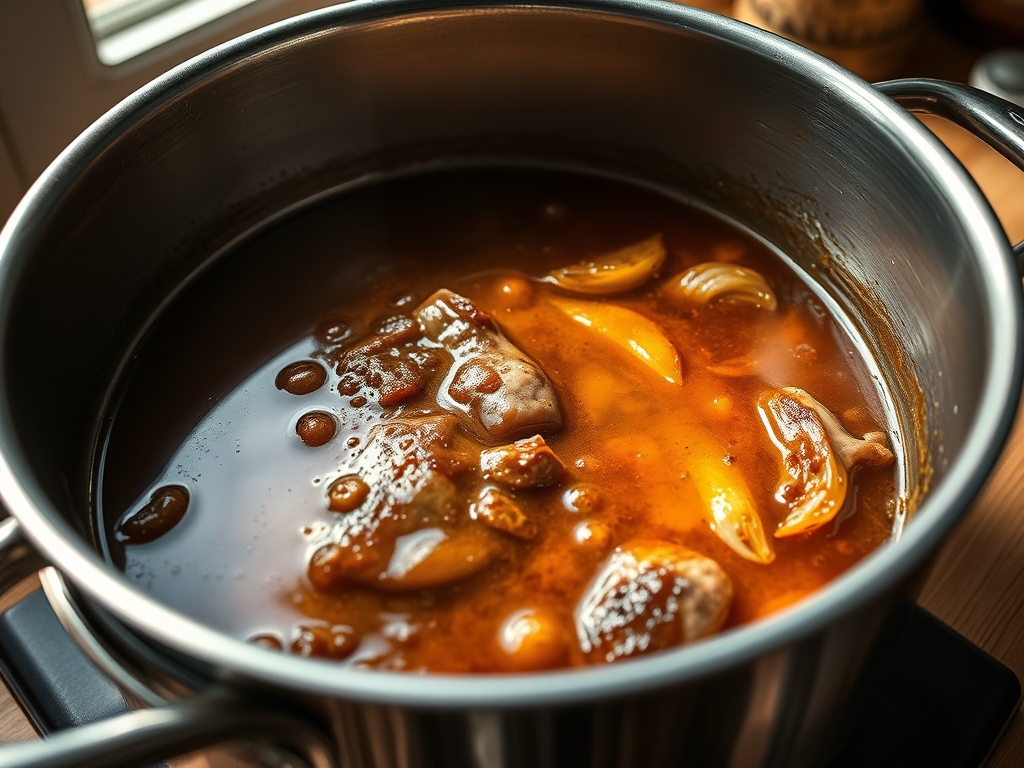
Remove the meat and set it aside. Reduce heat to medium and add the onions, carrots, and celery. Use a bench scraper or wooden spoon to move the vegetables, picking up the browned bits. Once the onions are translucent, add the tomato paste and cook for three minutes until it turns a rusty brick color. Pour in the wine to deglaze the pan.
Pro Tip: Deglazing is a chemical extraction process. The alcohol and acidity in the wine act as solvents, dissolving the flavor-packed fond and incorporating it into the liquid phase of the dish.
4. The Thermal Immersion
Return the beef to the pot along with any accumulated juices. Add the beef stock until the liquid reaches two-thirds of the way up the sides of the meat. Add the herbs. Cover with a tight-fitting lid or a cartouche (parchment paper lid) to ensure minimal evaporation.
Pro Tip: The "two-thirds" rule is critical. You want the top of the meat exposed to the steam and radiant heat of the pot's ceiling, which creates a more complex flavor profile than total submersion.
5. Low-Impact Braising
Transfer the pot to a preheated oven at 150C / 300F. Let it braise for 3.5 to 4 hours. Every hour, use tongs to gently rotate the meat, ensuring the exposed portions remain hydrated and the collagen continues to render uniformly.
Pro Tip: Keeping the temperature low prevents the muscle fibers from tightening too quickly and squeezing out their internal moisture. Slow heat allows the collagen to transition into gelatin without the meat becoming stringy.
Section B: Prep & Timing Fault-Lines:
The most common human error is impatience. If the meat is "tough" after three hours, it is not overcooked; it is undercooked. Connective tissue needs time to melt. Use a probe thermometer to check for "probe-tender" status; the metal should slide in with zero resistance. If your liquid reduces too quickly, your lid seal is likely faulty. Fix this by placing a layer of aluminum foil between the pot and the lid to create a true hermetic seal. If you find yourself behind schedule, do not turn up the heat. High heat will boil the meat and destroy the texture. Instead, finish the braise on the stovetop at a bare simmer, checking the liquid level every twenty minutes.
THE VISUAL SPECTRUM
Section C: Thermal & Visual Troubleshooting:
Look at the Masterclass photo. Notice the deep, glossy sheen on the sauce. This indicates a successful emulsification of fats and gelatin. If your sauce looks "broken" or greasy, you have too much rendered fat floating on top. Use a fat separator or a cold ladle to skim the surface. If the meat looks grey rather than mahogany, your initial sear was too weak. You can partially rectify this by removing the meat at the end and reducing the sauce until it is thick enough to coat the back of a spoon, then glazing the meat under a broiler for two minutes. Dull colors in the vegetables suggest they were overcooked. For a professional presentation, cook a separate batch of glazed carrots and add them at the very end for a pop of vibrant orange.
THE DEEP DIVE
Macro Nutrition Profile:
Beef shin is a nutritional powerhouse. While high in protein (approx 28g per 100g), its true value lies in the micronutrients. It is exceptionally high in Zinc, B12, and bioavailable Iron. The gelatin produced during the braise is rich in glycine and proline, amino acids essential for joint health and gut integrity.
Dietary Swaps:
- Keto: Replace the carrots with daikon radish or turnips and ensure the red wine is a dry variety with low residual sugar.
- Vegan: This specific technique is meat-centric, but you can apply the "braising" logic to large "steaks" of Lion's Mane mushrooms or celery root using a mushroom-based dashi instead of beef stock.
- GF: This recipe is naturally gluten-free; just ensure your beef stock does not contain hidden yeast extracts or thickeners.
Meal Prep & Reheating Science:
Braised beef shin is actually better on day two. As the dish cools, the gelatin sets into a semi-solid matrix, trapping the flavor molecules. To reheat, do not use a microwave; it vibrates water molecules too violently and toughens the protein. Reheat gently in a covered pan over low heat with a splash of water or stock to aerate the sauce and restore its viscous texture.
THE KITCHEN TABLE
Why is my beef shin still tough after 3 hours?
It hasn't reached the "collagen tipping point." Beef shin is incredibly dense. Give it another 45 minutes at a low temperature. The fibers need time to relax after the connective tissue has fully liquefied into gelatin.
Can I do this in a slow cooker?
Yes, but you must sear the meat and sauté the aromatics in a separate pan first. Slow cookers lack the high-heat capacity to create the Maillard reaction, which is essential for the deep, piquant flavor profile we require.
What is the best way to thicken the sauce?
Avoid flour. Instead, remove the meat and vegetables once finished and boil the liquid on high heat. This concentrates the natural gelatins and sugars, creating a natural reduction that is far superior in flavor and mouthfeel to any starch-based gravy.
Can I use white wine instead of red?
Technically yes, but you will lose the tannic structure that balances the richness of the beef fat. If using white, choose a dry, acidic variety and add a tablespoon of Worcestershire sauce to compensate for the missing depth and color.