Stop settling for the limp, grease-laden disappointment of a standard fry. If your current potato game feels more like a soggy surrender than a culinary victory, you are likely skipping the most critical phase of tuber engineering. We are here to talk about the Boil to Fry Potato method; a two-stage thermal assault designed to weaponize starch gelatinization. This is not just a recipe; it is a structural audit of the Solanum tuberosum. By parboiling the potato in alkaline water before the final immersion in hot lipid, we create a micro-fissured surface area that maximizes the Maillard reaction. The result is a structural marvel: a glass-like exterior shell that shatters upon impact, protecting a center so fluffy it borders on the aerated. We are moving beyond the amateur hour of "cut and drop." We are building a starch-based fortress. Prepare to recalibrate your expectations of what a potato can achieve when science and heat collide in a high-velocity kitchen environment.
THE DATA MATRIX
| Metric | Specification |
|---|---|
| Prep Time | 20 Minutes |
| Execution Time | 45 Minutes |
| Yield | 4 Servings |
| Complexity (1-10) | 4 |
| Estimated Cost per Serving | $0.85 USD |
THE GATHERS
Ingredient Protocol:
- 1 kg / 2.2 lbs Russet or Maris Piper Potatoes (High starch content is non-negotiable)
- 2.5 L / 10 cups Filtered Water
- 15 g / 1 tbsp Kosher Salt
- 5 g / 1 tsp Baking Soda (Sodium Bicarbonate)
- 500 ml / 2 cups High-Smoke Point Oil (Peanut or Grapeseed)
- 5 g / 1 tsp Flaky Sea Salt for finishing
- 2 g / 0.5 tsp Freshly cracked black pepper
Section A: Ingredient Quality Audit:
If your potatoes are sprouting or feel soft, the internal starches have already begun converting into sugars. This leads to premature browning and a bitter, burnt profile before the interior is fully rendered. Technical Fix: Use a digital scale to ensure your starch-to-water ratio is precise. If you are stuck with low-starch "waxy" potatoes, increase the parboiling time by three minutes to force a deeper cellular breakdown. If your oil smells "fishy," it has oxidized; discard it immediately and start with fresh, neutral lipids to ensure a clean flavor profile.
THE MASTERCLASS
1. Precision Geometry and Cleansing
Peel the tubers and use a sharp chef knife or a bench scraper to square off the edges, creating uniform batons roughly 1.5cm thick. Rinse the cut potatoes in a bowl of cold water until the water runs clear. This removes excess surface starch that would otherwise cause the fries to stick together in the pot.
Pro Tip: Uniformity is not just for aesthetics. Consistent dimensions ensure that the heat transfer rate is identical for every piece, preventing a mix of raw and overcooked fries.
2. The Alkaline Parboil
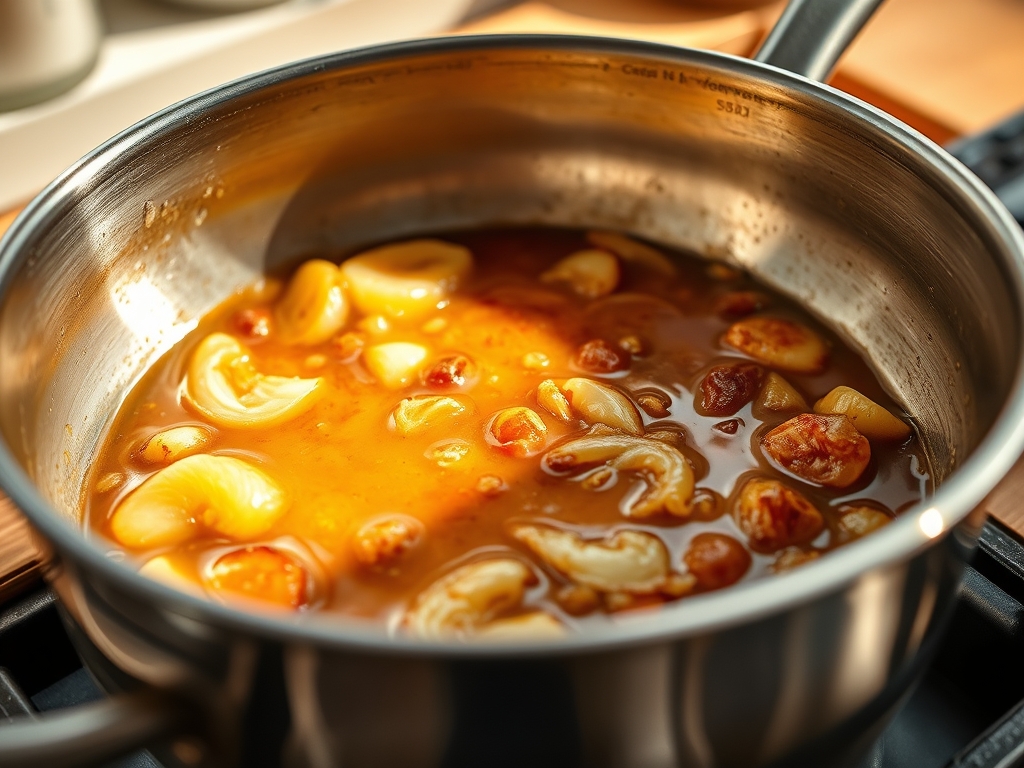
Fill a large saucier or stockpot with the water, salt, and baking soda. Bring to a rolling boil and add the potatoes. Simmer for 8 to 10 minutes until the edges are frayed and a paring knife meets almost no resistance.
Pro Tip: The baking soda raises the pH of the water, which breaks down the potato's pectin more effectively. This creates a starchy "slurry" on the surface of the potato that dehydrates into an ultra-crunchy crust during the fry.
3. Surface Dehydration and Roughing
Drain the potatoes and let them steam-dry on a wire rack for 5 minutes. Once the visible moisture has evaporated, toss them gently in a dry bowl to scuff the edges. You want a fuzzy, almost mashed-potato-like texture on the exterior.
Pro Tip: This "fuzz" increases the surface area exponentially. More surface area means more contact with the oil, which results in a thicker, more resonant crunch.
4. The Initial Lipid Immersion
Heat your oil in a heavy-bottomed pot to 150C (300F). Use a digital thermometer to verify. Fry the potatoes in batches for 5 minutes. They should not brown yet; they are simply "blanching" to set the exterior structure and further dehydrate the core.
Pro Tip: This first fry creates a stable starch-fat barrier. It ensures the final high-heat fry doesn't result in an oil-soaked interior.
5. The High-Heat Finish
Increase the oil temperature to 190C (375F). Return the potatoes to the oil for 3 to 4 minutes until they achieve a deep, golden-bronze hue. Drain on a clean wire rack (not paper towels) and season immediately.
Pro Tip: Seasoning while the oil is still hot allows the salt to adhere to the microscopic fissures on the surface. Using a wire rack prevents steam from softening the bottom of the fries.
Section B: Prep & Timing Fault-Lines:
The most common failure in the Boil to Fry Potato workflow is rushing the steam-drying phase. If you drop a wet potato into hot oil, the energy is wasted evaporating water rather than crisping the surface. Furthermore, if your oil temperature drops below 170C during the final fry, the potato will act as a sponge, absorbing the grease and ruining the viscous interior fluff. Always fry in small batches to maintain thermal mass.
THE VISUAL SPECTRUM
Section C: Thermal & Visual Troubleshooting:
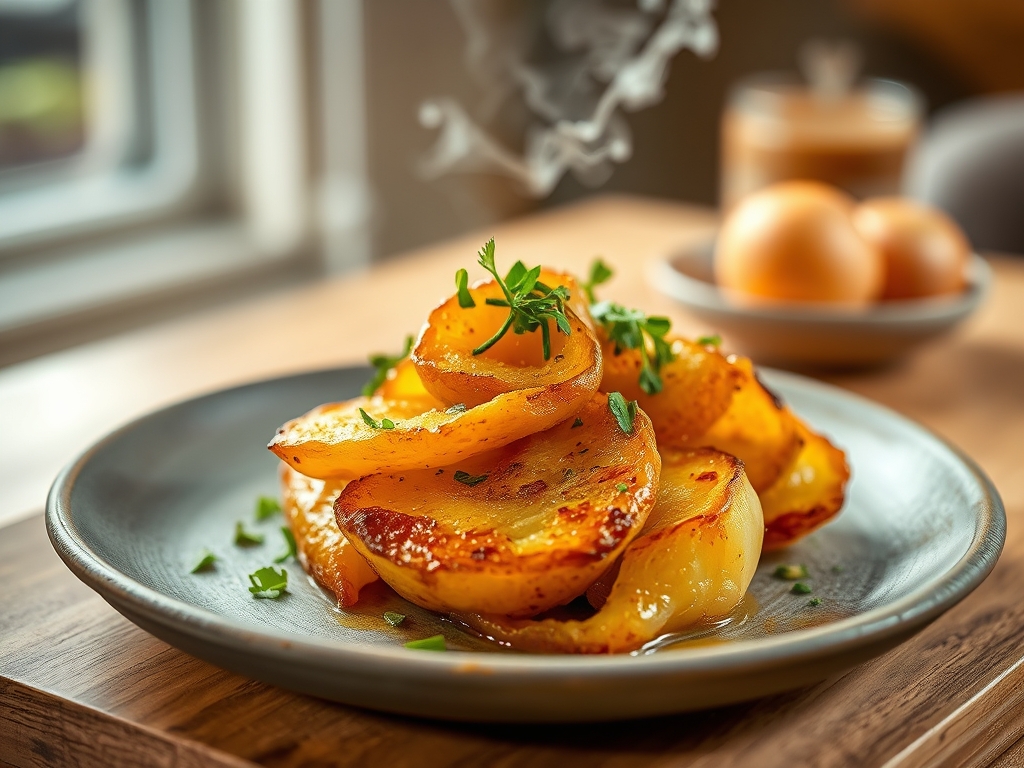
Examine the Masterclass photo above. Notice the "blistered" appearance of the skin; this is the direct result of the alkaline parboil. If your fries look smooth and matte, you didn't boil them long enough or skipped the baking soda. If the ends are dark brown while the centers are pale, your oil was too hot, causing the sugars to caramelize before the starch could fully dehydrate. A perfect fry should exhibit a "shatter-gap" between the crust and the fluffy interior, visible when snapped in half. If the color is dull, ensure you are using high-quality Russets; lower starch varieties will never achieve that vibrant, golden-hour glow.
THE DEEP DIVE
- Macro Nutrition Profile: Per 200g serving: 320 Calories, 14g Fat, 42g Carbohydrates, 4g Protein. The high-heat fry minimizes oil absorption compared to shallow frying.
- Dietary Swaps: For a Vegan profile, use avocado oil for its high smoke point. For a Keto-adjacent alternative, substitute potatoes with daikon radish, though the starch gelatinization will be significantly reduced.
- Meal Prep & Reheating Science: To maintain the molecular integrity, do not microwave. Reheat in an air fryer or oven at 200C for 5 minutes. This re-activates the fats and drives out any moisture that has migrated from the core to the crust.
THE KITCHEN TABLE
Why use baking soda in the water?
Baking soda breaks down the potato's pectin, creating a starchy surface slurry. This slurry fries up into a craggy, extra-crisp crust that is impossible to achieve with standard boiling. It is the secret to professional-grade texture.
Can I skip the first fry?
Skipping the first fry results in a soggy interior. The initial low-temp fry "sets" the starch and removes internal moisture, ensuring the final high-temp fry only has to focus on browning and crisping the exterior shell.
Which oil is best for this method?
Peanut oil is the gold standard due to its high smoke point and neutral flavor. Grapeseed or refined sunflower oil are excellent secondary choices. Avoid extra virgin olive oil, as it will smoke and turn bitter at these temperatures.
How do I prevent the fries from breaking?
Handle the potatoes with care after the parboil. Use a slotted spoon or a "spider" to move them. Once they have gone through the first fry, they become much more structurally sound and easier to manage.
Why are my fries turning dark too quickly?
This is usually caused by "cold storage" potatoes where starches have converted to sugars. To fix this, soak your cut potatoes in warm water for 30 minutes before boiling to leach out excess surface sugars.