Stop thinking about a fruit salad and start thinking about a collision of tectonic plates. Prosciutto and Melon is not a mere appetizer; it is a high-stakes structural engineering project where saline animal fats meet the volatile aromatics of a ripening gourd. We are talking about the osmotic pressure of salt-cured pork belly drawing out the viscous, nectar-like sugars of a perfectly aged cantaloupe. When you lay a translucent ribbon of Prosciutto di Parma across a chilled wedge of melon, you are initiating a chemical dialogue. The salt acts as a flavor amplifier, suppressing the perception of bitterness while heightening the sweetness of the fruit. This is the ultimate study in saline-sweet marine infrastructure. You want a dish that vibrates with piquant energy? You need to understand the molecular tension at play. If the melon is too warm, the fat in the ham becomes greasy and flaccid. If the ham is too cold, the aromatics are muted. We are here to audit your technique and ensure your culinary infrastructure is earthquake-proof.
THE DATA MATRIX
| Metric | Specification |
|---|---|
| Prep Time | 15 Minutes |
| Execution Time | 5 Minutes |
| Yield | 4 Servings |
| Complexity (1-10) | 3 |
| Estimated Cost per Serving | $4.50 – $6.00 |
THE GATHERS
Ingredient Protocol:
- 200g / 7oz Prosciutto di Parma (sliced paper-thin)
- 1 Large Cantaloupe or Honeydew Melon (approx. 1.2kg / 2.6lbs)
- 15ml / 1 tbsp Extra Virgin Olive Oil (high polyphenol count)
- 5ml / 1 tsp Aged Balsamic Glaze (optional)
- 2g / 1/2 tsp Cracked Black Peppercorns
- 10g / 1/4 cup Fresh Mint Leaves (for garnish)
Section A: Ingredient Quality Audit:
Sub-par raw materials will bankrupt this dish faster than a bad loan. If your melon lacks that signature musky aroma at the stem end, it is under-ripe and lacks the necessary brix level (sugar content). The fix? Macerate the sliced fruit in a small amount of simple syrup or honey for ten minutes to artificially boost the glucose profile. If your prosciutto is clumping or tearing into thick shards, it has been sliced incorrectly or stored at too high a temperature. To salvage this, chill the ham for ten minutes in the freezer to firm up the lipids, then use a razor-sharp offset spatula to gently peel the layers apart. Never settle for "pre-packaged" deli ham that lacks the white, creamy fat cap; that fat is where the oleic acid lives, and it is essential for the mouthfeel of the dish.
THE MASTERCLASS
1. The Geometric Foundation
Begin by stabilizing your melon on a heavy-duty cutting board. Use a sharp chef knife to remove the polar ends, then stand the fruit upright to shave away the rind. Once peeled, bisect the melon and use a stainless steel spoon to evacuate the seeds and fibrous pith. Slice the fruit into uniform 1-inch wedges or use a melon baller for a spherical aesthetic.
Pro Tip: Use a digital scale to ensure each wedge is approximately 50g. Consistency in mass ensures that the salt-to-sugar ratio remains constant across every bite. Uniformity is the hallmark of professional infrastructure.
2. The Thermal Adjustment
Place your prepared melon wedges on a chilled sheet pan and move them to the refrigerator for at least 20 minutes. You want the fruit to reach a temperature of 4 degrees Celsius (40 degrees Fahrenheit). This cold temperature provides a sharp contrast to the room-temperature ham, creating a sensory "snap" upon consumption.
Pro Tip: Cooling the fruit increases the viscosity of its internal juices. This prevents the melon from weeping excess water, which would otherwise dissolve the delicate salts on the surface of the prosciutto and lead to a soggy presentation.
3. The Drape and Tension
Remove the prosciutto from the refrigerator 10 minutes before serving to allow the fat to temper. Take a single, translucent slice and drape it loosely over the melon. Do not wrap it tightly; you want to aerate the ham. Folding the meat creates pockets of air that allow the palate to process the complex flavors of the cured protein more efficiently.
Pro Tip: Use a bench scraper to lift the delicate ham slices without tearing the muscle fibers. The goal is to maintain the structural integrity of the "ribbon" to maximize surface area contact with the taste buds.
4. The Final Calibration
Finish the assembly with a microscopic drizzle of high-quality olive oil and a crack of black pepper. If you are feeling aggressive, a few torn mint leaves will infuse the dish with a cooling menthol finish that cuts through the richness of the pork fat.
Pro Tip: Use a microplane if you decide to add citrus zest. The essential oils in the zest will bridge the gap between the savory ham and the floral melon, creating a more cohesive flavor matrix.
Section B: Prep & Timing Fault-Lines:
The biggest failure in this infrastructure is the "Sweat Factor." If you plate the dish and let it sit at room temperature for more than 30 minutes, the salt in the ham will begin to hygroscopically pull moisture out of the melon. This results in a puddle of diluted fruit juice on the plate and a "slimy" texture on the ham. Always plate "just-in-time." If your kitchen is running hot, keep the plates in the chiller until the very second the ham hits the fruit.
THE VISUAL SPECTRUM
Section C: Thermal & Visual Troubleshooting:
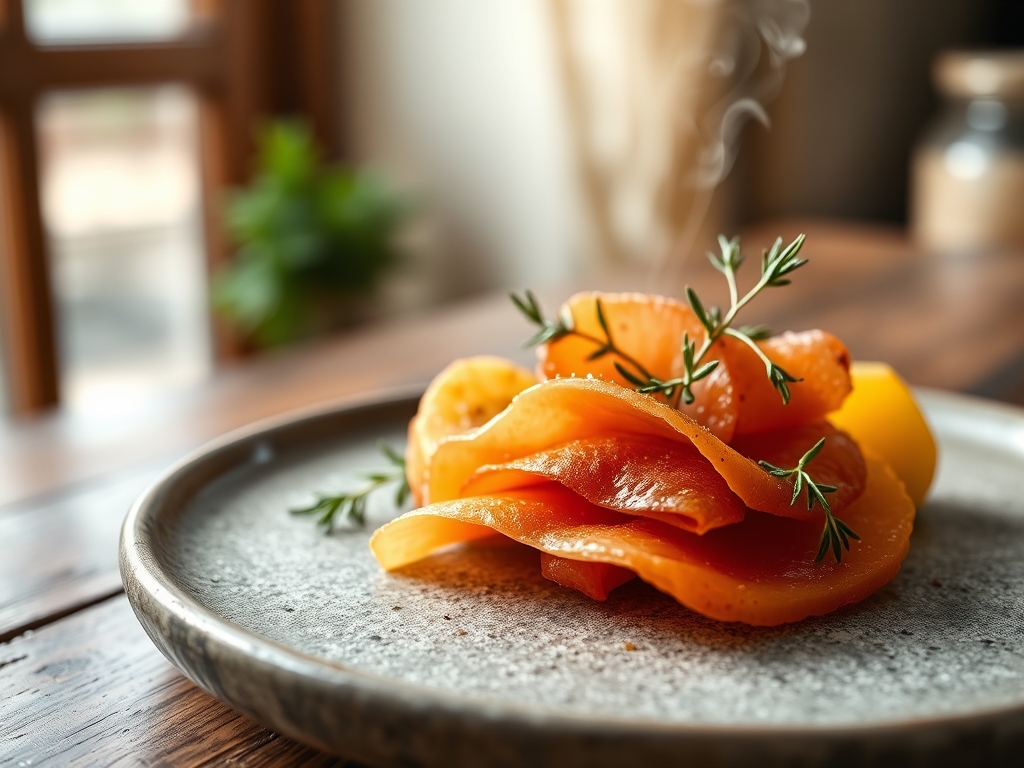
Look at the Masterclass photo above. Notice the iridescent sheen on the ham and the vibrant, saturated orange of the melon. If your melon looks pale or translucent, it is overripe and the cell walls have collapsed; it will be mushy. If the prosciutto looks dull and matte, it has oxidized. To fix a dull appearance, a light brush of neutral oil can restore the luster. If the colors are not popping, check your lighting. This dish relies on the visual contrast between the deep coral of the fruit and the ruby-pink of the meat. If the ham is "leaking" white liquid, it was likely frozen and thawed incorrectly, causing the proteins to denature and release moisture.
THE DEEP DIVE
Macro Nutrition Profile:
This dish is a powerhouse of high-quality proteins and rapid-uptake carbohydrates. A standard serving provides approximately 12g of protein, 15g of natural sugars, and 9g of healthy monounsaturated fats. It is rich in Vitamin A and Potassium, making it an excellent recovery snack for those who operate at high cognitive or physical capacities.
Dietary Swaps:
- Vegan: Replace prosciutto with smoked watermelon jerky or thin ribbons of marinated, salt-roasted carrots. Use a touch of liquid smoke to mimic the cured profile.
- Keto: Minimize the melon portion and increase the prosciutto. Swap cantaloupe for lower-carb berries or avocado wedges to maintain the creamy/salty dynamic.
- GF: Naturally gluten-free, but ensure your balsamic glaze does not use thickeners derived from wheat.
Meal Prep & Reheating Science:
Do not reheat this. Ever. The molecular structure of the melon will turn to mush, and the prosciutto fat will render into a greasy pool. For meal prep, store the sliced melon and the ham in separate airtight containers with parchment paper dividers. Assemble only at the point of consumption to maintain the crisp architectural lines of the dish.
THE KITCHEN TABLE
Can I use any type of ham?
No. You need a dry-cured ham like Prosciutto or Serrano. Boiled or smoked deli hams lack the enzymatic breakdown required to pair with raw fruit. The texture will be rubbery rather than melting.
Why is my melon so watery?
This is likely due to "osmotic shock." If you salt the melon directly, it will weep. Only salt the ham, or use a coarse finishing salt at the very last second before the plate leaves the kitchen.
Is the balsamic glaze mandatory?
Absolutely not. In fact, many purists argue it muddies the piquant notes of the ham. Only use it if your melon is under-ripe and needs an acidic sugar boost to compensate for a lack of flavor.
How thin should the prosciutto be?
It should be "windowpane" thin. If you can't see the color of the melon through the ham, it is too thick. Thick slices will overwhelm the fruit and become difficult to chew, ruining the synergy.