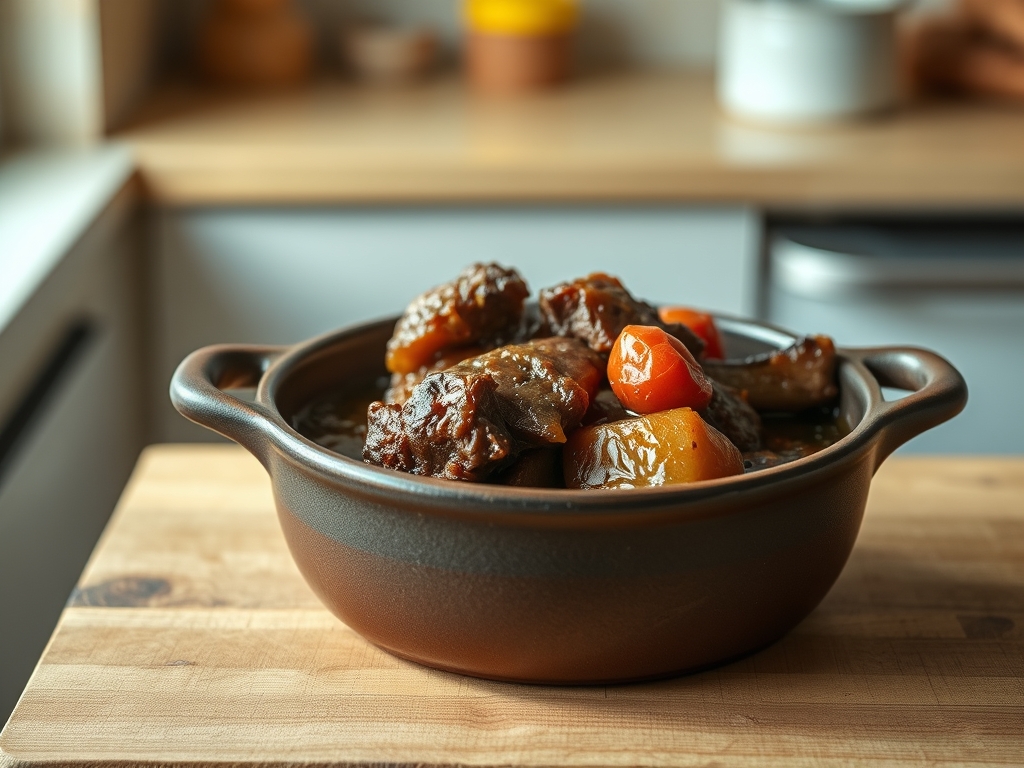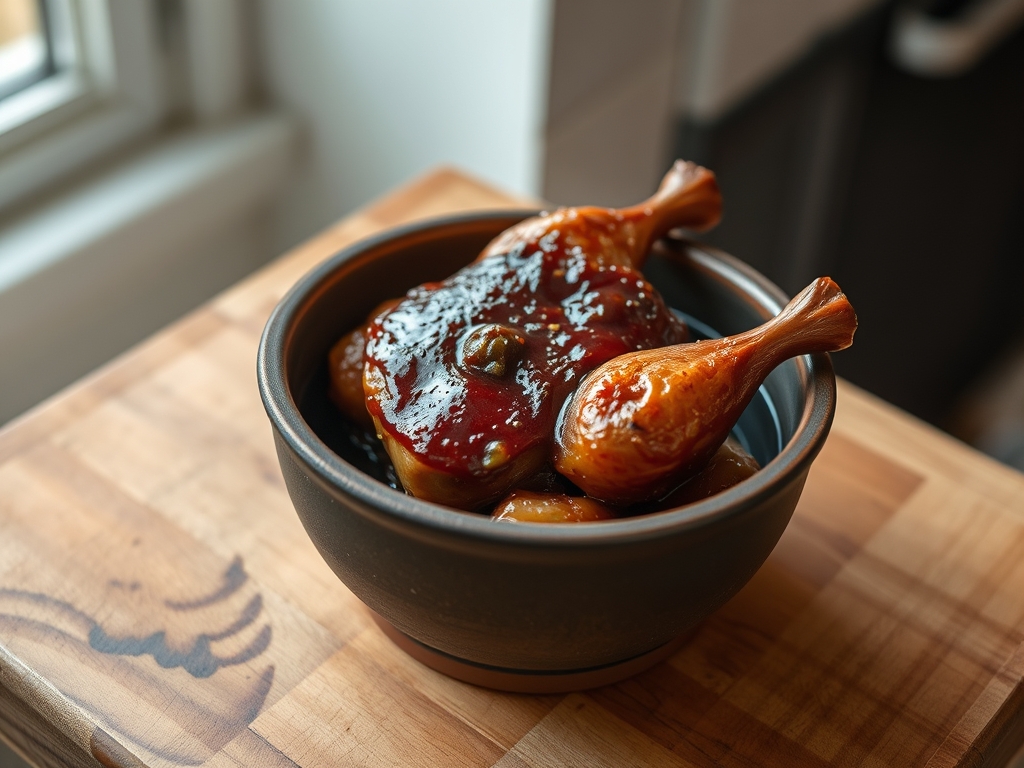
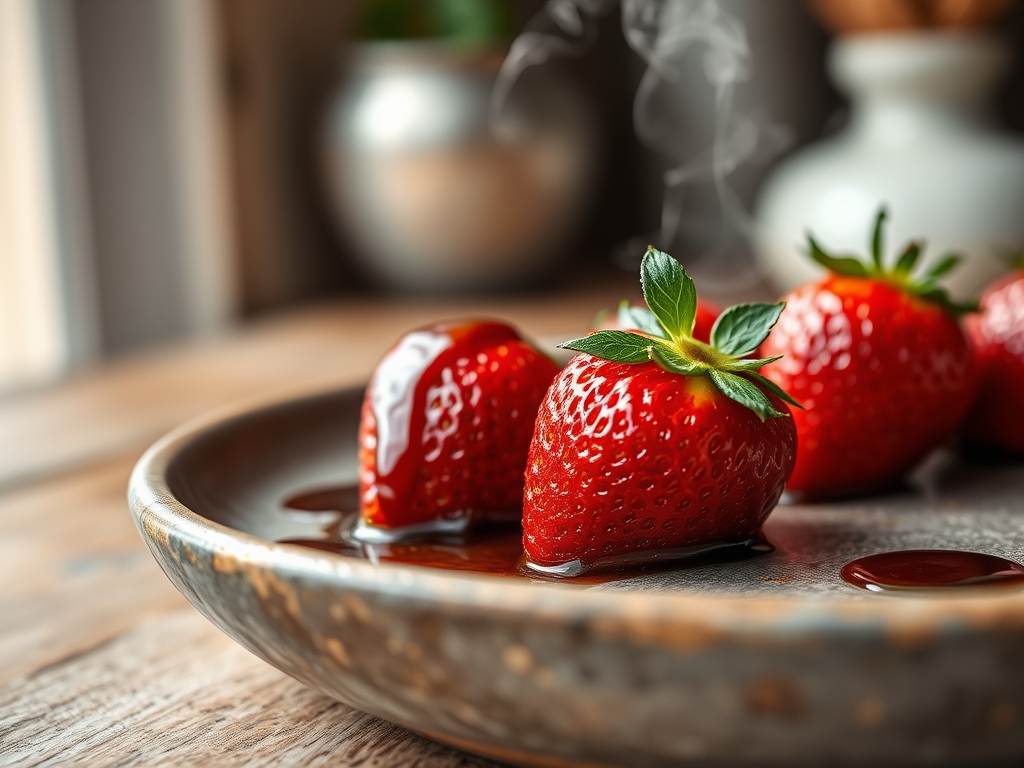
Listen up. We are not just tossing fruit into a bowl; we are performing a high-stakes chemical intervention on the very concept of dessert. When you introduce a high-quality Balsamic Strawberry to the palate, you are witnessing a violent yet beautiful collision between acetic acid and fructose. The strawberry is a sugar-laden vessel of cellular water, while the balsamic vinegar is a dark, viscous nectar of fermented must. Together, they create a piquant profile that resets the taste buds. This is the technical audit of a classic pairing that most people ruin with cheap, watery vinegar and over-ripe mush. We are here to talk about surface tension, osmotic pressure, and the exact moment where acid penetrates the pectin wall without collapsing the fruit's structural integrity. This is about precision. This is about the equilibrium between the garden and the cellar. If you are looking for a simple snack, go buy a fruit cup. If you are looking for an architectural masterpiece of flavor, keep reading. We are about to render the mundane extraordinary through the power of molecular balance.
THE DATA MATRIX
| Metric | Specification |
|---|---|
| Prep Time | 15 Minutes |
| Execution Time | 30 Minutes |
| Yield | 4 Servings |
| Complexity (1-10) | 4 |
| Estimated Cost per Serving | $3.50 |
THE GATHERS
Ingredient Protocol:
- 500g / 1.1 lbs Fresh, Firm Strawberries (Hulled and quartered)
- 60ml / 4 tbsp Aged Balsamic Vinegar of Modena (Minimum 12-year grade)
- 30g / 2 tbsp Superfine Caster Sugar
- 2g / 0.5 tsp Freshly Cracked Black Peppercorns (Tellicherry preferred)
- 5ml / 1 tsp High-Quality Vanilla Bean Paste
- 3g / 1 tsp Fresh Basil (Chiffonade for garnish)
- 225g / 1 cup Mascarpone or High-Fat Greek Yogurt (For serving)
Section A: Ingredient Quality Audit:
The primary failure point in a Balsamic Strawberry audit is the vinegar density. If your balsamic runs like water, it is likely a "salad grade" imitation spiked with caramel color. To fix this, you must reduce the vinegar in a small saucier over low heat until it coats the back of a spoon. If your strawberries are out of season and lack the necessary browning potential, macerate them with a pinch of salt. Salt acts as a flavor catalyst, drawing out internal moisture and concentrating the natural esters. Finally, if using granulated sugar instead of caster sugar, ensure you allow extra time for the crystals to fully dissolve into the fruit's juices to avoid a gritty mouthfeel.
THE MASTERCLASS
1. The Precision Prep
Use a sharp paring knife or a specialized strawberry huller to remove the calyx. Quarter the berries into uniform segments to ensure equal surface area for the acid to penetrate. Use a digital scale to measure your sugar and vinegar; volume measurements are for amateurs who enjoy inconsistent results.
Pro Tip: Uniformity is the soul of consistency. By ensuring every berry slice is the same size, you control the osmotic rate, meaning every bite will have the same concentration of balsamic infusion.
2. The Maceration Phase
Place the berries in a stainless steel mixing bowl. Sprinkle the caster sugar and black pepper over the fruit. Toss gently using a silicone spatula to avoid bruising the delicate flesh. Let the mixture sit at room temperature for 15 minutes.
Pro Tip: This is the maceration process. The sugar draws out the strawberry juice via osmosis, creating a natural syrup that will later emulsify with the vinegar. Using a bench scraper to clean your workstation during this downtime keeps the workflow efficient.
3. The Acid Integration
Drizzle the aged balsamic vinegar and vanilla bean paste over the macerating berries. Fold the mixture gently. The vinegar should begin to infuse with the strawberry syrup, creating a dark, glossy coating that clings to the fruit.
Pro Tip: Do not over-mix. Over-agitation can damage the pectin walls, leading to a "weeping" fruit that looks dull and tired. A gentle fold preserves the structural integrity of the berry.
4. The Final Reduction (Optional)
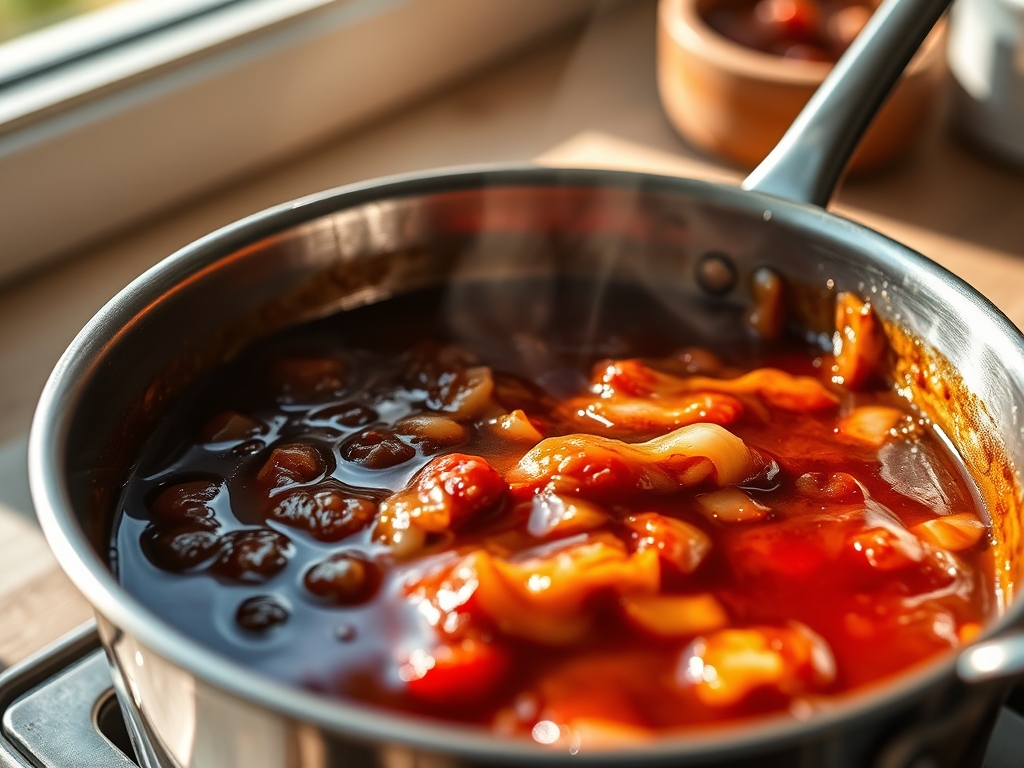
If the liquid is too thin, strain the juice into a saucier and simmer over medium heat for 3 minutes until it thickens into a glaze. Pour the cooled glaze back over the berries just before serving.
Pro Tip: Heat accelerates the Maillard reaction and evaporation. Reducing the syrup concentrates the sugars and acids, resulting in a more viscous and intense flavor profile that pops against the creamy base of mascarpone.
Section B: Prep & Timing Fault-Lines:
Timing is the silent killer of the Balsamic Strawberry. If you macerate for too long (over 60 minutes), the acid will completely break down the fruit, turning your architectural masterpiece into a soupy compote. Temperature is equally critical. Never serve this dish ice-cold. Cold temperatures mute the volatile aromatic compounds in both the vinegar and the berries. Aim for a "cellar temp" of approximately 15 degrees Celsius (60 degrees Fahrenheit) to allow the piquant notes of the balsamic to truly sing.
THE VISUAL SPECTRUM
Section C: Thermal & Visual Troubleshooting:
Referencing the Masterclass photo above, look for the "High-Gloss Finish." If your berries look matte or dusty, you have not used enough sugar or your vinegar is too thin. The syrup should look like liquid obsidian, clinging to the vibrant red of the fruit without pooling excessively at the bottom. If the berries appear grey, your vinegar may have too much metallic content; always use high-grade glass or wood-aged balsamic. For uneven browning or "dead" colors, a quick toss with a micro-plane of lime zest can aerate the profile and provide a visual highlight that suggests freshness.
THE DEEP DIVE
Macro Nutrition Profile:
A single serving of this technical audit provides approximately 140 calories, 1g of protein, 22g of carbohydrates, and 4g of fiber. The glycemic load is moderated by the acetic acid in the balsamic, which has been shown to improve insulin sensitivity.
Dietary Swaps:
- Vegan: Swap the mascarpone for a whipped coconut cream or a cashew-based labneh.
- Keto: Replace caster sugar with an erythritol-monk fruit blend and use a balsamic reduction with no added thickeners.
- GF: This dish is naturally gluten-free, provided your balsamic vinegar is pure and not a "malt" hybrid.
Meal Prep & Reheating Science:
This is a "live" dish and does not support reheating. To meal prep, store the hulled strawberries and the balsamic syrup in separate airtight containers. Combine them exactly 15 minutes before service. This prevents the molecular collapse of the fruit and ensures the textures remain distinct rather than homogenized.
THE KITCHEN TABLE
Why use black pepper on fruit?
Piperine, the active compound in black pepper, acts as a bridge between the sweetness of the fruit and the acidity of the vinegar. It provides a subtle heat that lingers, enhancing the overall piquant experience.
Can I use white balsamic vinegar?
You can, but the visual spectrum will shift. White balsamic is less viscous and lacks the deep, woody notes of traditional Modena balsamic. It results in a cleaner, more floral profile but lacks the iconic dark gloss.
My strawberries are very tart; what do I do?
Increase the sugar ratio by 10 percent and add a tiny pinch of salt. The salt will suppress the perception of bitterness and acidity while boosting the perceived sweetness of the fruit's remaining sugars.
How do I achieve that perfect chiffonade?
Stack your basil leaves, roll them tightly like a cigar, and use a very sharp chef's knife to shave thin ribbons. This prevents bruising and keeps the herb's essential oils on the leaf rather than the cutting board.