Listen up, kitchen operatives. We are moving beyond the soggy, mayonnaise-drowned tragedies of backyard cookouts past. We are entering the realm of molecular architecture. When you transition from Boil to Cold Pasta, you are not just chilling carbohydrates; you are managing a complex chemical phase change known as amylopectin retrogradation. If you fail to respect the thermal curve, you end up with a bowl of gummy, translucent paste that lacks structural integrity. We want a dish that is vibrant, resilient, and structurally sound enough to hold a viscous emulsion without weeping. This is about precision. We are looking for that perfect "al dente" snap that survives the plunge into ice-cold reality. We are auditing the very essence of the picnic staple to ensure every fusilli spiral acts as a perfect vessel for our piquant vinaigrette. Forget everything you know about "tossing things together." We are building a high-performance fuel source designed for maximum flavor delivery and aesthetic dominance. Prepare your stations; the audit begins now.
THE DATA MATRIX
| Metric | Specification |
|---|---|
| Prep Time | 20 Minutes |
| Execution Time | 15 Minutes |
| Yield | 6 Servings |
| Complexity | 3 / 10 |
| Estimated Cost per Serving | $2.45 |
THE GATHERS
Ingredient Protocol:
- 500g / 1.1 lbs Dried Fusilli or Rotini (High-protein semolina preferred)
- 250ml / 1 cup Extra Virgin Olive Oil (High polyphenol count)
- 80ml / 0.33 cup Red Wine Vinegar
- 15g / 1 tbsp Dijon Mustard (The primary emulsifier)
- 200g / 7 oz Cherry Tomatoes (Halved)
- 150g / 5.3 oz Fresh Mozzarella Pearls (Drained)
- 100g / 3.5 oz Salami or Soppressata (Small dice)
- 50g / 1.7 oz Fresh Basil Leaves (Chiffonade)
- 10g / 2 tsp Sea Salt (For the pasta water)
Section A: Ingredient Quality Audit:
The most common failure point is the pasta itself. If you use a low-protein, "bargain" pasta, the starch granules will rupture during the transition from Boil to Cold Pasta; this creates a sticky surface that repels dressing. Fix: Always select a bronze-die extruded pasta. The rough surface texture provides the necessary friction to "grab" the oil. If your tomatoes are mealy and lack acidity, do not just throw them in. Render their flavor by pre-salting them in a separate bowl for ten minutes to draw out the moisture; then use that concentrated tomato water as a base for your dressing. If your olive oil tastes bitter or metallic, it has oxidized. Replace it immediately with a fresh bottle to ensure a clean, grassy finish.
THE MASTERCLASS
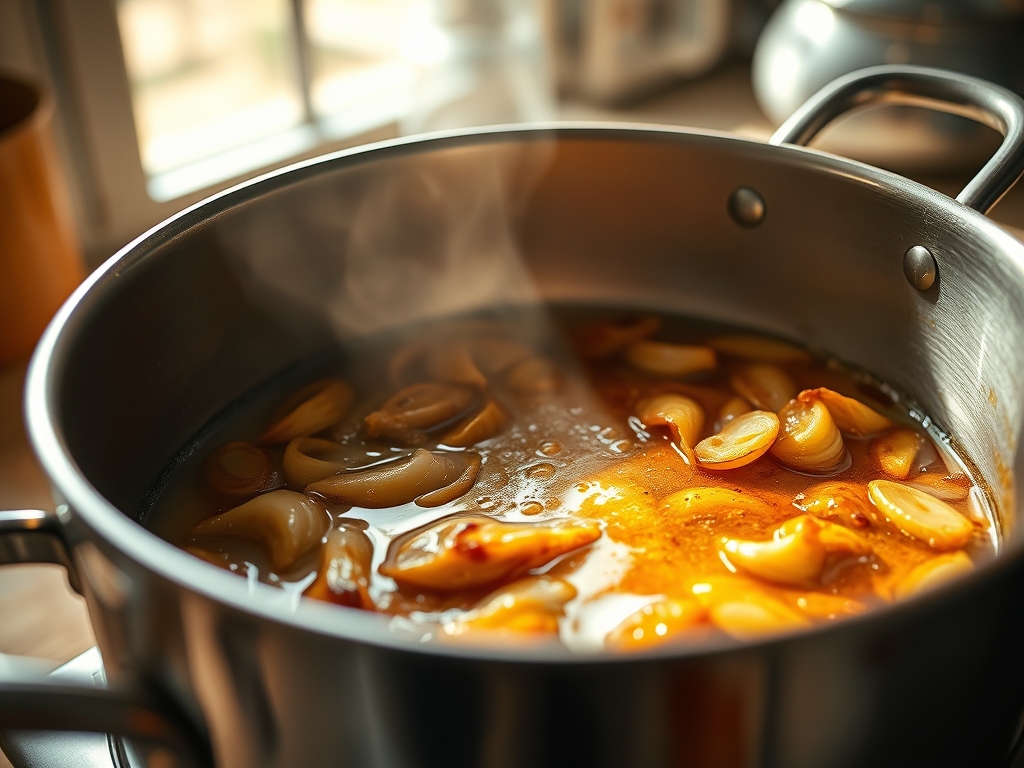
1. The Salinity Threshold
Bring 5 liters of water to a rolling boil. Add your sea salt until the water tastes like the Mediterranean. Use a digital scale to ensure exactly 10 grams of salt per liter. This is the only time you can season the interior of the pasta.
Pro Tip: High salinity raises the boiling point slightly and seasons the starch from the inside out. Without this, your cold salad will taste flat regardless of how much dressing you add later.
2. The Precision Extraction
Drop the pasta and set a timer for 2 minutes less than the package instructions. We are aiming for a "firm" al dente. Use a saucier or a large pot to allow the pasta to move freely; crowding leads to uneven starch distribution.
Pro Tip: When the pasta is destined for a cold application, you must account for the fact that it will not continue to soften in a hot sauce. However, overcooking even by 30 seconds will ruin the molecular structure and lead to breakage.
3. The Thermal Shock
Drain the pasta and immediately spread it onto a large rimmed baking sheet. Use a bench scraper to move the pasta around, allowing steam to escape rapidly. Do not rinse under tap water unless you want to wash away the essential surface starches that help the dressing adhere.
Pro Tip: Rapid cooling prevents the starch from turning into a gelatinous mass. By spreading it thin, you increase the surface area for evaporation; this concentrates the flavor and firms the bite.
4. The Emulsion Protocol
In a stainless steel bowl, whisk the mustard, vinegar, and salt. Slowly stream in the olive oil while whisking vigorously to aerate and create a stable, viscous emulsion. The mustard acts as a bridge between the water-based vinegar and the oil.
Pro Tip: A stable emulsion ensures that every nook and cranny of the pasta is coated evenly. If the dressing breaks, the oil will simply slide off the pasta and pool at the bottom of the bowl.
5. The Final Integration
Combine the cooled pasta with the tomatoes, mozzarella, and meats. Fold in the dressing using a gentle lifting motion. Add the basil at the very last second to prevent bruising and oxidation.
Pro Tip: Residual heat is the enemy of fresh herbs. Ensure the pasta is at or below room temperature before adding the basil to keep the volatile oils intact and the color vibrant.
Section B: Prep & Timing Fault-Lines:
Timing is the silent killer. If you dress the pasta while it is still steaming, the heat will cause the oil to separate and the vinegar to evaporate; this results in a greasy, dull salad. Conversely, if you wait until the pasta is bone-dry and cold, it won't absorb any of the dressing. The "Sweet Spot" is when the pasta is just barely warm to the touch. Use an infrared thermometer if you want to be elite; aim for 30 degrees Celsius. If you miss this window, your salad will require 20 percent more dressing to achieve the same flavor profile.
THE VISUAL SPECTRUM
Section C: Thermal & Visual Troubleshooting:
Look at the Masterclass photo above. Notice the chromatic intensity of the tomatoes and the distinct, individual curls of the pasta. If your salad looks like a monochromatic beige heap, you have a "Visual Fault." This usually stems from overcooking the pasta until it loses its shape or failing to use a variety of colors in your mix-ins. If the cheese looks "melted" or "fuzzy," you added it too early. To fix a dull appearance, infuse a small amount of oil with chili flakes or turmeric before whisking it into your dressing; this adds a golden glow. If the pasta looks dry, do not just add more oil. Add a splash of vinegar or lemon juice to "re-wet" the surface and make the colors pop.
THE DEEP DIVE
Macro Nutrition Profile:
A standard serving provides approximately 450 calories, 12g of protein, 48g of carbohydrates, and 24g of healthy fats. The high fat content comes primarily from the olive oil, which provides satiety and fat-soluble vitamin absorption.
Dietary Swaps:
- Vegan: Replace mozzarella with brined chickpeas and the salami with sun-dried tomatoes or smoked tofu.
- Keto: This is a starch-heavy dish. To adapt, replace 75 percent of the pasta with blanched cauliflower florets or zucchini noodles.
- GF: Use a high-quality brown rice or quinoa-based pasta. Be warned: GF pasta has a much narrower "Al Dente" window and requires immediate rinsing to stop the starch from becoming a sludge.
Meal Prep & Reheating Science:
Cold pasta salad is actually better the next day because of starch retrogradation. As the pasta cools, the starch molecules rearrange into a more crystalline structure; this makes them harder to digest and effectively lowers the glycemic index. Never reheat this dish. If it seems dry after a night in the fridge, do not add more oil; add a tablespoon of water or vinegar and toss vigorously to "reactivate" the existing emulsion.
THE KITCHEN TABLE
Why is my pasta salad always bland the next day?
Pasta absorbs salt and acid as it sits. The cold temperature also numbs your taste buds. Always "over-season" slightly if you plan to serve it the next day; a final hit of salt before serving is mandatory.
Can I use any pasta shape?
Technically, yes, but practically, no. Avoid long strands like spaghetti; they clump when cold. Stick to shapes with high surface area like fusilli, farfalle, or penne to trap the dressing and provide a satisfying structural bite.
Should I rinse the pasta with cold water?
Only if you are using gluten-free pasta or if you are in a massive rush. Rinsing removes the surface starch that helps the dressing "stick." Air-cooling on a sheet pan is the professional standard for maximum flavor.
How long does it safely stay fresh?
In a sealed container at 4 degrees Celsius, this audit-grade salad will maintain its structural integrity for 3 to 4 days. After that, the acid in the vinegar will begin to break down the vegetable fibers.