Listen up, kitchen operatives. We are not just boiling water; we are engaging in a high-stakes tactical intervention against the inevitable decay of organic matter. The moment a vegetable is severed from its life source, the clock starts ticking. Enzymes like polyphenol oxidase and peroxidase begin their slow-motion sabotage, turning vibrant chlorophyll into a muddy, depressing grey and converting crisp cellular structures into mush. This is where the Blanch to Ice Bath maneuver becomes your most critical piece of culinary infrastructure. It is a thermal shock-and-awe campaign designed to lock in peak aesthetic and nutritional value. Imagine the snap of a haricot vert that has been perfectly parboiled and then instantly frozen in time by a sub-zero plunge. The color is an aggressive, neon emerald; the texture is a defiant crunch that signals absolute freshness. We are arresting the aging process at the molecular level. If you miss the window, you are just serving compost. If you hit it, you are serving perfection. Let us audit the process.
THE DATA MATRIX
| Metric | Specification |
|---|---|
| Prep Time | 15 Minutes |
| Execution Time | 5 Minutes |
| Yield | 4 Servings |
| Complexity (1-10) | 3 |
| Estimated Cost per Serving | $1.25 |
THE GATHERS
Ingredient Protocol:
- 500g / 1.1 lbs Fresh Green Beans or Asparagus
- 4L / 1.05 Gallons Filtered Water
- 60g / 4 Tablespoons Kosher Salt
- 2kg / 4.4 lbs Crushed Ice
- 15ml / 1 Tablespoon Extra Virgin Olive Oil (for finishing)
Section A: Ingredient Quality Audit:
Sub-par raw materials will fail the Blanch to Ice Bath protocol regardless of your technique. If your greens feel flaccid or show signs of desiccation, the cellular walls are already compromised. To fix "tired" vegetables, submerge them in an ice-water bath for thirty minutes prior to trimming; this allows the cells to infuse with moisture via osmosis, restoring turgidity. If you detect a piquant bitterness in brassicas, increase your salt concentration in the boiling phase. Salt acts as a flavor bridge and suppresses the perception of bitter compounds while simultaneously accelerating the softening of hemicellulose.
THE MASTERCLASS
1. The Saturation Point
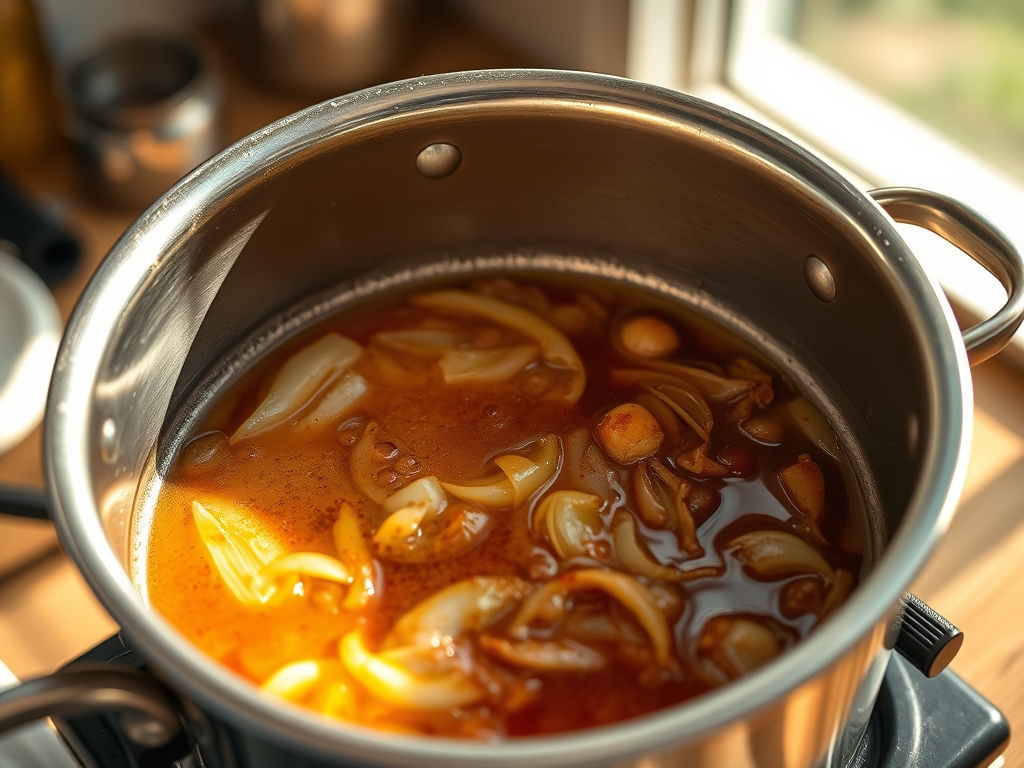
Bring your water to a rolling, violent boil in a high-capacity saucier or stockpot. You need a massive thermal reservoir so that the introduction of cold vegetables does not drop the temperature below the boiling point. Add your salt until the water tastes like the Mediterranean Sea.
Pro Tip: High salinity is not just for seasoning; it stabilizes the chlorophyll molecules by preventing the magnesium atom at the center of the porphyrin ring from being replaced by hydrogen atoms, which is what causes that dreaded olive-drab color.
2. The Rapid Immersion
Drop your prepared vegetables into the boiling water in small batches. Do not overcrowd the vessel. Use a digital scale to ensure your batches are consistent, typically no more than 250g at a time for a standard home pot.
Pro Tip: Keep the heat on maximum. The goal is to render the enzymes inactive within sixty to ninety seconds. Use a spider strainer to keep the vegetables submerged and moving, ensuring even heat distribution across all surfaces.
3. The Thermal Shock
Prepare your ice bath in a large stainless steel bowl while the vegetables boil. It must be a 50/50 ratio of ice to water. As soon as the vegetables reach a "crisp-tender" state, use your strainer to transfer them immediately from the boiling water into the ice.
Pro Tip: This is the "Shock" in "Shocking." The goal is to drop the internal temperature of the vegetable to 4 degrees Celsius (40 degrees Fahrenheit) in under thirty seconds. This stops the residual carry-over cooking that would otherwise turn your crisp snack into a soggy mess.
4. The Extraction and Desiccation
Once the vegetables are cold to the touch, remove them from the ice bath immediately. Do not let them soak, or they will become waterlogged and lose their viscous natural juices. Use a bench scraper to clear your workstation and move the greens to a lint-free kitchen towel.
Pro Tip: Pat the vegetables completely dry. If you leave moisture on the surface, any oil or dressing you apply later will slide right off instead of adhering to the skin. Proper desiccation is the secret to a professional finish.
Section B: Prep & Timing Fault-Lines:
The most common failure in the Blanch to Ice Bath sequence is "The Lukewarm Plunge." If your ice bath melts before the vegetables are cold, you have failed the audit. Always keep a backup supply of ice. Another critical error is timing; use a digital timer. Ten seconds too long in the boiling water can be the difference between a vibrant side dish and a mushy failure. If you are prepping in advance, ensure the vegetables are bone-dry before refrigeration to prevent bacterial growth.
THE VISUAL SPECTRUM
Section C: Thermal & Visual Troubleshooting:
Look at the Masterclass photo above. Notice the "High-Gloss" sheen and the lack of shriveling. If your vegetables appear dull or matte, you likely skipped the salt or the water was not at a true rolling boil. If you see uneven browning or dark spots, your batch size was too large, causing some pieces to sit at the bottom of the pot longer than others. If the texture is "rubbery" rather than "snappy," your ice bath was not cold enough to stop the enzymatic breakdown instantly. The visual cue for success is a uniform, saturated color that looks almost artificial in its intensity.
THE DEEP DIVE
Macro Nutrition Profile:
Blanching is the superior method for nutrient retention. Unlike boiling for long periods, which leaches water-soluble vitamins (B-complex and C) into the water, a quick blanch preserves the majority of the micronutrient density. You are looking at high fiber, zero fat (pre-finishing), and intact antioxidants.
Dietary Swaps:
- Vegan: Use avocado oil or a walnut oil to finish for a nutty profile.
- Keto: Finish with grass-fed butter or a splash of heavy cream to render a rich sauce.
- GF: Naturally gluten-free; just ensure any secondary sauces used for dipping are certified.
Meal Prep & Reheating Science:
To maintain the molecular structure during reheating, avoid the microwave. The microwave agitates water molecules violently, which collapses the cell walls you worked so hard to preserve. Instead, deglaze a pan with a tablespoon of water or stock, add the blanched veg, and toss over high heat for sixty seconds to "wake up" the flavors without overcooking.
THE KITCHEN TABLE
Why is my ice bath turning green?
You overcooked the vegetables. When the cell walls rupture completely, the chlorophyll leaks into the cooling water. Shorten your boiling time by thirty seconds and ensure you are using a high-volume ice-to-water ratio to stop the process faster.
Can I blanch frozen vegetables?
Negative. Frozen vegetables have already undergone a commercial blanching and freezing process. Attempting to re-blanch them will result in a structural collapse, leaving you with a watery, flavorless product. Only use fresh, high-turgidity produce for this protocol.
Do I really need that much salt?
Yes. Most of the salt stays in the water; it is a functional tool for color preservation and heat transfer. Only a fraction actually seasons the vegetable. It is the difference between a professional result and a home-cook mistake.
How long do blanched veggies last?
Stored in an airtight container with a paper towel to absorb excess moisture, they will maintain their structural integrity for 3 to 4 days. Any longer and the enzymes will slowly begin to regain their foothold, leading to oxidation.