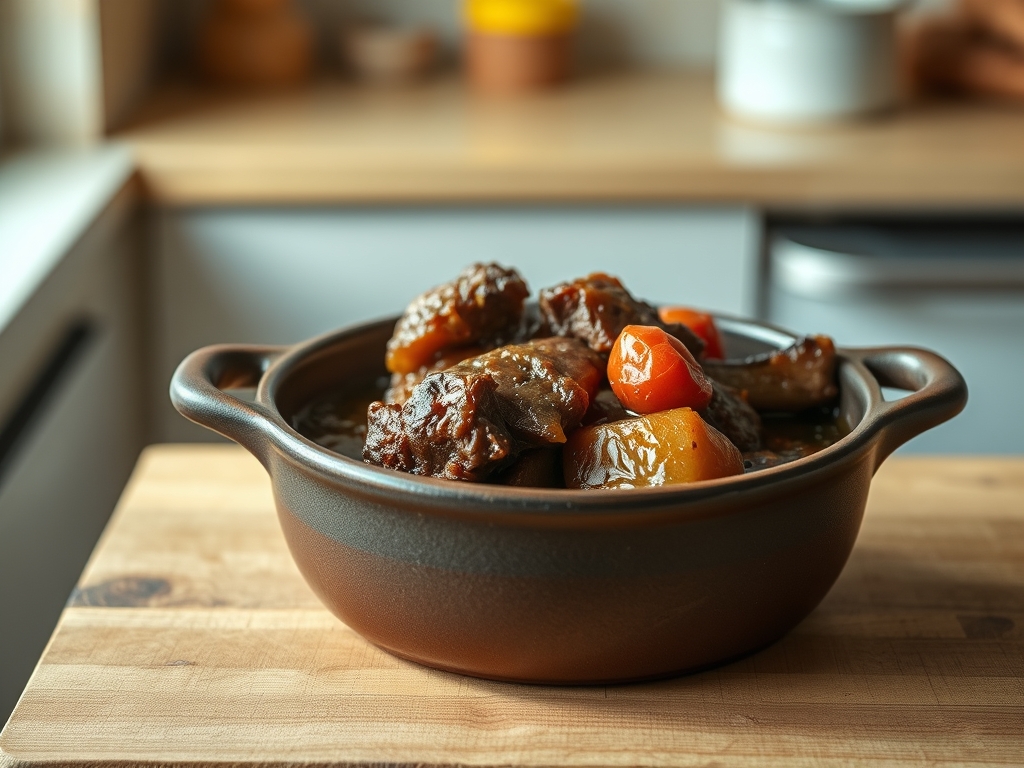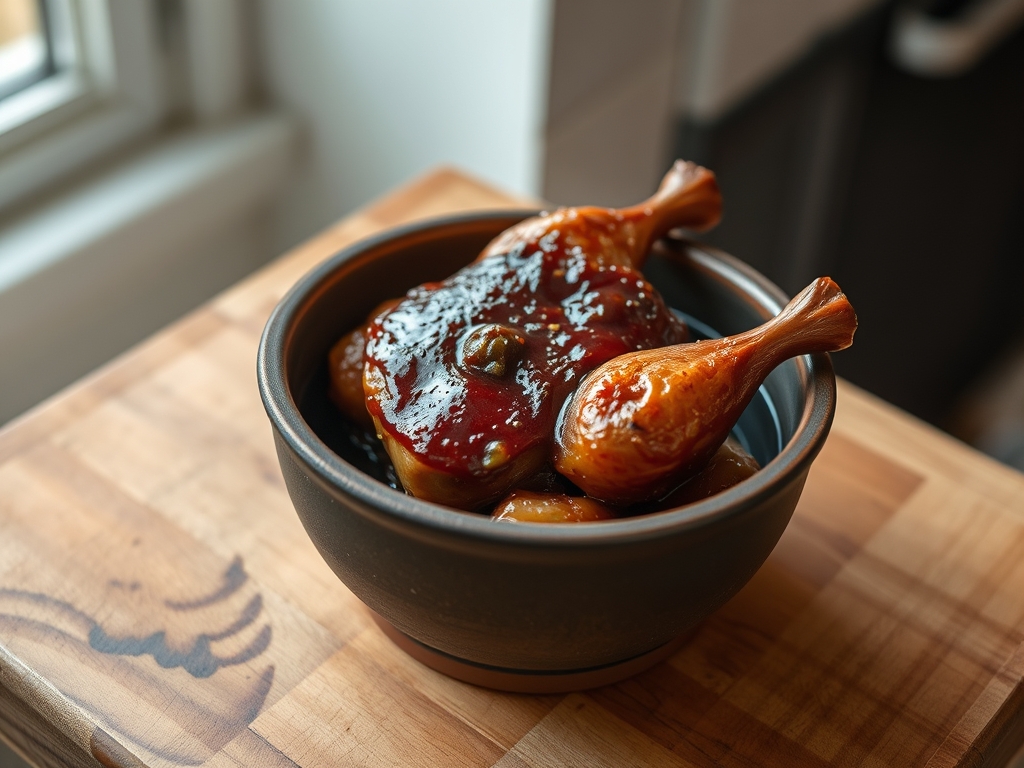
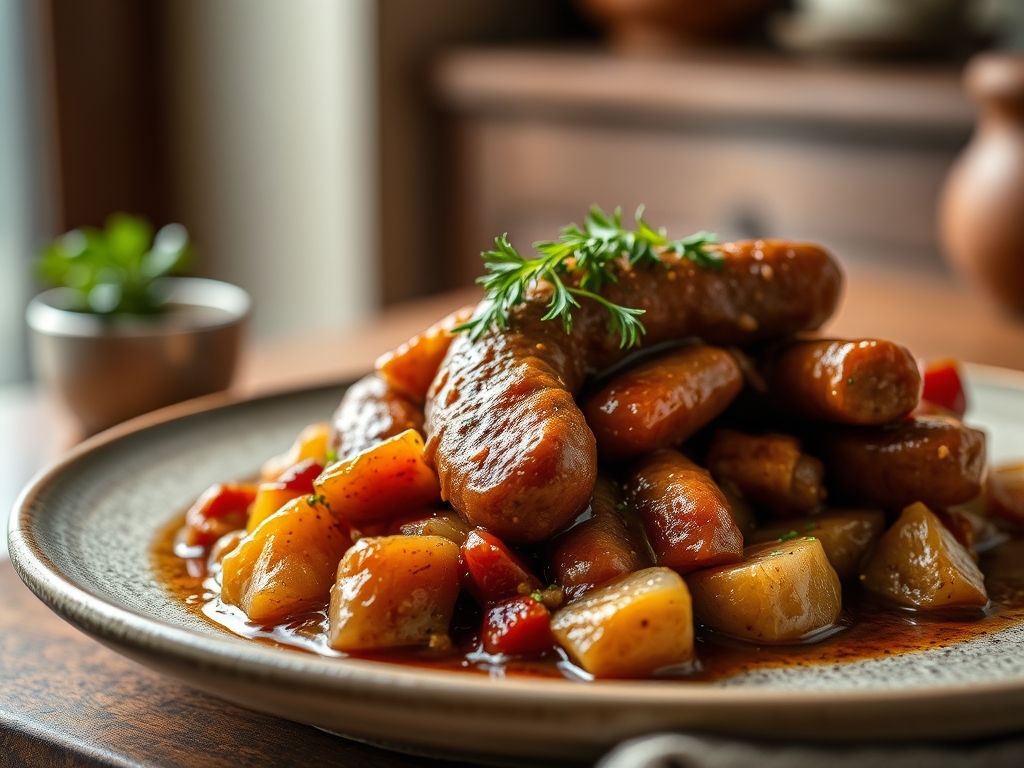
Listen to that sound. It is not just a sizzle; it is the violent, glorious anthem of lipids meeting a searing surface. We are here to conduct a structural audit of the humble link, transforming it from a simple protein tube into a masterpiece of texture and depth. When you engage with a Braised Sausage Mix, you are not merely cooking; you are managing a complex thermodynamic event. The objective is total casing integrity. We want a snap that echoes against the roof of the mouth, followed by a succulent, interior release of juices that have been perfectly emulsified during the braising phase. Most home cooks fail because they treat the sausage as a monolith. They burn the exterior while the interior remains a cold, unrendered mass of disappointment. We will avoid that fate. By utilizing a hybrid method of high-heat searing followed by a controlled liquid reduction, we ensure that every bite is a balanced equation of salt, fat, and acid. Prepare your station. We are moving from culinary chaos to engineered perfection.
THE DATA MATRIX
| Metric | Specification |
|---|---|
| Prep Time | 15 Minutes |
| Execution Time | 25 Minutes |
| Yield | 4 Portions |
| Complexity (1-10) | 4 |
| Estimated Cost per Serving | $4.50 |
THE GATHERS
Ingredient Protocol:
- 680g / 1.5 lbs High-quality Pork or Fennel Links (The core of your Braised Sausage Mix)
- 30ml / 2 tbsp Extra Virgin Olive Oil
- 1 large / 250g Yellow Onion, thinly sliced (julienned)
- 3 cloves / 15g Garlic, smashed and minced
- 240ml / 1 cup Dry White Wine (Pinot Grigio or Sauvignon Blanc)
- 120ml / 0.5 cup Chicken Bone Broth (high gelatin content)
- 15g / 1 tbsp Tomato Paste (for umami depth)
- 5g / 1 tsp Smoked Paprika
- 2 sprigs / 2g Fresh Rosemary
- 5ml / 1 tsp Apple Cider Vinegar (to brighten the finish)
Section A: Ingredient Quality Audit:
If your links feel soft or "mushy" before hitting the pan, the primary emulsion has likely broken during transport. To fix this, place them in the freezer for ten minutes to firm up the fats before searing. If your onions lack sweetness, they are likely under-cured; add a pinch of sugar during the saute phase to jumpstart the carmelization process. Finally, if using a low-sodium broth, you must compensate with a finishing salt to ensure the Braised Sausage Mix achieves its full piquant potential.
THE MASTERCLASS
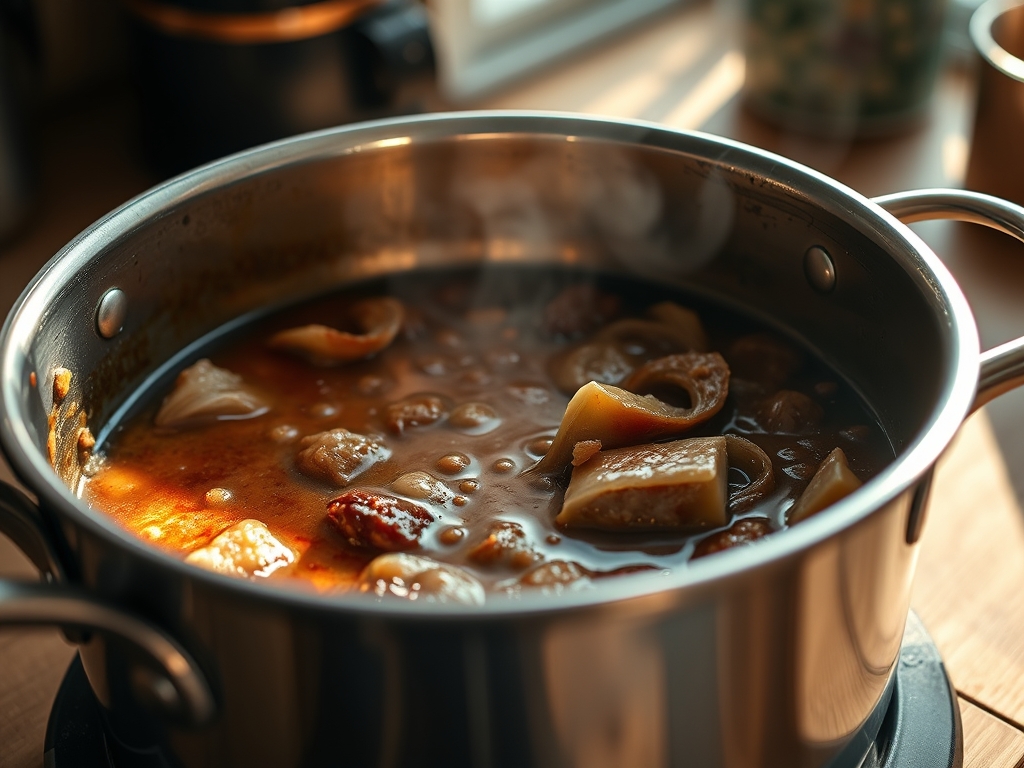
1. Thermal Priming and Initial Sear
Place your heavy-bottomed stainless steel saucier over medium-high heat. Add the olive oil and wait for the first sign of shimmering. Arrange the links in a single layer, ensuring they do not touch. Sear for 3 to 4 minutes per side until the casing achieves a deep, mahogany hue.
Pro Tip: This stage relies on the Maillard Reaction. Use a digital scale to ensure your portions are even; inconsistent thickness leads to uneven heat distribution. Do not crowd the pan, or you will steam the meat instead of searing it.
2. The Aromatic Foundation
Remove the links to a resting plate. Lower the heat to medium and introduce the onions. Use a bench scraper to clear your cutting board and move the garlic and rosemary into the pan once the onions have softened. Saute until the onions are translucent and the edges begin to crisp.
Pro Tip: The onions act as a thermal buffer. They absorb the rendered fat from the sausages, creating a viscous base that will eventually form your sauce.
3. Deglazing the Fond
Increase the heat slightly and pour in the white wine. Use a wooden spoon to scrape the bottom of the pan, releasing the "fond" (the browned bits of protein stuck to the surface). This is where the soul of the Braised Sausage Mix resides.
Pro Tip: Deglazing is a chemical extraction process. The alcohol in the wine dissolves flavor compounds that are not water-soluble, creating a more complex flavor profile.
4. The Braising Reduction
Stir in the tomato paste, paprika, and bone broth. Return the sausages to the pan, nestling them into the liquid. Reduce the heat to low, cover partially, and simmer for 12 minutes. The liquid should reduce by half, transforming into a thick, glossy glaze.
Pro Tip: Use an instant-read thermometer to check the internal temperature. You are looking for 71 degrees Celsius (160 degrees Fahrenheit) for pork. This ensures the proteins have set without becoming tough.
5. Aeration and Final Emulsion
Remove the lid and take the pan off the heat. Stir in the apple cider vinegar. Gently swirl the pan to aerate the sauce, allowing the remaining fats to bind with the acidic liquid for a velvety finish.
Pro Tip: This final "rest" allows the internal juices to redistribute. If you cut the links too early, the structural integrity of the casing will fail, and the moisture will escape.
Section B: Prep & Timing Fault-Lines:
The most common error is "The Flash Burn." This happens when the pan is too hot, causing the casing to split before the interior fat can render. If you see the casing burst, immediately lower the heat and add a splash of water to drop the surface temperature. Another fault-line is "The Liquid Overload." If your Braised Sausage Mix looks like soup, remove the sausages and boil the liquid on high for three minutes to force a rapid reduction.
THE VISUAL SPECTRUM
Section C: Thermal & Visual Troubleshooting:
The Masterclass photo displays a specific "Gloss Factor." If your dish looks dull or matte, you have likely over-reduced the sauce, causing the fats to separate from the solids. To fix this, whisk in a tablespoon of warm water to re-emulsify. If your sausages look grey rather than brown, your initial sear was too timid. Next time, ensure the oil is at the smoke point before adding the protein. The onions should be "jammy" in texture; if they are still crunchy, they require more time in the braising liquid to break down the cellulose.
THE DEEP DIVE
Macro Nutrition Profile:
A standard serving of this Braised Sausage Mix provides approximately 32g of Protein, 28g of Fat, and 8g of Carbohydrates. The caloric density is high, making it an excellent fuel source for recovery, though the sodium levels require mindful balancing with hydration.
Dietary Swaps:
- Vegan: Utilize high-protein seitan-based links and replace bone broth with a mushroom-based dashi to maintain umami.
- Keto: This recipe is naturally keto-friendly; simply ensure the white wine is bone-dry to minimize residual sugars.
- GF: Ensure your sausages do not use breadcrumbs as a filler; most premium links are naturally gluten-free.
Meal Prep & Reheating Science:
To maintain the molecular structure during reheating, avoid the microwave. The rapid agitation of water molecules will toughen the casing. Instead, reheat in a covered skillet over low heat with a tablespoon of water to create a steam-chamber, preserving the original moisture content.
THE KITCHEN TABLE
Why did my sausage casings get tough?
This is usually caused by overcooking or using "old" links where the collagen has dehydrated. Braising in an acidic medium like wine helps to break down these tough fibers, ensuring a tender snap.
Can I use red wine instead of white?
Yes, but it will drastically change the visual spectrum. Red wine creates a darker, more tannic sauce that pairs better with beef or lamb links rather than the traditional pork used in a Braised Sausage Mix.
What is the best way to slice the onions?
Use a sharp chef's knife to create "pole-to-pole" slices. This orientation follows the cellular structure of the onion, allowing them to hold their shape during the long braising process rather than turning into mush.
Is the apple cider vinegar mandatory?
Technically no, but chemically yes. The acidity cuts through the heavy lipids of the pork, balancing the palate and preventing the dish from feeling overly "greasy." It provides the necessary piquant finish.